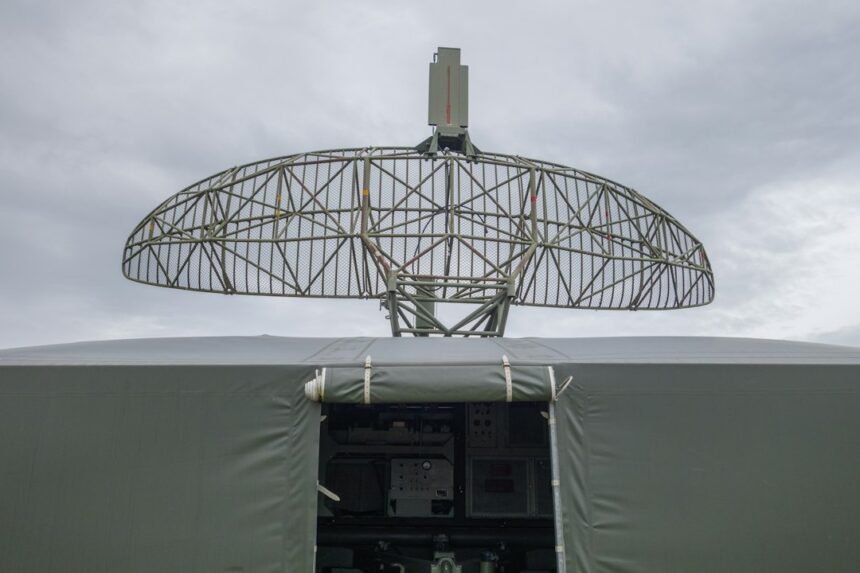
Sergeant Rami Shalev, a name synonymous with dedication and technological prowess within the security sector, has consistently been at the forefront of leveraging advanced radar systems to bolster defensive capabilities. His contributions, often behind the scenes, have been instrumental in developing and deploying sophisticated radar technologies that enhance security across a multitude of environments. From critical infrastructure protection to border surveillance and the safeguarding of public spaces, Sergeant Shalev’s work embodies a forward-thinking approach to security, recognizing the indispensable role of cutting-edge technology in an increasingly complex threat landscape. His expertise lies not only in understanding the intricate mechanics of radar systems but also in translating that technical knowledge into practical, effective security solutions that can detect, track, and deter potential adversaries with unparalleled precision.
The Evolving Landscape of Security Threats and the Need for Advanced Radar
The world’s security paradigms are in a constant state of flux, driven by ever-evolving threats and the relentless advancement of technology. Traditional security measures, while still relevant, often prove insufficient against the sophisticated tactics employed by modern adversaries. This necessitates a paradigm shift towards more proactive, intelligence-driven security strategies, where early detection and precise identification are paramount. In this context, advanced radar technology has emerged as a critical component, offering a robust and versatile solution to a wide array of security challenges. Sergeant Rami Shalev’s career has been intrinsically linked to this evolution, demonstrating a profound understanding of how radar capabilities can be harnessed to counter these emerging threats. His insights into the limitations of older systems and his vision for future radar applications underscore the urgency for continuous innovation in the field.
The Imperative of Early Detection
The adage “an ounce of prevention is worth a pound of cure” holds particular significance in security. The ability to detect a threat at its earliest possible stage provides a crucial window of opportunity to neutralize it before it can escalate into a full-blown crisis. This is where advanced radar systems excel. Unlike visual surveillance, which can be hampered by environmental conditions like darkness, fog, or smoke, radar operates by emitting radio waves and analyzing their reflections. This fundamental principle allows radar to “see” through obstacles and adverse weather, providing a persistent and reliable surveillance capability. Sergeant Shalev has championed the development of radar systems with enhanced sensitivity and discrimination, enabling the detection of even minute movements or anomalies that might otherwise go unnoticed. This capability is vital for identifying covert approaches, unauthorized incursions, and the movement of suspicious objects or individuals in restricted areas.
The Limitations of Conventional Surveillance
While cameras and human patrols have long been the backbone of security, they possess inherent limitations. Cameras require line of sight, are susceptible to blinding or obstruction, and their effectiveness diminishes significantly in low-light or obscured conditions. Human patrols, while providing crucial situational awareness, are limited by fatigue, the vastness of the areas to be covered, and the inability to maintain a constant, unbroken vigil. Sergeant Shalev’s work has focused on bridging these gaps by integrating radar technology with existing security infrastructures. Radar systems can operate continuously, 24/7, regardless of environmental factors, providing an omnipresent layer of surveillance. Furthermore, they offer a non-intrusive means of monitoring, reducing the reliance on personnel in potentially dangerous situations and freeing up human resources for more strategic tasks. The ability of radar to accurately measure distance, speed, and direction of targets adds a critical layer of actionable intelligence that visual systems alone cannot provide.
Sergeant Rami Shalev’s innovative work with radar technology has garnered significant attention in military circles, highlighting the importance of advanced surveillance systems in modern warfare. For a deeper understanding of the implications of such technologies, you can read a related article that explores the evolution of military radar systems and their impact on strategic operations. Check it out here: In The War Room.
The Technical Prowess of Sergeant Rami Shalev’s Radar Innovations
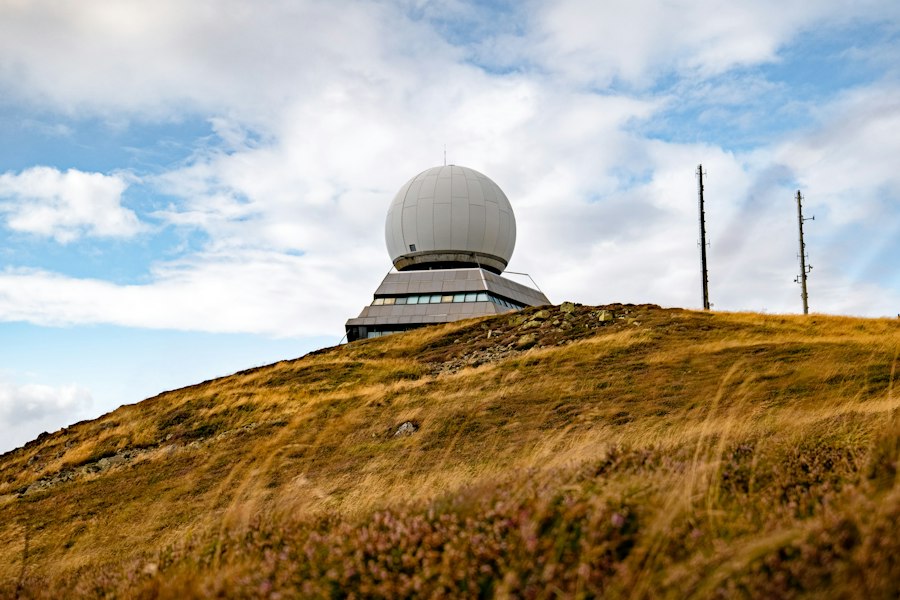
Sergeant Rami Shalev’s impact on security is deeply rooted in his technical expertise and his ability to innovate within the realm of radar technology. His understanding spans the theoretical underpinnings of radar principles to the practical implementation of advanced systems. This has led to the development and deployment of radar solutions that are not only effective but also adaptable to a wide range of operational requirements. His focus has consistently been on pushing the boundaries of what radar can achieve, from improving detection ranges and accuracy to developing sophisticated signal processing techniques.
Next-Generation Radar System Architectures
The evolution of radar technology is marked by significant advancements in hardware and software. Sergeant Shalev has been at the forefront of integrating these advancements into practical security applications. This includes the adoption of Solid-State Power Amplifiers (SSPAs) in place of older, less reliable tube-based systems, offering improved reliability, efficiency, and reduced maintenance. Furthermore, the advent of Digital Beamforming (DBF) has revolutionized radar capabilities. DBF allows for the electronic steering of radar beams, enabling rapid scanning of large areas, simultaneous tracking of multiple targets, and adaptation to complex clutter environments. Sergeant Shalev’s work has involved the conceptualization and implementation of systems that leverage these next-generation architectures, making them robust enough for demanding security operations.
Advanced Signal Processing and Data Fusion
The raw data generated by a radar system is only as valuable as the insights derived from it. Sergeant Shalev’s contributions extend significantly into the realm of advanced signal processing. This involves the development of algorithms that can effectively filter out noise and clutter, accurately identify targets of interest, and provide precise tracking information. Techniques such as Constant False Alarm Rate (CFAR) processing are crucial for minimizing false alarms, ensuring that security personnel can focus on genuine threats. Moreover, his vision encompasses the integration of radar data with other sensor modalities, such as electro-optical cameras, thermal imagers, and acoustic sensors. This process, known as data fusion, creates a more comprehensive and accurate picture of the operational environment, significantly enhancing situational awareness and enabling more informed decision-making. For instance, a radar detection of a fast-moving object approaching a perimeter can be immediately corroborated by a thermal camera identifying a human signature, confirming a potential intrusion.
Applications of Advanced Radar in Critical Security Domains
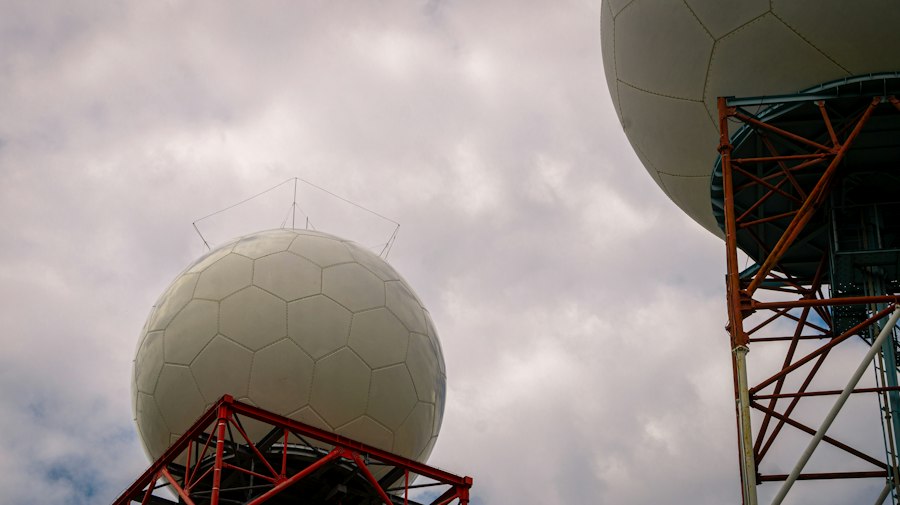
The versatility of advanced radar technology, as championed by Sergeant Rami Shalev, makes it applicable to a broad spectrum of security concerns. From securing borders and protecting vital infrastructure to enhancing the safety of public events, radar offers a reliable and effective solution. His understanding of the unique challenges faced in each of these domains allows for the tailored development and deployment of radar systems that meet specific operational needs.
Border Security and Intrusion Detection
The integrity of national borders is a cornerstone of sovereignty and security. However, the sheer vastness and often challenging terrain of border regions present significant logistical hurdles for traditional surveillance methods. Advanced radar systems provide a continuous and far-reaching monitoring capability that is essential for detecting and deterring illegal crossings, smuggling, and other illicit activities. Sergeant Shalev has been instrumental in deploying ground-based radar systems that can detect vehicles, individuals, and even low-flying aircraft at considerable distances. These systems can operate autonomously, alerting security forces to any unauthorized movement across the border. Furthermore, his work has explored the integration of radar with other border security technologies, such as unattended ground sensors and unmanned aerial vehicles (UAVs), creating a multi-layered defense system that significantly enhances border patrol effectiveness and response times.
Critical Infrastructure Protection
Power plants, water treatment facilities, airports, and other critical infrastructure are prime targets for acts of sabotage or terrorism. The protection of these vital assets requires a robust and vigilant security posture. Sergeant Shalev’s expertise has been applied to developing radar solutions that provide comprehensive surveillance of these sensitive sites. Ground surveillance radar can monitor perimeters, detect approaching vehicles or individuals, and track their movements, providing early warning of potential threats. Aviation radar is essential for managing air traffic and preventing unauthorized aircraft from entering restricted airspace around sensitive installations. His work also extends to underwater radar applications for the protection of offshore infrastructure, ensuring a holistic approach to the security of critical national assets. The ability of radar to differentiate between legitimate activity and potential threats, coupled with its all-weather capability, makes it an indispensable tool for safeguarding these high-value targets.
Public Event Security and Crowd Monitoring
Large public gatherings, such as concerts, sporting events, and political rallies, present unique security challenges due to the sheer volume of people and the potential for dispersed threats. Advanced radar systems can play a crucial role in enhancing the safety and security of these events. By deploying ground surveillance radar around the perimeter of an event venue, security personnel can monitor for any unusual activity or attempts to breach security cordons. Furthermore, specialized radar systems are being developed to provide insights into crowd dynamics, detecting surges, potential stampedes, or the presence of individuals acting erratically within the crowd. Sergeant Shalev’s insights into the application of radar in these dynamic environments contribute to the development of proactive security measures that can help prevent incidents and ensure the well-being of attendees. The ability to detect unattended bags or suspicious individuals in crowded areas, without the need for direct visual identification of every person, adds a significant layer of security without compromising the event experience.
The Synergy of Radar with Other Technologies and Human Expertise
While advanced radar systems are powerful tools in their own right, their true potential is unlocked when integrated with other technologies and, most importantly, human expertise. Sergeant Rami Shalev’s philosophy has always emphasized a holistic approach to security, recognizing that technology is a force multiplier, not a replacement for human judgment and decision-making.
Interoperability and Networked Security Systems
In modern security operations, the ability of different systems to communicate and share information is paramount. Sergeant Shalev’s work has championed the development of radar systems that are designed for seamless interoperability within larger, networked security architectures. This allows for the integration of radar data with information from cameras, access control systems, and communication platforms, creating a unified operational picture for security commanders. This networked approach enables faster and more coordinated responses to incidents. For example, a radar alert of an approaching vehicle can automatically trigger nearby cameras to focus on the area, providing visual confirmation and detailed information to responding security personnel, all within seconds. This level of interconnectedness is crucial for managing complex security scenarios effectively.
The Indispensable Role of the Human Operator
Despite the advancements in artificial intelligence and automation, the human element remains critical in security operations. Sergeant Shalev acknowledges that radar systems, while providing invaluable data, require skilled operators to interpret that data, make informed decisions, and execute appropriate responses. His work often involves ensuring that radar systems are designed with user-friendly interfaces and provide clear, actionable intelligence that can be readily understood by human operators. Training and the continuous development of human expertise in operating and maintaining these advanced systems are integral to their success. The human operator’s ability to apply contextual knowledge, assess subtle nuances, and exercise judgment in ambiguous situations is a vital complement to the objective data provided by radar.
Sergeant Rami Shalev’s innovative work with radar technology has garnered significant attention in military circles, highlighting the importance of advancements in surveillance systems. For those interested in exploring more about the implications of such technologies in modern warfare, a related article can be found here: this insightful piece delves into the evolving landscape of military strategies and the role of cutting-edge equipment.
The Future of Radar in Security: Emerging Trends and Sergeant Shalev’s Vision
| Metric | Value | Description |
|---|---|---|
| Radar Model | Rami Shalev Series | Type of radar system used by Sergeant Rami Shalev |
| Detection Range | 15 km | Maximum distance at which the radar can detect objects |
| Frequency Band | X-Band | Operating frequency range of the radar |
| Resolution | 1 meter | Minimum distinguishable distance between two objects |
| Update Rate | 10 Hz | Number of radar scans per second |
| Power Output | 5 kW | Transmitted power of the radar system |
| Deployment | Mobile | Radar system is mounted on a vehicle for mobility |
The field of radar technology is in a perpetual state of evolution, driven by ongoing research and development. Sergeant Rami Shalev’s vision for the future of radar in security is one of continuous innovation, adaptability, and an ever-deepening integration with other cutting-edge technologies.
Artificial Intelligence and Machine Learning Integration
The incorporation of artificial intelligence (AI) and machine learning (ML) into radar systems is poised to revolutionize their capabilities. AI algorithms can be trained to recognize complex patterns in radar data, distinguishing between genuine threats and benign anomalies with unprecedented accuracy. This can lead to significantly reduced false alarm rates and more efficient target identification. Sergeant Shalev is a proponent of exploring how AI can enhance radar capabilities in areas such as autonomous threat assessment, predictive analysis of potential security breaches, and the optimization of radar system performance in real-time. For instance, ML algorithms could learn to identify the unique radar signatures of different types of drones, allowing for rapid and accurate classification of aerial threats.
Miniature and Deployable Radar Solutions
The increasing demand for flexible and rapidly deployable security solutions is driving the development of miniature and portable radar systems. These systems, which can be easily transported and set up in various locations, are ideal for temporary security deployments, such as at special events or in rapidly evolving crisis situations. Sergeant Shalev’s forward-thinking approach includes exploring the potential of miniaturized radar technology for applications such as personal security devices, portable surveillance for small teams, and even integration into unmanned systems for enhanced situational awareness. The goal is to make advanced radar capabilities accessible and adaptable to a wider range of security needs, from strategic defense installations to tactical field operations.
Advanced Sensing for Unmanned Systems
The proliferation of unmanned systems, both for military and civilian purposes, presents new challenges and opportunities for radar technology. Sergeant Shalev envisions the integration of highly advanced radar sensors into unmanned vehicles, both aerial and ground-based. This would allow these platforms to autonomously navigate complex environments, detect and track targets of interest, and gather critical intelligence without direct human intervention. Furthermore, radar can provide unmanned systems with the ability to operate effectively in environments where traditional visual sensors are compromised, such as in dense fog or during nighttime operations. This synergy between radar and unmanned systems promises to usher in a new era of autonomous surveillance and reconnaissance capabilities, significantly enhancing operational effectiveness and safety.

A 3-Year Drought Hit the Hittite Empire. Did It Cause the Collapse?
FAQs
What is Sergeant Rami Shalev’s role in radar technology?
Sergeant Rami Shalev is a radar expert who has made significant contributions to the field of radar technology through his research and innovations.
What are some of the key achievements of Sergeant Rami Shalev in radar technology?
Sergeant Rami Shalev is known for developing advanced radar systems that have enhanced the capabilities of military and civilian applications, including improved detection and tracking of targets.
How has Sergeant Rami Shalev’s work impacted the radar industry?
Sergeant Rami Shalev’s work has had a profound impact on the radar industry by pushing the boundaries of technology and introducing new concepts that have revolutionized radar systems.
What sets Sergeant Rami Shalev apart from other radar experts?
Sergeant Rami Shalev’s unique approach to radar technology, coupled with his extensive experience and expertise, sets him apart from other radar experts in the field.
Where can I learn more about Sergeant Rami Shalev’s contributions to radar technology?
You can find more information about Sergeant Rami Shalev’s work in radar technology by exploring his research papers, publications, and any articles or interviews that feature his insights and achievements in the field.