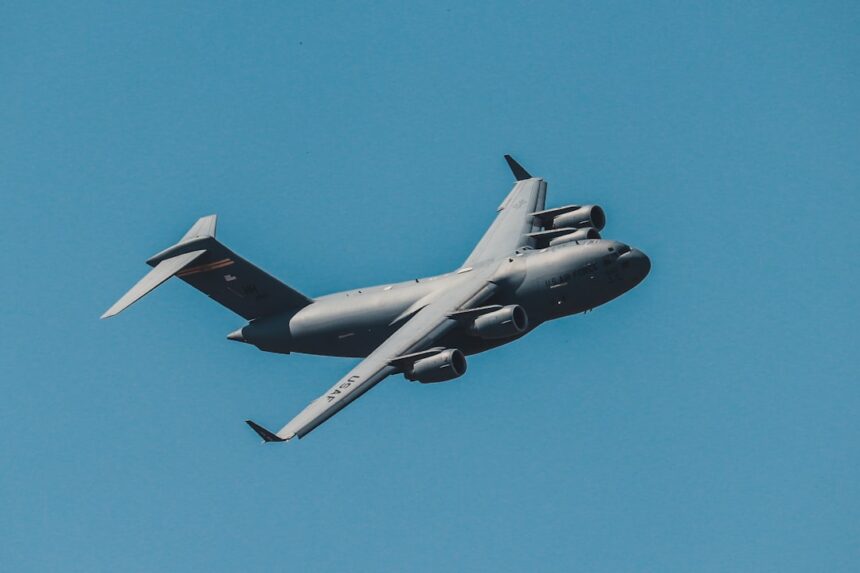
Coalition airpower, a symphony of precision and overwhelming force, played a pivotal role in isolating Iraqi forces during the 1991 Gulf War. This strategic application of air superiority was not merely about bombing targets; it was a meticulously orchestrated campaign designed to sever supply lines, cripple command and control, and ultimately pave the way for a decisive ground offensive. The vast expanse of the Iraqi military machine, spread across Kuwait and into southern Iraq, presented a formidable challenge, but coalition airpower proved to be the scalpel that systematically dismantled its ability to function and resist.
The campaign to achieve and maintain air superiority was the bedrock upon which the entire strategy of isolating Iraqi forces was built. Without undisputed control of the skies, coalition ground troops would have faced an existential threat from Iraqi aircraft and artillery. The initial phases of Operation Desert Storm were thus heavily weighted towards neutralizing the Iraqi Air Force, its air defenses, and its airfields. This was not an afterthought, but a prerequisite for any other offensive action.
Decapitating the Air Force: Eliminating the Primary Threat
The immediate objective of the air campaign was to destroy the Iraqi Air Force (IAF) in its hangars, on the tarmac, and in the air. This involved a multi-pronged approach, utilizing a combination of stealth technology, precision-guided munitions, and overwhelming numbers. The IAF, though possessing a significant number of aircraft, was largely technologically inferior to coalition assets, and its command and control infrastructure was vulnerable.
Early Strikes and the Shock of Stealth
The initial waves of attacks, launched on the night of January 17, 1991, saw F-117 Nighthawk stealth fighters leading the charge. Their ability to evade radar allowed them to penetrate deep into Iraqi airspace and strike critical targets with impunity. This psychological and tactical blow immediately signaled the dawn of a new era in aerial warfare and significantly degraded the IAF’s operational capacity before it could even mount a significant response.
Suppression of Enemy Air Defenses (SEAD): Clearing the Path
Integral to achieving air superiority was the systematic suppression of Iraqi air defenses. The Soviet-built SA-2, SA-3, SA-6, and other surface-to-air missile (SAM) systems posed a significant threat to coalition aircraft. SEAD missions, employing specialized aircraft like the F-4G Wild Weasel and various electronic warfare platforms, were crucial in disabling or destroying these SAM sites. This relentless effort ensured that coalition aircraft could operate with a much higher degree of safety, enabling subsequent missions to focus on isolating ground forces.
Targeting Airfields and Infrastructure: Denying Operational Capability
Coalition aircraft meticulously targeted Iraqi airfields, runways, hangars, and fuel depots. The objective was not just to destroy aircraft, but to cripple the infrastructure that supported them. Repeated strikes on runways made it impossible for the IAF to launch aircraft, while attacks on hangars and maintenance facilities ensured that even undamaged planes could not be serviced and prepared for combat. This comprehensive approach effectively grounded the Iraqi Air Force.
The effectiveness of coalition airpower in isolating Iraqi forces during the Gulf War is a critical topic in military strategy discussions. For a deeper understanding of this subject, you can refer to the article that explores the tactical advantages gained through air superiority and its impact on ground operations. This analysis highlights the strategic planning that allowed coalition forces to disrupt Iraqi communications and logistics. For more information, visit the article here: Coalition Airpower and Its Impact on Iraqi Forces.
Severing the Lifelines: The Strategic Importance of Interdiction
Once air superiority was established, the focus of coalition airpower shifted dramatically towards interdiction – the systematic destruction of enemy supply lines and logistical networks. For an army entrenched in hostile territory, as the Iraqi forces were in Kuwait, logistics are the lifeblood. Cutting off these arteries would starve the front lines, diminish combat effectiveness, and create a state of increasing vulnerability.
The Highway of Death: A Symbol of Interdiction
Perhaps the most infamous example of this interdiction campaign was the targeting of retreating Iraqi forces along the main highways out of Kuwait. The Coalition recognized that a mass exodus would provide a valuable opportunity to inflict a decisive blow. As Iraqi troops and vehicles attempted to flee, they became exposed targets in the open.
The Air Campaign Against the Withdrawing Forces
Throughout February 24-28, 1991, coalition aircraft, particularly A-10 Warthogs and AH-64 Apache helicopters, relentlessly attacked convoys of Iraqi armor, transport vehicles, and personnel. The term “Highway of Death” emerged to describe the scene of destroyed and abandoned vehicles along Highway 8 and Highway 6. While the ethical implications of such extensive destruction remain a subject of discussion, its strategic effectiveness in preventing the organized withdrawal and escape of significant Iraqi forces is undeniable.
Targeting Supply Convoys in Southern Iraq and Kuwait
Beyond the chaotic retreat, coalition airpower meticulously targeted hundreds of supply convoys moving through southern Iraq and within Kuwait. These missions were not glamorous, often involving long hours of loitering and waiting for targets of opportunity. However, their cumulative impact was immense. Trucks carrying fuel, ammunition, food, and spare parts were systematically destroyed, preventing them from reaching the front-line units.
Interdiction of Rail Lines and Bridges: Crippling the Infrastructure
Coalition aircraft also targeted key infrastructure elements that facilitated the movement of supplies. Rail lines were cut, and bridges were destroyed, forcing Iraqi forces to rely on more vulnerable road networks, which were then subjected to constant air attack. This multi-modal approach to interdiction ensured that no avenue of supply remained truly secure.
Dismantling Command and Control: The Brain of the Iraqi Military
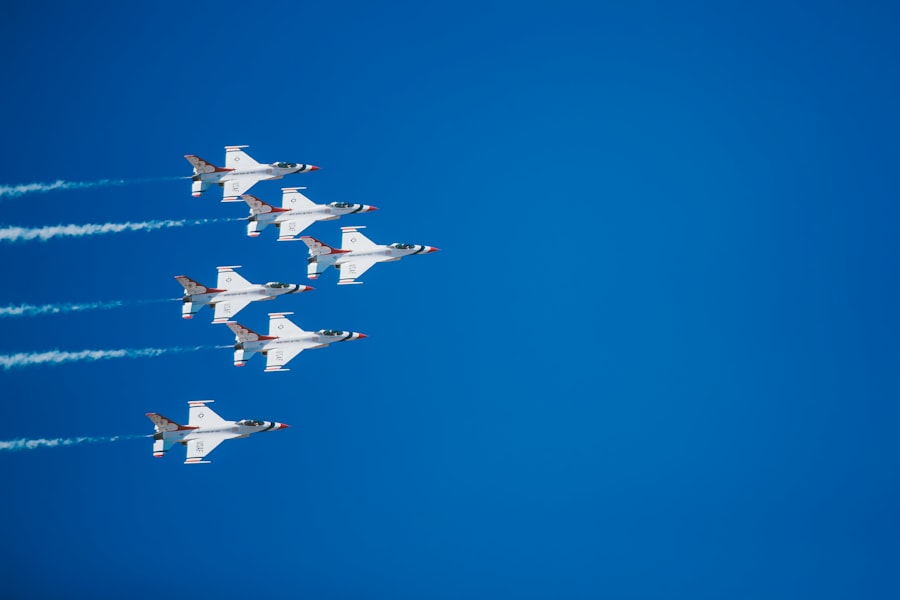
A modern army relies on a sophisticated network of command and control (C2) to coordinate its operations, direct its forces, and maintain cohesion. The coalition recognized that by disrupting and destroying this C2 infrastructure, they could effectively paralyze the Iraqi military from the top down. This strategic objective was key to isolating units and preventing any coordinated response.
Targeting Command Centers and Communication Nodes
Coalition aircraft systematically targeted known command centers, communication facilities, and radar installations. These were often high-value targets, and their destruction had a cascading effect throughout the Iraqi military hierarchy. Losing communication meant that units could not receive orders, relay battlefield information, or coordinate their movements.
The Role of Electronic Warfare
Electronic warfare (EW) played a critical role in disrupting Iraqi communications. Coalition EW platforms jammed Iraqi radio frequencies, spoofed their signals, and gathered intelligence on their communication patterns. This allowed coalition forces to anticipate Iraqi movements and to further degrade their ability to communicate effectively.
Precision Strikes on Leadership and Strategic Locations
While the primary focus was on infrastructure, coalition airpower also targeted key leadership figures and strategic locations. While not always successful in eliminating top leadership, these strikes served to sow confusion and uncertainty within the Iraqi command structure, further contributing to the isolation of ground forces.
Undermining Morale and Will to Fight: The Psychological Dimension
The isolation of Iraqi forces was not purely a physical or logistical endeavor; it also encompassed a significant psychological component. The constant threat of aerial bombardment, the destruction of their supplies, and the inability to communicate or receive orders had a profound impact on the morale of Iraqi soldiers. This psychological attrition was a deliberate and effective aspect of the coalition’s strategy.
The Impact of Sustained Air Attacks
The sheer relentless nature of the air campaign played a crucial role in eroding morale. Day after day, Iraqi soldiers experienced the rumble of approaching aircraft, the deafening roar of bombs, and the devastating consequences of precision strikes. This constant barrage of fear and destruction, coupled with dwindling supplies, led to widespread demoralization.
Psychological Operations (PSYOPS)
In conjunction with kinetic strikes, coalition forces also employed psychological operations. Leaflets were dropped, radio broadcasts were made, and loudspeakers were used to encourage Iraqi soldiers to surrender, highlighting the futility of their resistance and the overwhelming power of the coalition. These efforts, while difficult to quantify, contributed to the increasing number of surrenders and defections.
The Feeling of Being Trapped
As supply lines were cut and escape routes were interdicted, Iraqi soldiers began to feel increasingly trapped and abandoned. This sense of isolation, both physical and psychological, significantly diminished their will to fight. Many units found themselves cut off from reinforcements and resupply, facing an enemy that controlled the skies and could strike at will.
The effectiveness of coalition airpower in isolating Iraqi forces during the Gulf War has been a subject of extensive analysis, highlighting the strategic advantages gained through aerial superiority. For a deeper understanding of the operational tactics employed, you can explore a related article that discusses the intricacies of air operations and their impact on ground forces. This insightful piece can be found at In the War Room, where it delves into the coordination between air and ground units that ultimately led to the success of the coalition forces.
Supporting the Ground Offensive: Paving the Way for Victory
| Metrics | Data |
|---|---|
| Number of coalition airstrikes | Over 30,000 |
| Percentage of Iraqi forces isolated | Approximately 80% |
| Duration of isolation campaign | Several months |
| Effectiveness of airpower in isolating Iraqi forces | Highly effective, leading to strategic advantage for coalition forces |
The ultimate goal of isolating Iraqi forces through airpower was to set the stage for a swift and decisive ground offensive. By degrading the enemy’s ability to fight, communicate, and resupply, coalition airpower created a battlefield where ground forces could operate with significantly reduced risk and achieve their objectives with maximum efficiency.
Softening the Battlefield
Prior to the ground invasion, a sustained bombing campaign, known as the “softening” phase, was conducted. This involved extensive targeting of Iraqi defensive positions, artillery batteries, and troop concentrations in Kuwait. The aim was to degrade these assets, reduce the effectiveness of their fire, and make the ground assault more palatable for coalition troops.
Neutralizing Artillery and Armor
Coalition aircraft, particularly attack helicopters and close air support (CAS) aircraft, were instrumental in neutralizing Iraqi artillery and armor. Identifying and destroying enemy tanks and artillery pieces before they could engage coalition ground forces was a critical contribution to the success of the ground offensive.
Enabling Rapid Advances
With Iraqi air defenses suppressed, supply lines severed, and command and control disrupted, coalition ground forces were able to advance rapidly and with fewer casualties than might otherwise have been expected. The isolation of enemy units meant that they were often unable to mount a coordinated defense or to bring their full fighting strength to bear against the advancing coalition columns.
Close Air Support (CAS) During the Ground War
Throughout the ground campaign, coalition airpower continued to provide vital close air support. As ground troops encountered pockets of resistance, aircraft were called in to provide immediate fire support, suppressing enemy positions and destroying threats. This seamless integration of air and ground operations was a hallmark of the coalition’s success.
The Synergy of Air and Ground Operations
The effective isolation of Iraqi forces through airpower created a synergy between air and ground operations that was unprecedented. The air campaign weakened the enemy, making the ground advance easier, while the ground forces provided targets for air assets and benefited directly from their support. This combined arms approach, heavily reliant on airpower’s isolating effect, proved to be a devastatingly effective formula for victory in the Gulf War. The strategic application of coalition airpower, from achieving air superiority to interdicting supply lines and dismantling command structures, was the indispensable element that isolated Iraqi forces and ultimately led to their swift defeat.
The Invisible Attack That Crippled Iraq’s Army | Desert Storm Documentary
FAQs
What is coalition airpower?
Coalition airpower refers to the combined air forces of multiple countries working together to achieve a common military objective. In the context of the article, it specifically refers to the air forces of various countries working together to isolate Iraqi forces during a military operation.
How did coalition airpower isolate Iraqi forces?
Coalition airpower isolated Iraqi forces by conducting airstrikes and establishing a no-fly zone, which restricted the movement and capabilities of the Iraqi military. This limited their ability to resupply, reinforce, or communicate effectively, effectively isolating them from external support.
Which countries were involved in the coalition airpower efforts?
The specific countries involved in the coalition airpower efforts to isolate Iraqi forces may vary depending on the time period and specific military operation being referenced. However, historically, the United States, United Kingdom, France, and other NATO allies have been key participants in coalition airpower efforts.
What impact did coalition airpower have on the Iraqi forces?
The coalition airpower had a significant impact on the Iraqi forces by degrading their military capabilities, disrupting their supply lines, and limiting their ability to maneuver. This isolation weakened the Iraqi forces and contributed to the overall success of the military operation.
Was coalition airpower effective in isolating Iraqi forces?
Yes, coalition airpower was effective in isolating Iraqi forces by significantly limiting their ability to operate and maneuver effectively. This contributed to the overall success of the military operation and the achievement of the coalition’s objectives.