Coalition forces have successfully executed a series of strategic operations aimed at severely degrading and disrupting the communication networks of Iraqi forces. These actions, part of a broader military campaign, are designed to isolate enemy units, hinder their command and control capabilities, and ultimately pave the way for coalition advances on the ground. The effectiveness of these disruptions is multifaceted, impacting everything from tactical battlefield coordination to the strategic flow of information within the Iraqi military structure. This comprehensive approach to severing communication lines represents a critical element of modern warfare, leveraging technological superiority and precise targeting to achieve decisive operational advantages.
The ability to communicate is the lifeblood of any military force. It enables commanders to issue orders, troops to report on battlefield conditions, and logistical chains to function. Without effective communication, an army is effectively blinded and deafened, operating in isolation and susceptible to coordinated attacks. Coalition planners recognized this vulnerability early in the campaign and prioritized the systematic dismantling of Iraqi communication infrastructure. This strategic imperative is rooted in the fundamental principles of military doctrine, where information dominance is a prerequisite for battlefield success. By denying the enemy the ability to talk to itself, coalition forces gain a decisive advantage in maneuver, fire support, and the protection of their own personnel.
Understanding the Iraqi Communication Network
Before initiating disruptive operations, coalition intelligence efforts were heavily focused on understanding the intricacies of the Iraqi communication system. This involved mapping out the various layers of communication, from strategic command centers to tactical units operating at the front lines. Intelligence agencies worked to identify key nodes, frequencies, and encryption methods employed by the Iraqi military. This detailed understanding allowed for the development of targeted strategies, ensuring that efforts were directed at the most critical and vulnerable points within the network.
Strategic Command and Control Links
The highest levels of Iraqi command and control relied on a complex web of communication channels, including satellite links, long-range radio, and secure landlines. Disrupting these links aimed to prevent senior leadership from effectively directing the war effort, coordinating troop movements, and responding to evolving battlefield realities. The isolation of strategic command was a primary objective, as it would sow confusion and paralysis within the enemy’s decision-making apparatus.
Operational and Tactical Communication Channels
Below the strategic level, Iraqi forces utilized a range of communication methods for operational planning and tactical execution. This included battlefield radio nets for troop formations, mobile communication devices for unit commanders, and even less sophisticated methods like runners and visual signals in certain scenarios. Targeting these operational and tactical channels was crucial for fragmenting enemy units, preventing them from massing forces, and allowing coalition ground troops to engage isolated pockets of resistance with greater ease.
The Methods of Disruption: A Multifaceted Approach
Coalition forces employed a diverse array of tactics and technologies to achieve their communication disruption objectives. These methods were not only designed to be effective but also to minimize collateral damage and civilian impact where possible. The intelligence gathered prior to the campaign informed the selection of the most appropriate tools and techniques for each specific target.
Electronic Warfare and Jamming Operations
Electronic warfare (EW) played a pivotal role in disrupting Iraqi communications. Coalition forces utilized sophisticated jamming equipment to inundate enemy radio frequencies with noise, rendering them unusable. This included broad-spectrum jamming to blanket large areas and more precise jamming directed at specific communication nodes or frequencies identified by intelligence. The goal was to create an environment of radio silence for Iraqi forces, forcing them to rely on less effective and more vulnerable communication methods.
Tactical Jamming Platforms
Various platforms, from ground-based vehicles to airborne aircraft and unmanned aerial vehicles (UAVs), were equipped with jamming capabilities. These platforms could be deployed close to the front lines to disrupt immediate battlefield communications, or operate at higher altitudes to affect broader communication networks. The agility and range of these EW assets allowed for dynamic targeting and adaptation to changing enemy communication patterns.
Strategic Jamming Assets
For the disruption of higher-level command and control, coalition forces employed more powerful and far-reaching jamming capabilities. These might include naval vessels or specialized aircraft with sophisticated EW suites capable of targeting satellite communications or extensive terrestrial radio networks. The aim here was to cripple the enemy’s ability to communicate across vast distances and coordinate large-scale operations.
Kinetic Attacks on Communication Infrastructure
In addition to electronic warfare, coalition forces employed kinetic means to physically destroy critical communication infrastructure. This included precision-guided munitions targeted at communication towers, relay stations, and command centers. By eliminating these physical assets, the coalition ensured a more permanent disruption of Iraqi communication capabilities.
Targeting of Command and Control Centers
High-value targets included the physical locations where Iraqi commanders and their staff operated and communicated. These centers were often well-defended, requiring careful intelligence gathering and precise targeting to neutralize them without excessive risk to coalition forces or undue civilian casualties. The destruction of these centers would have a cascading effect, impacting all levels of communication flowing through them.
Destruction of Relay Stations and Towers
Communication networks rely on a series of relay stations and towers to transmit signals over distances. These often less defended, but vital, infrastructure points were systematically targeted by coalition airpower and artillery. Their destruction would create significant gaps in the Iraqi communication grid, isolating units and preventing the flow of information.
Cyber Warfare and Information Operations
Beyond physical and electronic disruption, coalition forces also leveraged cyber warfare and information operations to undermine Iraqi communications and morale. This involved efforts to disrupt enemy computer networks, intercept and manipulate communications, and disseminate information designed to confuse and demoralize Iraqi forces.
Network Infiltration and Disruption
Coalition cyber units worked to infiltrate Iraqi military networks, disrupting their operations, stealing valuable intelligence, and potentially introducing misinformation. This could involve targeting command and control systems, logistics networks, or any other digital infrastructure essential for military operations.
Information Dissemination and Deception
Information operations aimed to shape the perceptions of Iraqi forces and the civilian population. This could involve broadcasting messages of surrender, highlighting coalition successes, or spreading disinformation to create confusion and distrust within the Iraqi ranks. The goal was to further degrade the enemy’s ability to operate cohesively.
In the context of military operations, the disruption of Iraqi communications by coalition forces played a crucial role in undermining the enemy’s coordination and effectiveness. For a deeper understanding of the strategies employed and their impact on the battlefield, you can read a related article on this topic at In the War Room. This resource provides valuable insights into the tactics used by coalition forces to gain a strategic advantage during the conflict.
Impact on Iraqi Military Operations
The successful disruption of Iraqi communications has had a profound and tangible impact on the conduct of military operations on the ground. Without the ability to communicate effectively, Iraqi forces have found themselves isolated, disoriented, and unable to mount coordinated resistance. This has created significant advantages for coalition forces in their advance and has contributed to a higher rate of enemy surrenders.
Isolation of Enemy Formations
One of the most immediate consequences of communication disruption is the isolation of enemy formations. Without the ability to call for reinforcements, coordinate artillery fire, or even report their positions, Iraqi units have found themselves cut off from their support networks. This makes them vulnerable to being surrounded and overwhelmed by coalition ground forces, who can engage them piecemeal.
Disconnected Units on the Battlefield
The fragmentation of the Iraqi military has been a direct result of severed communication lines. Units that were once part of a larger, coordinated force are now operating in isolation, often unaware of the disposition of friendly or enemy forces. This lack of situational awareness severely hampers their ability to react to threats or exploit opportunities.
Hindrance to Reinforcement and Resupply
The inability to communicate also prevents Iraqi forces from requesting or receiving reinforcements and resupply. This is a critical blow to their logistical capabilities, as units become increasingly depleted of ammunition, fuel, and other essential supplies. The isolation of these units effectively neuters their ability to sustain a prolonged engagement.
Impaired Command and Control
The disruption of communications directly translates to impaired command and control within the Iraqi military. Commanders at all levels struggle to maintain oversight of their forces, issue effective orders, and adapt to the fluid nature of the battlefield. This leads to a breakdown in military discipline and a decline in operational effectiveness.
Delayed or Non-Existent Orders
Orders that might have been issued in a timely manner through robust communication channels are now significantly delayed or never received at all. This leads to confusion on the battlefield, with units acting without clear direction or failing to execute critical maneuvers.
Lack of Situational Awareness for Commanders
Iraqi commanders have been deprived of vital real-time intelligence from their subordinate units. This lack of situational awareness makes it impossible for them to make informed decisions, leading to miscalculations and a failure to effectively counter coalition advances. They are essentially operating blind.
In the context of military operations, the disruption of Iraqi communications by coalition forces played a crucial role in undermining the effectiveness of enemy strategies. This tactic not only hindered the flow of information but also created confusion among Iraqi troops. For a deeper understanding of the implications of these actions, you can read a related article that explores the broader impact of communication disruption in warfare. The article provides insights into how such strategies have been employed historically and their significance in modern conflicts. To learn more, visit this article.
Increased Enemy Surrenders and Capture Rates
The disorientation and isolation caused by communication disruption have led to a significant increase in the number of Iraqi soldiers surrendering to coalition forces. Facing overwhelming odds, cut off from support, and unable to communicate their plight, many have chosen to lay down their arms. This not only reduces casualties on both sides but also provides valuable intelligence to coalition forces.
Reduced Willingness to Fight
When facing an enemy that is seemingly everywhere and nowhere, and when their own ability to coordinate and defend themselves is crippled, the morale and willingness of Iraqi soldiers to continue fighting are significantly eroded. The psychological impact of this isolation should not be underestimated.
Tactical Advantages for Coalition Ground Forces
For coalition ground troops, the disruption of enemy communications translates into a significant tactical advantage. They can advance with greater confidence, knowing that the enemy is less likely to mount a coordinated counter-attack or call for effective support. This allows for more decisive maneuvers and a reduced risk of being caught in an ambush.
Technological Superiority as a Force Multiplier

The success of coalition operations in disrupting Iraqi communications is a testament to the advanced technological capabilities employed. From sophisticated electronic warfare systems to precision-guided munitions and advanced cyber capabilities, these technologies have acted as force multipliers, amplifying the effectiveness of coalition forces.
Advanced Electronic Warfare Systems
Coalition forces possess a suite of highly advanced electronic warfare systems capable of detecting, identifying, and jamming a wide range of enemy communication frequencies. These systems are often integrated with intelligence, surveillance, and reconnaissance (ISR) assets, allowing for real-time identification and targeting of enemy communication emitters.
Spectrum Management and Analysis
Sophisticated software and hardware allow for real-time analysis of the electromagnetic spectrum, identifying enemy communication patterns and vulnerabilities. This enables coalition EW operators to adapt their jamming techniques and focus on the most critical enemy transmissions.
Counter-Targeting and Adaptive Jamming
Modern EW systems are designed to be adaptive, able to adjust their jamming techniques in response to enemy countermeasures or changes in transmission patterns. This ensures persistent disruption and prevents the enemy from easily circumventing jamming efforts.
Precision-Guided Munitions
The ability to deliver precision-guided munitions with a high degree of accuracy has been crucial in targeting Iraqi communication infrastructure with minimal collateral damage. This allows for the neutralization of key communication nodes without widespread destruction of surrounding areas.
Reduced Risk of Civilian Casualties
By targeting specific, identified communication infrastructure, coalition forces aim to minimize the risk of civilian casualties. This is a critical aspect of modern warfare, balancing military objectives with humanitarian concerns.
High Probability of Target Neutralization
The accuracy of precision-guided munitions ensures a high probability of successfully neutralizing the intended communication targets, leading to a more decisive disruption of the enemy’s network.
Intelligence, Surveillance, and Reconnaissance (ISR) Dominance
The effectiveness of communication disruption operations is heavily reliant on robust ISR capabilities. Coalition forces maintain a constant stream of intelligence from a variety of sources, allowing them to identify enemy communication nodes, track their movements, and assess the impact of their disruption efforts.
Satellite Imagery and Signals Intelligence
Satellites provide high-resolution imagery of potential communication sites, while signals intelligence (SIGINT) intercepts enemy transmissions, providing valuable data on their communication methods, locations, and operational patterns.
Unmanned Aerial Vehicles (UAVs) and Drones
UAVs offer persistent surveillance capabilities, allowing coalition forces to monitor enemy activity in real-time and identify emerging communication threats or opportunities for disruption. They can also be equipped with electronic warfare payloads for immediate jamming.
Broader Strategic Implications and Future Warfare

The successful disruption of Iraqi communications by coalition forces carries significant strategic implications, not only for the immediate conflict but also for the future of warfare. This campaign has underscored the critical importance of information dominance and the effectiveness of leveraging technological superiority to achieve decisive outcomes.
The Importance of Information Dominance
This campaign has served as a stark reminder that in modern warfare, controlling the flow of information is as crucial as controlling territory or air space. The ability to deny the enemy communication and intelligence, while simultaneously maintaining your own information superiority, creates an insurmountable advantage. Future conflicts will likely see an even greater emphasis on achieving and maintaining this information dominance.
Cyber Warfare as a Battlefield Domain
The integration of cyber warfare capabilities alongside traditional kinetic and electronic warfare operations highlights the evolving nature of conflict. Cyber attacks on communication networks, command systems, and critical infrastructure are likely to become increasingly common and sophisticated.
The Blurring Lines Between Warfare Domains
The interconnectedness of physical, electronic, and cyber domains means that operations in one area can have profound impacts on others. Future military planning will need to consider these complex interdependencies to achieve holistic strategic objectives.
Lessons Learned for Future Military Operations
The experiences gained in disrupting Iraqi communications will undoubtedly inform the doctrine and tactics of militaries worldwide. The emphasis on intelligence-driven targeting, the integrated use of diverse technological capabilities, and the understanding of the psychological impact of communication isolation are all crucial lessons for future engagements.
Proactive Identification and Neutralization of Enemy Networks
Future military planning will likely involve even more comprehensive and proactive efforts to identify and neutralize enemy communication networks before hostilities even begin. This could involve pre-emptive cyber attacks or persistent electronic surveillance.
The Development of More Agile and Adaptable EW Capabilities
As adversaries develop countermeasures, there will be a continued need for electronic warfare systems that are highly agile, adaptable, and capable of rapid re-tasking to counter evolving threats.
The Role of Technology in Modern Conflict
This operation has solidified the role of technology as a primary enabler of military success. The ability to deploy advanced systems, integrate them seamlessly, and leverage them effectively is paramount for achieving strategic objectives with reduced risk and greater efficiency. The arms race in technological superiority will continue to shape the landscape of future conflicts.
The disruption of Iraqi communications is not merely a tactical maneuver; it is a strategic imperative that has fundamentally altered the dynamics of the conflict. By severing the nerve endings of the Iraqi military, coalition forces have achieved a critical advantage, demonstrating the power of information dominance and technological superiority in modern warfare. This campaign serves as a potent case study for the future, underscoring the enduring truth that in war, as in life, the ability to communicate – or to deny that ability to an adversary – can be the decisive factor.
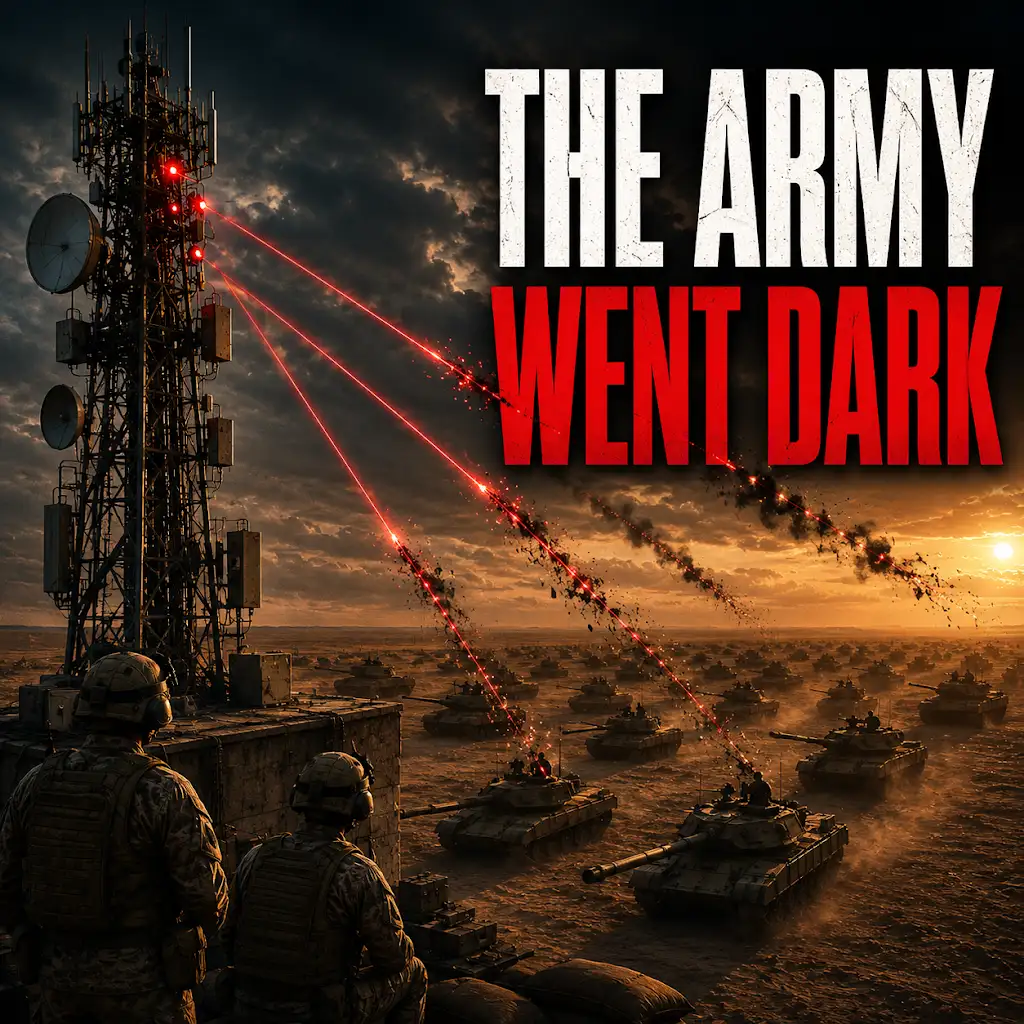
The Invisible Attack That Crippled Iraq’s Army | Desert Storm Documentary
FAQs
What is the purpose of disrupting Iraqi communications?
The purpose of disrupting Iraqi communications was to hinder the ability of Iraqi forces to coordinate and communicate effectively, thereby weakening their ability to resist coalition forces.
How did coalition forces disrupt Iraqi communications?
Coalition forces disrupted Iraqi communications through a variety of methods, including electronic warfare, jamming of radio frequencies, and targeted strikes on communication infrastructure.
What impact did the disruption of Iraqi communications have on the conflict?
The disruption of Iraqi communications had a significant impact on the conflict, as it hindered the ability of Iraqi forces to coordinate and respond to coalition military actions, ultimately weakening their overall effectiveness.
Were there any legal or ethical considerations in disrupting Iraqi communications?
The disruption of Iraqi communications was conducted within the framework of international law and the rules of armed conflict, with the aim of minimizing civilian casualties and damage to civilian infrastructure.
What were the long-term effects of disrupting Iraqi communications?
The long-term effects of disrupting Iraqi communications included weakening the Iraqi military’s ability to resist coalition forces, contributing to the eventual overthrow of the Iraqi government and the subsequent occupation of the country.