The frigid, inky waters of the Atlantic held their breath, a silent witness to a drama unfolding deep beneath the waves. The year was 1962, a period etched in global memory as the Cuban Missile Crisis, a time when the world teetered precariously on the brink of nuclear annihilation. While the public’s gaze was fixed on the tense political machinations and the aerial ballet of reconnaissance flights, a far more visceral and terrifying close call was unfolding in the silent, claustrophobic confines of a Soviet submarine. This is the story of B-59, a vessel carrying not just men, but the terrifying potential of global destruction, and the moment it nearly unleashed hell.
A World Held Hostage
The Cuban Missile Crisis, a thirteen-day confrontation between the United States and the Soviet Union, began on October 16, 1962, when American U-2 spy planes discovered Soviet ballistic missile bases under construction in Cuba. This revelation sent shockwaves through Washington and the international community, igniting fears of a direct nuclear exchange. The United States responded by imposing a naval blockade, or “quarantine,” around Cuba, preventing further Soviet military shipments. The ensuing standoff was characterized by a series of escalating tensions, diplomatic brinkmanship, and a palpable sense of impending doom that permeated every corner of the globe. The world watched, holding its breath, as two nuclear superpowers engaged in a dangerous game of chicken.
The Soviet Perspective: A Defensive Stance
For the Soviet Union, the placement of missiles in Cuba was seen as a strategic imperative. Following the U.S. deployment of Jupiter missiles in Turkey, which directly threatened Soviet territory, Premier Nikita Khrushchev sought to level the strategic playing field. From Moscow’s perspective, the missiles in Cuba were a deterrent, a way to counter American aggression and protect a socialist ally from potential invasion. However, the secrecy surrounding the operation and the rapid escalation of the crisis caught many on the ground, including the crews of the submarines tasked with defending Soviet interests, completely off guard.
The Isolation of the Deep
Deep beneath the ocean’s surface, cut off from all communication with the outside world, the crews of Soviet submarines operating during the crisis were a world apart. Their existence was defined by the cramped, damp confines of their vessels, the constant hum of machinery, and the ever-present awareness of their deadly cargo. The lack of reliable communication meant they were often operating on incomplete or outdated information, making critical decisions in an atmosphere of profound uncertainty. This isolation, coupled with the extreme stress of the situation, created a fertile ground for the near-catastrophic events that would soon unfold.
In a tense moment during the Cuban Missile Crisis, the Soviet submarine B-59 came perilously close to launching a nuclear torpedo, a decision that could have escalated the conflict into a full-scale nuclear war. The submarine’s crew, under immense pressure and with limited communication, believed they were under attack and debated whether to use their nuclear weapon in self-defense. For a deeper understanding of this critical event and its implications, you can read more in the related article on this topic at In The War Room.
Introducing the B-59: A Vessel of Deterrence
A Fleet Submarine on a Dangerous Mission
The B-59 was a Project 641 (Foxtrot-class) diesel-electric submarine, a workhorse of the Soviet Navy. Designed for long patrols and the detection and engagement of enemy naval forces, it was a formidable vessel for its time. However, during the heightened tensions of the Cuban Missile Crisis, the B-59 was tasked with a mission far more critical and perilous than its standard operational parameters. It was equipped with nuclear torpedoes, a chilling testament to the extreme measures considered by both sides during the Cold War. The crew aboard B-59, like many others, was unaware of the full extent of the crisis unfolding above.
The Crew Under Duress
The crew of the B-59 was comprised of seasoned submariners, men accustomed to the rigors of extended patrols and the inherent dangers of their profession. However, the conditions during the Cuban Missile Crisis were unprecedented. The submarine was operating in an area patrolled by American naval forces, a fact that was becoming increasingly evident. The pressure of constantly evading detection, coupled with the limited supplies and the psychological toll of prolonged submersion, began to take its toll on the men. The heat, the cramped quarters, and the constant threat of discovery created an environment of immense stress.
The Deadly Payload: Nuclear Torpedoes
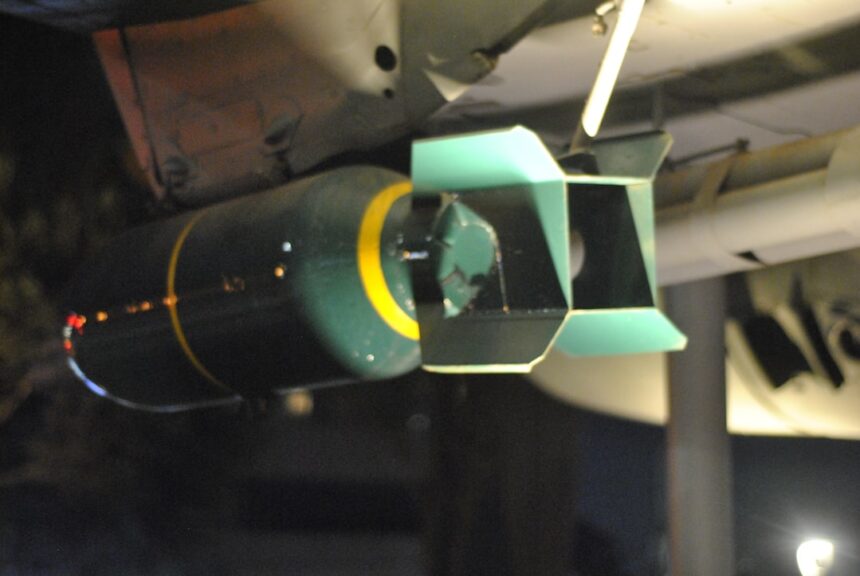
The most significant and terrifying aspect of the B-59’s mission was its armament. It carried three nuclear torpedoes, each capable of unleashing devastation on a scale previously unimaginable. These were not conventional weapons; they were instruments of mass destruction designed to inflict catastrophic damage. The knowledge that such power was onboard, in the hands of a crew operating under extreme duress and with limited information, adds a chilling dimension to the events that transpired. The presence of these weapons amplified the stakes of any encounter with enemy forces.
The Confrontation: A Game of Cat and Mouse
The American Net Tightens
As the U.S. Navy implemented its blockade, American warships relentlessly searched for Soviet submarines operating in the area. The B-59, like other Soviet vessels, was under orders to remain undetected. However, the American destroyers were employing a new tactic: depth charges. These were not intended as lethal attacks but as signals, designed to force submarines to surface. The theory was that a series of non-lethal charges would convince a submarine to reveal itself without initiating a direct act of war. However, for the submerged crew, these explosions were terrifying and disorienting.
The Unwanted Welcome
On October 27, 1962, the B-59 found itself in the unenviable position of being hunted by American destroyers. The submarine was attempting to evade detection, operating at its maximum depth, when the jarring explosions of depth charges began to rock the vessel. The shocks reverberated through the hull, causing the lights to flicker and the crew to be thrown from their bunks. For the men on board, these were not mere signals; they were perceived as direct attacks, a hostile act of aggression. The lack of clear communication with the outside world meant they had no way of knowing the true intent behind the explosions.
The Psychological Toll
The relentless barrage of depth charges had a profound psychological impact on the crew of the B-59. The claustrophobic environment of the submarine, already a source of stress, was amplified by the constant threat of attack. The men were experiencing extreme heat, with temperatures soaring due to the running machinery and the confined space. Their oxygen levels were also becoming a concern. In this state of physical and mental exhaustion, the perceived attacks from the American destroyers pushed them to their breaking point.
The Decision Point: The Nuclear Option
The Captain’s Dilemma: Vasili Arkhipov’s Role
At the heart of this near-disaster was Captain Valentin Savitsky, the commanding officer of the B-59. Faced with what he believed to be a direct attack and with no reliable communication to verify the situation, Savitsky felt immense pressure to retaliate. However, the B-59 carried a nuclear torpedo, and launching it would have been an act of war with potentially catastrophic consequences. Fortunately, the decision to arm and launch a nuclear weapon was not solely Savitsky’s. The submarine carried two other officers who also had to agree: the political officer Ivan Maslennikov and the second-in-command, Vasili Arkhipov.
The Heated Debate: Three Men and a Nuclear Torpedo
The atmosphere within the command center of the B-59 was electric with tension. Captain Savitsky, convinced they were under attack, argued vehemently for the launch of the nuclear torpedo. He believed this was the only way to defend the submarine and retaliate against the perceived aggression. Ivan Maslennikov, the political officer, supported Savitsky’s view, his loyalty to the Soviet leadership and his belief in defending Soviet honor overriding any reservations. However, Vasili Arkhipov, the flotilla commander who happened to be aboard the B-59 during this patrol, took a different stance.
The Voice of Reason: Arkhipov’s Prudence
Arkhipov, a calm and experienced submariner, recognized the gravity of the situation and the immense implications of firing a nuclear weapon. He understood that the depth charges were likely signals and that a retaliatory nuclear strike would almost certainly trigger a full-scale nuclear war. He argued passionately against Savitsky’s rash decision, appealing to logic and the devastating consequences of such an action. His reasoned arguments, coupled with his authority as a senior officer, began to sway the situation.
The tense standoff during the Cuban Missile Crisis brought the world to the brink of nuclear war, and one of the most alarming incidents involved the Soviet submarine B-59, which nearly launched a nuclear torpedo. This harrowing event is detailed in a compelling article that explores the circumstances surrounding the submarine’s decision-making process and the critical moments that prevented a catastrophic escalation. For a deeper understanding of this pivotal moment in history, you can read more about it in this insightful piece here.
The Aftermath and Legacy: A World Unaware
| Reason | Metric |
|---|---|
| Confusion | Thought they were under attack |
| Communication | Difficulty in relaying orders |
| Equipment | Malfunction of the torpedo launch system |
| Training | Lack of proper training for high-stress situations |
Averting Catastrophe: The Path to De-escalation
Through sheer force of will and persuasive argument, Vasili Arkhipov managed to convince Captain Savitsky to stand down. The consensus was not reached easily, and the tension remained palpable. However, the decision was made not to launch the nuclear torpedo. Instead, the B-59 was eventually ordered to surface and head back to Soviet waters. The immediate threat of nuclear war, at least from this particular submarine, had been averted. The crew, exhausted and shaken, had narrowly avoided becoming the catalyst for global destruction.
The Unsung Hero: Vasili Arkhipov’s Quiet Courage
Vasili Arkhipov is largely unknown to the public, a quiet hero whose actions likely saved millions of lives. His composure under extreme pressure, his ability to reason through a seemingly impossible situation, and his moral courage in challenging his superior officer are testaments to his character. He stood between the world and nuclear Armageddon, a lone voice of reason in a storm of fear and aggression. His story is a stark reminder that even in the face of overwhelming pressure, individual choices can have monumental consequences.
The Lessons Learned: A Cold War Reminder
The near-firing of the nuclear torpedo from the B-59 serves as a chilling and vital reminder of the dangers inherent in the Cold War. It highlights the fragility of peace when nuclear weapons are involved and the critical importance of clear communication, de-escalation, and the presence of individuals willing to exercise restraint in times of crisis. The event underscores how easily a misunderstanding, a miscalculation, or an overreaction could have plunged the world into unthinkable devastation. It is a story that continues to resonate, a stark warning from history about the ever-present threat of nuclear war and the importance of vigilance. The B-59’s story is not just a footnote in the Cuban Missile Crisis; it is a pivotal moment that underscores how close humanity came to the edge.
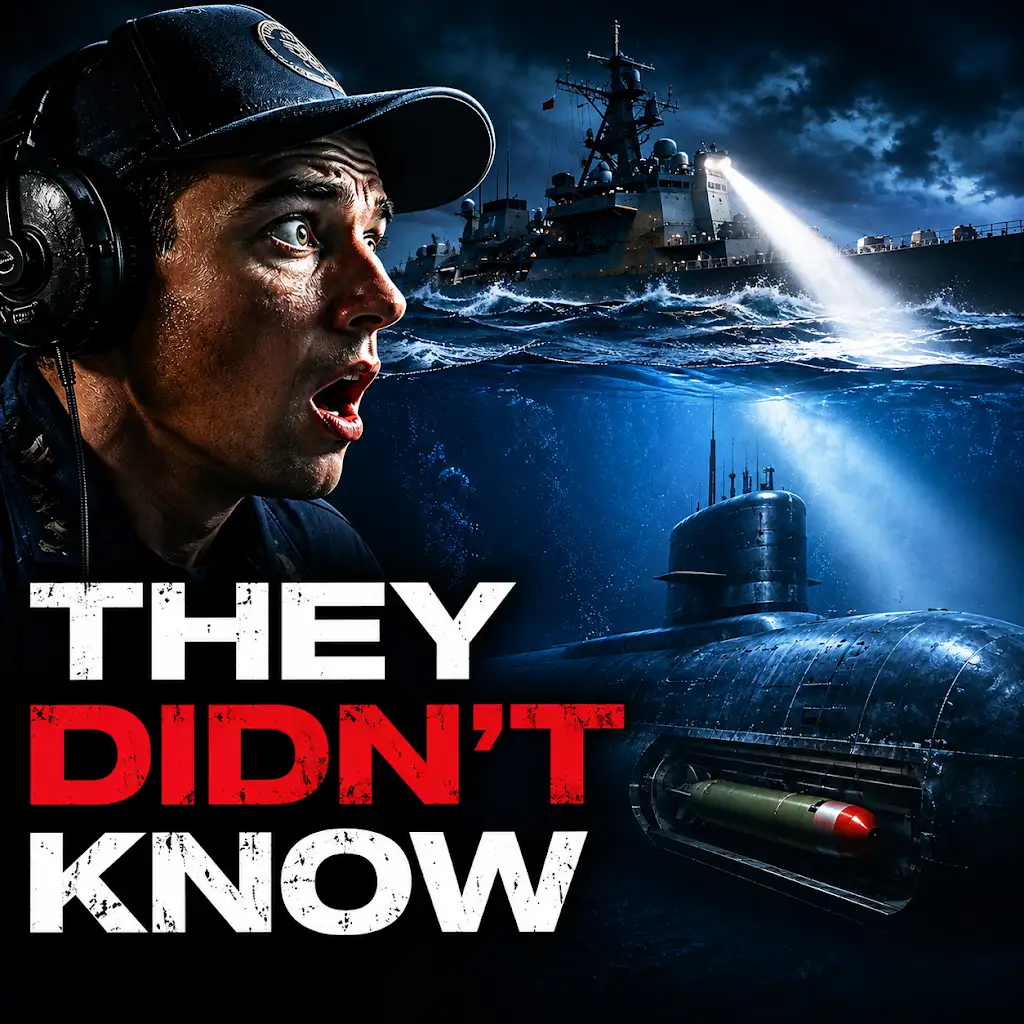
The U.S. Navy Didn’t Know This Submarine Had a Nuclear Torpedo
FAQs
What is B-59?
B-59 was a Soviet submarine during the Cold War era, specifically a Project 641 or Foxtrot-class submarine.
Why did B-59 nearly fire a nuclear torpedo?
During the Cuban Missile Crisis in 1962, B-59 was in the Caribbean Sea and was being depth-charged by US Navy forces. The submarine was out of communication with Moscow and the crew believed that war had already broken out. They prepared to fire a nuclear torpedo in self-defense.
What prevented B-59 from firing the nuclear torpedo?
The decision to fire the nuclear torpedo required the unanimous consent of three senior officers on board. One of these officers, Vasili Arkhipov, dissented, preventing the launch of the nuclear torpedo and potentially averting a nuclear war.
What were the consequences of the B-59 incident?
The B-59 incident highlighted the extreme tensions and potential for miscalculation during the Cuban Missile Crisis. It also led to increased communication protocols between Soviet submarines and Moscow, as well as a greater emphasis on avoiding accidental nuclear war.
How did the B-59 incident impact the Cold War?
The B-59 incident served as a sobering reminder of the dangers of nuclear brinkmanship and the potential for catastrophic consequences. It also contributed to a thaw in US-Soviet relations and paved the way for future arms control agreements.