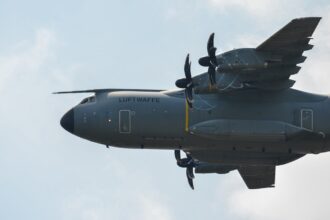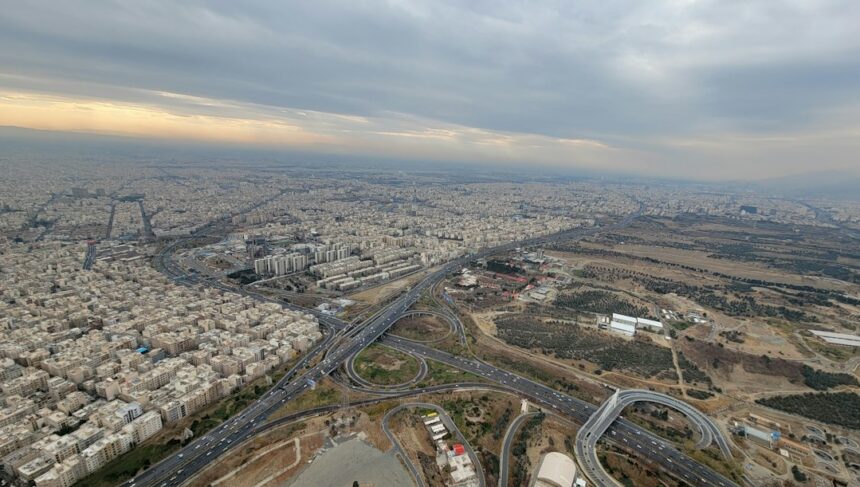
The clandestine planning surrounding the C-130 Hercules landing at Tehran’s Azadi Stadium, a maneuver shrouded in secrecy and immense risk, represents a critical juncture in various hypothetical scenarios. While specific details of any such operation would be classified, an examination of the logistical and safety considerations involved reveals the extraordinary planning and execution required. This analysis delves into the potential key elements and the stringent safety measures that would have been paramount for such a daring mission. The objective of this exploration is to understand the complexities inherent in such a high-stakes operation, highlighting the meticulous preparation and the critical decision-making processes that would have been essential for survival and success.
Strategic Rationale and Objective Definition
The decision to land a C-130 aircraft within the confines of a populated urban stadium like Azadi in Tehran would not be undertaken lightly. Such an unconventional approach points to a scenario where conventional landing strips are inaccessible or compromised, necessitating a desperate, high-impact solution. The strategic rationale would be intrinsically linked to the overarching objective of the mission.
Urgent Infiltration or Exfiltration
The primary driver for such a landing would likely be the urgent need to infiltrate a specialized team or exfiltrate personnel or critical assets from a highly secure or contested zone within Tehran. Time would be of the essence, and a stadium offers a relatively open, albeit enclosed, space that could potentially be reached when traditional airport access is impossible due to enemy control, political instability, or natural disaster. The directness of a stadium landing minimizes travel time once on the ground, bypassing potential checkpoints and ground-based threats.
Precision Strike or Rescue Operation
Alternatively, the landing could be a component of a broader operation requiring immediate proximity to a specific target or extraction point. Imagine a scenario where a high-value target is located within walking distance of Azadi Stadium, or a critical rescue mission demands rapid deployment and egress. The C-130, while not a tactical fighter, offers significant payload capacity, allowing for the transport of specialized equipment, personnel, or even a small vehicle, which could be immediately utilized upon landing.
Creating a Diversion or Symbolic Act
In a more audacious plan, the landing itself could serve as a primary objective: creating a massive diversion or performing a highly symbolic act of defiance or liberation. The sheer shock value of a military transport aircraft landing in the heart of a major city’s sporting venue would undoubtedly command global attention and disrupt enemy operations through confusion and panic. The psychological impact of such an event cannot be overstated.
The recent Tehran stadium landing plan for the C-130 aircraft has sparked significant interest among aviation enthusiasts and military strategists alike. For a deeper understanding of the implications and technical details surrounding this operation, you can refer to a related article that provides comprehensive insights. To read more, visit this article.
Site Assessment and Preparatory Measures
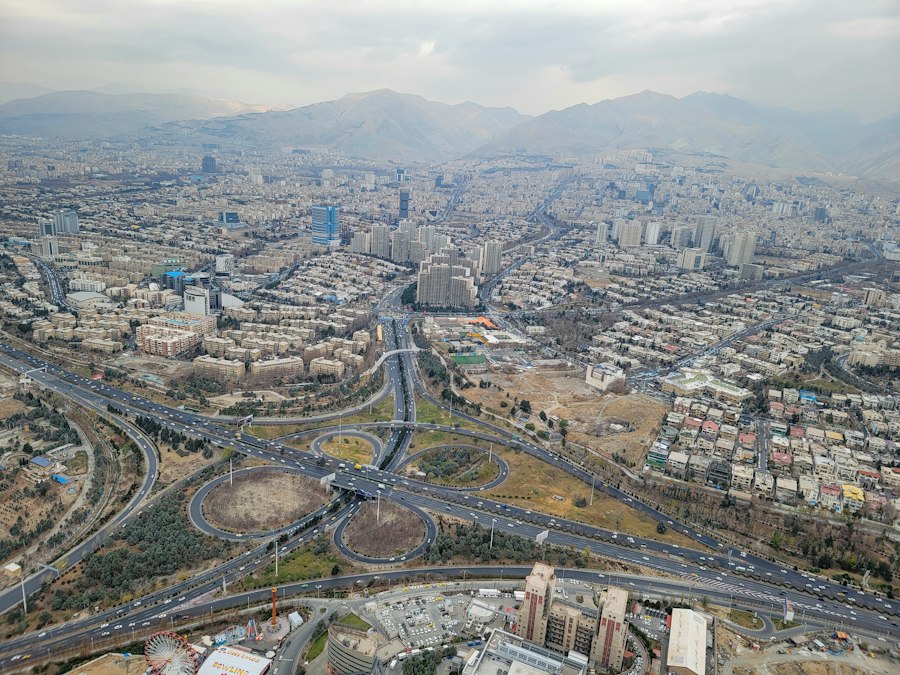
The feasibility of landing a C-130 in Azadi Stadium hinges on an exhaustive site assessment and meticulous preparatory measures, transforming a sporting arena into a makeshift, albeit perilous, landing zone.
Stadium Infrastructure Analysis
A detailed analysis of Azadi Stadium’s infrastructure would be paramount. This includes the dimensions of the playing field, the surrounding seating capacity, and the proximity of any permanent structures, such as floodlights, scoreboards, or maintenance buildings. The length and width of the field would be critical for determining if a C-130, with its considerable wingspan and landing gear requirements, could physically fit and maneuver. The integrity of the turf and the underlying ground would also need to be assessed for its ability to withstand the immense weight and pressure of a landing aircraft.
Obstacle Identification and Mitigation
Identifying and mitigating potential obstacles would be a top priority. This would involve a comprehensive survey of the stadium’s exterior and interior for any structures that could pose a collision risk during approach, landing, or taxiing. Floodlight towers, signage, and even the stadium’s roofline would require careful consideration. In many instances, temporary obstacles might need to be removed or modified, a complex logistical challenge in a populated city. The potential for debris on the field, such as discarded seating or maintenance equipment, would also need to be cleared.
Surface Preparation and Reinforcement
The turf of Azadi Stadium, designed for athletic events, is unlikely to be able to support the concentrated weight of a C-130’s landing gear without significant reinforcement. This might involve laying down heavy-duty matting, such as interlocking steel plates or specialized composite materials, across the intended landing path and the entire playing field. The objective would be to distribute the aircraft’s weight and prevent catastrophic ground penetration, which could lead to gear collapse and the destruction of the aircraft. The depth and type of reinforcement would be dictated by the aircraft’s weight and the sub-surface conditions.
External Support and Control
The success of the landing would also depend on external support and precise control of the surrounding environment. This would involve establishing a clear air corridor for the C-130’s approach, potentially requiring temporary disruption of civilian air traffic in the vicinity. Ground control would need to be established to guide the aircraft, manage emergency services, and ensure the safety of any spectators or personnel in the stadium or its immediate surroundings. This might necessitate the coordinated efforts of military air traffic controllers, ground crews, and local law enforcement.
Aircraft Modification and Operational Protocols
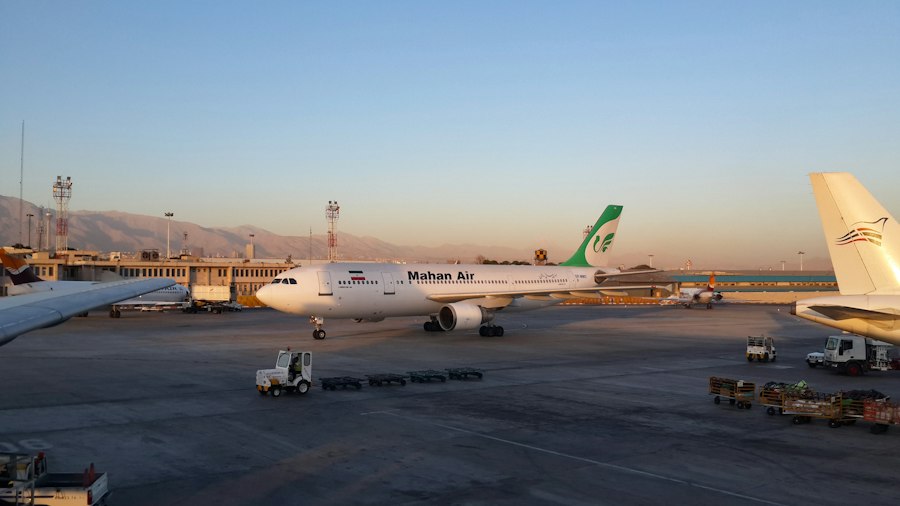
The standard C-130 Hercules, while robust, would likely require specific modifications and the implementation of highly specialized operational protocols to execute a landing in such an unconventional environment.
Enhanced Maneuverability Systems
Given the confined space and potential for crosswinds within a stadium, enhanced maneuverability systems might be a crucial consideration. While the C-130 possesses excellent short-field landing capabilities, modifications could include advanced fly-by-wire systems for finer control, potentially even thrust-vectoring capabilities for increased agility during the final approach and landing phase. Redundant systems for yaw control and braking would also be essential.
Specialized Landing Gear and Braking
The landing gear of the C-130 would be subjected to extreme stresses. It might be reinforced with stronger struts and wider tires to better distribute the weight and provide more stability on potentially uneven or unprepared surfaces. Furthermore, the braking system would likely be enhanced, potentially incorporating military-grade braking chutes or even experimental braking technologies to ensure rapid deceleration within the limited runway length of the stadium field. The objective is to bring the aircraft to a safe stop in the shortest possible distance.
Crew Training and Simulation
The aircrew tasked with this mission would undergo rigorous and extensive training. This would go far beyond standard C-130 operations. Realistic simulations would be crucial, recreating the unique challenges of landing in a stadium environment. This would involve varying wind conditions, potential obstacles appearing on the field, and the pressure of executing a perfect landing under extreme duress. Crew coordination, communication protocols, and decision-making under pressure would be heavily emphasized. Each crew member’s role would be meticulously defined and practiced.
Emergency Procedures and Contingency Planning
Detailed emergency procedures and contingency plans would be developed for every conceivable scenario. This would include aborting the landing at various stages, engine failures, gear malfunctions, and dealing with potential threats on the ground. Redundant communication systems, both internal and external, would be vital. The crew would be trained to react instantaneously and decisively to any anomaly, with pre-defined escape routes and fallback positions for the aircraft and personnel in case of a failed landing or immediate threat.
Safety Measures and Risk Mitigation Strategies
The inherent dangers of landing a heavy military aircraft in a stadium necessitate a comprehensive suite of safety measures and risk mitigation strategies, prioritizing the well-being of the crew, any potential occupants, and minimizing collateral damage.
Pre-Flight Checks and Redundancy
An absolutely exhaustive pre-flight inspection of the C-130 would be undertaken. Every system, from the engines and flight controls to the landing gear and communication equipment, would be checked multiple times. Redundancy would be built into critical systems wherever possible. This includes backup power sources, multiple hydraulic systems, and redundant navigation equipment. The goal is to identify and address any potential mechanical issue before the aircraft even leaves the ground.
Air Traffic Control and Deconfliction
Strict air traffic control and deconfliction protocols would be established to ensure the safe approach and landing of the C-130. This would involve coordinating with any other air assets in the area, managing civilian air traffic in the surrounding airspace, and establishing a secure air corridor directly to the stadium. Visual aids, such as high-intensity lights or signal flares, might be employed to guide the aircraft in the final stages of its approach, especially if landing at night or in adverse weather conditions.
Ground Clearance and Evacuation Protocols
The immediate area around Azadi Stadium would need to be meticulously cleared of all unauthorized personnel and vehicles. This would involve a coordinated effort between military and civilian authorities to establish a secure perimeter. Detailed evacuation protocols for stadium personnel and any nearby residents would be established, ensuring rapid and organized movement away from the landing zone in the event of an emergency. The aim is to create a buffer zone to prevent civilian casualties.
Emergency Response and Medical Support
A robust emergency response and medical support infrastructure would be pre-positioned around Azadi Stadium. This would include fire suppression units, specialized aircraft rescue and firefighting (ARFF) teams, and advanced medical teams equipped to handle mass casualty incidents. Ambulances and helicopters would be on standby for immediate evacuation of any injured personnel. The coordination between these services would be critical for a swift and effective response to any unforeseen event.
The recent discussions surrounding the Tehran stadium landing plan for the C-130 have sparked interest in various military logistics strategies. A related article that delves deeper into the implications of such operations can be found at In the War Room, where experts analyze the potential challenges and benefits of utilizing large aircraft in urban environments. This exploration not only highlights the technical aspects but also addresses the broader geopolitical context of military deployments in sensitive areas.
Post-Landing Operations and Egress/Ingress
| Metric | Value | Unit | Notes |
|---|---|---|---|
| Aircraft Type | C-130 Hercules | – | Military transport aircraft |
| Landing Site | Tehran Stadium | – | Temporary landing plan |
| Runway Length Required | 1,200 | meters | Minimum for safe landing of C-130 |
| Available Runway Length at Stadium | 1,300 | meters | Estimated usable length on stadium grounds |
| Maximum Takeoff Weight | 70,300 | kg | Standard C-130 max weight |
| Landing Speed | 120 | knots | Approximate approach speed |
| Surface Type | Grass/Artificial Turf | – | Typical stadium field surface |
| Obstacle Clearance | 15 | meters | Minimum clearance from stadium structures |
| Emergency Services Onsite | Yes | – | Fire and medical teams prepared |
| Landing Date | Planned | – | Specific date to be confirmed |
The mission doesn’t end with a successful landing; the subsequent post-landing operations, whether for ingress or egress, are equally critical and demand swift, decisive action.
Rapid Deployment and Mission Execution
Upon a successful landing, the primary objective is rapid deployment. If the mission is an infiltration, specialized teams would disembark with speed and efficiency, utilizing pre-planned routes to reach their objectives. Equipment and supplies would be unloaded with precision. Similarly, if the operation involves exfiltration, personnel and assets would be swiftly brought aboard the C-130. The limited time on the ground would necessitate a highly synchronized and practiced sequence of actions.
Aircraft Security and Defense
While the landing itself is a major risk, securing the aircraft post-landing is equally vital, especially in a hostile environment. Defensive measures would be in place, potentially involving ground security teams securing the immediate perimeter around the C-130. Contingency plans would also be in place to repel any immediate threats or attempts to compromise the aircraft or its occupants. This could involve deploying defensive countermeasures or engaging any hostile forces.
Swift Egress and Route Planning
If the mission involves egress, the C-130 would need to take off as quickly as possible. The departure route would be meticulously planned to avoid immediate threats or pursuit. This might involve a steep ascent, utilizing the stadium’s altitude to gain separation from ground-based threats. The flight crew would be prepared for a rapid takeoff, potentially with limited runway space depending on the damage to the field or any obstacles that may have appeared during the landing.
Contingency Extraction and Support
Even with the most detailed planning, contingencies are inevitable. If the C-130 is unable to take off due to damage or other unforeseen circumstances, alternative extraction plans would be in place. This could involve smaller, more agile aircraft, ground-based extraction teams, or even pre-positioned rendezvous points outside the immediate stadium vicinity. The entire operation would be underpinned by a robust command and control structure capable of adapting to evolving circumstances and providing continuous support to the mission personnel.

The Secret Plane Built to Land Inside a Stadium
FAQs
What is the Tehran Stadium Landing Plan C-130?
The Tehran Stadium Landing Plan C-130 refers to a military operation where a C-130 aircraft landed at Azadi Stadium in Tehran, Iran, as part of a training exercise.
When did the Tehran Stadium Landing Plan C-130 take place?
The Tehran Stadium Landing Plan C-130 took place on November 25, 2021, as a demonstration of the Iranian military’s capabilities.
Was the Tehran Stadium Landing Plan C-130 a routine operation?
No, the Tehran Stadium Landing Plan C-130 was not a routine operation. It was a carefully planned and executed exercise to showcase the military’s readiness and capabilities.
What was the purpose of the Tehran Stadium Landing Plan C-130?
The purpose of the Tehran Stadium Landing Plan C-130 was to demonstrate the Iranian military’s ability to conduct unconventional operations and showcase their strength and preparedness.
Did the Tehran Stadium Landing Plan C-130 receive any international attention?
Yes, the Tehran Stadium Landing Plan C-130 received international attention as the video footage of the C-130 landing at the stadium went viral on social media, sparking discussions and debates about military capabilities and security protocols.