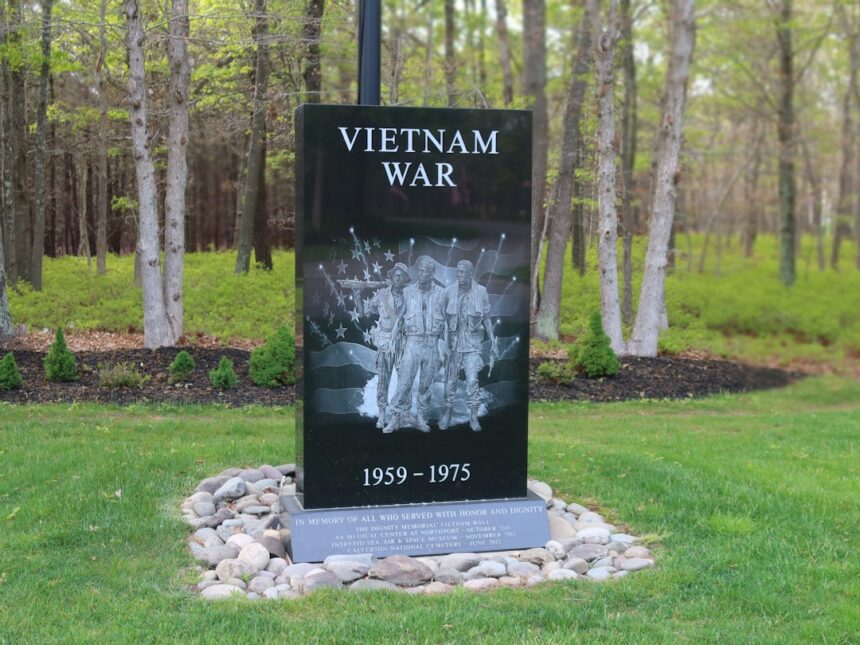
The Vietnam War, a conflict etched into the global consciousness, is often remembered for its large-scale battles and widely publicized campaigns. Yet, beneath the surface of conventional warfare lay a shadow war, waged by highly specialized units operating in the utmost secrecy. These were the clandestine operations, the missions conducted “behind enemy lines,” where the stakes were astronomically high, and the consequences of failure were dire. This article delves into the classified operations of the Vietnam War, shedding light on the courage, ingenuity, and immense sacrifices made by those who operated in the unseen theaters of conflict.
The deployment of covert units during the Vietnam War was not a spontaneous development; it was a strategic necessity driven by the unique nature of the conflict. The Viet Cong and North Vietnamese Army (NVA) were masters of guerrilla warfare and infiltration, utilizing a complex network of tunnels, jungle strongholds, and often blending seamlessly with the civilian population. Conventional military forces, despite their technological superiority, struggled to gain a decisive advantage against such an elusive enemy. This necessitated a different approach, one that could penetrate enemy territory, gather intelligence, disrupt supply lines, and sow confusion.
Intelligence as a Weapon: The Crucial Role of Reconnaissance
The Eyes and Ears of Command: Gathering Vital Information
The primary objective of many clandestine operations was the acquisition of intelligence. In a war where understanding the enemy’s disposition, plans, and capabilities was paramount, specialized reconnaissance units were indispensable. These teams, often small and highly trained, were inserted deep into enemy-controlled territory for extended periods. Their mission was to observe, document, and report on enemy movements, fortifications, troop strengths, and logistical hubs. The information they gathered was not merely useful; it was often critical in shaping strategic decisions and preventing ambushes. Imagine a lone recon team observing a significant enemy troop buildup, information that could potentially save hundreds of lives in an upcoming engagement.
The Art of Eavesdropping: Signals Intelligence and Interception
Beyond visual observation, signals intelligence (SIGINT) played a vital role. Covert teams were tasked with locating and monitoring enemy radio communications, electronic transmissions, and even their physical infrastructure used for communication. This involved identifying frequencies, deciphering codes, and sometimes even physically capturing enemy communication equipment or personnel. The ability to intercept and understand enemy communications provided invaluable real-time intelligence, allowing allied forces to anticipate attacks, track enemy movements, and understand their command and control structures.
Disrupting the Flow: Sabotage and Interdiction Missions
Another critical facet of clandestine operations involved direct action against the enemy’s logistical and operational capabilities. Sabotage missions aimed to cripple enemy infrastructure, destroy vital supplies, and hinder their ability to wage war. This could range from the destruction of bridges and ammunition dumps to the targeted elimination of key personnel. Interdiction missions focused on disrupting the flow of supplies and reinforcements along enemy routes, particularly the Ho Chi Minh Trail, a vital artery for the North Vietnamese.
For those interested in the intricacies of classified Vietnam War operations, a compelling article can be found at In the War Room. This resource delves into the covert strategies employed during the conflict, shedding light on the complexities and challenges faced by military personnel. It provides a comprehensive overview of how these operations were conducted under the veil of secrecy, offering insights that are crucial for understanding the broader implications of the war.
Phantom Warriors: The Elite Units and Their Missions
The success of these classified operations hinged on the selection, training, and dedication of the individuals involved. These were not ordinary soldiers; they were highly skilled operatives drawn from various branches of the military, each possessing a unique set of attributes.
MACV-SOG: The Spearhead of Unconventional Warfare
Military Assistance Command, Vietnam – Studies and Observations Group (MACV-SOG) stands as arguably the most prominent and diverse organization responsible for clandestine operations during the Vietnam War. Formed in 1964, MACV-SOG was a joint service special operations unit that conducted unconventional warfare, counter-insurgency, and special reconnaissance missions throughout Indochina. Their operations were so sensitive that the unit’s existence was classified for many years, even from much of the US military itself.
“Green Berets” and Beyond: The Diverse Makeup of SOG
While the U.S. Army Special Forces, often referred to as the “Green Berets,” formed a significant component of MACV-SOG, the unit also comprised personnel from the Navy SEALs, Air Force, Marines, and even specialized intelligence units. This multidisciplinary approach brought a wide range of skills to the table, from deep jungle survival and small-unit tactics to electronic warfare and psychological operations.
Operation Prairie Fire and Commando Hunt: Targeting the Ho Chi Minh Trail
Among MACV-SOG’s most well-known operations were those targeting the Ho Chi Minh Trail. Operations like Prairie Fire and Commando Hunt involved inserting reconnaissance teams into Laos and Cambodia to gather intelligence on enemy troop movements and supply caches along the trail. These teams often engaged in direct action, ambushing enemy patrols, destroying supplies, and calling in air strikes. The danger was immense, as these areas were heavily defended and traversed by enemy forces.
Navy SEALs: Masters of the Water and Beyond
The United States Navy Sea, Air, and Land (SEAL) teams, renowned for their maritime capabilities, also played a crucial role in classified operations. Their expertise in amphibious assaults, reconnaissance in riverine and coastal areas, and underwater operations made them ideal for missions in Vietnam’s extensive waterway network.
SEAL Team One and Two: Operating in the Mekong Delta and Coastal Regions
SEAL teams, particularly SEAL Team One and SEAL Team Two, were frequently deployed to the Mekong Delta and the coastal regions of South Vietnam. Their missions included intelligence gathering, counter-insurgency patrols, interdiction of enemy waterborne supply routes, and direct action against Viet Cong infrastructure. Operating in the dense marshlands and intricate network of canals presented unique challenges, requiring adaptability and specialized small-unit tactics.
Underwater Operations: Denying Enemy Access and Sabotage
The SEALs’ expertise in underwater operations was also leveraged for classified missions. This included conducting reconnaissance of enemy bases located near the coast, planting mines, and conducting underwater sabotage of enemy vessels or port facilities. These missions required extreme bravery and technical proficiency, often performed under the cover of darkness with minimal support.
Other Covert Units: The Unsung Heroes
While MACV-SOG and the SEALs are often the most recognized names, numerous other units, often with even more classified mandates, contributed to the covert war effort.
Phoenix Program: A Controversial Counter-Intelligence Initiative
The Phoenix Program, officially known as Operation Phoenix, was a controversial pacification program initiated by the CIA with the support of US military and South Vietnamese forces. Its primary objective was to neutralize the Viet Cong infrastructure through intelligence gathering, arrest, and assassination of suspected Viet Cong cadres. While its aims were to disrupt enemy operations and win the “hearts and minds” of the population, its methods and alleged abuses led to significant controversy and criticism.
Intelligence Agencies: The Architects of Information Warfare
Beyond the direct action units, intelligence agencies like the CIA and DIA (Defense Intelligence Agency) played a pivotal role in planning, coordinating, and executing many clandestine operations. They were responsible for the initial intelligence gathering, the formulation of mission objectives, and the exfiltration of operatives. Their work often remained shrouded in secrecy, with their contributions only coming to light decades later.
The Perilous Landscape: Challenges and Dangers
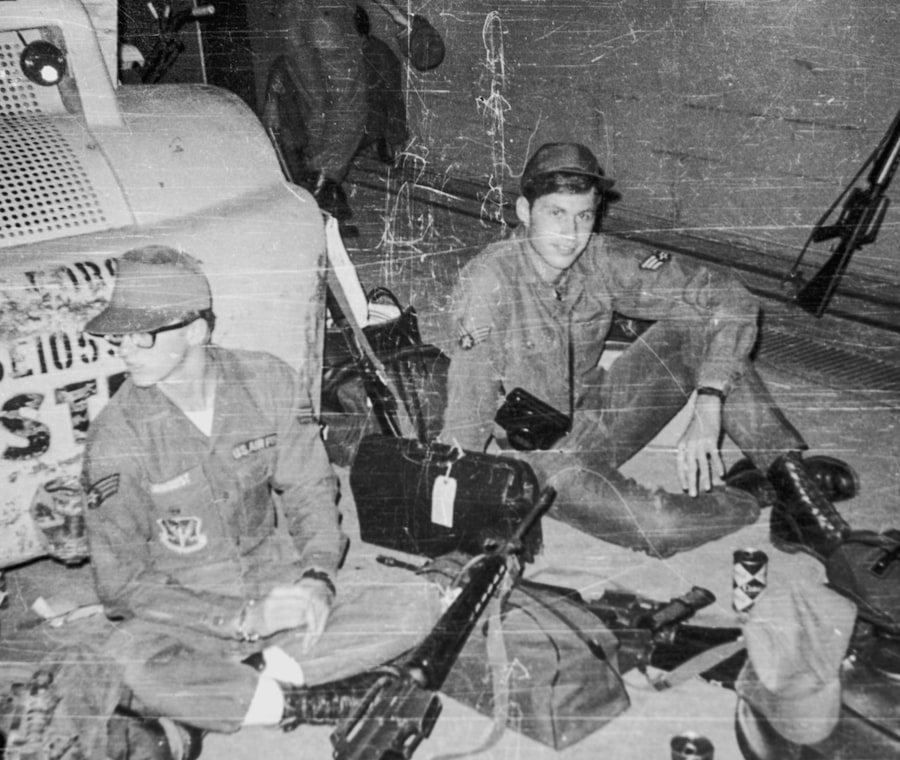
Operating behind enemy lines in Vietnam was an endeavor fraught with unparalleled dangers. The environment itself was a formidable adversary, compounded by the ever-present threat of a determined and often ruthless enemy.
The Jungle as an Enemy: Navigating Treacherous Terrain
The dense, humid jungles of Vietnam presented a constant challenge. Visibility was often limited, and the terrain was unforgiving. Navigating through thick undergrowth, treacherous swamps, and steep inclines required exceptional physical endurance and skill. The risk of disease, venomous snakes, and dangerous wildlife was also a constant concern, adding another layer of complexity to already perilous missions.
The Elusive Enemy: Counter-Insurgency Tactics and Ambush
The Viet Cong and NVA were masters of camouflage, concealment, and ambush tactics. They were intimately familiar with the terrain and could seemingly disappear into the landscape at will. Operating behind enemy lines meant constantly being aware of the possibility of an ambush, often initiated from hidden positions or tunnel networks. The psychological toll of never knowing when or where the next threat would emerge was immense.
The Language Barrier and Cultural Divide: Bridging the Gap
Effective clandestine operations often required interaction with local populations, who could be allies, informants, or potential threats. The language barrier and cultural differences presented significant challenges. Building trust and rapport with villagers, while simultaneously remaining vigilant against infiltration and betrayal, required a nuanced understanding of local customs and a high degree of cultural sensitivity. Misunderstandings could have dire consequences.
The Shadow of Secrecy: Operational Security and Deniability

The very nature of classified operations demanded an absolute commitment to operational security (OPSEC) and, in many cases, plausible deniability for the sponsoring governments.
Keeping Secrets: The Importance of Compartmentalization
Information regarding these operations was highly compartmentalized. Only those with a direct need to know were privy to mission details, routes, and objectives. This ensured that if a team was compromised, the enemy would have limited actionable intelligence about broader U.S. strategies or other covert activities. The constant need for secrecy placed an immense burden on the operatives and their commanders.
Plausible Deniability: The Geopolitical Tightrope
Many of these operations, particularly those conducted in neutral territories like Laos and Cambodia, were designed to provide plausible deniability for the U.S. government. This was a delicate geopolitical tightrope, aimed at avoiding direct escalation with other major powers or alienating international allies. The success of a mission often depended not only on its execution but also on its ability to remain officially unacknowledged.
The Price of Silence: Personal Sacrifices and Unrecognized Valor
The commitment to secrecy meant that the sacrifices of these covert operatives were often not publicly recognized. Many were killed or wounded in action, their stories remaining untold for years, even decades. The psychological impact of operating under such intense pressure and constant threat, coupled with the inability to openly discuss their experiences, left many with invisible wounds. The valor displayed by these men and women, operating in the shadows and often without full recognition, is a testament to their extraordinary courage and dedication.
In exploring the complexities of classified Vietnam War operations, one can gain deeper insights by examining the historical context and strategic decisions made during that time. A related article that delves into these covert actions can be found at this link, which provides a comprehensive overview of the clandestine missions that shaped the course of the conflict. Understanding these operations is crucial for grasping the broader implications of military strategy and international relations during the Vietnam War era.
Legacy and Remembrance: Honoring the Unseen Warriors
| Operation Name | Start Date | End Date | Location | Objective |
|---|---|---|---|---|
| Operation Rolling Thunder | March 2, 1965 | November 2, 1968 | North Vietnam | Strategic bombing campaign |
| Operation Ranch Hand | January 1962 | April 1971 | South Vietnam | Herbicide spraying to destroy crops and vegetation |
| Operation Hump | November 5, 1965 | November 9, 1965 | South Vietnam | Search and destroy mission |
The classified operations of the Vietnam War, though shrouded in secrecy, left an indelible mark on the conflict and the evolution of special operations warfare.
Lessons Learned: The Evolution of Special Forces
The experiences gained from these clandestine missions provided invaluable lessons that shaped the development of modern special operations forces. The emphasis on small-unit tactics, intelligence gathering, unconventional warfare, and interagency cooperation became cornerstones of special operations training and doctrine worldwide. The success of these operations demonstrated the critical importance of specialized units in asymmetric warfare scenarios.
Uncovering the Truth: The Gradual Declassification of Records
Over time, as historical records have been declassified, more details about these clandestine operations have come to light. These revelations have provided a more complete and nuanced understanding of the Vietnam War, acknowledging the vital contributions of those who operated beyond the public eye. The gradual unveiling of these stories serves as a crucial step in honoring the sacrifices and acknowledging the bravery of these unseen warriors.
Remembering the Fallen: The Enduring Spirit of Service
The legacy of the classified operations of the Vietnam War is also one of profound personal sacrifice. The individuals who undertook these missions faced dangers far exceeding those of conventional warfare. Their stories, though often untold, deserve to be remembered. Their courage, resilience, and unwavering commitment to their duty, even in the face of overwhelming odds, serve as a powerful reminder of the extraordinary lengths to which individuals will go in service to their country. The silent wars fought behind enemy lines in Vietnam were a testament to the human spirit’s capacity for bravery, ingenuity, and sacrifice in the face of adversity.
The Vietnam Plot That Made Soldiers Fear Their Own Guns
FAQs
What were classified Vietnam War operations?
Classified Vietnam War operations were covert military activities conducted by the United States and its allies during the Vietnam War. These operations were kept secret from the public and often involved special forces, intelligence agencies, and unconventional warfare tactics.
What were the objectives of classified Vietnam War operations?
The objectives of classified Vietnam War operations varied, but they generally aimed to gather intelligence, disrupt enemy activities, support friendly forces, and conduct unconventional warfare in enemy-controlled territory. These operations were designed to give the United States and its allies an advantage in the conflict.
Which units were involved in classified Vietnam War operations?
Various units were involved in classified Vietnam War operations, including the Special Forces (Green Berets), Navy SEALs, MACV-SOG (Military Assistance Command, Vietnam Studies and Observations Group), CIA paramilitary officers, and other special operations forces. These units were highly trained and specialized in conducting covert operations.
How were classified Vietnam War operations conducted?
Classified Vietnam War operations were conducted using a combination of intelligence gathering, reconnaissance, sabotage, direct action, and unconventional warfare tactics. These operations often involved small teams of highly trained personnel operating behind enemy lines and in hostile environments.
What is the legacy of classified Vietnam War operations?
The legacy of classified Vietnam War operations is complex and controversial. While some operations were successful in achieving their objectives, others resulted in controversy, ethical dilemmas, and long-term consequences. The impact of these operations continues to be studied and debated by historians and military analysts.