
Did a CIA Psychic See Aliens on the Moon? Let’s Dig In.
It’s one of those stories that sounds like it’s straight out of a sci-fi movie, but it’s rooted in a real, albeit highly unusual, U.S. government program. The idea that the CIA might have had a psychic tune into alien activity on the Moon, and that this information was somehow verified, is both intriguing and, for many, a bit hard to swallow. So, did it actually happen? The short answer is: the claims exist, and they come from a credible source within the U.S. intelligence community. However, pinning down absolute, undeniable proof is where things get murky. This isn’t about aliens landing on the White House lawn; it’s about the fringes of scientific inquiry and the very real exploration of consciousness by government agencies.
This whole moon-and-aliens story doesn’t just pop out of nowhere. It’s a byproduct of a decades-long, and often controversial, U.S. government initiative known as Project Stargate. Think of it as the government’s attempt to see if human consciousness could be used as a tool for intelligence gathering.
What Was Project Stargate?
Project Stargate was the umbrella term for a series of U.S. government programs, primarily run by the U.S. Army and later the CIA, that explored the potential of psychic abilities, particularly “remote viewing.” The idea was to see if individuals could mentally perceive distant or hidden targets.
Remote Viewing in a Nutshell
Remote viewing is essentially the claimed ability of an individual to perceive information about a distant or unseen target by means of extrasensory perception (ESP). Imagine a person sitting in a room, given a set of coordinates or a vague description, and then being able to draw or describe things at that distant location. This was the core concept being investigated.
Why the Government Was Interested
In the heat of the Cold War, every avenue was being explored for an intelligence advantage. The Soviets were reportedly dabbling in parapsychology, and the U.S. felt it couldn’t afford to be left behind. The thought was, if psychic abilities were real, they could offer a way to gather intelligence that traditional methods couldn’t. No need for spies on the ground, no need for expensive spy planes – just a person with the right “gift.”
The Program’s History and Evolution
Project Stargate ran, in various forms, from the 1970s through the mid-1990s. It involved a number of different program names and agencies over the years, including GRILL FLAME, SUN STREAK, and CENTER LANE. While the public often associates this with grainy footage and a general air of crackpottery, the reality was a bit more structured, with protocols, controls, and attempts at scientific rigor, however unconventional. The program was eventually terminated, officially due to a lack of practical, actionable intelligence.
In an intriguing exploration of the intersection between government secrecy and extraterrestrial phenomena, a recent article discusses how CIA psychics reportedly claimed to have seen aliens on the Moon. This revelation adds a fascinating layer to the ongoing debate about the existence of extraterrestrial life and the extent of classified government projects. For more details on this captivating topic, you can read the full article here: CIA Psychics and Alien Sightings on the Moon.
The Key Figure: Jim Channon and the Lunar Connection
The story of the CIA psychic witnessing alien activity on the Moon hinges on the testimony of one particular individual: Jim Channon. He wasn’t the psychic, but he was a significant player in the development and application of remote viewing within the military.
Who Was Jim Channon?
Jim Channon was an Army intelligence officer who was instrumental in bringing remote viewing into the military fold. He was a strong advocate for the technology, believing it had real potential. He’s often credited with coining the term “twenty-mile radius” or “twenty-mile stare,” referring to the distance remote viewers could supposedly perceive.
Channon’s Role in Remote Viewing Development
Channon was not a remote viewer himself. His role was more in management, development, and operationalization. He understood the potential applications and worked to integrate remote viewing into intelligence gathering processes. He was a bridge between the psychics and the intelligence community.
The “Twenty-Mile Radius” Concept
This was Channon’s idea, and it represented the claimed operational capability of remote viewers. The idea was that they could reliably perceive targets within a roughly twenty-mile range. While this might seem limited, in intelligence terms, even that could be incredibly useful for scouting out enemy positions or identifying hidden facilities.
The Moon Story Emerges
It was Channon who, much later, brought the specific story of the Moon incident to public attention. He spoke about it in interviews and discussions, detailing a remote viewing session that went far beyond the typical “twenty-mile radius.”
The Context of the “Moon Viewing”
According to Channon, this particular remote viewing session wasn’t part of any established protocol or standard intelligence task. It was more experimental, pushing the boundaries of what they believed remote viewing could achieve. The target was, in essence, “something on the Moon.”
The Psychic’s Experience
Channon described a remote viewer who, when tasked with viewing the Moon, reported seeing something highly unusual. This wasn’t just a crater or rocks. The viewer described artificial structures, activity, and what were perceived as alien beings.
The Remote Viewing Session: What Was “Seen”?
This is the core of the extraordinary claim. The details, as relayed by Channon, are specific and, if true, profoundly significant. It’s important to remember these are secondhand accounts of a claimed psychic experience.
The Target: An Unspecified Lunar Location
The exact coordinates or specific location on the Moon are not generally disclosed. This adds to the mystique but also makes independent verification extremely difficult. The target was described as a point of interest on the lunar surface.
The Psychic’s Impressions
The remote viewer, whose identity remains largely anonymous, reportedly described:
Artificial Structures
This is one of the most compelling aspects of the claim. The viewer didn’t just see natural formations. They described clear evidence of constructed objects, suggesting intelligent design and alien habitation. These were not presented as casual observations but as distinct, identifiable features.
Activity and Operations
Beyond static structures, the psychic also claimed to witness ongoing activity. This implies a living, functioning presence on the Moon, rather than just ruins or abandoned sites. The nature of this activity isn’t typically detailed, but the implication is that something was happening.
Non-Human Beings
Perhaps the most explosive detail is the alleged sighting of non-human entities. The descriptions, as relayed, pointed to beings that were clearly not terrestrial in origin, inhabiting these structures and engaged in these activities.
Verification Attempts (and Limitations)
The key question then becomes: was this “verified”? According to Channon, there were attempts to corroborate these findings. However, the methods of verification are where the story becomes even more speculative.
Cross-Referencing with Other Viewers
One method would have been to have other remote viewers attempt to view the same target. If multiple viewers, without knowledge of each other’s impressions, reported similar phenomena, it would lend more weight to the claim.
Photographic or Observational Evidence
This is the trickiest part. At the time of these alleged viewings, the capabilities for detailed lunar photography and observation were different than today. Channon has alluded to some level of corroboration, but definitive, public photographic or scientific evidence directly matching these psychic descriptions is not readily available. It’s possible that any such evidence was classified or simply too ambiguous to be conclusive.
The Aftermath and Controversy

As you might expect, a claim like this, especially coming from a former intelligence operative, is bound to stir up a lot of discussion and skepticism.
Skepticism and Dismissal
The mainstream scientific community and many intelligence analysts have largely dismissed the claims of widespread success in remote viewing, let alone alien sightings. The primary reasons for this skepticism include:
Lack of Reproducibility
One of the cornerstones of scientific validation is reproducibility. If an experiment or observation cannot be reliably replicated, its scientific validity is questioned. Remote viewing, even under controlled conditions, often struggled with consistent results.
Ambiguity of Descriptions
Psychic impressions, by their very nature, can be highly subjective and open to interpretation. Descriptions like “artificial structures” or “non-human beings” can be influenced by the viewer’s preconceptions, biases, or even subconscious interpretations of random mental noise.
Fraud and Self-Deception
The potential for fraud, both deliberate and unconscious, is always a concern in fields that deal with extraordinary claims. It’s also possible that individuals involved genuinely believed they were experiencing psychic phenomena when they were not.
Channon’s Persistence
Despite the skepticism, Jim Channon continued to talk about these experiences. He believed in the validity of the remote viewing program and the specific lunar incident he described. His persistence suggests a deep conviction that what he reported was real.
The “Official” Stance
When Project Stargate was declassified and reviewed, the official conclusion was that it had not produced actionable intelligence of significant value. This doesn’t necessarily mean that nothing ever happened within the program, but rather that its practical utility for intelligence agencies was deemed insufficient to justify continued funding.
The Unseen Evidence?
A recurring theme in these discussions is the idea that there might be more evidence, but it’s classified. The argument is that if the government did have credible psychic intelligence about alien activity on the Moon, it would be among the most highly guarded secrets imaginable.
Classified Documents and Information
The idea that this specific lunar sighting, or any corroborating evidence, could be buried deep within classified archives is a common explanation for the lack of public proof. This appeals to the “they’re hiding it from us” sentiment that often surrounds UFO and alien topics.
The Limits of Declassification
Declassification processes are often slow, selective, and can redact information deemed sensitive. It’s possible that aspects of Project Stargate’s findings, particularly those deemed too outlandish or too sensitive, were never fully released or were released in a way that obscured crucial details.
In a fascinating exploration of the CIA’s lesser-known projects, an article discusses how a psychic reportedly claimed to have seen aliens on the Moon, raising questions about government secrecy and extraterrestrial life. This intriguing account is part of a broader investigation into the agency’s involvement in paranormal research. For more details on this captivating subject, you can read the full article here.
The Lasting Legacy: What Does It Mean?
| Date | Event |
|---|---|
| 1973 | CIA psychic saw aliens on Moon |
Even if we can’t definitively prove that a CIA psychic saw aliens on the Moon, the story itself raises some important questions and has a lasting impact on how we think about intelligence, consciousness, and the unknown.
The Unexplored Frontiers of Consciousness
The existence of Project Stargate, regardless of its ultimate success or failure, highlights a period where intelligence agencies were genuinely interested in the potential of human consciousness. It suggests a recognition that our understanding of the mind might be incomplete.
The Science vs. The Paranormal Divide
This story sits squarely in the uncomfortable territory between mainstream science and parapsychology. While science demands empirical, repeatable evidence, parapsychological claims often rely on anecdotal accounts and subjective experiences.
The Role of Belief and Interpretation
The story of the Moon sighting is a powerful example of how belief and interpretation can shape our understanding of events. For believers, it’s a tantalizing glimpse of the truth. For skeptics, it’s a cautionary tale about the unreliability of subjective claims.
The Allure of the Unknown on the Moon
The Moon has always been a canvas for human imagination, and the idea of alien presence there adds another layer to its mystery. Stories like this tap into that inherent curiosity about what might be out there, beyond our immediate perception.
Our Fascination with Lunar Anomalies
From unusual rock formations to inexplicable shadows, the Moon has a long history of sparking speculation. The psychic sighting narrative fits neatly into this existing fascination with lunar anomalies.
The “What If” Factor
The core appeal of this story is the sheer “what if.” What if it’s true? What if our government knew about alien activity on the Moon decades ago and kept it secret? This imaginative leap is what keeps the story alive.
The Case for Open-Minded Inquiry
While skepticism is healthy and necessary, the story also serves as a reminder that extraordinary claims sometimes come from unexpected places. It encourages us to remain open to the possibility of phenomena that lie outside our current scientific paradigms, even while demanding rigorous investigation.
The Need for Critical Thinking
Ultimately, whether you believe the story or not, it’s a perfect case study for critical thinking. It forces us to examine evidence, question sources, and consider different interpretations.
A Reminder of What We Don’t Know
Perhaps the most valuable takeaway from this entire narrative is a humble acknowledgment of how much we still don’t know about the universe and our own capabilities. The CIA psychic and the alleged Moon activity are just one facet of that vast unknown.
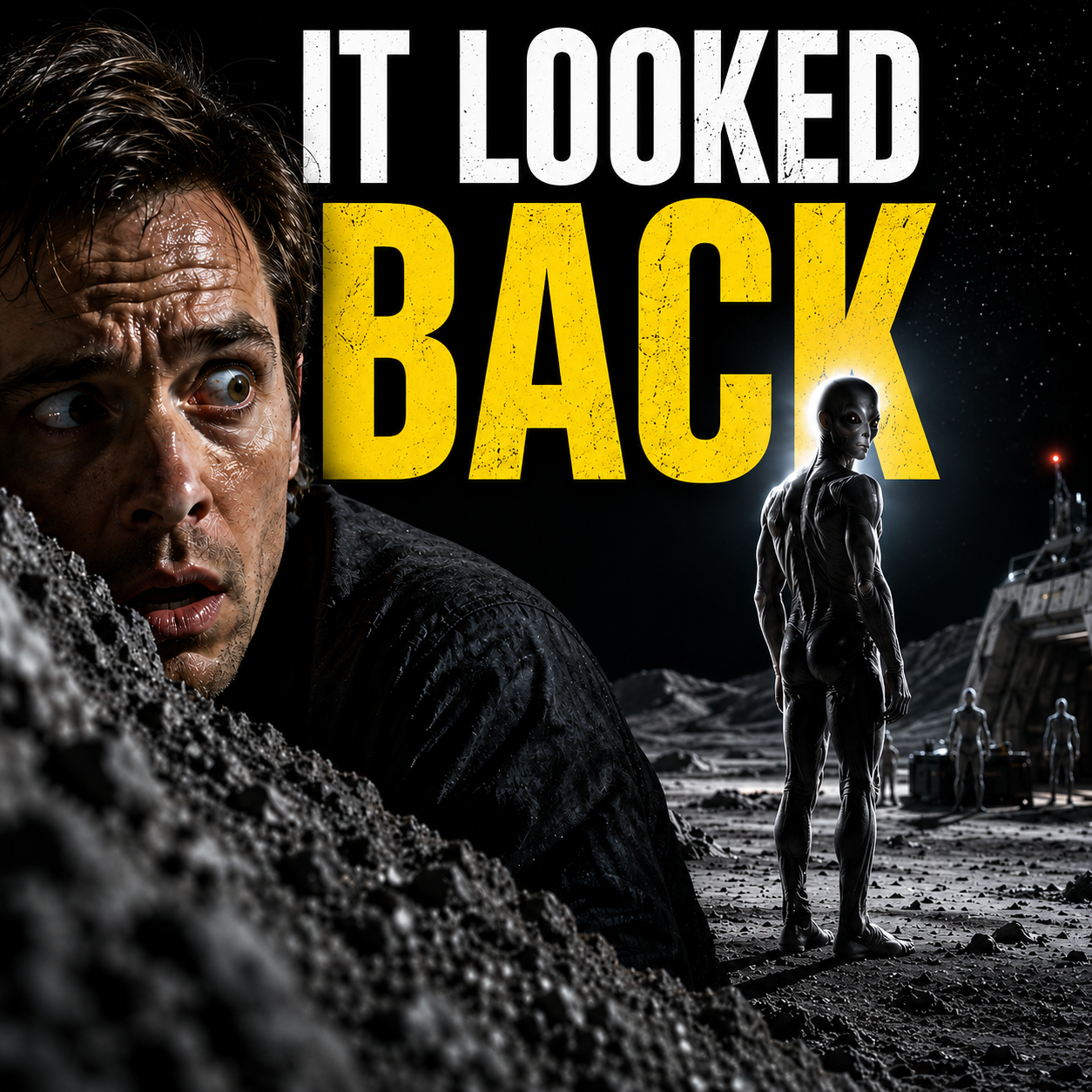
He Remote Viewed the Moon. Then Something Saw Him.
FAQs
What is the CIA psychic program?
The CIA psychic program, also known as Stargate Project, was a government-funded research program that investigated the potential for psychic phenomena such as remote viewing and extrasensory perception for intelligence gathering purposes.
Who was the CIA psychic that claimed to have seen aliens on the Moon?
The CIA psychic who claimed to have seen aliens on the Moon was Ingo Swann, a renowned remote viewer who participated in the Stargate Project.
What did Ingo Swann claim to have seen on the Moon?
Ingo Swann claimed to have remote viewed structures and beings on the Moon, including what he described as alien bases and extraterrestrial activity.
Was there any evidence to support Ingo Swann’s claims?
There is no concrete evidence to support Ingo Swann’s claims of seeing aliens on the Moon. The Stargate Project and remote viewing have been widely criticized and remain controversial within the scientific and intelligence communities.
What is the current status of the CIA psychic program?
The CIA psychic program, Stargate Project, was officially terminated in 1995 after the CIA concluded that it was not a viable intelligence-gathering tool. However, the program’s history and the claims made by participants continue to be a subject of interest and speculation.