The possibility of a Chinese invasion of Taiwan looms as a persistent and potent geopolitical concern, carrying with it a cascade of potential global consequences that could reshape international relations, economies, and security architectures for decades to come. While China views Taiwan as a renegade province to be reunited with the mainland, and Taiwan, a vibrant democracy, cherishes its self-governance, the stakes for the rest of the world are immense. A military conflict, even a limited one, would not remain confined to the Taiwan Strait; its repercussions would radiate outwards, touching every corner of the globe.
A forceful attempt by Beijing to assert control over Taiwan would instantly trigger a seismic shock through the global economy, the likes of which have not been witnessed since the Second World War. The interconnectedness of the modern world, particularly in critical supply chains, means that such an event would not be a localized crisis but a worldwide economic conflagration.
Disruption of Global Supply Chains
Taiwan’s role in the global economy is disproportionately large, especially in the realm of advanced technology. The island is the undisputed leader in semiconductor manufacturing, with Taiwan Semiconductor Manufacturing Company (TSMC) producing the vast majority of the world’s most sophisticated chips. These semiconductors are the brains behind everything from smartphones and laptops to advanced military equipment and artificial intelligence systems.
The Criticality of TSMC and Semiconductor Dependency
TSMC’s dominance is not merely about market share; it represents a near-monopoly on the most advanced fabrication processes. A disruption to TSMC’s operations, whether due to direct damage, sanctions, or an inability to operate under conflict conditions, would cripple industries worldwide. The global automotive sector, already grappling with chip shortages, would face an existential crisis. The consumer electronics industry would grind to a halt. Even sectors seemingly unrelated to technology would be affected as their own components rely on these advanced chips. The immediate scarcity and subsequent price hikes would be astronomical, leading to widespread inflation and potential recessionary pressures.
Impact on Other Key Industries
Beyond semiconductors, Taiwan is a significant player in other high-value manufacturing sectors, including electronics assembly, machinery, and petrochemicals. A conflict would disrupt these flows, impacting industries from aerospace to medical devices. The extensive use of Taiwanese components and finished goods across diverse manufacturing sectors means that the ripple effect would be felt far and wide, forcing companies to scramble for alternative suppliers, many of whom cannot match Taiwan’s technological prowess or production capacity in the short to medium term.
Financial Market Turmoil and Investment Freeze
The outbreak of hostilities would send shockwaves through global financial markets. Investors, fearing prolonged instability and the potential collapse of a major economic hub, would engage in a massive sell-off of assets. This would lead to sharp declines in stock markets worldwide, a flight to safety in government bonds, and increased volatility across currency markets.
The Risk of Capital Flight and De-globalization Pressures
In the immediate aftermath of an invasion, capital flight from China and potentially from other East Asian nations would be immense. Investors, particularly those with exposure to the region, would seek to secure their assets, leading to significant outflows of investment. This could trigger currency crises in vulnerable economies and further exacerbate global economic instability. The event would also likely accelerate existing trends of de-globalization and regionalization, as countries reassess their reliance on potentially volatile international supply chains and seek to build more resilient, localized production networks.
The Impact of Sanctions on China and Global Trade
The international community, led by the United States and its allies, would almost certainly impose severe economic sanctions on China in response to an invasion. These sanctions could include freezing Chinese assets, restricting trade, and cutting off access to international financial systems. While intended to cripple China’s economy, these measures would also inflict significant pain on the global economy, given China’s central role in international trade. Many countries, even those not directly involved in a military response, would find their economies severely hampered by the disruption to trade with the world’s second-largest economy.
The potential consequences of a Chinese invasion of Taiwan have been a topic of intense discussion among geopolitical analysts. For a deeper understanding of the implications such an event could have on global stability and security, you can read a related article that explores various scenarios and expert opinions on the matter. This article can be found at this link.
The Geopolitical Realignment and Security Implications
A Chinese invasion of Taiwan would trigger a fundamental reassessment of the global geopolitical order, with profound implications for international security alliances, military deployments, and the very concept of national sovereignty. The existing balance of power in Asia would be irrevocably altered, and the credibility of existing security commitments would be put to the ultimate test.
The United States’ Role and Alliance Dynamics
The United States has long maintained a policy of “strategic ambiguity” regarding its defense of Taiwan. However, the possibility of an invasion would force a stark choice: intervene militarily and risk a direct confrontation with a nuclear-armed power, or allow Taiwan to fall, thereby ceding significant influence in the Indo-Pacific and undermining its credibility with its allies.
The Taiwan Relations Act and US Commitments
The Taiwan Relations Act mandates that the U.S. provide Taiwan with the means to defend itself. While not explicitly obligating the U.S. to defend Taiwan militarily, it strongly implies a commitment. An invasion would likely trigger a massive U.S. response, potentially involving naval and air power, and perhaps even ground forces. This would be a high-stakes gamble, with the potential for escalation into a wider conflict.
The Impact on Regional Alliances: Japan, South Korea, and Australia
The security of Taiwan is intrinsically linked to the security of its neighbors. Japan, in particular, is deeply concerned about potential Chinese dominance in the region and relies heavily on sea lanes that pass through the Taiwan Strait. South Korea, while more focused on the North Korean threat, would also be impacted by increased regional instability. Australia, a key U.S. ally, would be under immense pressure to align with U.S. policy and contribute to regional security efforts. An invasion would likely solidify and strengthen these alliances, leading to increased military cooperation and potentially new security pacts.
The Rise of a Multipolar World or Renewed Bipolar Tensions
The outcome of a Taiwan conflict would have a profound impact on the global balance of power, potentially accelerating a shift towards a truly multipolar world or, conversely, solidifying a more pronounced bipolar rivalry between the U.S. and China.
The Question of Global Leadership and Influence
If China were to successfully annex Taiwan, its regional and global influence would be significantly amplified. This could embolden other authoritarian regimes and challenge the existing international liberal order. Conversely, a successful defense of Taiwan, or even a costly stalemate that severely weakens China, could solidify U.S. leadership and deter further aggressive actions by Beijing.
The Impact on International Institutions and Norms
The invasion would represent a direct challenge to the principles of international law and the peaceful resolution of disputes. The effectiveness and relevance of institutions like the United Nations would be severely tested. Countries that have benefited from the existing international order might be forced to choose sides, leading to a fragmentation of global governance and a decline in multilateral cooperation.
The Human and Social Costs
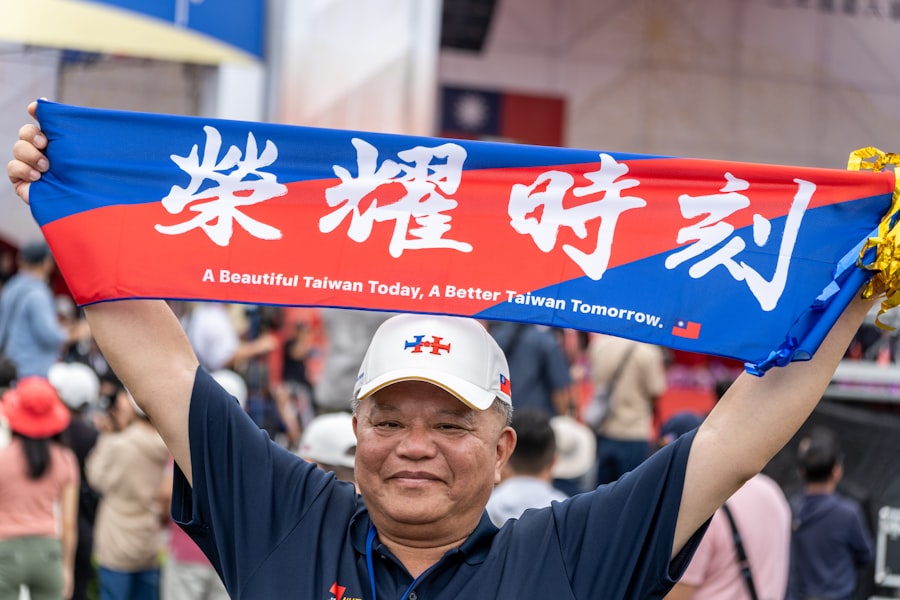
Beyond the economic and geopolitical ramifications, a Chinese invasion of Taiwan would carry immense human and social costs, both for the people of Taiwan and for the broader global community. The prospect of war in a densely populated and economically vital region is a sobering one.
The Plight of the Taiwanese People
For the 23 million people of Taiwan, an invasion would mean the immediate threat of violence, displacement, and the potential loss of their hard-won democratic freedoms. Their way of life, characterized by vibrant civic engagement, a free press, and democratic elections, would be fundamentally threatened.
The Risk of Civilian Casualties and Humanitarian Crisis
Any military conflict in Taiwan would inevitably result in significant civilian casualties. The island is densely populated, and urban warfare would be particularly devastating. The destruction of infrastructure, the displacement of millions, and the potential for a humanitarian crisis would be immediate concerns. The international community would face immense pressure to provide humanitarian aid and support, but the logistical challenges of doing so in a conflict zone would be enormous.
The Erosion of Democratic Values and Freedoms
Beyond the physical destruction, an invasion would represent a severe blow to democratic values. Taiwan’s transition to a robust democracy stands in stark contrast to the authoritarian system in mainland China. A forced reunification would likely see the suppression of dissent, the erosion of human rights, and the imposition of a political system that does not reflect the will of the Taiwanese people.
The Global Refugee Crisis and Psychological Impact
A large-scale conflict in Taiwan could trigger a significant refugee crisis, with potentially hundreds of thousands, if not millions, seeking to flee the island. The destination and management of such a refugee flow would be a major international challenge, exacerbating existing global migration pressures. The psychological impact of witnessing such a conflict, and the pervasive fear of escalation, would also have a lasting effect on global sentiment and international relations.
The Technological and Cyber Warfare Dimension
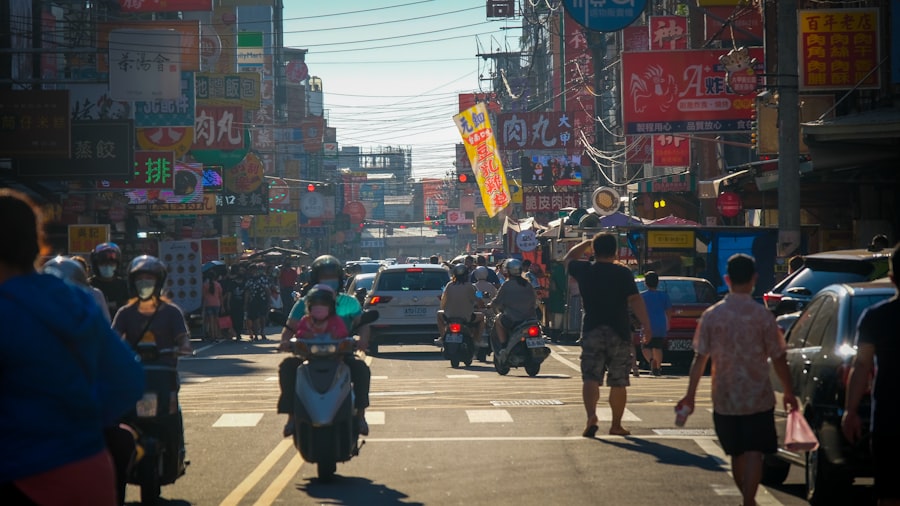
The potential for conflict over Taiwan is not limited to traditional military engagement; it would also involve a significant dimension of technological and cyber warfare, with potentially devastating consequences for global digital infrastructure.
Escalation in Cyberspace
China has a formidable cyber warfare capability, and it would likely be deployed extensively in any conflict scenario. This could involve targeting critical infrastructure in Taiwan, as well as in allied nations.
Attacks on Critical Infrastructure and Communication Networks
Cyberattacks could target power grids, financial systems, transportation networks, and communication infrastructure, aiming to disrupt command and control, sow chaos, and undermine the enemy’s ability to function. The interconnectedness of global systems means that such attacks could easily spill over, affecting systems far beyond the immediate theatre of conflict.
The Blurring Lines Between Warfare and Espionage
The distinction between cyber warfare and espionage would likely blur, with covert operations and disinformation campaigns playing a significant role in shaping perceptions and undermining trust. The rapid evolution of cyber capabilities means that the full extent of this threat is difficult to predict, but it is undoubtedly a critical component of any potential conflict.
The Future of AI and Emerging Technologies in Warfare
The conflict could also serve as a testing ground for advanced technologies, including artificial intelligence, autonomous weapons systems, and advanced surveillance technologies. The implications of their use in a real-world conflict are profound and raise significant ethical and security concerns.
The Race for Technological Superiority
The struggle for technological dominance would be a key element of any conflict. Countries would be motivated to deploy and develop advanced AI-enabled systems for intelligence gathering, target identification, and even autonomous combat. This could accelerate an arms race in emerging technologies, with unpredictable consequences for global security.
The Ethical Dilemmas of AI in Warfare
The deployment of AI in warfare raises complex ethical dilemmas. Decisions about targeting, de-escalation, and accountability become increasingly challenging when autonomous systems are involved. The potential for unintended escalation or catastrophic errors due to AI malfunction would be a significant concern.
The potential consequences of a Chinese invasion of Taiwan have been a topic of intense discussion among analysts and policymakers. Many experts believe that such an action could lead to significant geopolitical shifts in the Asia-Pacific region, affecting global trade and security alliances. For a deeper understanding of this complex issue, you can explore a related article that delves into the strategic implications and possible responses from the international community by visiting this link.
The Long-Term Repercussions and the Path Forward
| Consequences of China Invading Taiwan | Impact |
|---|---|
| Economic Disruption | Global supply chain disruption, stock market volatility |
| Geopolitical Tensions | Potential conflict with US and allies, regional instability |
| Humanitarian Crisis | Refugee crisis, loss of life and displacement |
| International Response | Possible sanctions, diplomatic fallout |
| Security Concerns | Increased military presence, potential escalation |
The consequences of a Chinese invasion of Taiwan would not be confined to the immediate aftermath of the conflict; they would reverberate for decades, shaping the geopolitical landscape, economic priorities, and the very notion of global security.
A Changed World Order
Regardless of the outcome, the world would be fundamentally altered. The trust between major powers would be severely damaged, and the existing international order would be irrevocably challenged. New alliances might form, and existing ones could fracture.
The Risk of Protracted Conflict and Regional Instability
Even if the initial invasion were repelled or contained, the risk of protracted conflict and sustained regional instability would be high. The economic and social scars of such an event would take generations to heal. The constant threat of renewed hostilities would cast a long shadow over the Indo-Pacific region.
The Potential for Arms Races and Increased Military Spending
The heightened tensions and perceived threats would likely spur increased military spending and a renewed focus on arms races, particularly in advanced technologies. This could divert resources from other critical areas, such as climate change mitigation and sustainable development.
The Imperative of Diplomacy and Deterrence
Given the catastrophic potential of a conflict, the imperative of pursuing diplomatic solutions and maintaining effective deterrence cannot be overstated. The international community must work collaboratively to de-escalate tensions, foster dialogue, and uphold the principles of peaceful dispute resolution.
Strengthening International Norms and Institutions
Reinforcing international norms and strengthening the capacity of international institutions to mediate disputes and enforce international law are crucial. This includes supporting initiatives that promote transparency, accountability, and the peaceful resolution of conflicts.
The Role of Economic Interdependence as a Deterrent
While economic interdependence can be a source of vulnerability, it can also serve as a powerful deterrent. The sheer scale of the economic consequences for all parties involved in a conflict over Taiwan should act as a significant disincentive for aggression. Finding ways to manage and mitigate these economic risks while maintaining robust global trade and investment is a complex but necessary endeavor. The global consequences of a Chinese invasion of Taiwan are a stark reminder of the interconnectedness of our world and the profound responsibility that nations bear in safeguarding peace and stability. The path forward requires a steadfast commitment to diplomacy, a clear understanding of the risks, and a collective effort to prevent such a devastating scenario from unfolding.
What Happens If China Moves Before America Rearms?
FAQs
What is the current relationship between China and Taiwan?
China considers Taiwan to be a part of its territory, while Taiwan operates as a separate, self-governing entity. The two have a complex and tense relationship, with China claiming sovereignty over Taiwan.
What would happen if China invaded Taiwan?
If China were to invade Taiwan, it could lead to a significant escalation of tensions in the region and potentially result in a large-scale conflict. The international community would likely respond with condemnation and potential sanctions against China.
How might a potential invasion of Taiwan impact the global economy?
A conflict between China and Taiwan could disrupt global supply chains, particularly in the technology and manufacturing sectors, as Taiwan is a major producer of semiconductors and other high-tech components. This could lead to increased prices and shortages of certain goods.
What is the United States’ stance on a potential invasion of Taiwan by China?
The United States has a longstanding policy of supporting Taiwan’s security and has indicated that it would respond to any Chinese aggression towards Taiwan. The US has also sold military equipment to Taiwan and has conducted military exercises in the region as a show of support.
What are the potential long-term implications of a Chinese invasion of Taiwan?
A Chinese invasion of Taiwan could have far-reaching geopolitical implications, potentially reshaping the balance of power in the Asia-Pacific region. It could also lead to increased militarization and tensions in the region, as well as impact global trade and security dynamics.