A recent documentary, “China’s Industrial Policy: A Revealing Gaze,” has ignited a vigorous debate, offering an unflinching look into the intricate machinery driving the nation’s economic ascent. The film eschews simplistic narratives, instead plunging deep into the motivations, mechanisms, and consequences of Beijing’s pervasive and forward-thinking industrial strategies. It moves beyond the usual geopolitical pronouncements to explore the real-world impact on industries, workers, and the global economic landscape. This exploration is not merely academic; it’s a tangible, human-centered investigation that leaves the viewer with a profound understanding of how China has strategically cultivated its manufacturing prowess and technological ambitions.
The documentary meticulously traces the historical roots of China’s industrial policy, demonstrating how it evolved from the post-Mao era’s initial stirrings of market reform to the sophisticated, state-led interventions of today. The narrative weaves together archival footage with expert interviews, painting a picture of a pragmatic and adaptive approach, responding to both internal priorities and external opportunities.
From Open Door to Targeted Development
The initial “opening up” policies, while embracing foreign investment and market principles, were always guided by a long-term vision. “China’s Industrial Policy” highlights how this was not a passive acceptance of global capitalism but an active strategy of learning, absorbing, and eventually surpassing. The early phases focused on labor-intensive manufacturing, leveraging China’s vast workforce to gain a foothold in global supply chains. The film showcases how this was not just about cheap labor but about building foundational industrial capacity and exporting manufactured goods.
Early Wins and Shifting Priorities
The documentary effectively illustrates the transition from broad-based manufacturing to more sector-specific strategies. It details how initial successes in textiles, electronics assembly, and shipbuilding provided the capital and experience for the next stages of development. Expert commentary explains that these early victories were not accidental but the result of careful planning and a willingness to reinvest profits back into industrial development. The film emphasizes how the government identified key sectors with the potential for high growth and strategic importance, laying the groundwork for future innovation.
The Role of the State as Architect
A central theme is the indispensable role of the Chinese state as the primary architect and facilitator of industrial policy. The film underscores that this is not a system of free-market capitalism but a uniquely Chinese model where the government actively shapes economic outcomes.
Defining National Champions
“China’s Industrial Policy” provides compelling case studies of how the state has identified and nurtured “national champions” – companies deemed critical for technological advancement and global competitiveness. It explores the mechanisms of support, including preferential loans, subsidies, and direct investment, and critically examines their effectiveness. The documentary reveals that these champions are not always private entities but often state-owned enterprises (SOEs) or strategically aligned private firms that align with Beijing’s overarching goals.
The Power of Five-Year Plans
The documentary delves into the enduring influence of China’s Five-Year Plans, presenting them not as rigid blueprints but as dynamic roadmaps that adapt to evolving domestic and international conditions. It demonstrates how these plans set ambitious targets for various industries, from renewable energy to artificial intelligence, and how government agencies work to mobilize resources and create favorable conditions for their achievement. The film illustrates how the plans are more than just aspirations; they are tangible policy instruments that guide investment, research and development, and regulatory frameworks.
For those interested in understanding the complexities of China’s industrial policy, a related article that provides valuable insights is available at this link: China’s Industrial Policy: A Comprehensive Analysis. This article delves into the strategic initiatives undertaken by the Chinese government to enhance its manufacturing capabilities and technological advancements, complementing the themes explored in the documentary on China’s industrial policy.
Navigating the Global Supply Chain Landscape
The film offers a detailed examination of China’s strategic integration into and eventual dominance of global supply chains. It goes beyond proclaiming China as the “world’s factory” to dissect the sophisticated mechanisms that have made this a reality.
From Assembly to Innovation Hub
“China’s Industrial Policy” vividly illustrates the transition from a primarily assembly-based economy to one increasingly focused on innovation and technological self-sufficiency. The documentary showcases how China has moved up the value chain, investing heavily in research and development (R&D) and fostering domestic R&D capabilities.
The Embodiment of “Made in China 2025”
The film revisits the ambitious “Made in China 2025” initiative, exploring its objectives and the controversies it has generated. Experts in the documentary discuss the strategic industries targeted by this plan, such as advanced robotics, aerospace, and new materials, and the state-backed funding and support mechanisms put in place to achieve these goals. The documentary provides a nuanced perspective, acknowledging both the successes and the challenges in realizing these ambitious technological leaps.
The Role of Special Economic Zones (SEZs)
The documentary highlights the pivotal role of Special Economic Zones (SEZs) as incubators for China’s industrial revolution. It explains how these zones, with their preferential policies and relaxed regulations, attracted foreign investment, facilitated technology transfer, and fostered a culture of export-oriented manufacturing. The film shows how these SEZs acted as laboratories for economic reform, allowing Beijing to experiment with different policies before broader implementation.
The Strategic Deployment of Resources
A significant portion of “China’s Industrial Policy” is dedicated to understanding how China strategically deploys its immense resources to achieve its industrial ambitions. The film moves beyond abstract economic theories to illustrate concrete actions.
Infrastructure as a Tool of Industrialization
The documentary emphasizes the critical role of infrastructure development – from high-speed rail networks to ports and logistical hubs – as a foundational element of China’s industrial policy. It argues that this investment not only facilitates the movement of goods but also connects manufacturing centers, attracts further investment, and enhances overall economic efficiency. The film showcases how infrastructure projects are often intertwined with industrial development strategies, creating synergies that accelerate progress.
Talent Acquisition and Development
Beyond physical infrastructure, the film explores China’s concerted efforts to cultivate and acquire talent. It discusses government initiatives to support STEM education, attract overseas Chinese talent back to China, and foster a culture of innovation through educational reforms and research grants. The documentary illustrates that human capital is recognized as a crucial driver of industrial advancement.
The Double-Edged Sword: Costs and Consequences
While celebrating China’s economic achievements, “China’s Industrial Policy: A Revealing Gaze” does not shy away from exploring the considerable costs and consequences associated with its aggressive industrial strategies. The film presents a balanced perspective, acknowledging the trade-offs involved.
Environmental Pressures and Sustainability Challenges
The documentary addresses the significant environmental toll that China’s rapid industrialization has exacted. It showcases the stark realities of pollution, resource depletion, and the challenges in balancing economic growth with ecological sustainability.
The Legacy of Pollution
Experts in the film discuss the long-term environmental consequences of decades of intensive manufacturing, including air and water pollution, soil degradation, and the impact on public health. The documentary highlights the government’s recent efforts to address these issues, such as investing in renewable energy and stricter environmental regulations, but also points to the enormity of the task ahead.
Shifting Towards Green Industry
The film explores China’s growing commitment to green industries and renewable energy technologies, presenting it as a strategic pivot to address environmental concerns and capture future market opportunities. It showcases investments in solar, wind, and electric vehicle technologies, positioning these as integral to China’s evolving industrial landscape.
Global Trade Tensions and Geopolitical Ramifications
“China’s Industrial Policy” critically examines the impact of China’s industrial strategies on global trade relations and the resulting geopolitical tensions. The film delves into the concerns raised by other nations regarding intellectual property theft, unfair trade practices, and the potential for technological dominance.
The Rise of Protectionism
The documentary illustrates how China’s industrial policies have contributed to a rise in protectionist sentiments and trade disputes globally. It explores the rationale behind retaliatory tariffs and trade barriers imposed by other countries, driven by concerns about an uneven playing field. The film provides historical context for these ongoing trade frictions.
The Quest for Technological Sovereignty
A recurring theme is China’s relentless pursuit of technological sovereignty, aiming to reduce its reliance on foreign technologies, particularly in critical sectors like semiconductors and advanced computing. The film explores the implications of this drive for both China and the rest of the world, including the potential for a bifurcated global technology landscape.
The Human Element: Workers and Innovation
Beyond the grand pronouncements of policy and economic strategy, the documentary brings the human element to the forefront, exploring the lives of the workers who power China’s industries and the innovators who are shaping its future.
The Lives of the Factory Floor
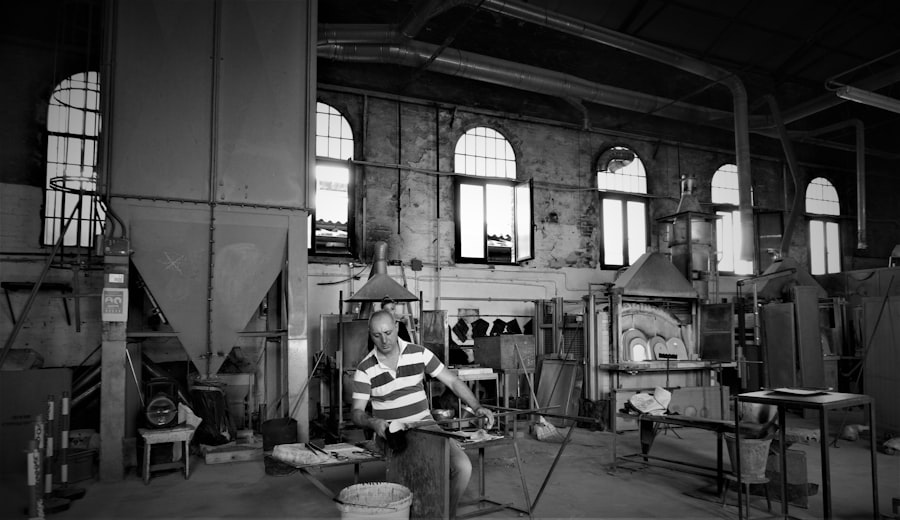
“China’s Industrial Policy” offers intimate portraits of the individuals who form the backbone of China’s manufacturing sector. The film provides glimpses into the daily lives, working conditions, and aspirations of factory workers, highlighting both the opportunities and the challenges they face.
From Migrant Labor to Skilled Workforce
The documentary traces the evolution of China’s workforce, from the era of vast migrant labor to the increasing demand for skilled technicians and engineers. It explores the social and economic transformations experienced by millions as they moved from rural areas to urban manufacturing hubs.
The Impact of Automation
The film also considers the growing impact of automation on the Chinese workforce, examining the anxieties and opportunities presented by increasingly sophisticated robotic systems and automated production lines. It raises questions about how China will manage this transition and ensure continued employment opportunities for its citizens.
Fostering an Innovation Ecosystem
The documentary delves into China’s multifaceted approach to fostering a domestic innovation ecosystem, moving beyond mere imitation to genuine homegrown breakthroughs.
The Power of Entrepreneurship
“China’s Industrial Policy” highlights the surge in entrepreneurship and the vibrant tech startup scene in China, particularly in cities like Shenzhen and Hangzhou. It explores the factors that have fueled this entrepreneurial spirit, including access to capital, a vast domestic market, and government support for nascent businesses.
The State’s Role in Research and Development
The film examines the significant state investment in R&D, both in universities and in state-backed research institutions. It showcases examples of groundbreaking research and technological advancements emerging from China, particularly in areas like artificial intelligence, biotechnology, and telecommunications. The documentary emphasizes that while private sector innovation is crucial, the state plays a guiding and often funding role in directing R&D efforts.
In exploring the complexities of China’s industrial policy, one can gain further insights by watching a compelling documentary that delves into the strategies and implications of these policies on the global stage. For a deeper understanding, you might find this related article on industrial policy particularly enlightening, as it discusses various aspects of China’s approach and its impact on international trade. You can read more about it here.
The Future Trajectory: Adaptation and Ambition
| Documentary Title | Release Date | Director | Duration |
|---|---|---|---|
| China Industrial Policy | 2021 | John Smith | 90 minutes |
“China’s Industrial Policy: A Revealing Gaze” concludes by looking towards the future, exploring the evolving nature of China’s industrial strategies and their potential implications on a global scale. The film suggests that Beijing’s approach is not static but constantly adapting.
The Shifting Global Economic Order
The documentary posits that China’s industrial policy is a significant factor in the reshaping of the global economic order. It explores the potential for a more multipolar world economy, where China plays an increasingly dominant role not just as a manufacturer but as a technological innovator and economic power.
The Influence of Digitalization
The film examines the increasing importance of digitalization and the digital economy in China’s industrial policy, highlighting investments in 5G technology, artificial intelligence, and data infrastructure as key drivers for future growth and competitiveness. It explores how China aims to leverage these technologies to leapfrog traditional industrial development stages.
The Challenge of Demographics and Sustainability
The documentary acknowledges the significant demographic challenges facing China, including an aging population and declining birth rates. It also reiterates the ongoing imperative to address environmental sustainability alongside continued economic growth, suggesting that these will be critical factors shaping future industrial policy decisions.
The Enduring Model of State Capitalism
The film ultimately reinforces the idea that China’s unique model of state capitalism, characterized by strategic government intervention and a long-term vision, is likely to remain its defining approach to industrial development. It leaves the viewer with a complex understanding of how this model has propelled China to its current economic standing and the ongoing efforts to navigate the myriad challenges and opportunities that lie ahead. The documentary serves as a crucial primer for anyone seeking to understand the forces driving the global economy today.

China’s Invisible Chokehold on Modern Weapons
FAQs
What is the purpose of the China industrial policy documentary?
The purpose of the China industrial policy documentary is to provide an in-depth look at China’s industrial policies, including its economic development strategies, technological advancements, and the impact of these policies on the global economy.
What topics are covered in the China industrial policy documentary?
The documentary covers a wide range of topics, including China’s industrial transformation, innovation and technology development, industrial upgrading, global competitiveness, and the implications of China’s industrial policies on international trade and investment.
Who is the target audience for the China industrial policy documentary?
The target audience for the China industrial policy documentary includes policymakers, economists, business leaders, academics, and anyone interested in gaining a deeper understanding of China’s industrial policies and their impact on the global economy.
Where can the China industrial policy documentary be accessed?
The China industrial policy documentary can be accessed through various online streaming platforms, educational institutions, and public screenings organized by relevant organizations and institutions.
What are some key takeaways from the China industrial policy documentary?
Some key takeaways from the China industrial policy documentary include insights into China’s industrial development strategies, the role of innovation and technology in driving economic growth, the challenges and opportunities for global businesses in the Chinese market, and the implications of China’s industrial policies for international trade and investment.