The United States, long the global leader in military technological advancement, faces a complex web of challenges in maintaining and expanding its missile production capabilities. While the nation possesses sophisticated design and development expertise, the ability to rapidly and sustainably produce these critical weapons systems is increasingly being tested. These challenges are not monolithic; they stem from a confluence of economic, geopolitical, and industrial factors that demand strategic attention and robust solutions.
The foundation of any missile system lies in the availability of specialized raw materials and intricate components. The United States, despite its vast resources, is not immune to global supply chain vulnerabilities that can significantly impede missile production.
Dependence on Foreign Sourcing
A substantial portion of the specialized metals, rare earth elements, and advanced semiconductors required for missile manufacturing are sourced from overseas. This reliance creates inherent risks. Geopolitical tensions, trade disputes, and the logistical complexities of international shipping can lead to shortages, price spikes, and delays. For instance, the production of certain advanced composites used in missile airframes may depend on materials primarily mined and processed in a limited number of countries. Similarly, the intricate electronics and guidance systems often incorporate microchips that are manufactured in highly specialized facilities, a significant number of which are located outside the US.
The Scarcity of Rare Earth Elements
Rare earth elements, though not literally rare, are essential for many advanced technologies, including those found in missile guidance systems, sensors, and propulsion. China has historically dominated the global supply of these elements, leading to concerns about potential disruptions and weaponization of trade. While the US has made efforts to diversify its sourcing and explore domestic extraction and processing capabilities, these initiatives are long-term and face significant environmental and economic hurdles. A sudden surge in demand for specific missile types could quickly expose the fragility of these supply chains.
Vulnerabilities in Semiconductor Manufacturing
The increasing reliance on sophisticated electronics and computing power in modern missiles means that the semiconductor industry is a critical bottleneck. The US has a strong design capability in semiconductors, but much of the advanced manufacturing, particularly for the most cutting-edge chips, is concentrated in East Asia. The COVID-19 pandemic starkly illustrated the fragility of this globalized system, leading to widespread shortages that impacted various industries, including defense. Rebuilding and expanding domestic semiconductor fabrication plants is a multi-year, multi-billion-dollar endeavor, and ensuring that these facilities can produce the specific, high-reliability chips required for defense applications adds another layer of complexity.
The Cost Factor of Specialized Materials
Even when materials are available, their cost can be a significant factor. The specialized nature of many missile components means they are often produced in low volumes, driving up unit costs. Furthermore, fluctuating global commodity prices can directly impact the expense of raw materials, making budgeting and long-term procurement planning more challenging for defense contractors.
Recent discussions surrounding US missile production problems have been highlighted in a related article that delves into the challenges faced by the defense industry. This article examines the impact of supply chain disruptions and technological hurdles on the production of critical missile systems. For more insights on this topic, you can read the full article here: US Missile Production Challenges.
The Aging Industrial Base and Workforce Challenges
The United States’ industrial base, once the envy of the world, has undergone significant transformations over the past few decades. This evolution, while driven by economic shifts, has created a complex set of challenges for the defense sector, particularly in the context of missile production.
Deindustrialization and Loss of Specialized Skills
As manufacturing jobs moved overseas in search of lower labor costs, the US saw a decline in its heavy manufacturing capabilities. This deindustrialization has resulted in the loss of specialized machinery, tooling, and, crucially, skilled labor. Many of the techniques and crafts required for building complex defense systems, such as precision machining, welding of exotic alloys, and intricate assembly, are not easily learned or replicated. The erosion of this industrial knowledge base means that restarting or scaling up production lines for certain missile components can be a time-consuming and expensive process.
The Decline of Small and Medium-Sized Enterprises (SMEs)
A robust defense industrial base relies not only on large prime contractors but also on a vast network of smaller, specialized suppliers. Over the years, many of these SMEs have struggled to compete in a globalized market, facing pressure from larger corporations and foreign competitors. This has led to consolidation and, in some cases, the disappearance of critical niche capabilities. The loss of these SMEs means that the defense industry has fewer options for sourcing specialized parts and expertise, making it more vulnerable to disruptions when a key supplier faces challenges.
The Aging Workforce and the Skills Gap
The current missile production workforce often comprises individuals who entered the field decades ago. As these experienced workers approach retirement, there is a significant risk of knowledge and skill transfer failure. Younger generations may not have the same access to apprenticeships or the same vocational training pathways that were once common. This creates a growing skills gap, where there is a shortage of qualified technicians, engineers, and machinists capable of performing the specialized tasks required for missile manufacturing. Efforts to attract and train new talent are underway, but it is a slow and arduous process.
The Cost of Re-tooling and Modernization
Existing manufacturing facilities, particularly those that have been dormant or operating at low capacity, may require significant investment in re-tooling and modernization. Advanced manufacturing techniques, such as additive manufacturing (3D printing) and automated assembly, can improve efficiency and precision, but integrating these technologies requires substantial capital expenditure and specialized training. The economic realities of defense contracting can make it difficult for companies to justify these investments without guaranteed long-term production contracts.
Bureaucratic Hurdles and Acquisition Process Inefficiencies
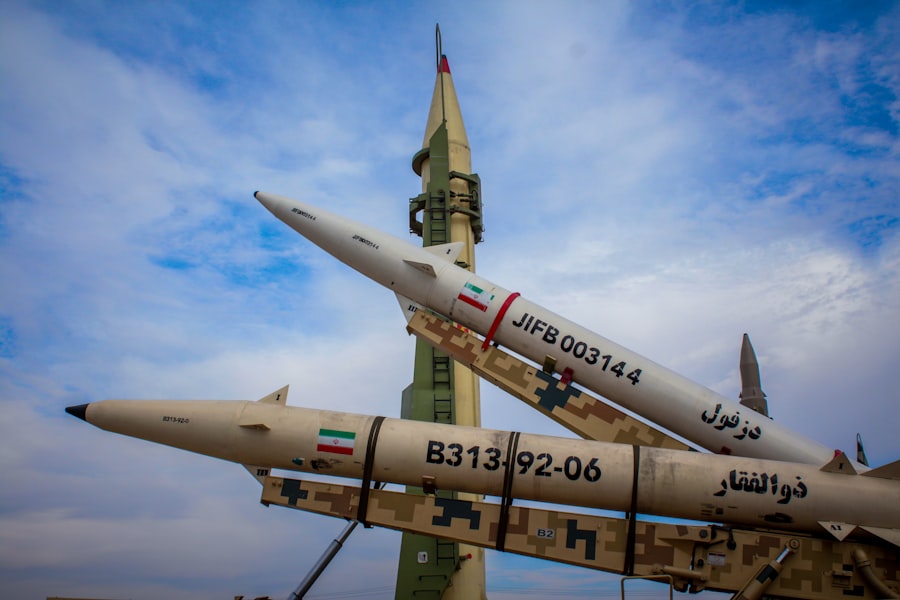
The process by which the US military acquires new weapons systems is notoriously complex and often criticized for its inefficiency. This intricate web of regulations, requirements, and approval processes can act as a significant impediment to rapid and effective missile production.
Lengthy and Cumbersome Procurement Cycles
The typical defense acquisition process can span many years, from initial concept and development through testing, validation, and full-rate production. This extended timeline can lead to outdated technology by the time a missile system enters widespread deployment. It also makes it difficult to respond quickly to evolving threats or to ramp up production in response to immediate geopolitical needs. The slow pace can also discourage private investment, as companies face uncertainty about long-term contracts and the potential for program cancellations.
Overly Prescriptive Specifications and Requirements
While rigorous testing and stringent requirements are essential for ensuring the effectiveness and safety of weapons systems, overly prescriptive specifications can stifle innovation and increase production costs. When requirements are too detailed, they can limit the ability of contractors to find more efficient or cost-effective manufacturing methods. This can also lead to a lack of flexibility when unforeseen production challenges arise, as deviations from the approved specifications can trigger lengthy re-approval processes.
The “Valley of Death” in Technology Transition
A significant challenge lies in transitioning promising technologies from research and development to actual production. This “valley of death” often occurs when promising prototypes are developed but fail to secure the necessary funding or program commitment for mass production. The risks associated with scaling up production, the potential for technical glitches in real-world conditions, and the sheer cost of manufacturing can lead to programs being shelved, even if the underlying technology is sound.
The Impact of Political Cycles and Budgetary Uncertainty
Defense programs are often subject to the vagaries of political cycles and budgetary uncertainties. Changes in administration, shifts in national priorities, and economic downturns can lead to program cancellations, reduced funding, or significant delays. This lack of consistent, long-term funding creates an unstable environment for defense contractors, making it difficult for them to invest in the infrastructure and workforce needed for sustained missile production.
The Challenge of Maintaining a Robust Research and Development Pipeline
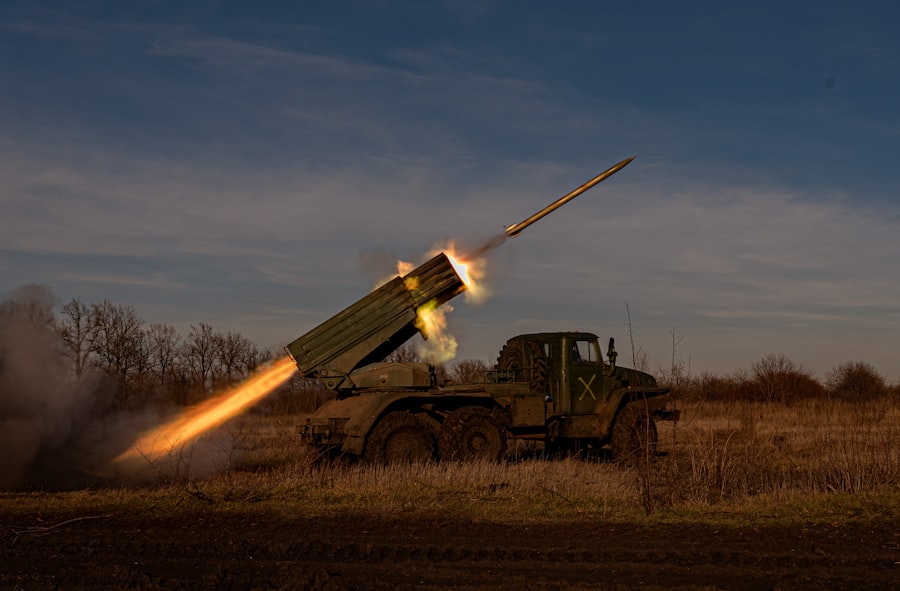
While the US excels at innovation, translating groundbreaking research into a sustainable production capability requires a continuous and well-funded pipeline of new technologies and improved designs.
The Gap Between Lab and Factory
There often exists a significant gap between the laboratory where a new missile concept is proven and the factory floor where it needs to be manufactured at scale. This transition requires overcoming engineering challenges, developing new manufacturing processes, and ensuring that the technology can be produced reliably and affordably. This phase of development is often underfunded and can be a major hurdle for advanced weapons systems.
The Need for Continuous Modernization
The threat landscape is constantly evolving, and adversaries are continuously developing new capabilities. To maintain a strategic advantage, the US must not only produce existing missile systems but also continuously develop and modernize them. This requires sustained investment in research and development to create next-generation weapons with improved performance, enhanced survivability, and novel capabilities. Without this continuous innovation, existing missile inventories can become obsolete.
Balancing Innovation with Production Readiness
There is often a tension between pushing the boundaries of innovation and ensuring that new technologies are production-ready. Highly experimental designs, while potentially revolutionary, may be difficult or impossible to manufacture at scale or at an acceptable cost. Finding the right balance between cutting-edge research and practical, manufacturable designs is a constant challenge for the defense industrial complex.
The Cost of Cutting-Edge Research
Cutting-edge research and development are inherently expensive. Developing novel materials, advanced guidance systems, and sophisticated propulsion technologies requires significant investment in scientific talent, specialized equipment, and testing facilities. Ensuring adequate and consistent funding for these R&D efforts is crucial for maintaining a technological edge.
The ongoing challenges in US missile production have raised concerns about national security and military readiness. Recent reports highlight significant delays and shortages in critical components, which could hinder the effectiveness of defense strategies. For a deeper understanding of these issues, you can read a related article that discusses the implications of these production problems on military operations and future defense policies. Check it out here: In the War Room.
Geopolitical Pressures and the Demand for Increased Production
| Issue | Impact | Solution |
|---|---|---|
| Supply chain disruptions | Delayed production timelines | Seek alternative suppliers |
| Quality control issues | Increased risk of malfunction | Implement stricter quality checks |
| Cost overruns | Budget constraints | Reevaluate project budget and expenses |
The current global security environment, characterized by rising tensions and the resurgence of great power competition, has placed unprecedented pressure on the US defense industrial base to increase missile production.
The War in Ukraine and the Depletion of Stockpiles
The ongoing conflict in Ukraine has led to a significant drawdown of US and allied military stockpiles, including various types of missiles. This has created an urgent demand to replenish these reserves, straining existing production lines and highlighting the challenges of rapidly scaling up manufacturing to meet sustained, high-volume requirements. The sheer volume of munitions expended in the conflict has served as a stark reminder of the need for robust industrial capacity.
Rising Tensions in the Indo-Pacific
The strategic rebalancing towards the Indo-Pacific and concerns about potential conflicts in the region have also driven a need for increased investment in missile capabilities. This includes both defensive systems to protect naval assets and offensive systems to deter aggression. The vast distances involved in this theater of operations necessitate the development and production of long-range, precision-guided munitions.
The Global Demand for Missile Defense Systems
In addition to offensive missile capabilities, the demand for advanced missile defense systems has also surged globally. Numerous countries are seeking to bolster their defenses against ballistic and cruise missile threats, creating a competitive market and further stressing the manufacturing capacity of US defense contractors. The production of interceptor missiles, radar systems, and associated command and control infrastructure requires specialized industrial capabilities.
The Need for Faster Production Cycles
In a rapidly evolving geopolitical landscape, the ability to produce and deploy weapons systems quickly is paramount. The traditional, lengthy acquisition cycles are increasingly out of sync with the pace of modern conflict. There is a growing imperative to find ways to accelerate missile production without compromising quality or safety, which presents a significant logistical and industrial challenge.
In conclusion, the challenges facing US missile production are multifaceted and interconnected. Addressing them requires a comprehensive, long-term strategy that encompasses strengthening the industrial base, investing in workforce development, streamlining acquisition processes, fostering innovation, and adapting to the dynamic geopolitical landscape. Failure to adequately address these challenges could have significant implications for US national security and its ability to project power and maintain global stability. The path forward demands strategic foresight, sustained investment, and a willingness to adapt to the evolving realities of defense manufacturing in the 21st century.

What Happens If China Moves Before America Rearms?
FAQs
What are the current issues with US missile production?
The US missile production is facing several challenges, including supply chain disruptions, material shortages, and production delays. These issues have impacted the timely delivery of missiles to the military.
How are supply chain disruptions affecting US missile production?
Supply chain disruptions, caused by factors such as the COVID-19 pandemic and geopolitical tensions, have led to delays in the delivery of critical components and materials needed for missile production. This has resulted in production bottlenecks and reduced output.
What material shortages are impacting US missile production?
Material shortages, particularly in rare earth elements and specialized metals used in missile production, have hindered the manufacturing process. These shortages have forced manufacturers to seek alternative sources and technologies to mitigate the impact on production.
How are production delays affecting the US military’s capabilities?
Production delays have resulted in a reduced supply of missiles for the US military, impacting its readiness and ability to respond to potential threats. The delays have also affected planned upgrades and modernization efforts for missile systems.
What steps are being taken to address the issues in US missile production?
Efforts are underway to address the challenges in US missile production, including diversifying supply chains, investing in domestic manufacturing capabilities, and collaborating with allies to secure critical materials. Additionally, the government is working to streamline regulatory processes and support research and development in advanced manufacturing technologies.