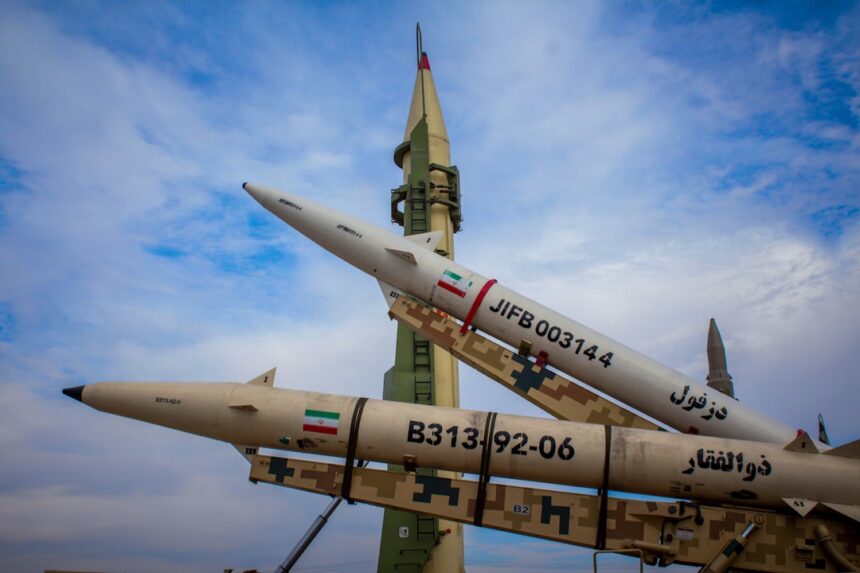
The Iran-Iraq War, a brutal and protracted conflict that raged from 1980 to 1988, witnessed a significant and terrifying escalation with the introduction and widespread use of ballistic missiles. These weapons, often referred to as Scud missiles and their derivatives, transformed the nature of warfare, blurring the lines between the battlefield and civilian populations, and introducing a new era of terror and strategic calculus. This comprehensive overview will delve into the origins, deployment, impact, and lasting legacy of missiles during the Iran-Iraq War.
The Iran-Iraq War was initially characterized by conventional warfare, with ground offensives, artillery duels, and aerial bombardments dominating the battlefield. However, as the conflict stalemated and casualties mounted, both sides sought ways to break the deadlock and inflict maximum damage on the enemy. This quest for strategic advantage, coupled with the availability of Soviet-designed Scud missiles, led to the unprecedented deployment of these weapons against cities.
Soviet Origins and Proliferation
The Scud missile family, primarily the R-11 and its successor, the R-17 (NATO reporting name SS-1c Scud-B), originated in the Soviet Union. Designed as tactical ballistic missiles, they were intended for battlefield support and could deliver a substantial warhead over considerable distances. Following their development, these missiles became a key export item for the Soviet Union, reaching numerous client states across the Middle East.
Iran’s Acquisition and Development
Iran, seeking to bolster its defense capabilities during the war, actively pursued sources for advanced weaponry. While initially reliant on pre-revolution Western arms, the imposition of an arms embargo pushed Iran to seek alternatives. The Soviet Union, while not a direct ally of Iran, was also wary of a prolonged Iraqi victory and discreetly allowed or facilitated the transfer of Scud missiles, primarily from Libya, which had acquired them from Egypt. Furthermore, Iran began a determined effort to indigenously develop its missile program, leveraging acquired technology and expertise. This led to the production of the Oghab and Fajr series of rockets and missiles, albeit with limited range and accuracy compared to the Scuds.
Iraq’s Missile Prowess
Iraq, under Saddam Hussein, was a more prominent recipient of Soviet military aid. They possessed a significant number of Scud missiles, which they utilized with devastating effect. Iraq also invested heavily in reverse-engineering and modifying Soviet designs, leading to improved variants and the development of longer-range missiles like the Al-Hussein and Al-Abbas. These indigenous efforts, often aided by foreign expertise, allowed Iraq to achieve a greater reach and a more consistent supply of missile weaponry.
During the Iran-Iraq War, the use of various missile systems played a crucial role in the conflict, significantly impacting military strategies and civilian populations. For a deeper understanding of the missile technologies employed during this period, you can read a related article that explores the evolution and effectiveness of these weapons. For more information, visit this article.
The “War of the Cities”: A Terrifying Escalation
The decision to target urban centers with ballistic missiles marked a significant and morally reprehensible turning point in the Iran-Iraq War. This strategy, often referred to as the “War of the Cities” (also known as the “Missile War” or “Scud War”), aimed to break the enemy’s will to fight by inflicting civilian casualties and disrupting daily life.
Strategic Objectives and Rationale
The primary objective behind the War of the Cities was to exert psychological pressure on the enemy leadership and population. By bringing the war directly into the heart of their cities, both Iran and Iraq hoped to force concessions, undermine morale, and ultimately achieve a decisive victory. For Iraq, it was also a means of retaliating against Iranian cross-border raids and gaining parity in striking distant targets, especially after Iran began launching air raids deep into Iraqi territory. Iran, initially less equipped with long-range missiles, eventually retaliated in kind, albeit with less frequency and power in the early stages.
Targets and Impact on Civilian Populations
The missiles, due to their inherent inaccuracy, could not distinguish between military and civilian targets. Cities like Tehran, Qom, Isfahan, and Ahvaz in Iran, and Baghdad, Basra, and Kirkuk in Iraq, bore the brunt of these attacks. The impact on civilian populations was catastrophic. Thousands of civilians were killed and injured, and the constant threat of missile strikes created widespread fear and displacement. Infrastructure, including residential areas, hospitals, and factories, was heavily damaged. The psychological toll of living under the threat of indiscriminate rocket attacks was immense, leading to a pervasive sense of dread and uncertainty.
The “Scud Storm” and its Evolution
As the War of the Cities intensified, the frequency and scale of missile attacks increased. Iraq, in particular, launched waves of Scud missiles, leading to what became known as the “Scud Storm.” These barrages were designed to overwhelm air defenses and maximize damage. Iran, while initially outmatched in terms of missile numbers, responded with its own missile attacks and by utilizing its air force and artillery to retaliate against Iraqi cities and military targets. The back-and-forth nature of these exchanges demonstrated the devastating potential of ballistic missiles in asymmetric warfare.
Technological Capabilities and Limitations

Despite their terrifying destructive potential, ballistic missiles deployed during the Iran-Iraq War were far from perfect. Their technological limitations significantly impacted their effectiveness and contributed to their indiscriminate nature.
Scud Variants: Range and Accuracy
The primary missile employed was the Soviet-made Scud, specifically the Scud-B, with a range of approximately 300 kilometers. Iraq, through reverse-engineering and modifications, developed longer-range variants like the Al-Hussein (around 650 km) and Al-Abbas (over 900 km). While these extended ranges allowed them to strike deeper into enemy territory, the accuracy remained a significant issue. The Circular Error Probable (CEP) – a measure of missile accuracy – for Scuds was measured in kilometers, meaning they were inherently imprecise weapons. This lack of precision was a major reason for their devastating impact on civilian areas.
Warhead Types and Delivery
Scud missiles typically carried high-explosive warheads, weighing several hundred kilograms. These warheads were designed to cause maximum blast and fragmentation damage. While effective against infrastructure and personnel, they lacked the sophisticated submunitions or precision-guided capabilities found in modern missile systems. The delivery mechanism, a ballistic trajectory, meant that once launched, the missile was largely beyond any form of guidance or control.
Air Defense Challenges
Both Iran and Iraq possessed limited and largely ineffective air defense systems against ballistic missiles. While they could intercept slower-moving aircraft, the speed and trajectory of ballistic missiles posed a significant challenge. Early warning systems were rudimentary, and interceptor missiles capable of engaging ballistic threats were rare and often unsuccessful. This vulnerability further emboldened the missile attackers and exacerbated the terror experienced by civilian populations.
International Involvement and the Arms Trade
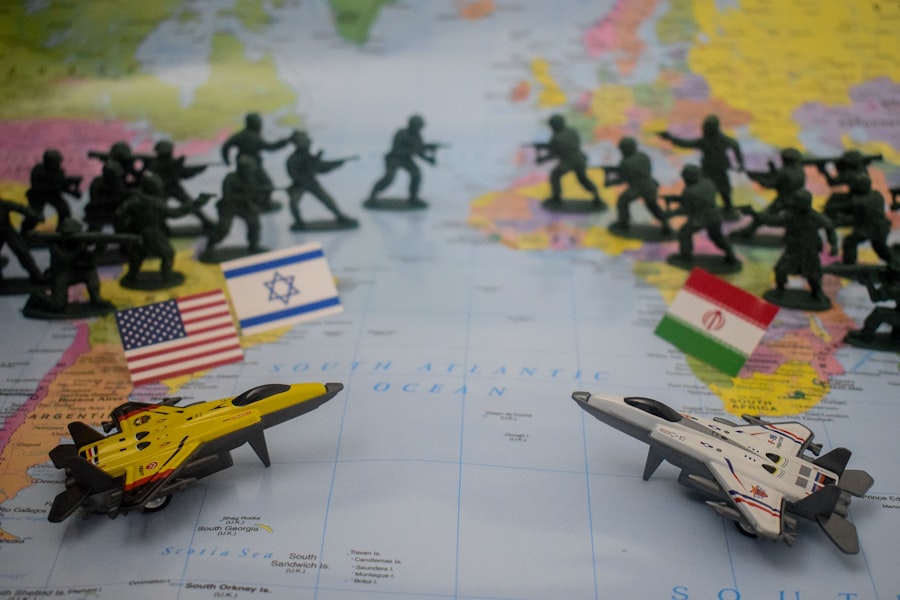
The proliferation of missiles during the Iran-Iraq War was not solely an internal affair. International actors, driven by strategic interests and economic incentives, played a crucial role in supplying the technology and expertise that fueled this devastating escalation.
The Soviet Union’s Role
While officially maintaining neutrality, the Soviet Union’s actions were instrumental in the availability of Scud missiles. Their willingness to supply these weapons, albeit indirectly through third parties, to Iraq significantly tipped the scales in terms of missile capabilities. Their motivations were complex, ranging from maintaining influence in the region to securing economic benefits through arms sales.
Western and Other Suppliers
Beyond the Soviet Union, other nations were involved in the missile trade. North Korea, a major proliferator of missile technology, is widely believed to have provided assistance and components to Iraq for its indigenous missile program. Western countries, while officially denouncing the use of chemical weapons, were often hesitant to impose stringent arms embargoes that could have limited the supply of all weaponry, including missile components and technologies, to the warring parties. Some countries provided dual-use technologies that could be adapted for missile development.
The Broader Arms Bazaar
The Iran-Iraq War created a vast and lucrative arms bazaar, with various countries and entities profiting from the conflict. The demand for advanced weaponry, including missiles, outstripped the immediate production capabilities of the belligerents, leading to a complex network of suppliers and intermediaries. This international involvement inadvertently contributed to the escalation of missile warfare, turning regional conflicts into theaters for the testing and deployment of increasingly destructive technologies.
The use of advanced missile technology during the Iran war has been a topic of extensive analysis, highlighting the strategic implications of these weapons on the battlefield. For a deeper understanding of the various missile systems employed and their impact on military operations, you can read a related article that delves into this subject. The article provides insights into the evolution of missile capabilities and their role in shaping the conflict. To explore this further, visit this insightful piece.
The Legacy of Missile Warfare in the Iran-Iraq War
| Missile Type | Quantity Used | Target |
|---|---|---|
| Ballistic Missiles | Unknown | Various military targets in Iraq |
| Cruise Missiles | Unknown | Various military targets in Iraq |
| Surface-to-Air Missiles | Unknown | Used for defense against incoming attacks |
The widespread use of ballistic missiles during the Iran-Iraq War left an indelible mark on the conduct of warfare and had profound long-term consequences for the region and beyond.
The Birth of Urban Ballistic Missile Warfare
The War of the Cities fundamentally altered the perception of what constituted a legitimate target in warfare. It demonstrated the terrifying potential of ballistic missiles to inflict widespread civilian casualties and sow terror, even when deployed by technically unsophisticated states. This precedent had a lasting impact on military thinking and the development of missile proliferation strategies globally.
Iran’s Missile Program Development
The war served as a crucible for Iran’s nascent missile program. Faced with Iraqi missile attacks, Iran accelerated its efforts to develop and acquire missile technology. This drive led to the establishment of a robust indigenous missile industry, which continues to be a significant factor in regional security dynamics. The lessons learned and the capabilities developed during the war laid the foundation for Iran’s current missile arsenal.
Lessons for International Arms Control
The uncontrolled proliferation of ballistic missiles during the Iran-Iraq War highlighted the urgent need for more effective international arms control mechanisms. The war underscored the dangers of supplying advanced weaponry to states engaged in protracted conflicts and the challenges of preventing the diversion of dual-use technologies for military purposes. This has influenced subsequent international efforts to curb missile proliferation.
A Lingering Fear and Strategic Tool
The memory of the War of the Cities continues to cast a shadow over the Middle East. Ballistic missiles remain a significant strategic tool for many regional powers, and their potential use in future conflicts remains a source of anxiety. The lessons of the Iran-Iraq War serve as a stark reminder of the devastating humanitarian consequences that can arise from the indiscriminate use of these weapons. The conflict irrevocably demonstrated that the future of warfare would increasingly involve the terrifying reach of ballistic missiles, blurring the lines between combatant and civilian, and leaving a lasting legacy of fear and the pursuit of strategic deterrence.

What Happens If China Moves Before America Rearms?
FAQs
What types of missiles were used during the Iran war?
During the Iran war, a variety of missiles were used, including ballistic missiles, cruise missiles, and anti-ship missiles. These missiles were used by both Iran and its adversaries.
Which countries supplied missiles to Iran during the war?
During the Iran war, Iran received missile technology and support from various countries, including China, North Korea, and Russia. These countries supplied Iran with ballistic missiles, cruise missiles, and other missile systems.
How were missiles used during the Iran war?
Missiles were used during the Iran war for a variety of purposes, including targeting enemy military installations, naval vessels, and infrastructure. Both Iran and its adversaries used missiles to carry out strategic and tactical strikes.
What impact did missiles have on the Iran war?
Missiles played a significant role in the Iran war, causing destruction to military and civilian targets, as well as impacting the overall strategic and tactical dynamics of the conflict. The use of missiles also contributed to casualties and damage on both sides of the conflict.
Were there any international repercussions for the use of missiles during the Iran war?
The use of missiles during the Iran war led to international condemnation and raised concerns about the escalation of the conflict. The use of missile technology and the potential for further proliferation of such weapons also prompted international efforts to address the situation through diplomatic and political means.