The Elusive Beast: Navigating the Challenges of Tracking Soviet Submarine Carrier Groups
The twilight years of the Cold War saw a significant shift in Soviet naval doctrine. Beyond the traditional focus on submarine-launched ballistic missiles and anti-ship operations, the Soviet Union began to develop and deploy increasingly sophisticated submarine carrier groups. These formations, centered around conventionally powered or nuclear-powered submarines capable of deploying and recovering aircraft, presented a novel and deeply troubling challenge to Western naval planners and intelligence agencies. The sheer novelty of such a capability, coupled with the inherent stealth of submarines, created a complex web of operational and technological hurdles that made intercepting these elusive groups a daunting, and at times, seemingly insurmountable task.
The concept of a submarine carrier was not entirely new. Early naval powers had experimented with submarines carrying small aircraft for reconnaissance. However, the Soviet Union’s ambition was on a far grander scale. They envisioned submarines not just carrying a handful of aircraft, but acting as mobile air bases capable of projecting power far from their own shores. This meant a shift from submarines primarily focused on offensive missile strikes or fleet destruction to platforms that could provide close air support, conduct reconnaissance and electronic warfare, and even launch anti-submarine warfare (ASW) missions against enemy fleets, all while retaining the inherent survivability of a submerged platform. The implications for Western naval dominance, particularly for carrier strike groups, were profound. A submarine capable of launching aircraft posed a significant threat, able to attack from unexpected vectors and at ranges that traditional surface escorts might not anticipate or be able to effectively counter.
The challenges associated with intercepting Soviet submarine carrier groups have been a topic of extensive analysis in military strategy discussions. For a deeper understanding of this issue, you can refer to a related article that explores the complexities of underwater warfare and the tactics employed by naval forces. This article provides valuable insights into the technological advancements and strategic considerations that shape the interception of submarine groups. To read more, visit this link.
## Stealth and Signature Management: The Submarine’s Natural Advantage
The primary and most significant challenge in intercepting any Soviet submarine, let alone a carrier group, lay in its inherent stealth. Submarines, by their very nature, operate beneath the surface of the ocean, a vast and largely opaque environment. This fundamental characteristic granted them an enormous advantage in remaining undetected, a principle amplified by the Soviet Union’s dedication to developing advanced quieting technologies and sophisticated sonar countermeasures.
### The Acoustic Footprint: Minimizing Detectability
Soviet submarine designers poured significant resources into reducing the acoustic signature of their vessels. This involved a multi-pronged approach. Firstly, improvements in hull design and construction aimed to minimize the generation of flow noise, the sound created by water moving over the hull. Sophisticated hydrodynamic shaping and the use of advanced materials that absorbed or dampened sound were crucial in this regard. Secondly, and perhaps more critically, was the meticulous attention paid to the silencing of machinery. Engine mounts were heavily insulated, propeller designs were optimized for minimal cavitation (the formation of bubbles that produce noise), and the overall layout of internal components was reconfigured to isolate and dampen vibrations. The goal was to make the submarine sound as much like the ambient ocean noise as possible, a near-impossible feat that the Soviets relentlessly pursued. This constant effort to reduce their acoustic footprint meant that even the most advanced Western passive sonar systems struggled to acquire and track these submarines at significant ranges, forcing ASW forces to operate much closer to the potential threat, thereby increasing their own vulnerability.
### Non-Acoustic Signatures: A Growing Concern
While acoustic stealth was paramount, Soviet submarine designers were also cognizant of other potential detection methods. These non-acoustic signatures, though often weaker than acoustic ones, could provide alternative avenues for detection, especially in specific environmental conditions or with specialized sensors. Magnetic anomaly detectors (MAD), which sense disturbances in the Earth’s magnetic field caused by a large metal object like a submarine, were a concern. Soviet submarines employed degaussing systems to reduce their magnetic signature, essentially neutralizing their magnetic field. Furthermore, advancements in thermal imaging, which could potentially detect the heat signature of a submarine’s machinery or exhaust, were also addressed through improved insulation and cooling systems. The development of periscope technology also evolved, with Soviet subs aiming to minimize the time their periscopes were exposed above the water, thus reducing their visual and radar detectability. The constant cat-and-mouse game involved understanding and countering these diverse signature management techniques, a task that required constant innovation in Western sensor technology.
## Operational Doctrine and the Submarine Carrier Group’s Tactical Advantage
The Soviet Union’s embrace of the submarine carrier group was not merely a technological endeavor; it was rooted in a deliberate shift in operational doctrine. This new approach aimed to leverage the unique capabilities of a submerged air base to achieve strategic objectives and counter Western naval superiority.
### Unforeseen Attack Vectors and Threat Multiplication
The most significant tactical advantage conferred by a submarine carrier group was its ability to project air power from unexpected directions. Unlike traditional aircraft carriers, which were large, surface vessels with predictable operating areas, a submerged carrier could launch its aircraft from a vastly wider range of locations. This meant that Western naval forces, particularly ASW escorts that were designed to protect surface carriers, found themselves facing threats emerging from the depths. Aircraft launched from submarines could conduct surprise attacks, reconnaissance missions, or electronic warfare operations, bypassing established defensive perimeters and catching adversaries off guard. This ability to multiply threats from an unconventional platform fundamentally altered the risk calculus for Western navies. The psychological impact of facing an enemy that could appear virtually anywhere, launching aircraft from beneath the waves, was also a significant factor.
### Extended Operational Reach and Endurance
Submarines, especially nuclear-powered variants, possess a significantly greater operational range and endurance compared to surface vessels, which are more susceptible to weather and require more frequent resupply. A submarine carrier group, by operating submerged, could maintain a presence in forward operating areas for extended periods, shielded from the elements and less reliant on logistical support. This extended reach allowed the Soviets to challenge Western naval dominance in regions far from their own shores, presenting a persistent threat that required constant vigilance and resource allocation from opposing forces. The ability to operate independently for prolonged durations meant that Western forces could not simply wait for the submarine carrier group to emerge and engage; they had to actively hunt and track it across vast ocean expanses, a task that strained their ASW capabilities.
## Technological Hurdles in Detection and Interception
The inherent stealth and unique operational profile of Soviet submarine carrier groups presented a formidable array of technological challenges for Western intelligence and naval forces tasked with their detection and interception. These hurdles spanned the spectrum of sensor technology, data processing, and coordinated operational responses.
### Limitations of Sonar in Complex Environments
While sonar remains the cornerstone of submarine detection, its effectiveness is significantly hampered in the complex acoustic environments of the open ocean. Factors such as thermoclines, which create layers of water with different temperatures and densities, can refract sonar signals, creating “dead zones” where submarines can hide. The presence of numerous surface vessels, marine life, and even seismic activity can generate a cacophony of noise that masks the faint sounds of a distant submarine. Soviet submarines were adept at exploiting these environmental conditions, often operating at depths and locations where sonar returns were unreliable or nonexistent. Furthermore, the advent of “quiet” submarines, employing advanced quieting techniques, pushed the limits of even the most sophisticated passive and active sonar systems. Active sonar, which pings the environment to detect objects, risked revealing the ASW platform’s own position, a significant tactical disadvantage against a stealthy adversary. Passive sonar, while safer, required the submarine to emit detectable sounds, and the Soviets worked tirelessly to minimize these emissions.
### Challenges in Tracking and Targeting Aircraft Operations
The true threat of a submarine carrier group lay not just in the submarine itself, but in the aircraft it could deploy. Tracking a submarine that periodically surfaced or launched aircraft presented a unique set of challenges. Once an aircraft was launched, it became a different kind of target, potentially detectable by radar and airborne sensors. However, the very act of the submarine deploying or recovering aircraft often required it to operate closer to the surface, or to utilize a specialized mooring or launch/recovery system that might itself have a detectable signature. The challenge was in correlating the airborne threat with its submerged origin. Furthermore, the speed and maneuverability of the aircraft, coupled with the potential for them to operate at low altitudes to evade radar detection, made them difficult targets for many Western ASW platforms. The need to maintain a continuous track on both the submerged platform and its airborne assets, while simultaneously defending against them, placed immense strain on available resources.
The challenges associated with intercepting Soviet submarine carrier groups have been a topic of considerable discussion among military strategists. A recent article on this subject delves into various tactics and technologies that can enhance interception capabilities. For a deeper understanding of these complexities, you can read more in this insightful piece on the topic at In The War Room, which explores the evolving nature of naval warfare and the implications for modern defense strategies.
## The Intelligence Gathering Dilemma: Knowing Where to Look
| Metric | Description | Value | Unit |
|---|---|---|---|
| Number of Soviet Submarine Carriers | Total Soviet submarine carriers deployed in a typical group | 3-5 | units |
| Interception Range | Effective detection and engagement range of interception forces | 50-100 | nautical miles |
| Detection Probability | Likelihood of detecting a Soviet submarine carrier group | 0.75 | probability (0-1) |
| Interception Time | Average time to intercept after detection | 2-4 | hours |
| Number of Interceptor Units | Number of friendly units assigned to interception | 6-8 | units |
| Communication Delay | Time delay in command and control communication | 5-10 | minutes |
| Submarine Speed | Average speed of Soviet submarine carriers | 20-25 | knots |
| Interception Success Rate | Probability of successful interception once engaged | 0.60 | probability (0-1) |
Perhaps the most fundamental challenge in intercepting these elusive formations was the intelligence gathering dilemma: knowing where to look in the first place. The vastness of the oceans meant that even with the best technology, vast areas remained unexplored by ASW forces.
### Satellite Surveillance Limitations
While satellites offered a bird’s-eye view of the ocean’s surface, their utility in detecting submerged submarines was limited. Satellites equipped with radar could detect surface disturbances, but a well-disciplined submarine operating in calm seas could minimize these telltale signs. Optical and infrared sensors could detect temperature anomalies or visible periscopes, but the time a submarine spent at periscope depth was often fleeting and difficult to predict. Furthermore, cloud cover and the sheer scale of oceanic surveillance meant that even if a satellite passed over the right area at the right time, the chances of detecting a submerged submarine were slim. The Soviets were also aware of satellite reconnaissance and developed tactics to minimize their detectability from space, often operating in areas with rough seas or under the cover of darkness.
### Human Intelligence and Signal Interception
The traditional avenues of intelligence gathering – human sources and signals intelligence (SIGINT) – played a crucial role, but also presented their own set of challenges. Obtaining actionable intelligence on the specific deployment areas and operational plans of Soviet submarine carrier groups was difficult. Human intelligence on the Soviet naval program was valuable but often fragmented and subject to long lead times. Signals intelligence, which involved intercepting enemy communications, offered more immediate insights, but Soviet submarines were equipped with sophisticated communication security measures. Encrypted transmissions, burst transmissions, and the use of specialized communication channels made it difficult to intercept and decipher their messages. The challenge was not just in intercepting signals, but in understanding their context and correlating them with the location and activities of the submarine carrier group.
## The Counter-Strategy: Evolving ASW Capabilities
Faced with these formidable challenges, Western naval powers recognized the imperative to evolve their anti-submarine warfare (ASW) capabilities. The threat posed by Soviet submarine carrier groups spurred a period of intense innovation and strategic reassessment.
### Network-Centric Warfare and Integrated Sensors
The key to countering the dispersed and stealthy nature of submarine carrier groups lay in creating a more integrated and responsive ASW network. This led to the development of network-centric warfare concepts, where disparate sensor platforms – including surface ships, submarines, maritime patrol aircraft, and even satellites – shared data in real-time. By fusing information from multiple sources, ASW forces could build a more comprehensive picture of the underwater battlespace, increasing the probability of detecting and tracking a submerged threat. This “sensor fusion” approach aimed to overcome the limitations of individual sensor types by leveraging their complementary strengths. For example, a satellite might detect a surface anomaly, which could then be investigated by a patrol aircraft, which in turn could guide a hunter-killer submarine to the suspected location.
### Advanced Sonar Technologies and Data Processing
Significant advancements were made in sonar technology itself. New sonar arrays with improved processing capabilities, designed to distinguish faint signals from background noise, were developed. This included towed arrays, which could be deployed further from the escorting vessel, and sophisticated algorithms for analyzing sonar data. Furthermore, the development of advanced data processing techniques, including artificial intelligence and machine learning, began to play a role in sifting through the vast amounts of sonar data, identifying potential contacts, and predicting submarine behavior. The ability to process and analyze acoustic data at speeds and with accuracies previously unimaginable was crucial in the fight against increasingly quiet submarines. The emphasis shifted from simply detecting a sound to understanding the characteristics of that sound and distinguishing it from irrelevant noise.
The challenge of intercepting Soviet submarine carrier groups was a stark illustration of the evolving nature of naval warfare in the latter half of the 20th century. It highlighted the critical interplay between technological prowess, operational doctrine, and intelligence gathering capabilities. While the Soviet Union never achieved the widespread deployment of its submarine carrier concept that was initially feared, the pursuit of this capability undoubtedly forced Western navies to adapt and innovate, ultimately leading to the sophisticated ASW systems and integrated networks that characterize modern naval operations. The ghosts of these elusive underwater air bases continue to inform naval strategy, a testament to the enduring impact of their development on the global maritime balance.
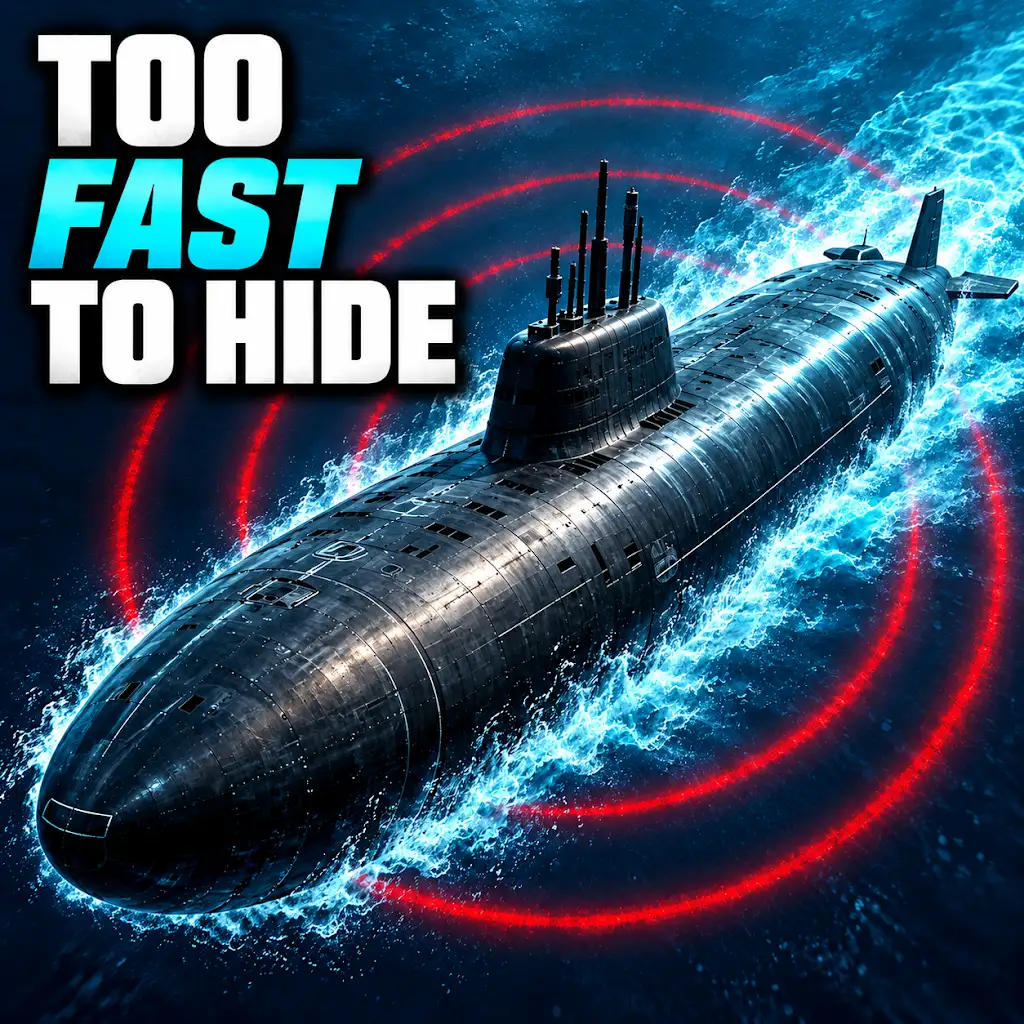
The Soviet Submarine That Broke a Speed Record—and Its Own Stealth
FAQs
What is a Soviet submarine carrier group?
A Soviet submarine carrier group refers to a group of submarines that were used by the Soviet Union for various military operations, including surveillance, reconnaissance, and potential attacks on enemy ships.
What was the interception problem faced by the Soviet submarine carrier group?
The interception problem faced by the Soviet submarine carrier group refers to the challenges and difficulties they encountered when trying to intercept and engage enemy ships, particularly aircraft carriers, during military operations.
What factors contributed to the interception problem for the Soviet submarine carrier group?
Several factors contributed to the interception problem for the Soviet submarine carrier group, including the advanced technology and capabilities of enemy ships, the effectiveness of enemy anti-submarine warfare tactics, and the limitations of Soviet submarine technology at the time.
How did the Soviet Union attempt to address the interception problem?
The Soviet Union attempted to address the interception problem by developing and deploying new submarine technologies, improving their anti-submarine warfare tactics, and conducting training exercises to enhance the skills of their submarine crews.
Did the Soviet Union successfully overcome the interception problem?
While the Soviet Union made efforts to overcome the interception problem, it remained a significant challenge for their submarine carrier group throughout the Cold War era. The effectiveness of their solutions varied, and the interception problem continued to impact their military operations.