The Catholic Church has long been a vocal advocate for solidarity, a concept deeply embedded within its theological and ethical framework. This commitment is not merely a passive declaration but a lived reality, expressed through a myriad of initiatives and teachings that aim to foster a sense of interconnectedness and mutual responsibility among all people. The Church views solidarity as a vital antidote to the individualism and fragmentation that can plague modern society, emphasizing that humanity is a single family, bound by shared dignity and a common destiny. This article will explore the multifaceted ways in which the Catholic Church promotes solidarity, examining its theological underpinnings, practical expressions, and the ongoing challenges and opportunities in realizing this ideal.
The Church’s promotion of solidarity is deeply rooted in its understanding of God, creation, and humanity. These foundational beliefs provide the bedrock upon which its social teachings and practical actions are built.
The Social Nature of God
At the heart of Catholic theology is the concept of the Trinity: one God in three persons – Father, Son, and Holy Spirit. This divine communion is the ultimate model of relationship and interdependence. The Church teaches that God, in His very being, is relational. This means that God exists in an eternal exchange of love and unity. This intrinsic relationality of God serves as a profound inspiration for human beings, who are created in God’s image and likeness. If God is inherently communal, then humanity, as a reflection of God, is also called to live in communion and solidarity. The Trinity demonstrates that true fulfillment and perfection are found not in isolation but in loving relationship. Therefore, the Church posits that a rejection of solidarity is, in a fundamental sense, a rejection of the divine nature itself, which calls us towards unity and love. This theological understanding encourages individuals to see themselves not as isolated units but as integral parts of a larger whole, mirroring the interconnectedness of the divine persons.
Creation as a Unified Whole
The Book of Genesis presents creation as a singular, divinely ordained act. God created the heavens and the earth, and all that inhabits them, as a unified and harmonious whole. This foundational narrative underscores the interconnectedness of all created things. The Church interprets this to mean that humanity is not separate from the rest of creation but is intimately linked to it. Furthermore, within humanity itself, there is an inherent unity. The creation accounts, particularly the concept of Adam and Eve as progenitors of all humankind, emphasize a shared origin and a common humanity. This shared origin implies a shared responsibility for one another and for the planet. The Church’s emphasis on the sacrament of creation and the stewardship of the Earth stems directly from this understanding of an interconnected and integrated world. To harm one part of creation is, in essence, to harm the whole, and by extension, to harm ourselves. This perspective fosters a sense of responsibility that extends beyond immediate human relationships to encompass the entire natural order.
The Incarnation and the Universal Brotherhood of Man
The central event in Christian theology is the Incarnation – God becoming man in Jesus Christ. This act signifies God’s profound solidarity with humanity, entering into our human condition in its fullness, including suffering and death. Jesus lived among people, ate with them, healed them, and ultimately sacrificed Himself for them. This divine act of solidarity is the ultimate expression of God’s love and His desire to unite all humanity in Himself. The Incarnation breaks down all artificial barriers of race, nation, or social status, proclaiming a universal brotherhood of man under God. In Christ, the Church teaches, all distinctions that divide humanity are transcended. The Church sees itself as the Body of Christ on Earth, called to continue this mission of reconciliation and solidarity. Every individual, regardless of their background or circumstances, is seen as a child of God, worthy of love, respect, and support. This belief in the universal brotherhood of man is a powerful motivator for the Church’s social justice work and its calls for global solidarity. It underscores the inherent dignity of every person and the imperative to treat each other as brothers and sisters.
The Catholic Church has long emphasized the importance of solidarity, particularly in its social teachings that advocate for the dignity of every human being and the need for communal support. A related article that delves into this topic can be found at this link, where it explores how the principles of solidarity are applied in various social contexts and the Church’s role in promoting justice and compassion in the world.
Practical Expressions of Solidarity
The Catholic Church translates its theological commitment to solidarity into tangible actions and programs that address a wide spectrum of human needs, both locally and globally. These efforts demonstrate a consistent dedication to accompanying those who are marginalized, poor, and vulnerable.
Works of Charity and Social Justice
The Church’s commitment to the poor and marginalized is a cornerstone of its social teaching, articulated most famously in papal encyclicals such as Rerum Novarum and Caritas in Veritate. This commitment is not merely about providing temporary relief but about addressing the root causes of poverty and injustice.
Alleviating Poverty and Hunger
Catholic charities worldwide, such as Catholic Relief Services (CRS) and Caritas Internationalis, are at the forefront of efforts to combat poverty and hunger. These organizations implement programs that provide food aid, clean water, healthcare, and education to communities in need. They work to empower individuals and communities to become self-sufficient, fostering sustainable development and breaking cycles of poverty. This involves not only direct aid but also advocacy for policies that promote economic justice and equitable distribution of resources. The Church recognizes that poverty is often a result of systemic issues and advocates for structural changes that create a more just and equitable world for all.
Supporting Refugees and Migrants
The Church has consistently called for compassionate and just treatment of refugees and migrants, recognizing their inherent dignity and their often desperate circumstances. Dioceses and parishes around the world often provide shelter, legal assistance, and emotional support to those fleeing conflict, persecution, or economic hardship. The Church advocates for policies that uphold the rights of migrants and refugees, emphasizing the importance of humanitarian aid and the possibility of safe and legal pathways to migration. This commitment is rooted in the Gospel message of welcoming the stranger and caring for the sojourner, reflecting Jesus’ own experience as a refugee. The Church views the global migration crisis not as a political problem to be solved solely by governments, but as a human crisis requiring a response of profound compassion and solidarity.
Advocating for the Rights of Workers
From its earliest social encyclicals, the Church has championed the rights and dignity of workers. It advocates for fair wages, safe working conditions, and the right to organize. This advocacy extends to addressing issues of exploitation, child labor, and modern-day slavery. The Church encourages workers to form unions and to advocate for their rights collectively, recognizing the power of solidarity in achieving just labor practices. The Church’s stance on labor rights is based on the principle that work is not merely a means to an end but a participation in God’s creative activity and a source of human dignity. Therefore, the conditions of work must reflect this inherent dignity and respect the fundamental rights of all individuals.
The Catholic Church has long emphasized the importance of solidarity, particularly in its teachings on social justice and community support. A related article that explores this theme in depth can be found at In the War Room, where the intersection of faith and social responsibility is discussed. This resource highlights how the Church’s commitment to solidarity can inspire individuals and communities to work together for the common good, fostering a sense of unity and compassion in today’s world.
Education and Formation
The Church recognizes that solidarity is not just about material aid but also about fostering a culture of understanding, empathy, and shared responsibility. This is achieved through various educational and formation initiatives.
Catholic Schools as Centers of Solidarity
Catholic schools often serve as microcosms of solidarity, bringing together students from diverse backgrounds and fostering an environment of mutual respect and understanding. These institutions aim to educate not only academically but also morally and spiritually, instilling values of compassion, service, and social justice in their students. They often engage in service-learning projects that connect students with the wider community and expose them to the realities of poverty and inequality, encouraging them to become agents of positive change. The curriculum in Catholic schools often includes teachings on social justice and the Church’s ethical principles, preparing students to be responsible and compassionate citizens.
Formation Programs and Theological Education
Theological education within the Church emphasizes the social dimension of faith and the call to solidarity. Seminaries, religious formation programs, and adult education initiatives explore the Church’s social teachings in depth, equipping individuals with the knowledge and tools to engage in social action. These programs aim to foster a deeper understanding of the interconnectedness of humanity and the Church’s role in promoting a more just and peaceful world. They often encourage critical thinking about societal issues and the development of practical strategies for promoting solidarity.
Youth Ministry and Service Opportunities
Youth ministry programs often incorporate elements of service and solidarity, providing young people with opportunities to engage in hands-on work with those in need. These experiences can be transformative, shaping their worldview and fostering a lifelong commitment to social justice. Many Catholic youth organizations organize mission trips, volunteer opportunities, and awareness campaigns that highlight issues of poverty, environmental degradation, and human rights, encouraging young people to become active participants in building a more just and compassionate society.
Dialogue and Peacebuilding
Solidarity extends beyond immediate communities to fostering understanding and cooperation between different groups and nations. The Church actively promotes dialogue and peacebuilding initiatives.
Interfaith Dialogue
The Catholic Church actively engages in interfaith dialogue, recognizing that people of different faiths share common values and a desire for peace. These dialogues aim to build bridges of understanding, foster mutual respect, and identify areas for collaboration on social issues. By working together, people of different faiths can amplify their impact in promoting justice and peace in the world. The Church views interfaith dialogue not as an attempt to erase religious differences but as a means to celebrate shared humanity and to work towards common goals for the betterment of society.
Diplomacy and Advocacy for Peace
The Holy See, through its diplomatic channels, actively advocates for peace and the resolution of conflicts through negotiation and dialogue. The Church consistently calls for an end to war and violence, promoting disarmament and the protection of human rights. It uses its moral authority to encourage leaders to prioritize peaceful solutions and to address the root causes of conflict. Papal pronouncements and Vatican diplomatic efforts often focus on humanitarian concerns and the need for international cooperation to address global challenges. The Church’s commitment to peace is rooted in its understanding of Jesus as the Prince of Peace and its belief that all war is a failure of humanity.
Challenges to Promoting Solidarity
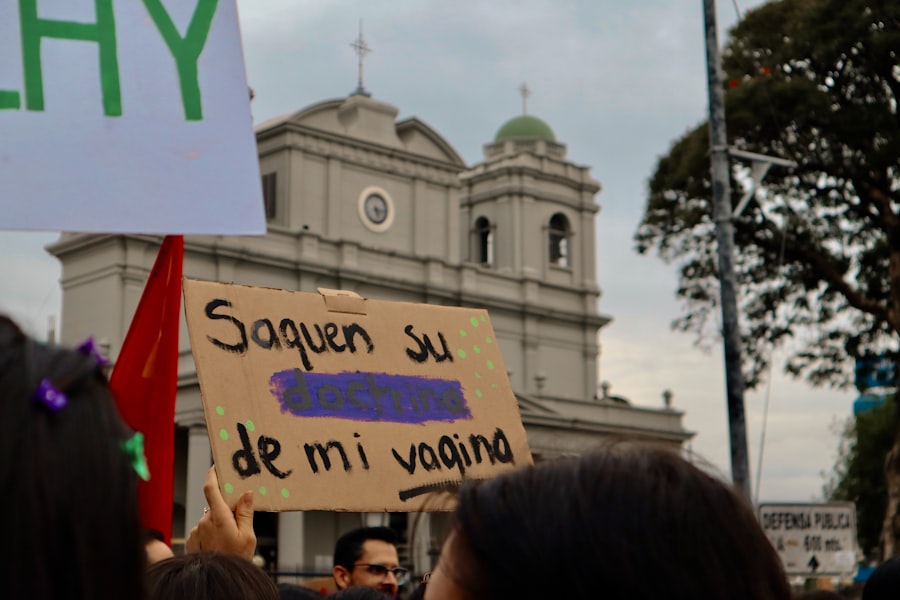
Despite its unwavering commitment, the Catholic Church faces significant challenges in its pursuit of promoting solidarity in an increasingly complex and often divided world. These challenges require ongoing reflection, adaptation, and unwavering commitment.
Individualism and Secularism
The rise of individualism, particularly in Western societies, presents a significant hurdle. A focus on personal autonomy and self-interest can sometimes overshadow the importance of communal responsibility and the interconnectedness of human beings. Secularism, which often separates religious values from public life, can also diminish the influence of the Church’s teachings on solidarity in the broader societal discourse. The Church often finds itself in a constant effort to articulate the relevance of its social teachings in a world that may not share its foundational beliefs. The emphasis on individual rights, while important, can sometimes be misinterpreted as a license for self-sufficiency that neglects the needs of others.
Globalization and Economic Disparities
While globalization offers opportunities for connection, it also exacerbates economic disparities and can lead to exploitation. The Church grapples with the challenges of ensuring that global economic systems benefit all people and do not further marginalize the poor and vulnerable. This involves advocating for fair trade practices, responsible investment, and policies that address the widening gap between the rich and the poor. The Church is acutely aware of how economic policies, often driven by profit motives, can have devastating human consequences, and it seeks to promote economic models that prioritize human dignity and the common good. The increasing interconnectedness of economies means that a crisis in one part of the world can have ripple effects everywhere, highlighting the need for global solidarity.
Political Polarization and Nationalistic Tendencies
The current global landscape is often marked by political polarization and resurgent nationalistic tendencies. These trends can create divisions, foster mistrust between nations, and hinder international cooperation, directly contradicting the Church’s call for universal solidarity. The Church often finds itself advocating for dialogue and understanding in contexts where animosity and division are prevalent. It encourages a vision of global citizenship that transcends national boundaries and embraces a shared humanity. The Church’s teachings on the universal destination of goods and the need for global cooperation in addressing common challenges are often at odds with narrow nationalistic agendas.
Internal Challenges and Divisions
The Catholic Church itself is not immune to internal challenges and divisions, which can sometimes impede its outward witness to solidarity. Debates over doctrine, governance, and pastoral approaches can create tensions and distract from the core mission of promoting unity and love. The Church must continually strive for internal coherence and unity to effectively promote solidarity in the wider world. Navigating these internal discussions while maintaining a clear and consistent message of solidarity is a constant undertaking for the Church.
The Future of Solidarity in the Church

Looking ahead, the Catholic Church continues to adapt and evolve its approach to promoting solidarity, seeking to meet the emerging challenges and opportunities of the 21st century. This involves a sustained commitment to its core principles while embracing new strategies and forms of engagement.
Embracing Digital Technologies for Connection
The Church is increasingly utilizing digital technologies to foster connection and promote solidarity. Online platforms, social media, and virtual events can be used to raise awareness about social justice issues, mobilize support for charitable causes, and connect individuals from diverse backgrounds. The digital realm offers new avenues for sharing stories of solidarity, facilitating global conversations, and building communities of faith and action across geographical boundaries. The Church sees these tools as powerful means to amplify its message and reach a wider audience, especially younger generations who are deeply immersed in the digital world.
Empowering Laity in Social Action
The role of the laity in promoting solidarity is becoming increasingly recognized and emphasized. Laypeople are often on the front lines of social action, engaging directly with communities and advocating for change. The Church seeks to empower the laity through education, formation, and support, enabling them to be effective agents of solidarity in their families, workplaces, and communities. This empowerment acknowledges that the mission of the Church is not solely the responsibility of clergy but is a shared endeavor of all baptized individuals. Lay movements and associations play a crucial role in translating Church teachings into practical action and fostering a culture of solidarity at the grassroots level.
Fostering Global Solidarity Networks
The Church is committed to strengthening global solidarity networks, connecting dioceses, religious communities, and charitable organizations across continents. These networks facilitate the sharing of best practices, the pooling of resources, and the coordination of efforts to address global challenges. By working collaboratively, these organizations can achieve a greater impact in their pursuit of justice and peace. The Church’s global presence provides a unique advantage in building these interconnected networks, allowing for a coordinated response to shared human needs.
Responding to New Social Issues
The Church continues to engage with new and emerging social issues that require a commitment to solidarity. This includes addressing the ethical implications of advancements in science and technology, advocating for environmental justice in the face of climate change, and promoting inclusive approaches to issues of gender and identity. The Church seeks to apply its timeless ethical principles to contemporary challenges, offering a moral compass and a call to compassionate action. This requires ongoing theological reflection and dialogue to ensure that its teachings remain relevant and responsive to the evolving needs of humanity.
The Catholic Church’s promotion of solidarity is a multifaceted and enduring endeavor. Rooted in profound theological truths and expressed through a wide array of practical actions, it seeks to build a world where every person is recognized as a beloved child of God, deserving of dignity, respect, and support. While challenges persist, the Church remains steadfast in its commitment, adapting its strategies and empowering its faithful to be agents of love, justice, and unity in an increasingly interconnected world. The ongoing pursuit of solidarity is not merely a program or a policy for the Church; it is an essential expression of its very identity and its deepest calling.

The $17 Million That Helped Destroy an Empire
FAQs
What is the Catholic Church’s teaching on solidarity?
The Catholic Church teaches that solidarity is a fundamental principle of social doctrine, emphasizing the interconnectedness of all people and the responsibility to work for the common good.
How does the Catholic Church promote solidarity?
The Catholic Church promotes solidarity through various means, including advocating for social justice, providing aid to the poor and marginalized, and encouraging dialogue and cooperation among different groups and nations.
What role does solidarity play in Catholic social teaching?
Solidarity is a key principle in Catholic social teaching, emphasizing the importance of recognizing the dignity of every person and working together to address social and economic inequalities.
How does the Catholic Church express solidarity with those in need?
The Catholic Church expresses solidarity with those in need through charitable works, advocacy for social justice, and by standing in solidarity with marginalized and oppressed communities.
Why is solidarity important in the Catholic Church?
Solidarity is important in the Catholic Church because it reflects the teachings of Jesus Christ to love one another and care for the least among us. It is also seen as a way to build a more just and compassionate society.