The allure of ancestry, the whispered stories of generations past, and the fundamental human desire to understand where we come from have long fueled genealogical pursuits. For centuries, family historians relied on dusty archives, faded documents, and the oral traditions passed down through families. These methods, while invaluable, often presented a fragmented picture, susceptible to gaps, inaccuracies, and the limitations of available records. However, the dawn of the 21st century has ushered in a revolutionary tool, transforming the landscape of family history research: DNA testing. This article delves into the intricate world of DNA family history investigation, exploring how genetic science unlocks ancestral secrets and connects individuals to their lineage in ways previously unimaginable.
The Genetic Blueprint: Understanding DNA’s Role in Genealogy
At its core, DNA is the biological instruction manual for life. It contains the genetic code inherited from our parents, which in turn was inherited from their parents, and so on, stretching back through countless generations. This inheritance is not a perfect copy; rather, it’s a recombination of genetic material from both maternal and paternal lines. For genealogical purposes, the most relevant types of DNA are autosomal DNA, Y-DNA, and mitochondrial DNA (mtDNA). Understanding the unique characteristics of each is crucial for effective ancestral exploration.
Autosomal DNA: The Broadest Ancestral Reach
Autosomal DNA is inherited from all of your ancestors, half from your mother and half from your father. Because it makes up the vast majority of our DNA, autosomal tests can trace your ancestry on both sides of your family, going back approximately six to eight generations. This is the most common type of DNA test offered by consumer genetic genealogy companies. The power of autosomal DNA lies in its ability to identify shared DNA segments with other individuals. When two people share a segment of autosomal DNA, it is highly probable that they share a common ancestor.
Y-DNA: Tracing the Paternal Lineage
Y-DNA is exclusively found in males and is passed down virtually unchanged from father to son. Therefore, Y-DNA testing is an excellent tool for tracing a paternal lineage. If you are male, a Y-DNA test can reveal your direct paternal ancestors for hundreds, even thousands, of years. For females, who do not possess a Y chromosome, Y-DNA testing can still be useful if they have a father, brother, paternal uncle, or paternal grandfather who is willing to provide a sample. The Y-DNA haplogroup assigned through this testing can also shed light on ancient migratory patterns and the deep origins of a paternal ancestral line.
Mitochondrial DNA: Following the Maternal Thread
Mitochondrial DNA (mtDNA) is inherited from the mother to all of her children, both male and female. Like Y-DNA, mtDNA is passed down with very little change over generations, making it ideal for tracing a maternal lineage. Through mtDNA testing, individuals can explore their direct maternal ancestors, extending back tens of thousands of years. The mtDNA haplogroup provides insights into the ancient migratory paths of human populations and the deep maternal roots of humanity. Understanding the specific type of mtDNA inherited can help identify maternal relatives across vast geographical distances and timeframes.
For those interested in exploring the fascinating world of DNA family history investigation, a related article can be found at this link: In the War Room. This article delves into the methodologies and technologies used in tracing lineage through genetic markers, providing insights into how DNA testing can uncover ancestral connections and enrich our understanding of family heritage.
Navigating the Genetic Landscape: Choosing the Right DNA Test

The proliferation of direct-to-consumer DNA testing services has made genetic genealogy more accessible than ever. However, with numerous companies offering different types of tests and varying analytical approaches, selecting the right one can be a daunting task. Each service has its strengths, weaknesses, and unique databases, impacting the kind of ancestral insights you can expect.
Comparing Major DNA Testing Companies
Leading companies in the genetic genealogy market include AncestryDNA, 23andMe, MyHeritage DNA, and FamilyTreeDNA. AncestryDNA boasts the largest autosomal DNA database, which significantly increases the chances of finding close and distant relatives. 23andMe offers a combination of ancestry estimation and health reports, appealing to those interested in both genealogical and wellness insights. MyHeritage DNA also has a substantial database, particularly strong in European ancestry, and offers tools for building family trees. FamilyTreeDNA is a pioneer in Y-DNA and mtDNA testing, making it the go-to choice for those focused on deep ancestral lineages.
Understanding Autosomal, Y-DNA, and mtDNA Offerings
When selecting a test, it is crucial to align the test type with your genealogical goals. If the primary aim is to discover relatives and explore recent ancestry (within the last 6-8 generations) on both sides of the family, an autosomal DNA test is the most appropriate choice. For men interested in tracing their paternal lineage as far back as possible, a Y-DNA test is essential. Women, or men wanting to explore their maternal line, should opt for an mtDNA test. Some individuals may even choose to take multiple types of tests to gain a comprehensive understanding of their genetic heritage.
The Importance of Database Size and Ethnicity Estimates
The size of a company’s DNA database is a critical factor in its ability to identify DNA matches. A larger database means a greater probability of finding individuals who share DNA with you, leading to more potential relatives and family tree connections. Ethnicity estimates are another key feature, providing a breakdown of your ancestral origins across different geographical regions. While these estimates are generally reliable, they are based on the reference populations the company uses, so they can vary between services. It is advisable to consult multiple ethnicity estimates to gain a broader perspective.
Building Your Family Tree with DNA Matches

DNA testing is not a standalone solution for uncovering your roots; it is a powerful complement to traditional genealogical research. The most exciting aspect of DNA testing is the ability to connect with living relatives, known as DNA matches. These individuals have also tested their DNA, and the companies’ algorithms have identified shared genetic markers. By collaborating with these matches, researchers can often break through genealogical brick walls and extend their family trees.
Interpreting Your DNA Matches
Once you receive your DNA results, you will be presented with a list of DNA matches. These matches are typically ranked by the amount of DNA you share, indicating how closely related you are likely to be. Companies provide estimates of the relationship, such as “close-relative,” “second cousin,” or “fourth cousin.” It is important to remember that these are estimations, and the actual relationship can sometimes vary. A shared DNA amount that suggests a certain degree of relatedness could, in some cases, be due to different shared ancestors.
Cross-Referencing with Existing Family Trees
The true power of DNA matches lies in their ability to contribute information to your existing family tree. If a DNA match has a public or shared family tree, you can compare their tree with yours. By identifying common ancestors, you can confirm the genetic link and potentially discover new branches of your family that you were previously unaware of. This collaborative approach is often the key to unlocking mysteries and filling in gaps in ancestral research.
The Role of Genealogical Societies and Online Platforms
Many DNA testing companies offer platforms where you can build and share your family tree. Additionally, numerous independent genealogical societies and online platforms exist to facilitate the sharing of family tree information and DNA results. Actively participating in these communities can lead to unexpected connections and valuable assistance from experienced genealogists who may have insights into shared ancestral lines. Sharing your Gedcom file (a standard format for family tree data) on these platforms can also help others identify you as a potential relative.
Overcoming Genealogical Roadblocks with Genetic Clues
Despite diligent research, every family historian encounters periods of stagnation, often referred to as “brick walls.” These are ancestral lines where traditional documentation is scarce, lost, or contradictory. DNA testing has proven to be an invaluable tool for dismantling these barriers and pushing forward research in otherwise impenetrable areas.
Identifying Unknown Parents or Grandparents
One of the most profound applications of DNA testing is in identifying unknown parents or grandparents, whether through adoption or other circumstances. Autosomal DNA can reveal close relatives, such as parents, siblings, aunts, and uncles, even if these individuals have never been identified. By analyzing the DNA segments shared with multiple matches, experienced researchers can triangulate common ancestors and build potential family trees to identify biological parents. This can be an emotionally charged but deeply rewarding aspect of genetic genealogy.
Tracing Ancestors to Specific Geographic Regions
Ethnicity estimates provide a general overview of ancestral origins, but DNA matches can offer more precise geographical clues. If you discover a DNA match who has extensive genealogical research in a particular region, and you share a significant amount of DNA with them, it strongly suggests that your common ancestor also lived in that area. This can guide your documentary research towards specific countries, states, or even towns, making your search more focused and efficient.
Unraveling Complex Family Structures
DNA testing can also help untangle complex family structures, such as instances of illegitimacy, remarriages, or multiple families within generations. When traditional records are unclear or misleading, DNA can provide an objective measure of relatedness. For example, if you discover a significant DNA match that doesn’t fit into your known family tree, it might indicate a previously unknown half-sibling, an uncle, or an aunt, prompting further investigation into that specific lineage.
Investigating DNA family history can uncover fascinating insights into our ancestry and heritage. For those interested in delving deeper into this subject, a related article provides a comprehensive overview of the benefits and methodologies of DNA testing in genealogical research. You can explore this further by visiting the article at this link. Understanding how to interpret DNA results can significantly enhance your family history investigation, revealing connections that might have otherwise remained hidden.
Ethical Considerations and the Future of DNA Genealogy
| Metric | Description | Typical Value/Range | Importance in DNA Family History Investigation |
|---|---|---|---|
| Number of Generations Tested | The number of family generations included in the DNA analysis | 3-5 generations | Helps establish lineage and inheritance patterns |
| Type of DNA Tested | Category of DNA analyzed (e.g., autosomal, Y-DNA, mtDNA) | Autosomal, Y-DNA, mtDNA | Determines paternal, maternal, or overall ancestry |
| Number of Markers Analyzed | Specific genetic markers or loci examined in the test | 20-111 markers (Y-STR), 500,000+ SNPs (autosomal) | Higher marker count increases accuracy of relationship detection |
| Match Percentage | Percentage of DNA shared between two individuals | 50% (parent-child), 25% (grandparent-grandchild), 12.5% (first cousins) | Used to confirm degree of relatedness |
| Ethnicity Estimate Accuracy | Confidence level in ethnicity breakdown from DNA data | 85-95% | Provides insight into ancestral origins |
| Probability of Relationship | Statistical likelihood that two individuals share a specific relationship | Typically >99% for close relatives | Validates family connections in genealogical research |
| Database Size | Number of profiles in the DNA matching database | Millions of profiles | Increases chances of finding relatives and matches |
| Time to Results | Duration from sample submission to report delivery | 2-8 weeks | Impacts speed of family history investigation |
As the field of genetic genealogy continues to evolve, so do the ethical considerations surrounding DNA testing and data privacy. Responsible use of genetic information is paramount, ensuring that the insights gained are used to enrich our understanding of family history without infringing on the privacy of others. The future of DNA genealogy promises even more sophisticated tools and broader applications.
Privacy and Data Security
When you submit your DNA for testing, you are entrusting a company with your most personal genetic information. It is essential to understand the company’s privacy policy, how your data is stored, and with whom it might be shared. Reputable companies employ robust security measures to protect your data, but it is always prudent to be informed. Many individuals also choose to set strict privacy settings on their DNA matches and family tree information.
The Growing Sophistication of Genetic Analysis
The algorithms used to interpret DNA data are constantly being refined, leading to more accurate ethnicity estimates and more precise relationship predictions. Advances in genetic analysis may also enable the identification of more distant relatives and the reconstruction of more ancient ancestral lines. Furthermore, the integration of DNA data with historical records and genealogical databases will likely become even more seamless, creating a more holistic approach to family history research.
Ancestral Journeys and Personal Identity
Ultimately, DNA family history investigation offers a unique journey of self-discovery. It transcends mere data points, connecting individuals to a rich tapestry of human history, migration patterns, and the shared experiences of their ancestors. By embracing the power of genetic science, individuals can embark on a profound exploration of their roots, deepening their understanding of their personal identity and their place within the vast continuum of human existence. The quest to uncover one’s roots is no longer confined to dusty attics and forgotten letters; it is now a dynamic and deeply personal expedition into the very essence of who we are.
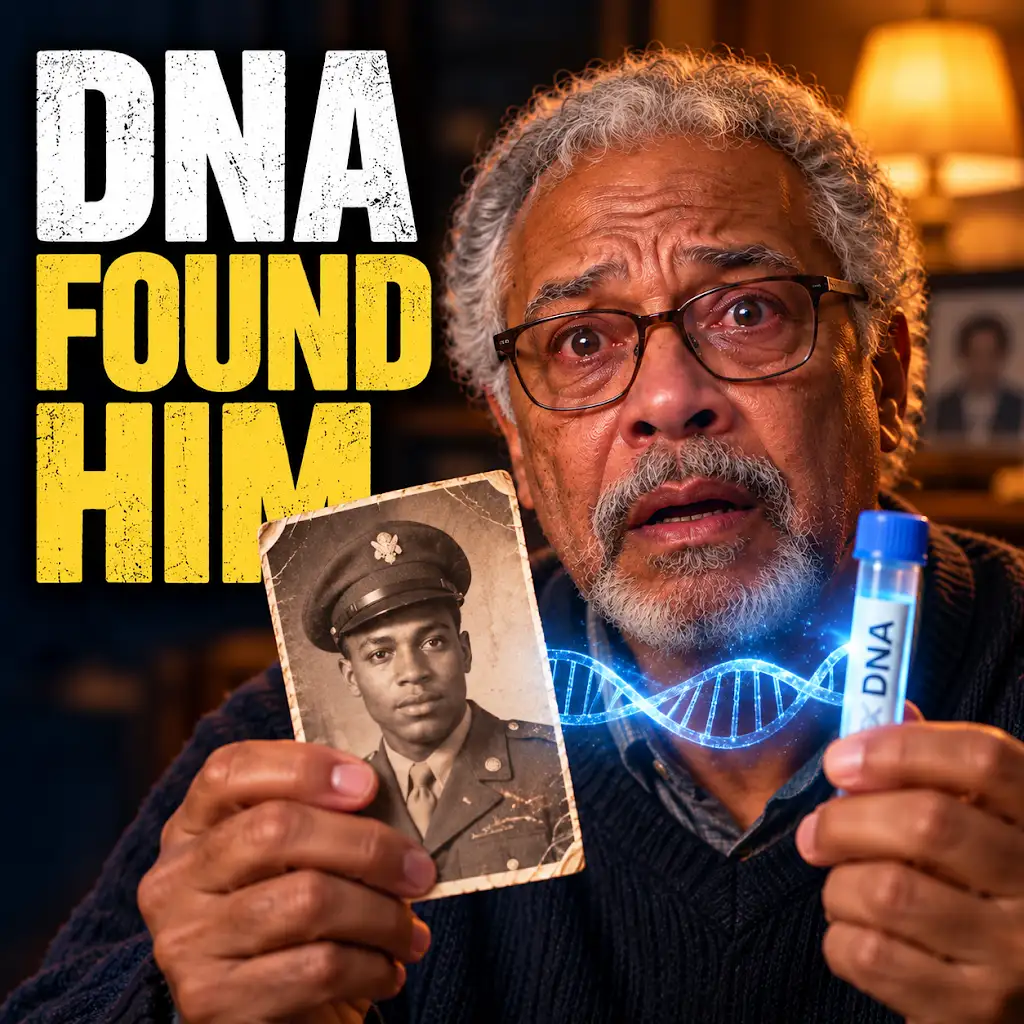
His WWII GI Father Was a Mystery for Nearly 80 Years
FAQs
What is DNA family history investigation?
DNA family history investigation is the process of using genetic testing to trace and analyze an individual’s ancestry and familial relationships.
How does DNA family history investigation work?
DNA family history investigation works by comparing an individual’s DNA with databases of genetic information to identify potential relatives and ancestral origins.
What can DNA family history investigation reveal?
DNA family history investigation can reveal information about an individual’s ethnic background, geographical origins, and potential relatives, including distant cousins.
Is DNA family history investigation accurate?
DNA family history investigation is generally considered to be accurate, but the results can vary depending on the quality of the genetic testing and the size of the genetic database being used for comparison.
What are the benefits of DNA family history investigation?
The benefits of DNA family history investigation include gaining insights into one’s ancestry, connecting with long-lost relatives, and discovering potential genetic health risks.