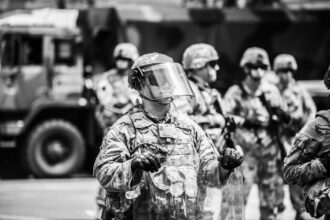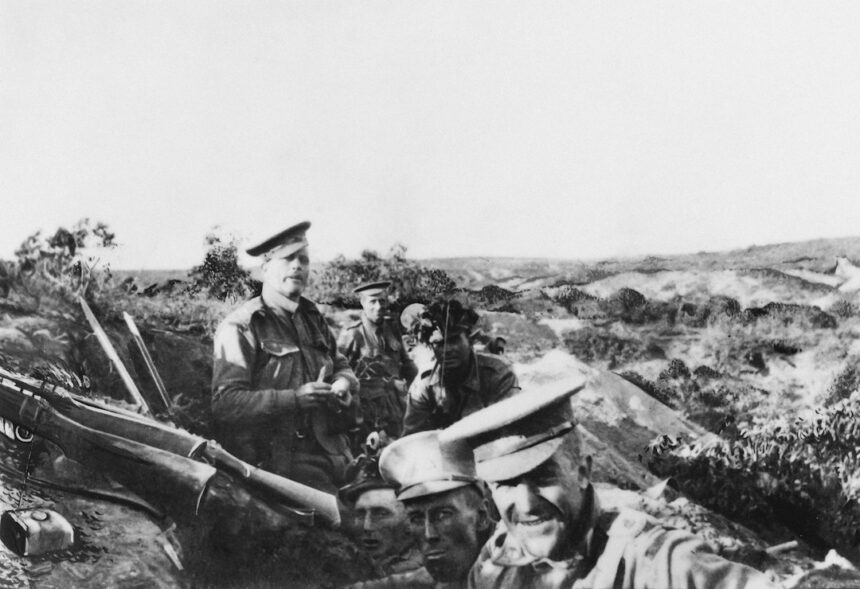
Captain Arthur Bonifas was a man etched into the annals of military history, not for grand victories on conventional battlefields, but for a daring, almost audacious operation that tested the limits of human endurance and strategic ingenuity. Operation Paul Bunyan, a name that conjures images of colossal feats, was in fact a meticulously planned and executed mission of immense peril, spearheaded by Captain Bonifas and his dedicated team. This operation, shrouded in a veil of secrecy for years, ultimately played a critical role in shaping the geopolitical landscape of its time, proving that even the smallest units, led by exceptional individuals, could achieve extraordinary outcomes.
The seeds of Operation Paul Bunyan were sown in a period of escalating tension and an unspoken arms race. The strategic importance of specific, hard-to-reach locations was paramount, and the need for verifiable intelligence became an urgent imperative. Captain Arthur Bonifas, a seasoned officer with a reputation for meticulous planning and an uncanny ability to inspire loyalty, found himself at the forefront of this growing intelligence requirement. His exceptional understanding of terrain, logistics, and human psychology made him the natural choice to lead what would become a highly classified and ambitious undertaking. The initial briefings were sparse, hinting at a mission of unprecedented difficulty, demanding a level of stealth and precision rarely encountered in standard military operations. The very nature of the objective required a departure from traditional warfare, pushing the boundaries of what was considered feasible.
The Shifting Sands of Geopolitical Strategy
The Cold War was a constant undercurrent, dictating the strategic priorities of global powers. In this complex environment, intelligence gathering was not merely an advantage; it was a vital necessity for survival and for maintaining the delicate balance of power. Certain geographical areas, due to their remoteness or strategic positioning, became focal points of this silent struggle for information. The perceived capabilities and intentions of opposing forces in these sensitive regions were of utmost concern, and the traditional methods of intelligence collection were proving insufficient. There was a pressing need for an approach that could circumvent established surveillance networks and provide actionable insights directly from the heart of contested territories.
Identifying the Unseen Threat
The specifics of the intelligence gap that Operation Paul Bunyan aimed to fill were multifaceted. It involved understanding the development and deployment of advanced technologies, assessing the logistical capabilities of potential adversaries, and gauging the effectiveness of their defensive postures. The information required was not readily available through satellite imagery or intercepted communications. It necessitated a direct, on-the-ground presence, a feat that appeared almost impossible given the environmental challenges and the pervasive security measures in place. The men tasked with this mission would have to operate in a vacuum of support, relying solely on their training, their equipment, and each other.
Captain Bonifas: The Architect of the Impossible
Captain Arthur Bonifas was not a man who sought the spotlight. His leadership style was characterized by quiet determination, an unwavering focus on objectives, and a deep respect for his subordinates. He possessed an almost intuitive understanding of the psychological aspects of military operations, knowing when to push and when to offer support. His prior experiences in reconnaissance and special operations had honed his skills in planning and execution under extreme pressure. He was known for his ability to forge a cohesive unit out of individuals from diverse backgrounds, instilling in them a shared sense of purpose and an unshakeable commitment to the mission.
Captain Arthur Bonifas played a crucial role in Operation Paul Bunyan, a significant military operation aimed at dismantling a controversial structure in the Korean Demilitarized Zone. This operation was a response to the violent incident involving two U.S. soldiers and highlighted the tensions in the region during the Cold War. For a deeper understanding of the geopolitical implications and the events surrounding this operation, you can read a related article on the subject at In The War Room.
The Crucible of Planning
The planning phase of Operation Paul Bunyan was as arduous as the operation itself. It was a testament to Captain Bonifas’s meticulous nature and his unwavering commitment to ensuring the safety and success of his team. Every contingency was considered, every potential pitfall identified and addressed. The operation demanded a specialized set of skills, and the selection of personnel was a critical element. Bonifas personally oversaw the recruitment and training of his team, handpicking individuals whose expertise and temperament were perfectly suited to the extraordinary demands of the mission.
Precision in Preparation: The Cornerstone of Success
The meticulousness with which Operation Paul Bunyan was planned was legendary. Captain Bonifas understood that in operations of this nature, where the margin for error was virtually non-existent, preparation was not just an advantage; it was the bedrock of survival. This involved not only the strategic and tactical aspects of the mission but also the in-depth study of the operational environment. Extensive research was conducted into the geography, climate, local flora and fauna, and the socio-political nuances of the target area. Every piece of information, no matter how seemingly insignificant, was scrutinized for its potential impact on the mission’s outcome.
Selecting the Elite: Assembling the Paul Bunyan Team
The success of any special operation hinges on the quality of its personnel. Captain Bonifas understood this implicitly. He did not simply select soldiers based on their rank or their previous commendations; he sought individuals with a specific blend of resilience, adaptability, and specialized skills. This meant seeking out experts in areas such as long-range reconnaissance, survival in extreme environments, advanced navigation, and silent infiltration. Crucially, he looked for men who possessed a high degree of mental fortitude, the ability to remain calm and rational under immense stress, and a deep-seated trust in their comrades. The team was not just a collection of individuals; it was a finely tuned instrument, each component vital to the overall function.
Mastering the Unfamiliar: Rigorous Training Regimens
The training for Operation Paul Bunyan was unlike anything the selected individuals had experienced before. It went far beyond standard military drills. The team underwent rigorous physical conditioning to prepare them for the extreme demands of traversing challenging terrain for extended periods. They were trained in advanced navigation techniques, including celestial navigation and map and compass use in environments where GPS signals might be unreliable or nonexistent. Stealth and evasion tactics were honed to a razor’s edge, focusing on minimizing their footprint and remaining undetected by sophisticated surveillance systems. Survival skills were paramount, encompassing everything from foraging for food and water to administering field medical care in remote locations.
Equipping for the Unknown: Bespoke Gear and Technology
The operational environment dictated the need for specialized equipment. Standard issue gear was often insufficient for the unique challenges presented by Operation Paul Bunyan. Captain Bonifas and his team worked closely with technical experts to develop and procure bespoke equipment. This included advanced communications devices designed for long-range, low-probability-of-intercept transmission, specialized camouflage that blended seamlessly with the environment, and lightweight, durable supplies designed to sustain the team for extended periods without resupply. Every piece of equipment was tested rigorously to ensure its reliability and effectiveness in the unforgiving conditions they were expected to face.
The Unfolding Mission: A Dance with Danger
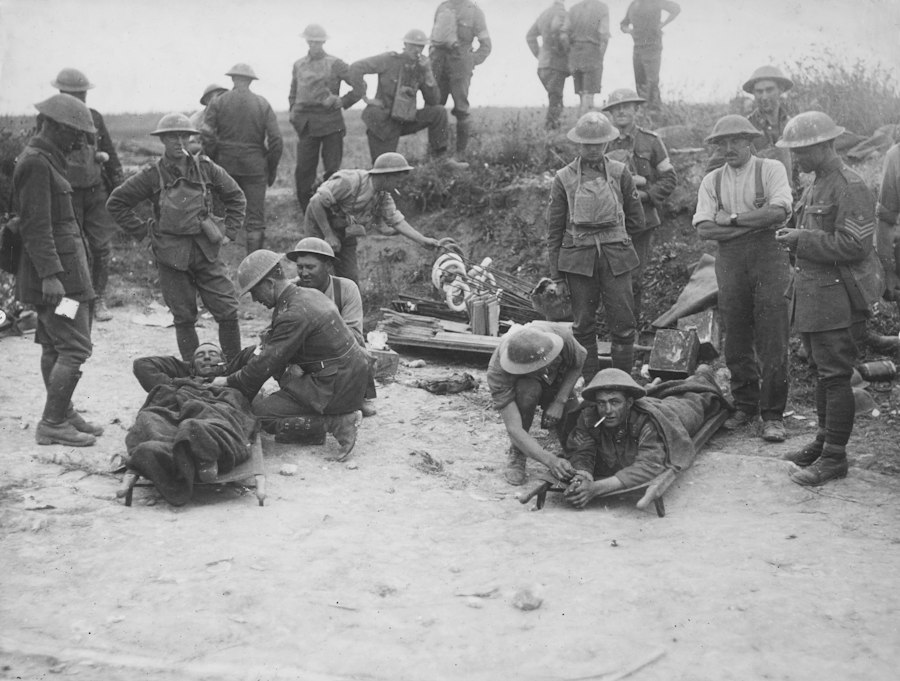
The execution of Operation Paul Bunyan was a masterclass in calculated risk and unwavering execution. Captain Bonifas led his team into the heart of enemy territory, a place where every shadow could conceal a threat and every sound could signal discovery. The operation was a delicate ballet of stealth and precision, demanding constant vigilance and an unshakeable commitment to the plan. The psychological toll was immense, yet the team persevered, driven by their training, their leadership, and their shared purpose.
Infiltration: Slipping Through the Cracks
The initial phase of Operation Paul Bunyan involved the clandestine infiltration of the target area. This was a phase fraught with peril, as detection at this stage could jeopardize the entire mission. Captain Bonifas and his team utilized a combination of expertly crafted routes and advanced stealth techniques to bypass security perimeters and surveillance networks. The journey itself was an ordeal, requiring them to traverse challenging terrain for days on end, often under the cover of darkness. Their movements were silent, their presence ephemeral, like ghosts moving through hostile territory. The team’s reliance on their navigational skills and their ability to read the terrain was absolute.
The Long March: Endurance Against All Odds
Once inside the operational zone, the team embarked on a grueling march to their objective. This was not a swift advance but a deliberate, measured progression, designed to minimize their detectability. The distances covered were immense, and the terrain unforgiving. They navigated dense forests, climbed steep inclines, and crossed treacherous waterways, all while carrying the essential equipment for their mission. Captain Bonifas’s leadership was crucial during this phase, his calm demeanor and unwavering encouragement pushing the team forward when fatigue and doubt threatened to take hold. The psychological resilience of each member was tested to its limits, yet they pressed on, fueled by their shared commitment.
The Critical Objective: Intelligence Gathered in Silence
The core of Operation Paul Bunyan was the gathering of specific, high-value intelligence. This involved observing and documenting key facilities, troop movements, and technological developments without being detected. The team employed specialized observation techniques and covert recording devices. Their patience was a virtue, as they often spent hours or even days in concealed observation posts, waiting for the opportune moment to gather the necessary data. Every piece of information was painstakingly documented, cross-referenced, and prepared for exfiltration. The success of this phase was entirely dependent on their ability to remain unseen and unheard.
Exfiltration: A Calculated Retreat
The exfiltration phase was as critical and dangerous as the infiltration. Having achieved their objective, the team had to withdraw unseen, carrying with them the vital intelligence they had gathered. This often involved retracing their steps or utilizing a pre-determined, alternate exfiltration route. The risk of detection increased as they moved towards their extraction point, as security forces might be aware of increased activity in the area. Captain Bonifas ensured that the withdrawal was executed with the same level of precision and stealth as the entry, leaving no trace of their presence.
The Echoes of Success: Impact and Legacy
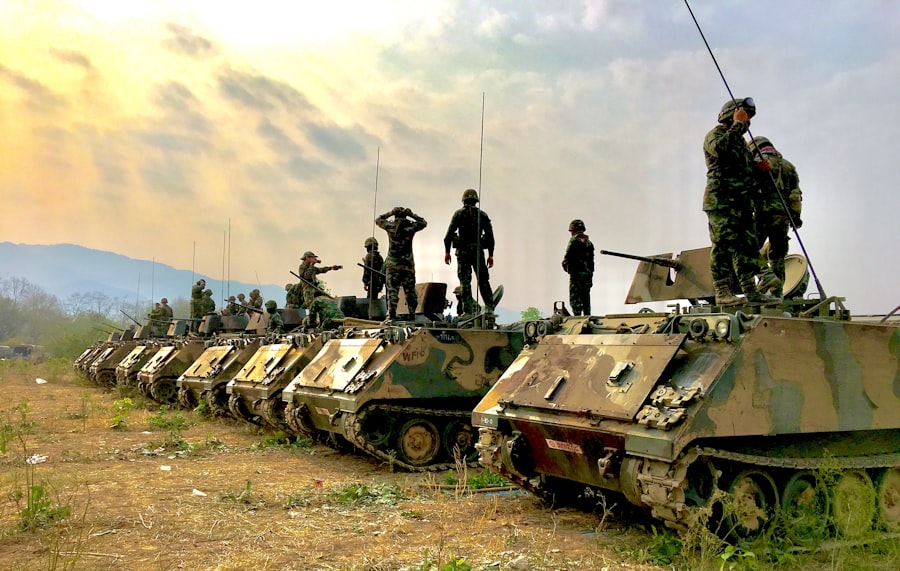
The success of Operation Paul Bunyan was not measured in territorial gains or flashy headlines, but in the quiet, yet profound, impact it had on strategic decision-making. The intelligence gathered by Captain Bonifas and his team provided invaluable insights that helped shape policy and de-escalate potential conflicts. The operation became a benchmark for future clandestine missions, a testament to the effectiveness of meticulous planning and the courage of those who dared to undertake such perilous journeys.
Unveiling the Truth: Actionable Intelligence
The intelligence meticulously gathered by Captain Bonifas and his team was far from academic. It provided concrete, verifiable evidence of activities that were previously only speculated upon. This information allowed policymakers to make informed decisions, to understand the true capabilities and intentions of opposing forces, and to adjust their own strategies accordingly. The operation effectively pierced a veil of secrecy, offering a clear, unvarnished view of the geopolitical realities on the ground. Without this intelligence, the course of events could have been drastically different.
Strategic Realignments: A Shift in the Balance
The revelations from Operation Paul Bunyan led to significant strategic realignments. Armed with irrefutable evidence, governments were able to engage in more effective diplomatic maneuvers, to negotiate from a position of strength, and to avoid potential miscalculations that could have led to escalating tensions. The operation, in its own quiet way, contributed to the maintenance of a delicate peace, preventing potentially devastating conflicts by providing clarity in an era of uncertainty.
A Model for Future Operations: The Bonifas Doctrine
The principles and methodologies employed in Operation Paul Bunyan became a blueprint for future clandestine operations. Captain Bonifas’s approach, characterized by meticulous planning, rigorous training, specialized equipment, and unwavering leadership, established a new standard for success in the realm of intelligence gathering and special operations. His “doctrine,” though never formally codified, was emulated and adapted by subsequent generations of officers tasked with similar high-stakes missions.
The Unsung Heroes: Recognition and Remembrance
While Captain Arthur Bonifas was the operational commander, the success of Operation Paul Bunyan was a collective achievement. The men who served under him, enduring immense hardship and facing constant danger, were the true heroes. Their bravery, their skill, and their unwavering loyalty were the driving forces behind the mission’s triumph. The legacy of Operation Paul Bunyan is not just in the intelligence it provided, but in the memory of these unsung heroes who risked everything for the greater good, their contributions often remaining in the shadows, a quiet testament to their extraordinary courage.
Captain Arthur Bonifas played a crucial role in Operation Paul Bunyan, a significant military operation aimed at dismantling a controversial structure in the Korean Demilitarized Zone. His leadership and strategic decisions were pivotal in ensuring the operation’s success while minimizing tensions in a volatile region. For a deeper understanding of the historical context and implications of this operation, you can read more in this insightful article about the events surrounding it at this link.
The Personal Toll: The Weight of Command
| Metric | Details |
|---|---|
| Operation Name | Operation Paul Bunyan |
| Date | August 21, 1976 |
| Location | Korean Demilitarized Zone (DMZ), Joint Security Area (JSA) |
| Trigger Event | Death of Captain Arthur Bonifas and Lieutenant Mark Barrett |
| Casualties | 2 U.S. Army officers killed (Bonifas and Barrett) |
| Objective | Remove a poplar tree obstructing visibility in the JSA |
| U.S. Forces Involved | Approximately 800 troops, including engineers, infantry, and special forces |
| South Korean Forces Involved | Approximately 1,000 troops |
| North Korean Forces Present | Approximately 150 troops observed |
| Operation Duration | About 45 minutes |
| Outcome | Tree successfully cut down without further violence |
| Significance | Demonstrated U.S. resolve and deterrence in the DMZ |
Leading an operation like Paul Bunyan was not without its profound personal cost to Captain Bonifas. The burden of responsibility, the constant awareness of the risks faced by his men, and the weight of the secrets he carried were immense. Yet, his dedication to the mission and his commitment to his team remained unshakeable. The operation tested him in ways few could comprehend, forging an even deeper resilience within him.
The Burden of Leadership: Decisions with Far-Reaching Consequences
Captain Bonifas bore the ultimate responsibility for the lives of his men and the success of the mission. Every decision, from the route of infiltration to the timing of extraction, carried immense weight. He had to anticipate potential threats, mitigate risks, and adapt to unforeseen circumstances, all while maintaining a calm and decisive demeanor. The psychological strain of such constant pressure was significant, a silent battle fought within the confines of his own resolve.
The Bonds Forged in Extremis: Camaraderie Under Fire
The shared experience of Operation Paul Bunyan created an unbreakable bond among the team members. They relied on each other for survival, for support, and for the unwavering belief in their common purpose. Captain Bonifas fostered this camaraderie, understanding that a cohesive unit was essential for overcoming the formidable challenges they faced. This shared ordeal, this baptism by fire, created a brotherhood that transcended the confines of military service.
The Scars of Secrecy: The Weight of Hidden Truths
The nature of Operation Paul Bunyan demanded absolute secrecy. The details of the mission, the risks involved, and the intelligence gathered were all classified. For Captain Bonifas and his team, this meant carrying a burden of knowledge that could not be shared. The inability to openly discuss their experiences, their triumphs, and their sacrifices could lead to a sense of isolation. Yet, within the quiet understanding of those who had participated, there was a profound sense of accomplishment and shared purpose.
Enduring Relevance: Lessons for Today
The strategic lessons learned from Operation Paul Bunyan remain relevant in the modern era. In a world still grappling with complex geopolitical challenges and the constant need for accurate intelligence, the principles of meticulous planning, specialized training, and courageous execution are as vital as ever. The story of Captain Arthur Bonifas and his audacious mission serves as a powerful reminder of what can be achieved when determination, skill, and unwavering leadership converge.
The Art of the Possible: Pushing the Boundaries of Intelligence
Operation Paul Bunyan demonstrated that even in the face of seemingly insurmountable obstacles, it is possible to achieve the seemingly impossible. By pushing the boundaries of conventional intelligence gathering and employing innovative strategies, Captain Bonifas and his team achieved what many believed to be unattainable. This serves as a timeless lesson for intelligence agencies and military planners, encouraging them to explore new methodologies and to not be constrained by conventional thinking.
The Human Element: Courage in the Face of Adversity
At its core, Operation Paul Bunyan is a story of human courage. It highlights the extraordinary resilience and bravery of individuals who willingly placed themselves in harm’s way to serve a greater purpose. The sacrifices made by Captain Bonifas and his team underscore the enduring importance of the human element in military operations, a reminder that technology, while crucial, can never fully replace the indomitable spirit of dedicated individuals.
A Legacy of Quiet Achievement: The Unsung Impact of Special Operations
The impact of operations like Paul Bunyan often goes unnoticed by the public. Their successes are not celebrated with parades or fanfare but are instead woven into the fabric of national security and strategic decision-making. Captain Arthur Bonifas and his team represent the countless individuals in special operations who undertake critical missions with courage and distinction, their achievements contributing significantly to the stability and security of their nations, often without ever seeking recognition for their extraordinary deeds. Their legacy is one of quiet, yet profound, impact.

America Sent an Aircraft Carrier to Cut Down One Tree
FAQs
What was Operation Paul Bunyan?
Operation Paul Bunyan was a military operation conducted by the United States and South Korea in 1976 to cut down a tree in the Korean Demilitarized Zone (DMZ) that obstructed the view of a United Nations Command checkpoint.
Who was Captain Arthur Bonifas?
Captain Arthur Bonifas was a United States Army officer who was killed during Operation Paul Bunyan by North Korean soldiers while attempting to cut down the tree in the DMZ.
Why was the tree in the DMZ significant?
The tree in the DMZ was significant because it obstructed the view of a United Nations Command checkpoint, making it a security risk as it provided cover for North Korean soldiers to potentially launch attacks on South Korean and American forces.
What was the outcome of Operation Paul Bunyan?
During Operation Paul Bunyan, Captain Arthur Bonifas and First Lieutenant Mark Barrett were killed by North Korean soldiers. In response, the United States and South Korea launched a show of force to demonstrate their resolve, leading to heightened tensions in the region.
How did Operation Paul Bunyan impact relations between North and South Korea?
Operation Paul Bunyan further strained relations between North and South Korea, leading to increased tensions and a heightened risk of military conflict in the region. The incident highlighted the volatility of the Korean Peninsula and the ongoing hostilities between the two countries.