The Titan II missile, a behemoth of the Cold War, represented the pinnacle of American intercontinental ballistic missile (ICBM) technology during its operational lifespan. These colossal weapons, designed for rapid deployment and devastating payload delivery, were not merely engines of destruction but complex engineering marvels. Integral to their successful and, more importantly, safe operation was an intricate network of safety systems. Understanding these systems is crucial to appreciating the immense technical challenges and rigorous protocols involved in managing such potent arsenals.
The Titan II’s safety philosophy was deeply rooted in preventing accidental or unauthorized launch. This was primarily achieved through a multi-layered approach that separated the missile’s operational readiness from its launch command. Two fundamental systems underpinned this strategy: the inerting system and the arming system.
Inerting: The State of Perpetual Readiness (But Not Quite)
Preventing Premature Ignition
The concept of “inerting” was paramount to the Titan II’s safety. In essence, it meant ensuring that the missile’s potent liquid propellant remained in a stable, non-reactive state until specific, authenticated launch commands were issued. This was a critical design consideration, given the highly volatile nature of the hypergolic propellants used: Aerozine 50 (a mixture of hydrazine and unsymmetrical dimethylhydrazine) as the fuel and Nitrogen Tetroxide (NTO) as the oxidizer. These propellants ignite on contact, making storage and handling a significant challenge. The inerting system served as the primary barrier against accidental ignition by keeping the propellants separated and in a controlled environment within the missile’s tanks.
The Role of Pressurization and Isolation
The inerting system operated by maintaining a carefully regulated inert gas (typically nitrogen) pressure within the propellant tanks. This pressure served multiple purposes. Firstly, it prevented the ingress of air or moisture, which could react with the propellants and cause degradation or even spontaneous ignition. Secondly, it helped to maintain the propellants in a stable liquid state, preventing vaporization that could lead to uncontrolled pressure buildup.
The “Arming” Sequence: A Controlled Transition to Lethality
The Gatekeepers of Launch
While inerting kept the missile safe, the arming system was the mechanism that transitioned it from a state of controlled safety to one of launch readiness. This was not a single switch but a carefully orchestrated series of events that required positive confirmation at multiple stages. The arming system was designed to be initiated only after the decision to launch had been made and authenticated through a stringent command and control process.
Step-by-Step Activation
The arming sequence involved a series of electrical and mechanical interlocks. These interlocks ensured that each step in the arming process was completed successfully before the next could proceed. For instance, the physical movement of certain valves, the energization of specific circuits, or the confirmation of propellant status were all critical checkpoints. This ensured that even if an erroneous command was issued, the missile would not arm unless all pre-determined conditions were met. The arming sequence was typically initiated by the launch command, but even then, it was not instantaneous. It was a deliberate, time-phased process designed to allow for potential aborts at various stages.
For a deeper understanding of the safety systems associated with the Titan II missile, you might find the article on missile safety protocols particularly enlightening. This piece delves into the various measures implemented to ensure the secure handling and operation of such powerful weapons. You can read more about it in this related article: Missile Safety Protocols.
The Command and Control Interface: The Human Element in Safety
The Ultimate Authority: Authenticated Launch Orders
Preventing Unauthorized Launch
The command and control (C2) system was the nerve center for the Titan II’s operational readiness and, consequently, its safety. This system was responsible for receiving, authenticating, and relaying launch orders from the highest levels of military command. The security and integrity of the C2 system were paramount, employing multiple layers of encryption, authentication protocols, and physical security measures to prevent unauthorized access or the issuance of false launch commands.
The Two-Person Rule and Permissive Action Links (PALs)
A cornerstone of the C2 safety protocol was the “two-person rule.” This doctrine mandated that at least two authorized individuals, typically missile launch officers in an underground launch control center, must be present and simultaneously take action to initiate the launch sequence. This prevented a single individual from independently initiating a launch, thus mitigating the risk of rogue actions or errors.
Furthermore, the Titan II, like other strategic nuclear weapons, incorporated Permissive Action Links (PALs). These were sophisticated electronic locks that prevented the arming and launching of the missile without the input of specific, authenticated codes. These codes were transmitted from higher command authorities and had to be correctly entered by the launch crew. The absence of the correct PAL code rendered the missile inert, even if all other launch sequences were initiated. This provided a crucial final layer of security against accidental or unauthorized use.
Communication Channels and Redundancy
The reliability and security of communication channels between the command authorities and the launch crews were critical. Multiple, redundant communication pathways were established, often utilizing a combination of secure telephone lines, radio communications, and even physical couriers for code transmission. This redundancy ensured that even if one communication channel was compromised or failed, the launch order could still be transmitted and authenticated.
Detonation Prevention Systems: Safeguarding Against Catastrophe
Protecting Against Accidental Nuclear Detonation
The Importance of Nuclear Safety
Beyond the inerting and arming of the missile’s propulsion systems, a significant focus was placed on preventing the accidental detonation of the nuclear warhead itself. The design of nuclear weapons is inherently complex, and ensuring safety under a wide range of conditions, including launch failures, crashes, or even direct hits, was a paramount concern.
Insensitive High Explosives (IHE) and Fuzing Systems
The warheads carried by the Titan II missiles were designed with safety features to prevent unintended nuclear yield. A key element was the use of Insensitive High Explosives (IHE) in the conventional explosive components of the warhead. IHE is designed to detonate only under specific, controlled conditions, making it much less susceptible to accidental detonation from shock, fire, or impact compared to earlier generations of high explosives.
The fuzing systems themselves incorporated multiple safety interlocks. These interlocks ensured that the warhead’s detonation sequence could only be initiated after specific flight conditions were met and after the missile had traveled a sufficient distance from its launch point. This typically involved barometric altimeters, velocity sensors, and timers that had to register correct readings before the arming sequence for the nuclear detonation could be completed.
Environmental Controls and Survivability
The warheads were also designed to withstand extreme environmental conditions without compromising their safety. This included resistance to high temperatures, pressures, and vibration. Specialized environmental controls within the warhead ensured that sensitive components remained within operational parameters and did not degrade in a way that could lead to an unsafe condition.
Flight Safety and Abort Systems: Managing In-Flight Anomalies
Protecting the Public and the Environment
The Reality of Launch Failures
Despite the best engineering, the possibility of a missile failure during flight was a recognized risk. The Titan II’s design and operational procedures incorporated measures to mitigate the potential consequences of such failures, primarily for the safety of the public and the environment.
Range Safety and Flight Termination Systems
The primary mechanism for managing in-flight anomalies was the Range Safety system. This system involved a network of ground-based tracking stations and communication relays. If a missile deviated from its planned trajectory, showed signs of imminent structural failure, or presented an unacceptable risk, the Range Safety officer had the authority to issue a flight termination command.
This command would trigger a small explosive charge within the missile, designed to safely break it apart. The intention was to ensure that any debris, including the nuclear warhead, would fall into unpopulated areas, such as oceans or designated test ranges. The design of the termination system aimed to cause fragmentation rather than a catastrophic explosion, minimizing the risk of scattering radioactive material over populated areas.
Re-entry and Impact Safety Considerations
While the primary focus was on launch and flight, considerations were also given to the potential for a malfunctioning re-entry vehicle. The design of the re-entry vehicle aimed to ensure that if it failed to deploy correctly or if the warhead experienced an anomaly during re-entry, it would not result in an unintended nuclear detonation. This often involved additional safety mechanisms within the warhead itself, designed to prevent detonation even upon impact.
The safety systems of the Titan II missile have been a topic of interest for many researchers and military historians. For those looking to delve deeper into this subject, an insightful article can be found that explains the complexities and challenges associated with these systems. You can read more about it in this detailed analysis, which provides a comprehensive overview of the measures taken to ensure the safety and reliability of the Titan II missile during its operational years.
Maintenance, Testing, and Training: The Human Factor in Sustained Safety
| Safety System | Description | Function | Key Features | Impact on Missile Operation |
|---|---|---|---|---|
| Environmental Sensing Device (ESD) | Monitors external conditions such as temperature and pressure | Prevents missile launch under unsafe environmental conditions | Automatic abort if parameters exceed safe limits | Ensures launch only occurs in safe environmental conditions |
| Inertial Guidance Safety Locks | Locks guidance system until proper launch sequence is initiated | Prevents accidental or unauthorized missile guidance activation | Requires multiple manual inputs to unlock | Reduces risk of accidental missile targeting |
| Propellant Handling Safety Procedures | Strict protocols for fueling and maintenance | Minimizes risk of fuel leaks and explosions | Use of protective gear and controlled environments | Enhances overall missile system safety during servicing |
| Launch Control System Interlocks | Electrical and mechanical interlocks in launch control | Prevents unauthorized or accidental launch commands | Multiple-step verification and authorization required | Ensures launch commands are deliberate and authorized |
| Missile Silos Safety Barriers | Physical barriers and blast doors around missile silo | Protects missile and personnel from external threats and accidents | Blast-resistant construction and emergency venting systems | Reduces damage and risk in case of accidents or attacks |
The Continuous Cycle of Vigilance
Rigorous Maintenance and Inspection Protocols
The Titan II missile was a complex piece of machinery that required constant and meticulous maintenance. Safety systems, like any other component, needed to be regularly inspected, tested, and serviced to ensure their continued functionality. This involved adherence to extremely detailed maintenance schedules and procedures, often overseen by specialized teams of technicians and engineers.
Component Testing and System Checks
Every safety system, from the simplest valve to the most complex electronic interlock, underwent rigorous testing. This included both individual component testing and integrated system checks. Before any missile could be placed on alert or undergo a launch sequence, a comprehensive series of tests were performed to verify the integrity and functionality of all safety mechanisms. These tests were often documented and reviewed by multiple levels of authority.
Extensive Crew Training and Simulation
The human element was arguably the most critical component of the Titan II’s safety. Missile crews, including launch officers, technicians, and maintenance personnel, underwent extensive and continuous training. This training encompassed theoretical knowledge of the missile’s systems, practical hands-on experience, and rigorous simulation exercises.
Simulating Scenarios and Emergency Procedures
Simulation played a vital role in preparing crews for every conceivable scenario, including system malfunctions, emergency conditions, and even potential attack scenarios. These simulations allowed crews to practice their responses, hone their decision-making skills under pressure, and ensure they could execute complex procedures flawlessly. The emphasis was on developing muscle memory and an unwavering adherence to safety protocols, even in the face of extreme stress.
The Culture of Safety
Ultimately, the Titan II missile safety systems were not just a collection of technologies and procedures. They were embedded within a deeply ingrained culture of safety that permeated the entire organization. This culture emphasized vigilance, meticulousness, accountability, and a constant awareness of the immense responsibility entrusted to those who operated these weapons. The successful operational history of the Titan II, despite the inherent risks, stands as a testament to the effectiveness of these comprehensive safety systems and the dedication of the personnel who maintained them.
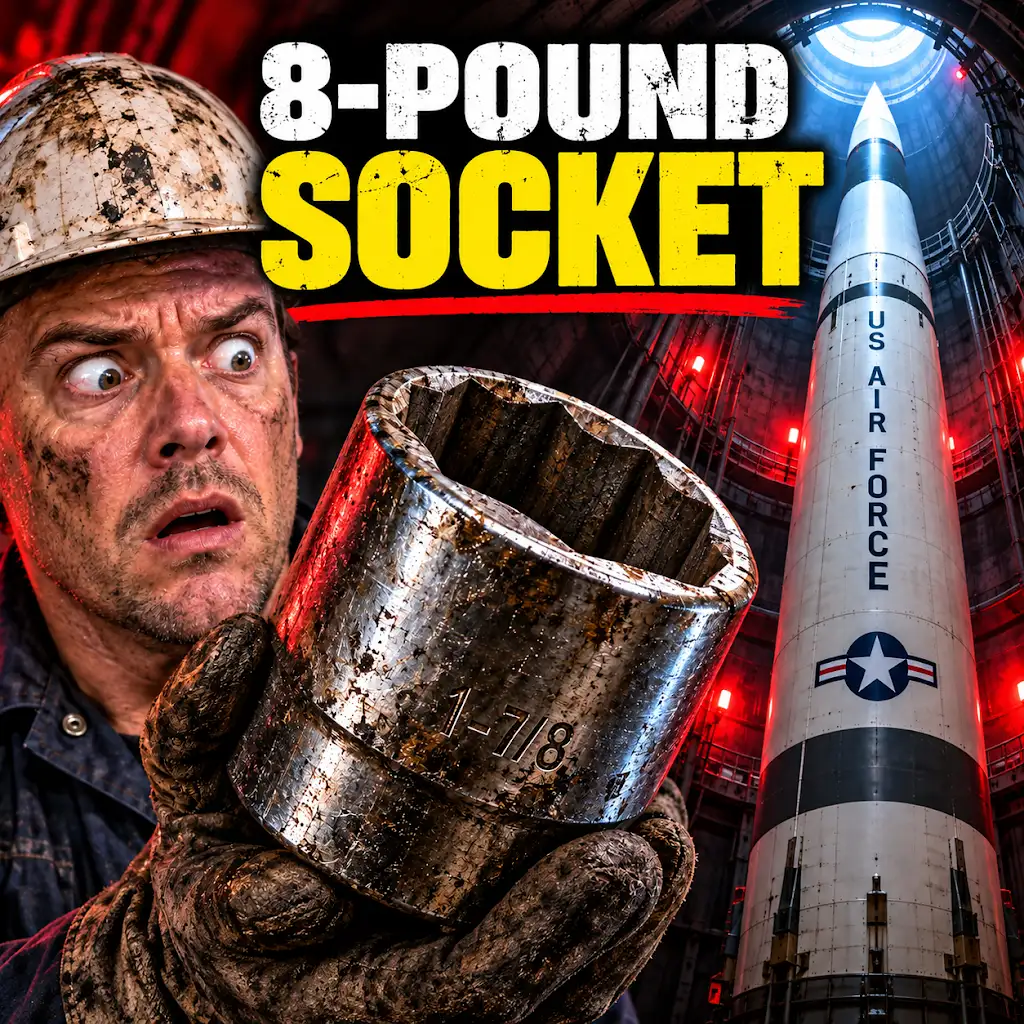
How a Dropped Socket Destroyed a Titan II Missile
FAQs
What safety systems were in place for Titan II missiles?
The Titan II missile was equipped with various safety systems to prevent accidental detonation, including a two-stage arming process, a permissive action link (PAL) system, and a range safety officer.
How did the two-stage arming process work?
The two-stage arming process required two separate actions to arm the missile: enabling the power supply and activating the arming circuit. This system ensured that the missile could not be armed accidentally.
What was the purpose of the permissive action link (PAL) system?
The PAL system was a security feature that required a specific code to be entered before the missile could be armed. This prevented unauthorized personnel from arming the missile.
Who was responsible for overseeing the safety of Titan II missiles during launch?
A range safety officer was responsible for monitoring the launch process and had the authority to destroy the missile if it veered off course or posed a threat to populated areas.
How effective were the safety systems on Titan II missiles?
Overall, the safety systems on Titan II missiles were highly effective in preventing accidental detonations and ensuring the safe operation of the missile during launch and in storage.