
The following is an article written in the third person, avoiding euphoric or sycophantic flattery, and adopting a factual style. Metaphors are employed to illustrate key points.
Nuclear deterrence, a cornerstone of international security strategy for decades, posits that the possession of nuclear weapons by one state discourages aggression from another state, particularly one possessing a comparable arsenal. This theory, often referred to as mutually assured destruction (MAD), suggests that any nuclear attack would inevitably lead to catastrophic retaliatory strikes, rendering the initial act suicidal. However, an uncritical and unwavering reliance on this concept, a phenomenon termed “blinding nuclear deterrence,” carries significant and often overlooked risks that could undermine the very stability it aims to preserve. This article will explore these inherent dangers, examining how an overemphasis on nuclear capability can overshadow conventional military strategies, create a false sense of security, and inadvertently increase the probability of catastrophic conflict.
The perceived invincibility offered by nuclear arsenals can exert a powerful, almost intoxicating, influence on national security decision-making. This influence, like the mythical sirens luring sailors to their doom, can lead states to prioritize and overinvest in nuclear capabilities at the expense of other, potentially more effective, tools of statecraft. The sheer destructive power of nuclear weapons can create a psychological shortcut, a belief that the ultimate threat can solve any problem, be it geopolitical tension, regional instability, or even conventional aggression.
Devaluation of Conventional Military Strength
A significant consequence of this overreliance is the potential devaluation of robust conventional military forces. When the ultimate arbiter of conflict is perceived to be the nuclear button, the nuanced development and deployment of conventional armies, navies, and air forces can become secondary considerations. This can manifest in:
Underfunding of Traditional Forces
Budgetary allocations might disproportionately favor nuclear modernization programs and missile defense systems, diverting resources that could otherwise bolster conventional deterrents. A military capable of fielding overwhelming conventional force can often achieve strategic objectives without resorting to existential threats, thereby offering a wider range of diplomatic and military options.
Neglect of Non-Nuclear Diplomacy and Coercion
The perceived invincibility of nuclear weapons can also diminish the perceived utility of diplomatic pressure, economic sanctions, and other forms of non-military coercion. If the ultimate recourse is annihilation, the incremental steps of negotiation or economic leverage might seem insufficient or even irrelevant.
Erosion of Expertise in Conventional Warfare
A prolonged focus on nuclear strategy can lead to a decline in the institutional knowledge, training, and operational experience within conventional military branches, making them less capable of effectively managing or resolving conflicts that do not escalate to the nuclear threshold.
Blinding nuclear deterrence is a critical concept in modern military strategy, emphasizing the importance of maintaining a credible defense against potential nuclear threats. For a deeper understanding of this topic, you can explore the article titled “The Evolution of Nuclear Strategy” which discusses the historical context and implications of various deterrence strategies. To read more about this, visit The Evolution of Nuclear Strategy.
The Illusion of Invincibility: A False Sense of Security
The very nature of nuclear deterrence, by promising absolute security, can breed a dangerous illusion of invincibility. This illusion can lead to complacency, a belief that the existence of nuclear weapons shields a nation from all foreseeable threats, even those that are non-nuclear in nature. This can be akin to a homeowner so confident in their fireproof vault that they neglect basic fire prevention measures elsewhere in their house.
Discounting Non-Nuclear Threats
A state blinded by its nuclear arsenal might underestimate the potency of non-nuclear threats. These could include:
Cyber Warfare and Disruption
Sophisticated cyberattacks can cripple critical infrastructure, disrupt economic activity, and sow societal chaos without firing a single shot. A nation that believes its nuclear shield is impregnable might be unprepared for the debilitating effects of such attacks.
Biological and Chemical Warfare
While internationally condemned, these weapons remain a potential threat. A focus solely on nuclear deterrence might leave a nation vulnerable to these more unconventional, though still devastating, forms of attack.
Hybrid Warfare and Asymmetric Threats
The rise of hybrid warfare, which blends conventional military tactics with irregular tactics, disinformation, and economic coercion, presents challenges that nuclear deterrence is ill-equipped to address. Likewise, asymmetric threats from non-state actors can bypass traditional nuclear security frameworks.
Diminished Preparedness for Escalation Control
Paradoxically, the assumption of absolute security can also reduce a nation’s focus on the complex and delicate art of escalation control. The goal of nuclear deterrence is to prevent escalation to the nuclear level, but this requires a nuanced understanding of how conflicts might escalate up to that point.
Lack of Scenarios for Limited Nuclear Use
The concept of “limited nuclear war” or “escalatory ladder” scenarios, while controversial, requires careful consideration and planning. An over-reliance on MAD might lead to a dismissal of these possibilities, leaving a nation unprepared for the terrifying calculus of initiating even a limited nuclear exchange.
Overconfidence in Command and Control Systems
While robust, no command and control system is entirely immune to error, miscalculation, or technical failure. The belief that such systems are infallible, coupled with a reduced emphasis on conventional de-escalation, can increase the risk of unintended nuclear use.
The Tightrope Walk to Annihilation: The Perils of Miscalculation and Accident
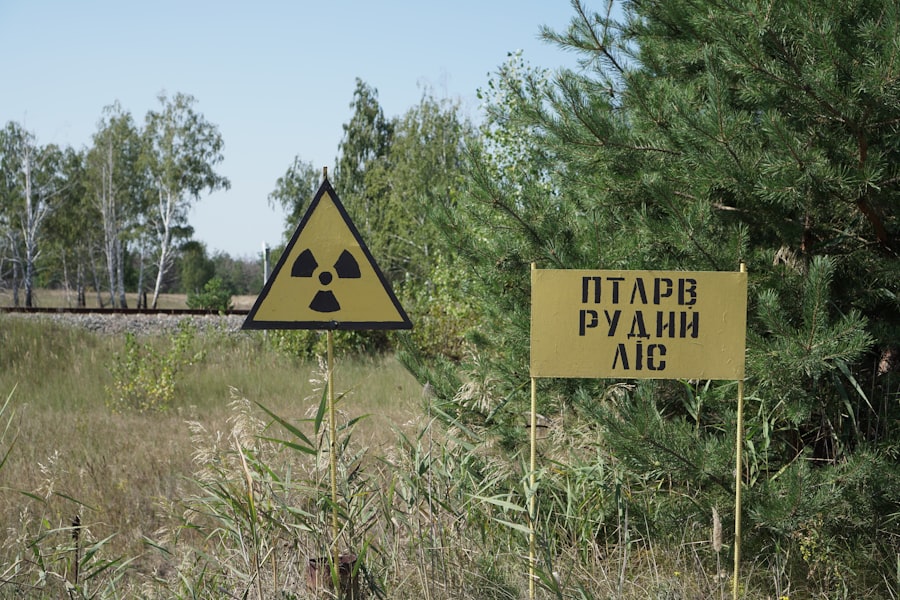
Perhaps the most chilling risk of blinding nuclear deterrence is the ever-present specter of miscalculation or accidental war. The sheer speed and destructive potential of nuclear weapons mean that even the smallest deviation from intended action can have catastrophic consequences. Operating under the assumption that nuclear weapons are a foolproof deterrent can obscure the delicate tightrope walk that nuclear-armed states are constantly engaged in.
The Human Element of Decision-Making
Despite advanced technology, human decision-making remains a critical factor. Stress, fatigue, political pressure, and the fog of war can all contribute to errors in judgment. If the ultimate decision rests on a perceived need to use nuclear weapons, the margin for error becomes vanishingly small.
Misinterpretation of Signals
In times of heightened tension, signals from an adversary can be misinterpreted. A defensive military maneuver might be perceived as an offensive preparation, triggering a pre-emptive nuclear strike.
Rogue Actors and Unauthorized Launch
While safeguards are in place, the possibility of unauthorized launch by rogue elements within a military or government, however remote, cannot be entirely discounted. An over-reliance on nuclear weapons as the ultimate solution might increase the incentive for such individuals to tamper with nuclear launch protocols.
The Dance with Automation and Artificial Intelligence
The increasing integration of automation and artificial intelligence in military systems, particularly in early warning and response mechanisms, introduces new vulnerabilities.
Algorithmic Bias and Unforeseen Consequences
AI systems can exhibit biases or operate in ways that were not fully anticipated by their creators. In the context of nuclear command and control, such unforeseen consequences could lead to a devastating misdiagnosis of a threat.
The Speed of Algorithmic Response
If an AI system is programmed to respond to a perceived threat with extreme speed, it might bypass human oversight, accelerating a path towards nuclear war before human decision-makers can intervene.
The Escalation Ladder: When Deterrence Reverses into Provocation

In certain scenarios, the very act of relying on nuclear deterrence can paradoxically become a source of instability and a catalyst for escalation. Instead of acting as a brake on conflict, it can become a provocation, pushing adversaries towards desperate measures.
The “Use-It-or-Lose-It” Dilemma
During a severe crisis, a nuclear-armed state might face the terrifying “use-it-or-lose-it” dilemma. If they believe their nuclear arsenal is under imminent threat of destruction, they might feel compelled to use their weapons preemptively, thereby initiating the very war they sought to prevent.
First-Strike Vulnerability
A state that heavily relies on its nuclear deterrent might become overly concerned about its own first-strike vulnerability, leading it to develop more aggressive offensive nuclear capabilities or maintain higher alert levels, which in turn can be perceived as provocative by adversaries.
Perceived Aggression in Nuclear Modernization
Continuous modernization of nuclear arsenals, while often framed as maintaining deterrence, can be viewed by adversaries as an escalating arms race, fostering suspicion and a desire to develop countervailing capabilities.
The Erosion of Trust and Diplomatic Channels
A persistent threat of nuclear annihilation can fundamentally erode trust between states, making diplomatic resolutions to conflicts more difficult. When existential stakes are on the table, compromises become harder to find.
The Shadow of Nuclear Blackmail
The presence of nuclear weapons can facilitate nuclear blackmail, where one state uses the threat of nuclear retaliation to coerce another into concessions. This creates a volatile power dynamic that is inherently unstable.
Reduced Incentive for Conventional Arms Control
If nuclear weapons are seen as the ultimate security guarantee, there may be a reduced incentive for states to engage in meaningful arms control negotiations for conventional weapons, leading to potentially volatile regional conventional arms races.
Blinding nuclear deterrence is a concept that has garnered significant attention in recent discussions about modern warfare strategies. For those interested in exploring this topic further, a related article can be found on the implications of evolving deterrence strategies in contemporary conflicts. You can read more about it in this insightful piece on In the War Room, which delves into the complexities and challenges posed by advancements in military technology.
Beyond the Mushroom Cloud: Rethinking Security in a Nuclear Age
| Metric | Description | Value/Estimate | Unit |
|---|---|---|---|
| Number of Nuclear Warheads | Total deployed nuclear warheads relevant to deterrence | 13,000 | Warheads |
| Second-Strike Capability | Ability to respond after a nuclear attack | High | Qualitative |
| Detection Probability | Likelihood of detecting a nuclear launch | 85% | Percent |
| Blinding Deterrence Effectiveness | Effectiveness of blinding strategies in preventing retaliation | Moderate | Qualitative |
| Response Time | Time to respond to a detected nuclear launch | 10 | Minutes |
| False Alarm Rate | Frequency of false nuclear attack warnings | 0.02 | Incidents per year |
| Investment in Early Warning Systems | Annual budget for nuclear detection and deterrence technology | 5,000 | Million USD |
The continued reliance on blinding nuclear deterrence risks trapping humanity in a perpetual state of existential dread. A more sustainable approach to security requires a re-evaluation of how nation-states define and achieve safety in a world with nuclear weapons. This involves moving beyond the singular obsession with nuclear capability and embracing a multifaceted approach to security.
Prioritizing De-escalation and Conflict Resolution
A fundamental shift in strategic thinking is needed, prioritizing de-escalation and innovative conflict resolution mechanisms. This requires investing in:
Diplomacy and Negotiation
Strengthening diplomatic channels and investing in skilled negotiators who can navigate complex international disputes.
International Law and Institutions
Reinforcing the role of international law and institutions in resolving conflicts and holding states accountable for their actions.
Confidence-Building Measures
Implementing measures designed to increase transparency and reduce mistrust between nuclear-armed states, such as verifiable arms control agreements and open communication channels.
Investing in Non-Nuclear Security Domains
A truly robust security posture necessitates a balanced approach that acknowledges the growing importance of non-nuclear security domains. This includes:
Cyber Security and Resilience
Developing comprehensive strategies to protect critical infrastructure from cyber threats and building national resilience in the face of digital disruption.
Public Health and Biosecurity
Strengthening global health systems and investing in biosecurity measures to prevent and respond to biological threats.
Climate Change Mitigation and Adaptation
Recognizing that climate change poses a significant threat to global stability and security, requiring international cooperation and significant investment in mitigation and adaptation strategies.
The Moral Imperative of Disarmament
Ultimately, the most comprehensive solution to the risks of nuclear deterrence lies in the pursuit of nuclear disarmament. While a long and complex process, it remains the only way to definitively eliminate the existential threat posed by these weapons.
Progressive Arms Reduction
Negotiating and implementing verifiable agreements for the progressive reduction of nuclear arsenals.
Strengthening Non-Proliferation Regimes
Ensuring robust enforcement of non-proliferation treaties and working to prevent the spread of nuclear weapons to new states or non-state actors.
Fostering a Global Culture of Peace
Promoting education and dialogue that emphasizes the humanitarian consequences of nuclear war and fosters a global culture committed to peace.
In conclusion, while nuclear deterrence has undoubtedly played a role in preventing large-scale conflicts between major powers in the past, an uncritical and unwavering reliance on this strategy carries profound and potentially catastrophic risks. The blinding nature of perceived nuclear invincibility can lead to a dangerous neglect of other critical security domains, foster a false sense of security, and create a precarious environment ripe for miscalculation and accident. A forward-looking approach to international security demands a move beyond the singular focus on nuclear weapons, embracing a more comprehensive, nuanced, and ultimately, more secure path that prioritizes diplomacy, invests in diverse security capabilities, and continues the vital pursuit of a world free from the shadow of nuclear annihilation.
FAQs
What is nuclear deterrence?
Nuclear deterrence is a military strategy aimed at preventing an enemy from attacking by threatening them with the use of nuclear weapons in retaliation. The idea is to maintain a credible threat that discourages adversaries from initiating conflict.
How does blinding nuclear deterrence differ from traditional nuclear deterrence?
Blinding nuclear deterrence refers to strategies or technologies designed to undermine or neutralize an opponent’s nuclear capabilities, such as disabling their early warning systems or command and control infrastructure, thereby “blinding” their ability to respond effectively.
Why is maintaining credible nuclear deterrence important for national security?
Credible nuclear deterrence helps prevent nuclear conflict by ensuring that any nuclear attack would result in unacceptable retaliation, thus maintaining strategic stability and reducing the likelihood of war.
What are some challenges associated with blinding nuclear deterrence?
Challenges include the risk of escalation, technological complexities in effectively neutralizing enemy systems without triggering conflict, and ethical concerns regarding preemptive or disabling strikes on critical infrastructure.
Can blinding nuclear deterrence strategies lead to arms races?
Yes, efforts to develop capabilities that can blind or neutralize an opponent’s nuclear forces may prompt adversaries to enhance their own defenses or develop countermeasures, potentially leading to an arms race and increased global instability.