Blackwater’s foray into the Iraq War was a complex and controversial chapter, marked by the escalating demand for private security in a nation grappling with insurgency and instability. The company, officially known as Blackwater USA at the time, rose to prominence as one of the most visible and often criticized private military contractors (PMCs) operating in the war-torn landscape. Its presence, intended to fill critical security gaps, ultimately became synonymous with the darker, more ethically fraught aspects of the conflict.
The initial invasion of Iraq in 2003 by a U.S.-led coalition was followed by a rapid dismantling of the existing state apparatus. This created a power vacuum and a surge in sectarian violence and insurgent activity. The U.S. military, stretched thin by ongoing operations, found itself increasingly reliant on private contractors to perform a wide array of tasks, from logistical support and base security to personal protection for diplomats and government officials.
The Shifting Landscape of Warfare
The post-9/11 era witnessed a significant evolution in the nature of warfare. Traditional military deployments were often supplemented, and in some cases replaced, by private entities. This trend was particularly pronounced in Iraq, where the immediate post-invasion environment demanded rapid responses and specialized skills that the military could not always provide in sufficient numbers.
The U.S. Government’s Embrace of PMCs
The U.S. government, facing immense pressure to stabilize Iraq and maintain its diplomatic presence, actively contracted with a multitude of PMCs. These companies offered flexibility, specialized training, and often, a faster deployment capability than military units. This reliance on private contractors became a hallmark of the Iraq War, enabling the U.S. to maintain a significant operational footprint without a proportional increase in uniformed personnel.
The involvement of Blackwater private military contractors during the Iraq War has been a subject of intense scrutiny and debate, particularly regarding their role in various controversial incidents. For a deeper understanding of the complexities surrounding private military contractors and their impact on modern warfare, you can read a related article that explores these themes in detail. Check it out here: Related Article on Private Military Contractors.
Blackwater’s Entry and Expansion
Blackwater USA, founded by former Navy SEAL Erik Prince in 1997, was one of the first and most prominent PMCs to secure lucrative contracts in Iraq. Its reputation for rigorous training and former special forces personnel attracted immediate attention. The company’s rapid expansion in Iraq mirrored the growing demand for its services.
Securing Critical Infrastructure and Personnel
Blackwater’s initial contracts focused on providing security for U.S. government personnel, including diplomats at the U.S. Embassy in Baghdad and other diplomatic facilities. They also undertook security operations for various U.S. government agencies and reconstruction projects, protecting vital infrastructure and personnel deemed at risk.
The Allure of High-Risk, High-Reward Contracts
The chaotic environment of Iraq presented PMCs with significant opportunities for profit. Contracts were often awarded through non-competitive bidding processes, and the risks involved were reflected in the substantial financial compensation. Blackwater, with its specialized capabilities and well-trained operators, was perfectly positioned to capitalize on this demand.
The Nisour Square Massacre: A Turning Point
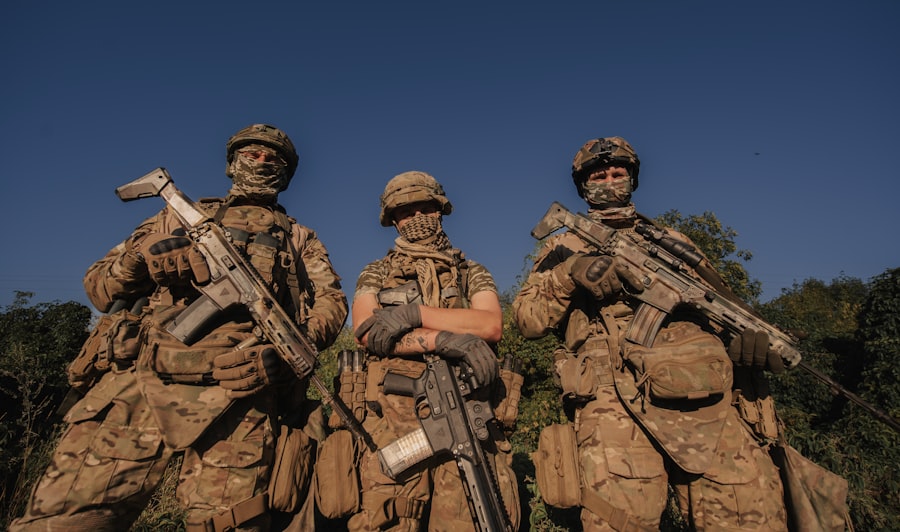
The defining moment that forever altered Blackwater’s public perception and triggered intense scrutiny was the Nisour Square massacre on September 16, 2007. On that day, operatives from Blackwater’s Raven 23 convoy opened fire in a crowded Baghdad intersection, killing 17 Iraqi civilians and injuring at least 20 more.
The Incident’s Immediate Aftermath
The immediate aftermath of the shooting was marked by confusion and conflicting accounts. Blackwater personnel claimed they were ambushed and fired in self-defense. However, eyewitness testimony and subsequent investigations painted a different picture, suggesting unprovoked aggression and excessive force.
The Investigation and Legal Ramifications
The Nisour Square massacre triggered a firestorm of international condemnation and a series of investigations. The FBI launched a criminal investigation, and the U.S. Department of Justice eventually indicted four Blackwater guards on charges of voluntary manslaughter and weapons violations. The ensuing legal battles were protracted and complex, highlighting the challenges of holding private contractors accountable under the law.
Impact on U.S.-Iraqi Relations
The massacre severely damaged U.S.-Iraqi relations, fueling resentment and distrust towards foreign contractors and the U.S. presence in general. The Iraqi government demanded an end to Blackwater’s operations and called for greater accountability for the actions of private security forces. This event became a potent symbol of the perceived abuses of power by PMCs.
Scrutiny and Accountability for Blackwater
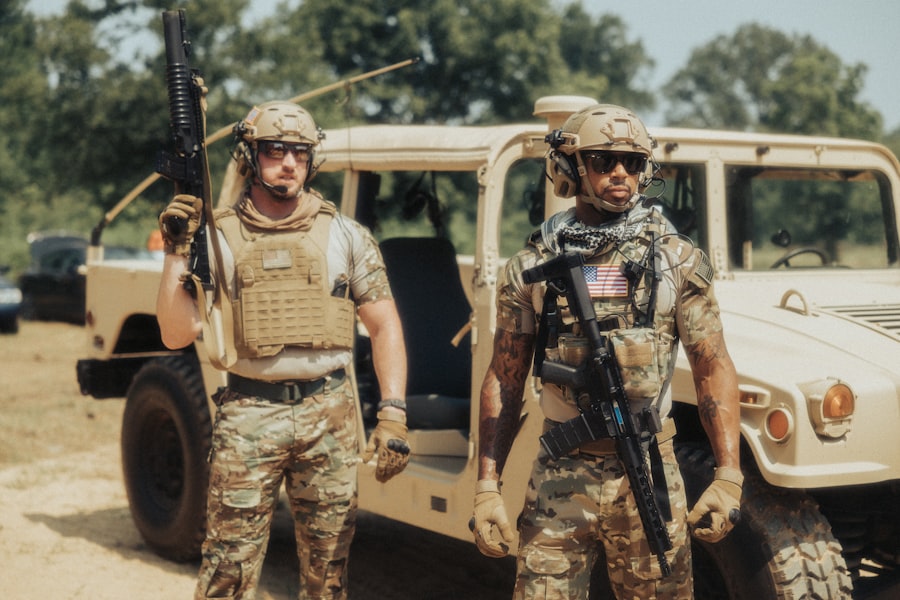
The Nisour Square massacre served as a catalyst for increased scrutiny of all PMCs operating in Iraq. Blackwater, in particular, came under intense examination from Congress, the media, and human rights organizations. The company’s practices, its contractual agreements, and the oversight mechanisms in place were all called into question.
Congressional Hearings and Public Outcry
Multiple congressional hearings were convened to investigate Blackwater’s activities. These hearings often featured emotional testimony from victims’ families and exposed a lack of transparency and accountability in the contracting process. The public outcry against Blackwater was significant, leading to calls for tighter regulation and stricter enforcement of rules governing private military contractors.
Contract Reviews and Restrictions
In the wake of the massacre, the U.S. State Department, which was Blackwater’s primary client, temporarily suspended its contracts and initiated a review of its relationship with the company. While some contracts were eventually reinstated, the incident led to tighter security protocols and increased oversight of private security personnel.
The Debate on Contractor Immunity
The legal battles surrounding the Nisour Square massacre also highlighted the complex issue of contractor immunity. Questions arose about whether private contractors operating in war zones should be subject to the same legal frameworks as military personnel, and what mechanisms should be in place for their prosecution when alleged crimes occur.
The role of Blackwater private military contractors during the Iraq War has been a topic of significant discussion and analysis, particularly regarding their impact on military operations and civilian safety. For those interested in exploring this subject further, an insightful article can be found at In the War Room, which delves into the complexities and controversies surrounding private military firms in conflict zones. This resource provides a comprehensive overview of the challenges faced by both contractors and the military, shedding light on the broader implications of privatized warfare.
Blackwater’s Evolving Identity and Departure from Iraq
| Year | Incidents | Casualties | Legal Actions |
|---|---|---|---|
| 2003 | Multiple | Unknown | None |
| 2004 | Multiple | Unknown | None |
| 2005 | Multiple | Unknown | None |
| 2006 | Multiple | Unknown | Investigations |
| 2007 | Multiple | Unknown | Legal Proceedings |
The increasing negative publicity and the mounting legal challenges forced Blackwater to undergo significant changes. The company rebranded itself multiple times, attempting to distance itself from the negative connotations associated with its original name. Ultimately, Blackwater’s presence in Iraq came to an end, but its legacy continued to shape the debate around private military contracting.
Rebranding and Restructuring
Following the Nisour Square incident, Blackwater USA was rebranded as Academi. This rebranding was a strategic move to shed its tarnished image and re-establish itself in the private security sector. The company underwent restructuring and sought to emphasize its commitment to professionalism and adherence to international law.
Loss of Key Contracts and Withdrawal
While Academi continued to secure some contracts, the stigma associated with Blackwater’s past made it difficult to regain the trust of the U.S. government and international partners. Key contracts, particularly those involving security for the State Department, were not renewed, and the company’s operational footprint in Iraq gradually diminished.
The Enduring Legacy of Blackwater in Iraq
Despite its eventual withdrawal, Blackwater’s role in the Iraq War left an indelible mark. The company became a case study in the challenges of privatizing security functions in complex conflict zones. Its story raised critical questions about the ethics, accountability, and oversight of private military contractors.
The Broader Implications for Private Military Contracting
Blackwater’s experiences in Iraq had far-reaching implications for the entire private military contracting industry. The controversies surrounding its operations spurred a global discussion about the role of PMCs in modern warfare and the need for robust legal and ethical frameworks to govern their activities.
The “Shadow Army” Debate
The rise of PMCs like Blackwater led to concerns about a “shadow army” operating with limited transparency and potentially outside the direct control of national governments. Critics argued that the reliance on private contractors blurred the lines between state and private actors and could undermine democratic accountability.
The Need for Regulation and Oversight
The incidents involving Blackwater, particularly the Nisour Square massacre, underscored the urgent need for stronger international and national regulations governing PMCs. This led to increased calls for standardized training, clear rules of engagement, and effective mechanisms for investigation and prosecution of alleged misconduct.
The Future of Private Military Contractors
The legacy of Blackwater continues to inform the ongoing debate about the future of private military contracting. While PMCs still play a role in security operations globally, their deployment is now often accompanied by greater scrutiny and a more robust emphasis on accountability and adherence to international humanitarian law. The lessons learned from Blackwater’s tumultuous presence in Iraq serve as a cautionary tale, highlighting the profound responsibilities that come with privatizing the instruments of state security.
Blackwater Disappeared. America’s Private Army Didn’t.
FAQs
What is Blackwater?
Blackwater is a private military company that provides security, training, and logistics support to government and non-government clients. It was founded in 1997 by Erik Prince and was later renamed Xe Services LLC and then Academi.
What role did Blackwater play in the Iraq War?
During the Iraq War, Blackwater was contracted by the United States government to provide security services, including protecting U.S. government officials and facilities in Iraq. They were involved in several high-profile incidents, including the 2007 Nisour Square massacre in Baghdad, where 17 Iraqi civilians were killed by Blackwater contractors.
What controversies has Blackwater been involved in?
Blackwater has been involved in several controversies, including the Nisour Square massacre, which led to legal and ethical scrutiny of the company’s actions in Iraq. Additionally, there have been allegations of misconduct, human rights abuses, and violations of international law.
What is the current status of Blackwater?
In 2009, Blackwater changed its name to Xe Services LLC, and in 2011, it was rebranded as Academi. The company has undergone changes in ownership and leadership, and it continues to provide security and training services to clients around the world.
What is the legal status of private military contractors like Blackwater?
Private military contractors operate within a legal framework established by international law, national laws, and the terms of their contracts with clients. However, there have been debates and discussions about the accountability and oversight of private military contractors, particularly in conflict zones like Iraq.