The echoes of conflict often reverberate through the grand narratives of war, but within those sweeping accounts lie countless individual stories of courage, sacrifice, and invaluable contribution. Wartime Britain, a nation grappling with existential threats across two World Wars, was no exception to this pattern. While the spotlight frequently fell on the white majority, a significant and often underappreciated stream of Black individuals, from across the British Empire and beyond, played a vital role in the nation’s defense and resilience. Their presence, though sometimes marginalized, was a testament to the interconnectedness of the global struggle and the inherent desire of all peoples to fight for freedom and a better future. These contributions spanned the military, industrial, social, and cultural spheres, weaving a complex tapestry of shared experience and mutual dependence.
The Uniformed Ranks: Black Soldiers, Sailors, and Airmen
The most visible and undoubtedly impactful contributions of Black individuals during wartime Britain were found within the armed forces. Drawn from diverse corners of the British Empire, these men and women donned the King’s uniform, ready to defend the realm and confront the enemy. Their service was not merely a matter of duty; for many, it was an opportunity to prove their worth in a world that often questioned their capabilities and their belonging. The Royal Navy, with its global reach, was an early recipient of Black recruits. From the West Indies, particularly Jamaica and Barbados, sailors had long been a part of maritime traditions, and the outbreak of war saw these experienced hands swell the ranks of the Royal Navy. They served on convoys, in naval battles, and on patrol duties, often in the most dangerous theaters of operation. The harsh realities of life at sea were compounded for Black sailors, who sometimes faced discrimination from their white counterparts and superiors, yet their professionalism and dedication rarely wavered. Their presence on British warships, a symbol of the Empire’s reach, was a subtle yet powerful statement of unity against a common foe.
The British Army, too, saw a substantial influx of Black personnel. Colonial troops, comprising units from West Africa, East Africa, and the Caribbean, formed significant contingents. The Royal West African Frontier Force, for instance, played a crucial role in campaigns in Africa during both World Wars, defending colonial territories and engaging enemy forces. In Europe, Caribbean soldiers arrived in large numbers during World War II, forming battalions that served on the front lines, in support roles, and in the vital task of defending Britain itself. These soldiers, far from home, faced the chilling reality of aerial bombardment and the constant threat of invasion. They participated in crucial defensive operations, manned anti-aircraft batteries, and provided essential labor in maintaining military infrastructure. Their contributions were essential to the overall war effort, demonstrating a commitment to the Allied cause that transcended racial lines, even if recognition for their sacrifices was not always equitable.
The burgeoning Royal Air Force also welcomed Black individuals into its ranks. While the numbers might have been smaller compared to the Army and Navy, their presence in aviation was no less significant. Black mechanics, ground crew, and even a few pilots joined the RAF, contributing to the vital work of keeping aircraft operational and supporting aerial operations. Their technical skills and dedication were indispensable to the air war, a testament to the fact that the fight for the skies required the talents of all. The integration of Black personnel into these uniformed services, while often fraught with challenges, marked a significant moment in the history of the British military and in the evolving understanding of citizenship and belonging within the British Empire.
The Shadow of Prejudice and the Resilience of the Spirit
Despite their courageous service, Black servicemen and women often encountered prejudice within the military structure. Segregated barracks, discriminatory treatment, and limited opportunities for advancement were unfortunately common experiences. This was particularly evident during World War II, when larger numbers of colonial troops were stationed in Britain. While the shared experience of war fostered camaraderie, it did not entirely erase ingrained racial biases. Black soldiers sometimes found themselves relegated to labor battalions or support roles, even when they possessed the skills and desire for combat. The “color bar,” a pervasive social and institutional discrimination, cast a long shadow over their wartime service.
However, the resilience of the human spirit in the face of adversity shone through. Black servicemen and women forged strong bonds of friendship and mutual support. They found solace and strength in shared experiences, creating their own informal networks and communities within the military. Their commitment to the war effort remained unwavering, driven by a profound sense of duty and a desire to contribute to the defeat of fascism, a brutal ideology that threatened the very foundations of human dignity. The stories of these individuals, often overlooked in official histories, speak volumes about their courage not only on the battlefield but also in navigating the complexities of a prejudiced society.
During World War II, the contributions of Black individuals in Britain were significant yet often overlooked. An insightful article that delves into this topic is available at In the War Room, which explores the experiences and roles of Black soldiers, nurses, and civilians during the conflict. This piece sheds light on their bravery and resilience, highlighting how their efforts were crucial to the war effort and the broader fight against fascism, while also addressing the challenges they faced in a racially divided society.
The Home Front: Black Labor in the Crucible of War
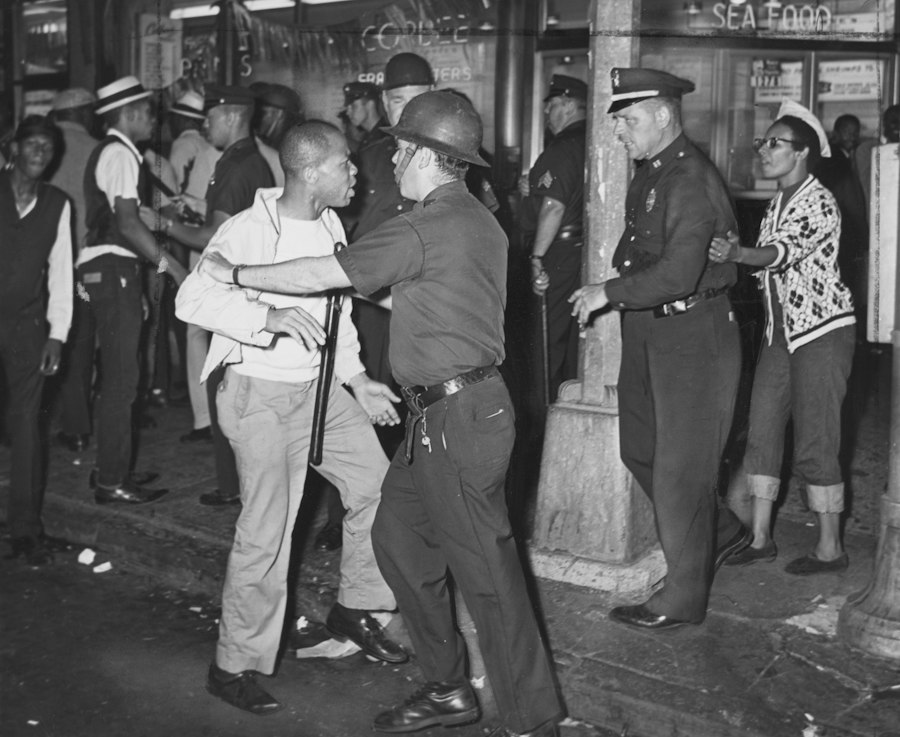
Beyond the battlefields, the home front of wartime Britain was a landscape transformed by the demands of total war. Industries, once focused on peacetime production, were redirected to the manufacture of weapons, ammunition, and essential supplies. This monumental task required an enormous workforce, and it was here that Black individuals made another crucial, though often invisible, contribution. As white men were conscripted into the armed forces, a significant labor shortage emerged, and the doors of British factories and workshops began to open, albeit gradually, to Black workers. From the Caribbean, thousands of men arrived under schemes like the Colonial Labour Service, filling critical roles in shipyards, munitions factories, and transportation.
These workers, often arriving with little or no prior industrial experience, demonstrated remarkable adaptability and a strong work ethic. They undertook physically demanding jobs, often in hazardous conditions, contributing to the production of aircraft, tanks, and other vital war materials. Their labor was instrumental in keeping the wheels of industry turning, ensuring that the armed forces had the equipment they needed to fight. The integration of Black workers into these traditionally white male-dominated industries was not without its challenges. They often faced lower wages, poorer working conditions, and the lingering effects of prejudice from their white colleagues. Yet, their dedication and skill were undeniable, proving that Black individuals were capable of contributing to the nation’s industrial might.
From the Land to the Factory Floor: Diversifying the Workforce
The agricultural sector also benefited from the labor of Black workers. With many farm laborers enlisted, British agriculture faced a potential collapse. Schemes were implemented to bring in workers from the colonies to assist with the harvest and maintain food production. These individuals worked alongside British farmers, tending to the land and ensuring that the nation had a reliable food supply during a time of immense scarcity. Their efforts in the fields were as vital as those in the factories, directly impacting the daily lives of Britons and contributing to the overall resilience of the nation.
Moreover, Black women also contributed significantly to the war effort on the home front. They worked in factories, took on roles in essential services like nursing and ambulance driving, and contributed to voluntary organizations. Their presence in the workforce, though often in less visible roles than their male counterparts, was essential to the functioning of a nation at war. The collective effort of Black men and women in industrial and agricultural roles was a silent but powerful testament to their commitment to the Allied cause and their desire to participate in the shaping of a post-war world.
The Invisible Threads: Black Contributions to Society and Culture

The impact of Black individuals during wartime Britain extended beyond the realms of direct military service and industrial labor. They were integral to the social fabric of the nation, contributing to the morale, resilience, and evolving cultural landscape. The presence of Black servicemen and civilians brought with them diverse cultural traditions, music, and perspectives that enriched British society, even if this enrichment was not always fully appreciated or acknowledged at the time. Wartime provided a unique context for inter-cultural interaction, however forced and unequal it may have sometimes been.
Maintaining Morale and Building Communities
Black soldiers and sailors, stationed in Britain during both conflicts, sought to maintain their cultural connections and build communities. They established social clubs, organized entertainment events, and participated in religious services. These gatherings provided a sense of belonging and solidarity, offering a refuge from the anxieties of war and the realities of racial prejudice. The music and rhythms brought by these individuals, from the Caribbean and Africa, injected a vibrant energy into a society often gripped by somberness. Jazz and other forms of Black music began to gain traction, subtly influencing British popular culture and offering moments of joy and escapism amidst the darkness of war.
Furthermore, Black civilians, who were already living in Britain or who arrived during the war, played vital roles in community support. They volunteered for civil defense, assisted in air raid shelters, and contributed to war relief efforts. Their participation in these activities demonstrated a shared commitment to the nation’s survival and a desire to contribute to the collective good, regardless of their background. The bonds forged in shared adversity, from the air raid sirens to the rationing queues, began to weave a more complex and inclusive tapestry of British society.
The Seeds of Change: Challenging Perceptions
The wartime experience, with its increased visibility and integration of Black individuals, also sowed the seeds of future social change. While immediate equality was far from realized, the undeniable contributions of Black men and women in uniform and in essential labor began to challenge long-held prejudices. The shared struggle against a common enemy created a space for a re-evaluation of existing social hierarchies. While the immediate post-war years would see a return to many pre-war discriminatory practices, the memory of Black contributions during the war would linger, providing a foundation for future civil rights movements and a more inclusive vision of British society. The wartime presence of Black individuals, though often overlooked, was a significant catalyst in the long and ongoing process of dismantling racial barriers.
The Shadow of the Empire: Colonial Troops and Their Plight
The vast majority of Black servicemen and women who served in wartime Britain hailed from the sprawling British Empire. These colonial troops, drawn from Africa and the Caribbean, represented a significant military asset, yet their experiences were often marked by a stark duality: lauded for their loyalty and bravery as imperial subjects, yet simultaneously subjected to discriminatory practices and often treated as second-class citizens within the very empire they defended. The colonial contributions were indispensable, but the recognition and recompense were frequently far from equitable.
The Front Lines and the Forgotten Ranks
West African and Caribbean soldiers, in particular, played crucial roles in campaigns across the globe, from the defense of Egypt and North Africa to engagements in Burma and Malaya. They faced the same dangers, endured the same hardships, and exhibited the same courage as their white counterparts, often in harsher climates and under more challenging logistical conditions. Their participation in pivotal battles and their unwavering commitment to duty were essential to Allied victories. However, their stories are often relegated to footnotes in military histories, overshadowed by the narratives of white European soldiers.
The disparity in treatment extended to pay, rations, and opportunities for promotion. While their loyalty to the Crown was unquestioned, the structures of the imperial military often reinforced existing racial hierarchies. The post-war period saw many of these soldiers return to colonies facing renewed struggles for independence, carrying with them the experiences of war but often lacking the recognition and benefits they deserved. Their wartime service, while a testament to their commitment to the Allied cause, also highlighted the inherent injustices of the imperial system.
The War’s Impact on Colonial Societies
The recruitment of men from the colonies had a profound impact on their home societies. The absence of large numbers of men created labor shortages in essential industries and agriculture. For those who served, the experience of war and exposure to different parts of the world often fostered a heightened sense of national identity and a desire for greater self-determination. The war, which was ostensibly fought for freedom and democracy, ultimately fueled aspirations for independence among colonized populations. The contributions of colonial troops thus played an unintended, yet significant, role in the eventual dismantling of the British Empire.
During World War II, the contributions of Black individuals in Britain were significant yet often overlooked, highlighting the need for a deeper understanding of their experiences during this tumultuous period. An insightful article that explores these narratives can be found at In the War Room, where it delves into the roles played by Black soldiers and civilians, shedding light on their struggles and triumphs in a society grappling with racial tensions. This exploration not only honors their legacy but also emphasizes the importance of recognizing diverse histories within the broader context of wartime Britain.
The Post-War Landscape: Legacy and Lingering Challenges
| Year | Event/Metric | Description | Significance |
|---|---|---|---|
| 1914-1918 | Black Soldiers in WWI | Thousands of Black men from the Caribbean and Africa served in the British Army and Royal Navy. | Marked the beginning of significant Black participation in British military efforts. |
| 1940 | Windrush Generation Arrival | The HMT Empire Windrush docked in London, bringing Caribbean migrants to support post-war reconstruction. | Initiated a wave of Black migration that contributed to Britain’s wartime and post-war workforce. |
| 1939-1945 | Black RAF and Merchant Navy Personnel | Black servicemen served in the Royal Air Force and Merchant Navy during WWII. | Demonstrated Black contributions to Britain’s defense and logistics during wartime. |
| 1942 | Formation of the British West Indian Regiment | Reactivation and deployment of the regiment in various theaters of WWII. | Highlighted organized Black military units within the British forces. |
| 1940-1945 | Black Civilian Workforce | Black workers employed in factories, docks, and transport to support the war effort. | Essential role in maintaining Britain’s wartime economy and infrastructure. |
| Post-1945 | Recognition and Commemoration | Growing awareness and memorials acknowledging Black contributions during wartime. | Important for historical inclusion and cultural recognition in Britain. |
The end of wartime hostilities did not, unfortunately, usher in an era of immediate equality and full recognition for the contributions of Black individuals. While the war had undeniably brought about a greater awareness of their presence and capabilities, deeply entrenched racial prejudices persisted in British society. The post-war period witnessed a complex interplay of progress and continued struggle, with the legacy of wartime contributions shaping future demands for civil rights and racial justice.
The Windrush Generation and the Shifting Demographics
The post-war era saw a significant shift in Britain’s demographics with the arrival of the Windrush generation, Caribbean individuals who came to Britain to help rebuild the nation and fill labor shortages. Many of these individuals had family members who had served in the armed forces during the war, creating a sense of historical connection. Their arrival, though welcomed by some as a vital workforce, was also met with resistance and discrimination by others. The experiences of these new arrivals, in many ways, mirrored some of the challenges faced by their predecessors during the war, highlighting the persistent nature of racial bias.
The Long Road to Recognition and Equality
While wartime contributions were often underplayed in official histories, the experiences and sacrifices of Black servicemen and civilians did not disappear. Over time, a growing awareness and scholarly research began to bring these narratives to the forefront. Museums, archives, and community organizations have played a crucial role in documenting and commemorating the contributions of Black individuals in wartime Britain. The establishment of memorials, the publication of personal accounts, and the inclusion of these stories in educational curricula have begun to rectify historical omissions. However, the fight for full recognition and genuine equality remains an ongoing process. The legacy of Black contributions in wartime Britain serves as a powerful reminder of the diverse individuals who shaped the nation’s history and the enduring struggle for a truly inclusive and just society. Their stories, woven into the fabric of British history, deserve to be remembered, celebrated, and understood in their full complexity.
His WWII GI Father Was a Mystery for Nearly 80 Years
FAQs
What role did Black people play in wartime Britain?
Black people in wartime Britain played various roles, including serving in the armed forces, working in essential industries, and contributing to the war effort through various support roles.
Were Black soldiers segregated in the British armed forces during wartime?
Black soldiers in the British armed forces were not officially segregated during wartime. However, they often faced discrimination and unequal treatment compared to their white counterparts.
How did Black communities in Britain contribute to the war effort?
Black communities in Britain contributed to the war effort by working in industries such as manufacturing, transportation, and healthcare. They also supported the war effort through volunteer work, fundraising, and civil defense activities.
Did Black people face racism and discrimination in wartime Britain?
Yes, Black people in wartime Britain faced racism and discrimination, both within the armed forces and in civilian life. They often encountered prejudice, segregation, and unequal opportunities.
What impact did Black history in wartime Britain have on the broader narrative of British history?
The contributions and experiences of Black people in wartime Britain have helped to reshape the narrative of British history, highlighting the diverse and often overlooked roles played by minority communities in shaping the country’s wartime efforts and post-war society.