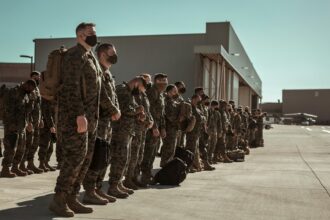
The thrum of American military boots, a sound previously unheard on British soil, began to echo across the United Kingdom in the early years of World War II. While the initial influx of Allied forces was predominantly white, the strategic needs of the war effort soon brought a significant contingent of Black American soldiers to Britain. These men, often referred to as “Colored troops” in official parlance and by some in the British press, arrived with a complex duality: they were fighting for democracy abroad while simultaneously facing systemic segregation and discrimination at home. Their presence in Britain, therefore, was not merely a military deployment; it was a profound encounter that challenged ingrained racial hierarchies on both sides of the Atlantic, leaving an indelible mark on the wartime landscape and the memories of those who experienced it.
The Unseen Vanguard: Initial Deployment and Purpose
The arrival of Black American soldiers in Britain was not a sudden occurrence but a gradual process dictated by the escalating demands of the war. As the United States formally entered the conflict after the attack on Pearl Harbor in December 1941, the need for manpower became paramount. The vast logistical undertaking of projecting American power across the Atlantic required a considerable workforce, and Black soldiers were assigned to a variety of crucial support roles. While many harbored hopes of engaging in direct combat, the reality for most was a reality of labor and infrastructure development.
Engineering the War Effort: Building and Maintaining Infrastructure
The sheer scale of the American military presence in Britain necessitated the construction and maintenance of an extensive network of bases, airfields, ports, and logistical depots. Black engineering battalions, such as the 969th Engineer Regiment and the 379th Engineer Combat Battalion, were instrumental in this endeavor. These units were tasked with the arduous and often dangerous work of clearing land, building roads and bridges, constructing barracks, and setting up supply lines. Their contributions were vital to the functioning of the entire Allied war machine in the European theater. The work was physically demanding, performed under the constant threat of aerial attack, and essential for the swift movement of troops and materiel. Without their tireless efforts, the subsequent Allied offensives would have been severely hampered. These soldiers, often overlooked in historical accounts focused on combat units, formed the backbone of the logistical support that underpinned the war effort.
Logistics and Supply: The Backbone of Operations
Beyond engineering, Black soldiers were heavily involved in the crucial but less glamorous work of logistics and supply. Quartermaster units, transportation corps, and service companies formed a significant portion of the African American presence in Britain. They were responsible for unloading ships, storing and distributing provisions, maintaining vehicles, and ensuring that frontline troops received the ammunition and supplies they needed. This often involved long hours, working in all weather conditions, and meticulous attention to detail. The efficiency of these operations was directly linked to the success of Allied military campaigns, and the Black soldiers filling these roles performed their duties with dedication and professionalism, often exceeding expectations.
The Shadow of Segregation: Separate and Unequal
Despite their vital contributions, Black American soldiers in Britain found themselves operating within a segregated military system that mirrored the injustices they faced in the United States. The U.S. Army’s policy of segregation extended to its deployment in Britain, with Black soldiers often housed in separate barracks, assigned to different messes, and generally kept apart from their white counterparts. This imposed separation was a constant reminder of the racial prejudices they had journeyed across the Atlantic to escape, creating a deeply frustrating and often demoralizing experience.
Housing and Amenities: Divided Quarters
The physical separation was evident in the living arrangements. Black troops were typically housed in distinct camps or segregated sections of larger bases. This meant that shared facilities like barracks, latrines, and recreational areas were often divided along racial lines. While some British communities were more welcoming than the American South, the official U.S. military policy of segregation created a parallel social structure within the bases, limiting opportunities for intermingling and fostering a sense of “otherness.” This segregation was not simply a matter of convenience; it was a deliberate policy that reinforced the racial caste system of the United States.
Social Interactions and Restrictions: Navigating a Minefield
The restrictions placed upon Black soldiers extended to their social interactions. While British civilians generally displayed a more open and less prejudiced attitude towards Black American servicemen than many white Americans did, the U.S. military maintained its segregationist policies. This often led to friction, with Black soldiers being discouraged or even forbidden from socializing with white American personnel off-duty. The presence of “whites only” signs on some American facilities in Britain was a stark and painful contradiction to the ideals of freedom and democracy the war was supposedly being fought for. This created a complex social landscape where Black soldiers had to navigate the expectations of the host nation, the policies of their own military, and the individual prejudices they encountered.
During World War II, Black American soldiers played a significant role in the Allied efforts while stationed in Britain, often facing both the challenges of combat and the complexities of racial segregation. Their experiences are vividly documented in various articles, including one that explores the contributions and struggles of these soldiers during their time abroad. For more insights into this important aspect of history, you can read the article here: Black American Soldiers in World War II Britain.
Encounters and Exchanges: Black Soldiers and British Society
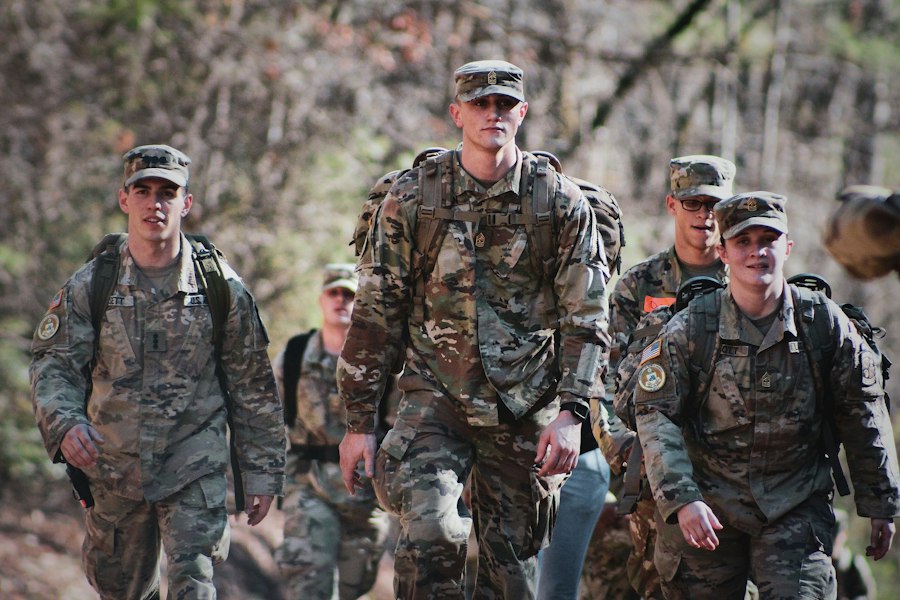
The integration of Black American soldiers into British society, though officially restricted by U.S. military policy, proved to be a more nuanced and often more positive experience than many had anticipated. While the specter of racism was not entirely absent, the general attitude of the British population towards these servicemen was often characterized by curiosity, respect, and even warmth, in stark contrast to the pervasive discrimination many had experienced at home. This contrast fostered a unique set of interactions that left lasting impressions on both Black soldiers and the British public.
A Different Reception: Civilians and Racial Attitudes
Unlike the rigid racial segregation prevalent in the American South, Britain had a long history of dealing with diverse populations, albeit with its own forms of prejudice. During the war, the British public, facing the existential threat of Nazi Germany, generally viewed the American soldiers, including the Black servicemen, as allies and liberators. This led to a more open and accepting social environment for Black soldiers. They found themselves invited into homes for tea, engaged in conversations in pubs, and generally treated with a level of dignity that was often absent in their homeland. This was a profound revelation for many, offering a glimpse of a society where their race did not automatically define their social standing or limit their interactions.
Wartime Friendships and Romance: Bridging Divides
The interactions between Black American soldiers and British civilians often blossomed into genuine friendships and, in some instances, romantic relationships. These connections were a powerful testament to the shared humanity that transcended racial barriers. Despite the official restrictions and the social pressures, these relationships offered a sense of normalcy and belonging to soldiers far from home. The experiences of these relationships, though sometimes fraught with challenges, provided a counter-narrative to the pervasive racism of the time and demonstrated the potential for genuine human connection across racial divides. These unions, while not always officially sanctioned or fully accepted by the U.S. military, represented a tangible challenge to the established racial order.
Cultural Exchange: Music, Food, and Everyday Life
The presence of Black American soldiers brought a vibrant infusion of African American culture to Britain. Their music, particularly jazz and swing, became immensely popular, and soldiers were often invited to perform at local events or dances. The soldiers also shared aspects of their cuisine and their unique cultural expressions, contributing to a broader cultural exchange. This interaction broadened the horizons of many Britons, exposing them to the richness and diversity of American culture beyond the mainstream narratives. For the soldiers, sharing their culture was a way of asserting their identity and finding common ground with their hosts.
Challenges and Triumphs: The Soldier’s Experience
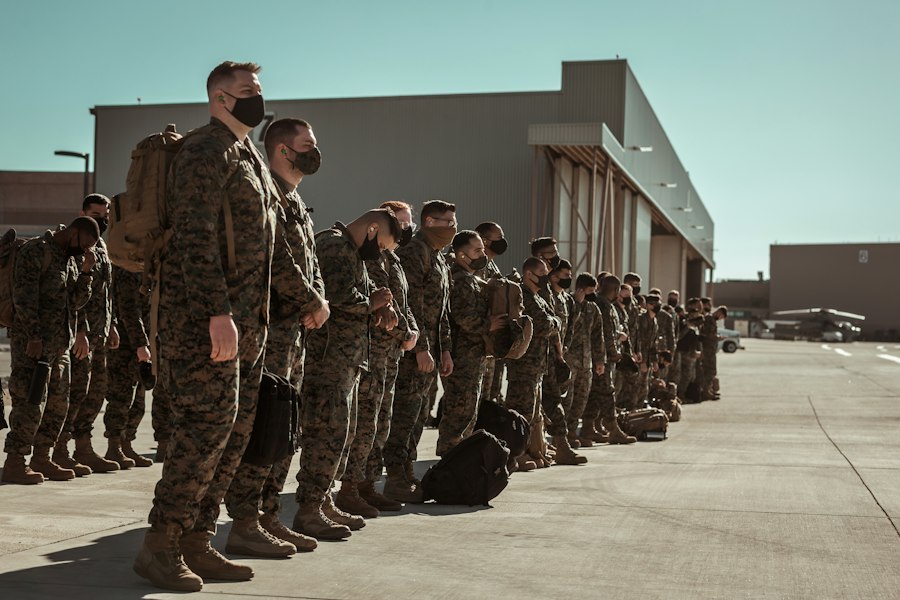
The lives of Black American soldiers in WWII Britain were a tapestry woven with threads of hardship, resilience, and unexpected triumphs. While they served a nation that often treated them as second-class citizens, their experiences in Britain offered moments of respite, pride, and a burgeoning awareness of their own strength and the potential for a more equitable future.
Discrimination on Base: Lingering Prejudices
Despite the generally positive reception from British civilians, the experience of Black soldiers on American military bases was often marked by the continuation of racial discrimination. This included unequal access to facilities, discriminatory treatment by white officers, and a general atmosphere where the U.S. Army’s segregationist policies were enforced. Reports of racial altercations and tensions between Black and white American troops were not uncommon, highlighting the persistent challenge of overcoming ingrained prejudices even within the military ranks. These instances served as stark reminders of the hypocrisy embedded within the war effort.
Contributions to the War Effort: Beyond the Front Lines
While often relegated to service and support roles, Black American soldiers were crucial to the overall success of the Allied war effort. Their labor in building infrastructure, their dedication to logistics, and their eventual participation in combat units when opportunities arose were all vital. Units like the 761st Tank Battalion, famously known as the “Black Panthers,” saw extensive combat and proved their bravery and effectiveness on the battlefield. Their exploits, though often under-reported at the time, were a powerful refutation of racist assumptions about Black men’s capabilities. Their presence in combat challenged the notion that they were only fit for menial labor.
Moments of Dignity and Respect: A Glimpse of Equality
For many Black soldiers, their time in Britain offered rare moments of dignity and respect. The genuine appreciation shown by British civilians, the friendships formed, and the opportunities to experience a society less rigidly stratified by race provided a profound contrast to their experiences at home. These experiences fostered a sense of pride and instilled a deeper conviction in the fight for democracy and equality, both abroad and at home. It was this taste of potential equality that fueled their resolve upon returning to the United States.
Legacies and Lasting Impressions: Remembering the Contributions
The presence of Black American soldiers in WWII Britain left an enduring legacy, shaping perceptions of race, fostering intercultural understanding, and contributing to the broader narrative of American involvement in the war. While their stories were often marginalized in initial historical accounts, a growing body of work now seeks to illuminate their significant contributions and the complex realities they navigated.
Challenging Racial Narratives: A More Complete Picture
The experiences of Black American soldiers in Britain served as a powerful challenge to the prevailing racial narratives of the time, both in the United States and abroad. Their professional conduct, their bravery in the face of adversity, and their ability to forge positive relationships with the British populace contradicted the racist stereotypes that sought to limit their potential. The recognition of their contributions is crucial for a more accurate and nuanced understanding of the American war effort. This has involved the rediscovery and reinterpretation of archival materials and personal testimonies.
Intercultural Understanding: Seeds of Change
The interactions between Black soldiers and British civilians planted seeds of intercultural understanding that had a lasting impact. These encounters helped to break down stereotypes and foster a greater appreciation for diversity. For many Britons, their encounters with Black American servicemen were their first meaningful interactions with people of color, challenging preconceived notions and contributing to a more inclusive post-war society. The memory of these interactions, passed down through generations, continues to inform British perspectives on race and international relations.
The Fight for Civil Rights: A Reinforced Commitment
The experiences of Black American soldiers in Britain, particularly the stark contrast between the relative openness of British society and the segregationist policies of the U.S. military, further strengthened their commitment to the fight for civil rights upon their return home. The disillusionment with being treated as second-class citizens while fighting for freedom abroad fueled a greater resolve to dismantle racial injustice in America. Their wartime experiences provided tangible evidence of what a more equitable society could look like, bolstering their arguments for change and inspiring the burgeoning Civil Rights Movement. The veterans of WWII, including the Black soldiers who served in Britain, would become a powerful force in the post-war struggle for equality.
During World War II, Black American soldiers played a significant role in Britain, contributing to the war effort while also facing the challenges of segregation and discrimination. Their experiences are often overlooked, yet they helped to pave the way for future civil rights advancements. For a deeper understanding of their contributions and struggles, you can read a related article that explores these themes in detail. This insightful piece can be found here.
Voices from the Past: Personal Accounts and Oral Histories
| Metric | Data/Information |
|---|---|
| Number of Black American Soldiers Stationed in Britain | Approximately 150,000 |
| Time Period | 1942 – 1945 |
| Main Roles | Support roles, logistics, military police, and some combat units |
| Racial Segregation | Units were segregated; Black soldiers often faced discrimination |
| Interaction with British Civilians | Generally positive; British public showed less racial prejudice compared to the US |
| Impact on Civil Rights Movement | Experiences in Britain contributed to increased awareness and activism post-war |
| Notable Units | 92nd Infantry Division (Buffalo Soldiers), 761st Tank Battalion |
| Challenges Faced | Racial discrimination within the military, limited combat opportunities |
The most poignant and impactful way to understand the experiences of Black American soldiers in WWII Britain is through their own words. Personal accounts, diaries, letters, and oral histories provide invaluable insights into their daily lives, their struggles, their triumphs, and their evolving perspectives. These narratives offer a deeply human dimension to the historical record, allowing us to connect with these individuals on a personal level.
Diaries and Letters Home: Documenting the Journey
Numerous soldiers meticulously documented their experiences through diaries and letters sent back to loved ones. These personal writings offer a raw and unfiltered glimpse into the realities of military life in wartime Britain. They detail everything from the mundane tasks of soldiering to the profound emotions of longing for home, the frustrations of segregation, and the joys of unexpected camaraderie. These documents are essential for reconstructing the lived realities of these men, providing details that official reports often overlook.
Oral Histories: Preserving Living Memories
In recent decades, a concerted effort has been made to collect and preserve the oral histories of Black American veterans. Through interviews, these men and women share their memories, often for the first time, offering invaluable firsthand accounts of their service. These oral histories capture the nuances of their experiences, the emotions, and the reflections that might otherwise be lost to time. They provide a vital counterpoint to official histories and ensure that their voices are heard and their contributions recognized for future generations. The preservation of these narratives is an ongoing and critical task.
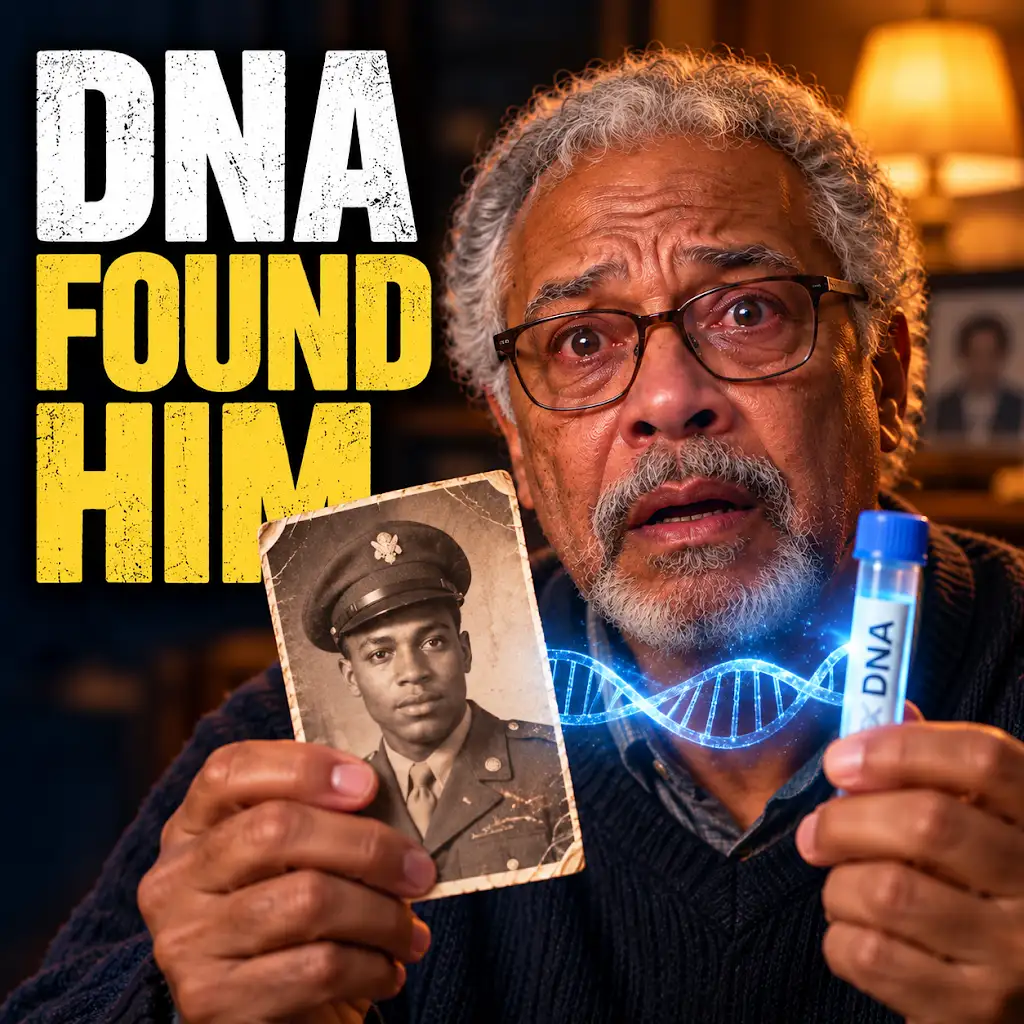
His WWII GI Father Was a Mystery for Nearly 80 Years
FAQs
What role did Black American soldiers play in World War II Britain?
Black American soldiers played a significant role in World War II Britain, serving in various capacities such as combat troops, support staff, and in specialized units.
How many Black American soldiers served in World War II Britain?
Approximately 1.2 million Black American soldiers served in World War II, with a significant number stationed in Britain to support the war effort.
What challenges did Black American soldiers face in World War II Britain?
Black American soldiers faced discrimination, segregation, and unequal treatment while serving in World War II Britain, both within the military and in society at large.
Did Black American soldiers receive recognition for their contributions in World War II Britain?
Despite their significant contributions, Black American soldiers did not always receive the recognition they deserved for their bravery and sacrifices during World War II Britain.
How did the presence of Black American soldiers impact race relations in Britain during World War II?
The presence of Black American soldiers in Britain during World War II had a profound impact on race relations, challenging existing prejudices and contributing to the civil rights movement both in the United States and in Britain.