The arrival of American GIs in Britain during World War II was a seismic event, not just for the war effort but for the social fabric of the United Kingdom. Initially met with a mixture of curiosity and apprehension, these foreign soldiers, dubbed “Yanks,” soon became a ubiquitous presence in towns and cities across the nation. Their uniforms, their accents, their booming confidence, and their seemingly endless supply of American cigarettes and chocolate, all contributed to a stark contrast with the rationing and austerity that had become the norm for British civilians. But beyond the superficial differences and the initial cultural adjustments, a profound and often deeply personal connection began to forge between these American servicemen and the British women they encountered. This was a connection born out of shared struggle, mutual admiration, and the undeniable pull of human companionship in the face of unprecedented adversity. “Allied Love” explores the intricate tapestry of relationships that bloomed between American soldiers and British women during the war, examining the societal implications, the personal joys and sorrows, and the lasting impact of these wartime romances.
The Vanguard of Friendship: Early Encounters and Cultural Exchange
The initial waves of American troops arriving in Britain, particularly in the lead-up to D-Day, were met with a complex reception. While the British public generally welcomed their allies, the sheer number of servicemen, their perceived wealth, and their sometimes boisterous behavior led to a period of adjustment. British women, who had long borne the brunt of wartime anxieties and the absence of their own menfolk serving overseas, found themselves in a novel social landscape. The American soldiers, many of whom were experiencing Britain for the first time and far from home, also sought connection and solace.
Bridging the Atlantic: First Impressions and Perceptions
The first encounters between American soldiers and British women were often marked by curiosity and a degree of stereotyping on both sides. British women, having grown up with American culture filtered through Hollywood films and popular music, had certain pre-conceived notions of the “American man.” These often involved an image of confidence, assertiveness, and perhaps a dash of devil-may-care bravado. Similarly, American soldiers likely carried their own set of assumptions about their British counterparts, perhaps influenced by portrayals of British femininity as reserved or demure.
In reality, the lived experiences often defied these generalizations. British women were resilient, resourceful, and had adapted to the harsh realities of war with remarkable fortitude. Many were working in factories, nursing, or in other vital roles, demonstrating a strength and independence that may have impressed the American servicemen. Conversely, the American soldiers, despite their outward confidence, were often young men grappling with the immense pressures of war, longing for a connection to home and a sense of normalcy. The shared experience of a world at war, however, served as a potent equalizer, fostering a sense of common purpose that could easily transcend initial impressions.
The Social Landscape: Dance Halls, Canteens, and Public Spaces
The burgeoning relationships between American soldiers and British women were nurtured in a variety of public and semi-public spaces. The most iconic of these were the dance halls, which became vibrant hubs of social interaction. For British women, these events offered a rare opportunity to socialize and dance with men, as so many of their own generation were away fighting. For the American soldiers, the dance halls provided a relaxed environment to meet local women, practice their dance steps, and escape the confines of military life. The music, a mix of popular swing and jazz, was a shared language that facilitated connection.
Beyond the dance halls, American Red Cross clubs and canteens played a crucial role. These establishments were specifically designed to provide a welcoming space for servicemen to relax, write letters, and socialize with American women volunteers and, importantly, local British women. They offered a taste of home with familiar food and drink, and provided a neutral ground where friendships and romantic interests could blossom without the direct supervision of military authorities. Even casual encounters in pubs, parks, and on the streets contributed to the evolving social dynamics, with shared smiles and brief conversations laying the groundwork for deeper connections. The sheer presence of so many young, available men in British society, albeit temporarily, undoubtedly altered the social dynamics for women.
During World War II, the interactions between American soldiers and British women played a significant role in shaping the social landscape of the time. A fascinating article that delves into this topic can be found at In The War Room, where it explores the relationships formed between these two groups amidst the backdrop of war, highlighting the cultural exchanges and personal stories that emerged during this tumultuous period.
Seeds of Romance: Courtship and the Bonds of Affection
Amidst the backdrop of war and uncertainty, a powerful force of human connection began to take root. American soldiers and British women found solace, companionship, and eventually, love, in each other’s company. These relationships, though often subject to the pressures of military life and societal expectations, offered a vital emotional anchor for individuals caught in the maelstrom of global conflict.
The Allure of the “Yank”: Charms and Cultural Differences
The “Yank” held a certain mystique for many British women. Their seemingly inexhaustible supply of optimism, their casual demeanor, and their perceived wealth were all part of the allure. American popular culture, which had long been a significant influence, now had living, breathing embodiments of its ideals walking the streets of Britain. The soldiers’ distinct accents, their slang, and their different social customs often proved captivating. They offered a window into a world that felt both familiar through entertainment and excitingly foreign in reality.
The Americans themselves were often drawn to the perceived “sweetness” and “resilience” of British women. In a society that had endured so much hardship, the quiet strength and determination of these women were deeply admired. The English accent, often perceived as refined and sophisticated, also played a role. Many American soldiers found themselves enchanted by the unique charm and understated elegance of their British counterparts, a welcome contrast to the more overtly assertive social interactions they might have experienced at home.
From Friendship to Fling: The Evolution of Wartime Relationships
The progression from initial acquaintance to deeper romantic involvement varied greatly. For some, it was a whirlwind romance, a passionate affair born out of the fleeting nature of wartime existence. The ever-present threat of deployment, injury, or even death meant that relationships often had to accelerate, with less emphasis on long-term planning and more on seizing the moment. Dances, shared meals, and quiet walks became precious opportunities for intimacy.
For others, relationships developed more gradually, evolving from casual friendships to deep bonds of affection. These connections often involved a greater degree of emotional investment, with soldiers and women sharing their fears, hopes, and dreams for the future. The shared experience of living through a world at war created a profound sense of solidarity and understanding, laying the foundation for lasting love. The act of writing letters became a crucial element in maintaining these connections, allowing individuals to express their feelings and maintain contact even when physically apart. The anticipation of receiving a letter, a tangible link to a loved one, held immense emotional weight.
Societal Ripples: Challenges, Stigma, and Acceptance
The burgeoning relationships between American soldiers and British women did not occur in a social vacuum. They were subject to a range of societal pressures, from the judgment of conservative elements to the pragmatic concerns of military authorities and the deeply personal anxieties of families. These relationships, while often joyous for the individuals involved, also created ripples throughout British society.
During World War II, the interactions between American soldiers and British women played a significant role in shaping the social landscape of the time. Many soldiers formed deep connections with local women, leading to friendships and romances that transcended cultural barriers. For a deeper understanding of these relationships and their impact on both American and British societies, you can read more in this insightful article about the experiences of those involved. To explore this topic further, visit this article.
The “Overpaid, Oversexed, and Over here” Stereotype
One of the most persistent and problematic stereotypes that emerged was the perception of American soldiers as “overpaid, oversexed, and over here.” This crude generalization reflected a complex mix of envy, resentment, and genuine concern about the impact of these foreign troops on British society. The perceived wealth of the American soldiers, in contrast to the widespread rationing and economic hardship in Britain, led to accusations of flaunting their possessions and potentially exploiting British women.
The “oversexed” label, while likely fueled by a combination of wartime stress and youthful exuberance, also tapped into anxieties about morality and the potential for promiscuity. For some, the influx of American servicemen represented a challenge to traditional social norms and the perceived sanctity of marriage and relationships. The “over here” aspect highlighted the temporary nature of their presence and the underlying fear that these relationships would inevitably end with the soldiers’ departure, leaving British women and potentially illegitimate children behind. This stereotype, though unfair to the vast majority of servicemen, nonetheless colored public perception and created a challenging environment for many couples.
The Stigma of Pregnancy and the “Dollar Princess”
The most tangible and often painful consequence of these wartime romances was the issue of pregnancies. When relationships deepened and led to conception, the challenges multiplied. For British women, an illegitimate pregnancy carried significant social stigma in the mid-20th century. The father, often a foreign soldier who might be deployed at any moment, was not always readily available for support or acknowledgement. This left many women facing the prospect of single motherhood in a society that offered limited support systems for such circumstances.
The phenomenon of British women marrying American soldiers and accompanying them back to the United States became known as the “Dollar Princess” phenomenon. While for many these were genuine love matches, for some there was an element of economic aspiration. The allure of a potentially more prosperous life in America, especially in the post-war era, was a powerful motivator. However, this perception also contributed to a degree of suspicion and resentment, with some suggesting that British women were more interested in the financial security offered by American husbands than in genuine affection. Nevertheless, the vast majority of these marriages were built on love and a genuine desire for a shared future.
Post-War Legacies: Marriages, Departures, and Enduring Connections
The end of World War II did not signal the end of these unique relationships; rather, it marked a new phase. For many couples, the challenges of war were replaced by the complexities of peacetime, including decisions about where to build their lives and the enduring impact of their wartime experiences. The legacy of these “Allied Loves” is woven into the fabric of both British and American society.
The Transatlantic Bride: Journeys to America
Thousands of British women married American soldiers during and immediately after the war and made the momentous decision to relocate to the United States. These women, often referred to as “war brides,” embarked on journeys across the Atlantic, leaving behind familiar shores and embarking on new lives in a foreign land. The process of emigration was not without its challenges. They faced the emotional upheaval of leaving family and friends, adapting to a new culture, and navigating the legal and logistical hurdles of immigration.
Despite these difficulties, many of these transatlantic marriages proved to be remarkably successful. These women integrated into American society, raising families and contributing to their new communities. Their presence brought a unique cultural flavor to the United States, enriching its diverse tapestry. The stories of these war brides are a testament to the strength of their bonds and their adaptability in the face of significant life changes. They represent a tangible and enduring legacy of the wartime alliance, a personal connection that transcended national borders.
The Lingering Echoes: Families, Memories, and a Shared History
The enduring connections forged during World War II continue to resonate today. For many, these relationships have resulted in multi-generational families with deep roots in both Britain and America. The children and grandchildren of these wartime couples often grow up with a dual heritage, a rich understanding of both cultures. They inherit not only family stories but also a unique perspective on the shared history of the two nations.
The memories of these wartime romances are often cherished, passed down through family narratives. These stories serve as a reminder of the human element of the war, of the personal connections that bloomed amidst the devastation. They offer a counterpoint to the grand narratives of battles and political strategies, highlighting the power of individual love and companionship in the face of global conflict. The legacy of “Allied Love” is a testament to the fact that even in the darkest of times, the human heart finds ways to connect, to love, and to build a future. It is a reminder that alliances are not just forged on the battlefield, but also in the quiet moments of shared understanding and affection between individuals from different worlds, united by a common humanity and a desire for peace and happiness.
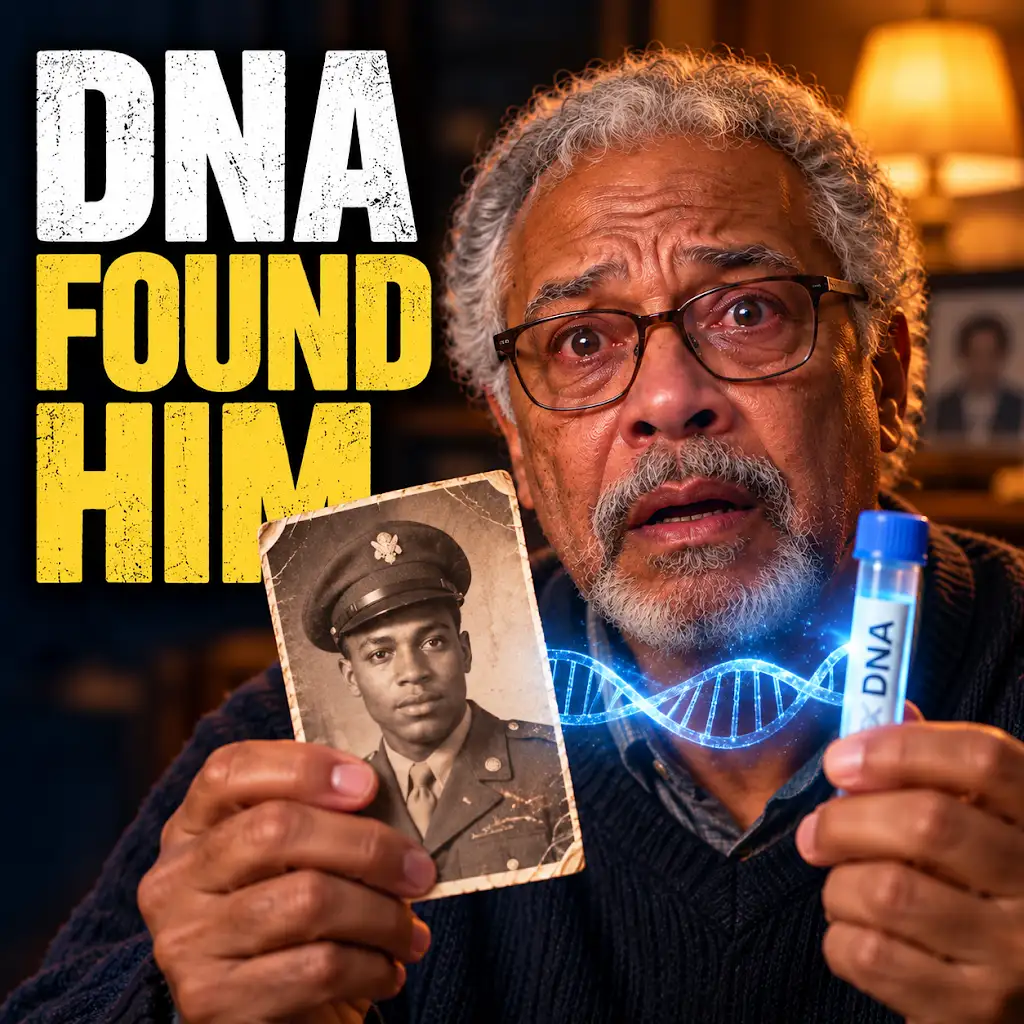
His WWII GI Father Was a Mystery for Nearly 80 Years
FAQs
1. What role did American soldiers play in WWII?
American soldiers played a significant role in WWII by fighting on the front lines in various theaters of war, including Europe, Africa, and the Pacific.
2. How did American soldiers interact with British women during WWII?
During WWII, American soldiers stationed in Britain often socialized with British women through dances, parties, and other social events. Many American soldiers formed relationships with British women, leading to marriages and romances.
3. Were there any challenges faced by American soldiers and British women in their relationships during WWII?
Yes, there were challenges faced by American soldiers and British women in their relationships during WWII, including cultural differences, language barriers, and the uncertainty of wartime conditions.
4. Did American soldiers and British women face any opposition to their relationships during WWII?
Some American soldiers and British women faced opposition to their relationships during WWII from family members, friends, and societal norms. However, many couples persevered and overcame these challenges.
5. What impact did the relationships between American soldiers and British women during WWII have on both countries?
The relationships between American soldiers and British women during WWII had a lasting impact on both countries, fostering cultural exchange, strengthening alliances, and leaving a legacy of shared history and memories.