Berlin’s resilience in the face of the Soviet blockade is a testament to the indomitable human spirit, a stark reminder of how ordinary people can rise above extraordinary adversity. The city, still reeling from the devastation of World War II, found itself at the epicenter of a new global conflict, a frozen war played out on its very streets. The Soviet Union, aiming to force the Western Allies out of Berlin, imposed a complete land and water blockade, cutting off the city’s lifeline and plunging its citizens into a desperate struggle for survival. Yet, through ingenuity, solidarity, and an unwavering will to remain free, Berliners not only endured but emerged from this crucible with a newfound sense of identity and an enduring symbol of defiance.
The seeds of the Berlin Blockade were sown in the complex and rapidly deteriorating post-war geopolitical landscape. The Allied victory over Nazi Germany had dissolved into a tense standoff between the Soviet Union and the Western powers – the United States, Great Britain, and France. Germany, and its capital Berlin, divided into four occupation zones, became the primary flashpoint for this ideological struggle.
The Potsdam Conference and Emerging Tensions
Following the Yalta Conference, the Potsdam Conference in the summer of 1945 laid out the initial framework for the administration of post-war Germany. While agreements were reached on denazification, demilitarization, and reparations, fundamental disagreements regarding the long-term political and economic future of Germany quickly surfaced. The Soviet Union, having suffered immense losses during the war, sought to cripple Germany economically and ensure its continued weakness as a bulwark against future aggression. The Western Allies, on the other hand, increasingly favored a unified and economically viable Germany, albeit one denazified and democratized, as a crucial bulwark against Soviet expansionism.
The Fragmented City: Berlin’s Unique Predicament
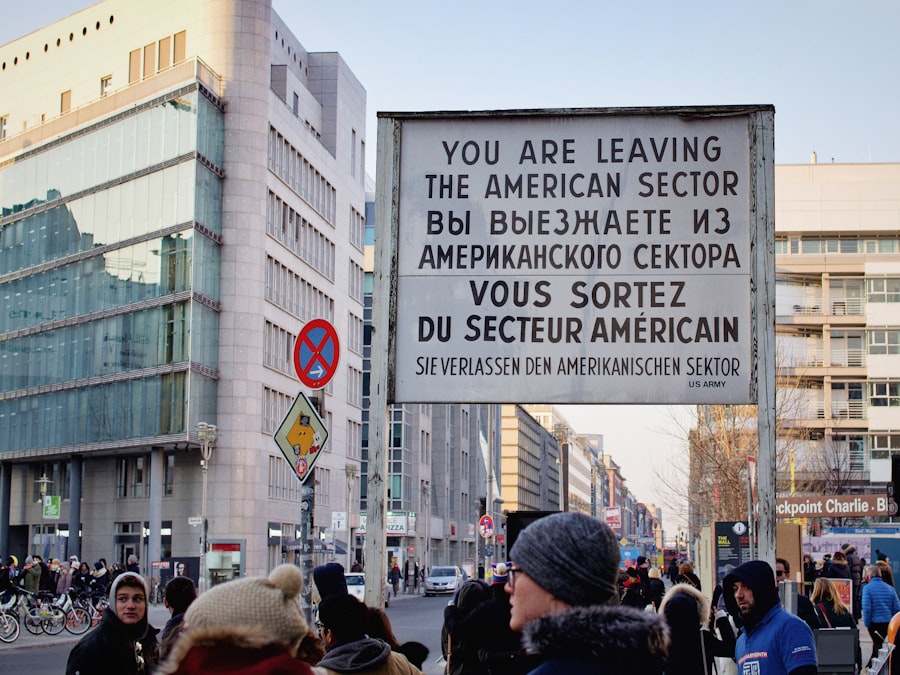
Berlin, situated deep within the Soviet occupation zone, presented a unique and precarious situation. While the city itself was also divided into four sectors, its isolated location meant that access for the Western Allies was entirely dependent on Soviet goodwill. This inherent vulnerability would become the critical factor when the Cold War tensions escalated. The Soviet administration in their zone began to impose restrictions on traffic and communication early on, sowing the seeds of what would later become a full-blown blockade.
Divergent Economic and Political Paths
As the occupying powers solidified their control over their respective zones, divergent paths began to emerge. The Western Allies, particularly the United States under the Marshall Plan, actively sought to rebuild the economies of their zones, fostering democratic institutions and market economies. The Soviet Union, conversely, imposed a socialist economic model in its zone, prioritizing reparations to Moscow and establishing a centrally controlled state apparatus. This growing economic and political divergence between East and West Germany was mirrored in the contrasting developments within the sectors of Berlin, further exacerbating the tensions.
During the Berlin Blockade, the city’s resilience and ingenuity played a crucial role in its survival, as detailed in a related article that explores the various strategies employed to overcome the challenges posed by the Soviet blockade. The article highlights the significance of the Berlin Airlift, which became a lifeline for the city’s residents, providing essential supplies and demonstrating the determination of the Western Allies to support West Berlin. For more in-depth insights on this pivotal moment in history, you can read the article here: Berlin Blockade Survival Strategies.
The Iron Fist Descends: The Imposition of the Blockade
On June 24, 1948, the simmering tensions erupted into a full-scale crisis. In response to the introduction of a new currency, the Deutsche Mark, in the Western zones of Germany and West Berlin, the Soviet Union severed all rail, road, and canal access to the Western sectors of the city. This act, cloaked in the guise of administrative necessity and safeguarding Soviet interests, was a calculated move designed to starve West Berlin into submission.
The Currency Reform as a Trigger
The introduction of the Deutsche Mark by the Allied powers in their zones and in West Berlin was a significant step towards economic stabilization and integration with the West. For the Soviet Union, it was seen as an unacceptable consolidation of Western influence and a threat to their own economic control. They argued that the new currency would undermine the economy of their zone and sought to prevent its circulation. The blockade, therefore, was presented as a direct response to this perceived provocation.
Severing Lifelines: The Scope of the Blockade
The blockade was comprehensive and brutally effective. All rail traffic from the West into West Berlin was halted, as were road and water transport. Food, fuel, medicine, and all other essential supplies were cut off. The city, with its roughly 2.5 million inhabitants in the Western sectors, was effectively isolated, its survival hinging on what little was already in stock and the goodwill of the occupying powers to find a way around the Soviet stranglehold.
The Soviet Justification: A Veil of Propaganda
The Soviet Union offered various justifications for their actions, often citing the need to protect the interests of the German population from Western capitalist exploitation and to prevent the division of Germany. However, these justifications were largely seen by the West as propaganda aimed at masking their true objective: to gain complete control of Berlin and, by extension, exert greater influence over all of Germany. The blockade was a clear act of aggression, a test of Western resolve in the nascent Cold War.
The Airlift: Wings of Hope
The immediate response from the Western Allies was a mixture of shock and determination. The idea of abandoning West Berlin was unthinkable, both politically and morally. The only viable option, given the Soviet land blockade, was to supply the city by air. What began as a desperate measure quickly evolved into one of history’s most remarkable logistical and humanitarian endeavors: the Berlin Airlift.
Operation Vittles: A Massive Undertaking
Launched on June 26, 1948, just two days after the blockade began, Operation Vittles, as the American operation was codenamed (the British called theirs Operation Plainfare), was an unprecedented undertaking. The sheer scale of the logistical challenge was staggering. Every day, thousands of tons of food, coal, medicine, and other essential supplies had to be flown into the beleaguered city. The airports at Tempelhof, Gatow, and later Tegel became the sole arteries of life for West Berlin.
The “Rosinenbomber”: A Symbol of Friendship
The pilots of the Allied air forces, flying in grueling conditions and often under immense pressure, became heroes to the people of Berlin. They flew round-the-clock, meticulously adhering to strict flight paths and timings to maximize efficiency and avoid collisions. The sight of these planes, laden with vital cargo, became a powerful symbol of hope and resilience. Many of these pilots, particularly the American ones, would drop small parcels of candy for the children of Berlin, earning them the affectionate moniker “Rosinenbomber” or “Raisin Bombers.” This simple act of kindness forged a deep bond between the aviators and the Berliners, transcending the political tensions of the Cold War.
Facing the Elements and Technical Challenges
The airlift was not without its immense difficulties. Pilots had to contend with adverse weather conditions, including fog, ice, and snow, which frequently disrupted operations and posed grave dangers. The constant strain on aircraft, the need for rapid turnaround times, and the sheer volume of flights also presented significant technical challenges. Despite these obstacles, the commitment to keeping the city supplied never wavered.
Life Under Siege: The Resilience of Berliners

While the airlift provided the material necessities for survival, the psychological and social impact of the blockade on the people of West Berlin was profound. They lived under constant threat, with limited resources and the looming fear of Soviet occupation. Yet, instead of succumbing to despair, they demonstrated an extraordinary capacity for resilience and solidarity.
Rationing and Scarcity: A Daily Reality
Life in West Berlin became a daily exercise in rationing and making do. Food was scarce, and the quality often deteriorated. Coal for heating and electricity was in short supply, leading to cold winters and disrupted power. Citizens learned to conserve every resource, from food scraps to salvaged materials. The spirit of community was vital, with neighbors sharing what little they had and supporting each other through the difficult times.
The Spirit of Defiance: A Choice for Freedom
The blockade became a defining moment for West Berliners. They understood that their plight was a direct consequence of their refusal to yield to Soviet pressure and their desire to remain free. This shared understanding fostered a powerful sense of collective identity and a fierce determination to resist. The cry of “Wir bleiben hier!” (We are staying here!) became a rallying slogan, echoing the city’s unwavering commitment to its democratic future.
The Role of Propaganda and Morale
Both sides engaged in propaganda efforts to influence public opinion. The Western Allies emphasized the humanitarian aspect of the airlift and the Soviet aggression. The Soviets, in turn, sought to portray the blockade as a justified response to Western provocation. However, for the people of West Berlin, the tangible reality of the airlift and the visible suffering caused by the blockade largely overshadowed propaganda. The unwavering dedication of the Allied pilots and the spirit of solidarity among themselves were the most potent morale boosters.
Berlin’s resilience during the blockade is a remarkable chapter in history, showcasing the determination of its citizens and the ingenuity of the Allied forces. The airlift operation not only provided essential supplies but also symbolized hope in a time of despair. For a deeper understanding of the strategies employed and the impact on the city’s population, you can explore a related article that delves into the intricacies of this pivotal moment in the Cold War. To read more about it, visit this insightful resource.
The End of the Blockade and its Lasting Legacy
| Year | Population | Food Rations | Airlift Flights |
|---|---|---|---|
| 1948 | 2.1 million | 1,275 calories/day | 275,000 |
| 1949 | 2.2 million | 1,500 calories/day | 189,000 |
| 1950 | 2.3 million | 1,800 calories/day | 116,000 |
After nearly a year of relentless effort, the Soviet Union, realizing the futility of their blockade and facing increasing international pressure, finally relented. On May 12, 1949, the land and water routes to West Berlin were reopened, marking the end of the blockade. The Berlin Airlift had succeeded, not through military might, but through unwavering determination, ingenuity, and a profound display of human solidarity.
The Soviet Concession: A Strategic Failure
The Soviet Union’s decision to lift the blockade was a clear strategic failure. They had hoped to force the Western Allies out of Berlin and consolidate their control over the entire city and potentially East Germany. Instead, the blockade had the opposite effect. It solidified Western resolve, galvanized international support for West Berlin, and ultimately contributed to the formation of NATO as a defensive alliance against Soviet aggression.
The Birth of a Symbol: West Berlin as a Beacon of Freedom
The Berlin Blockade and the subsequent airlift transformed West Berlin into an international symbol of freedom and resistance against communist oppression. The city, once a symbol of Nazi power, now stood as a beacon of democracy in the heart of Eastern Europe. This newfound identity fueled a remarkable period of rebuilding and economic growth, often referred to as the “Wirtschaftswunder” or “economic miracle.”
A United Germany’s Memory: Lessons Learned
The memory of the blockade is deeply ingrained in the collective consciousness of a reunited Germany. It serves as a stark reminder of the divisions of the Cold War, the sacrifices made for freedom, and the importance of international cooperation. The resilience displayed by the people of Berlin during those arduous months continues to inspire, a testament to the enduring power of hope and the unyielding spirit of humanity in the face of overwhelming adversity. The legacy of the Berlin Airlift is not just about the tons of supplies delivered; it’s about the countless lives saved, the hope rekindled, and the unwavering assertion of human dignity in the face of tyranny.
How 90 Seconds Kept 2 Million People Alive
FAQs
1. What was the Berlin blockade?
The Berlin blockade was a Soviet attempt to limit the ability of France, Great Britain, and the United States to travel to their sectors of Berlin, which lay within Russian-occupied East Germany.
2. How did Berlin survive the blockade?
Berlin survived the blockade through the Berlin Airlift, a massive effort by the Western Allies to supply the city with food, fuel, and other necessities by air.
3. How long did the Berlin blockade last?
The Berlin blockade lasted from June 24, 1948, to May 12, 1949, when the Soviet Union lifted the blockade.
4. What was the significance of the Berlin Airlift?
The Berlin Airlift was a significant event in the early Cold War, demonstrating the resolve of the Western Allies to support West Berlin in the face of Soviet aggression.
5. What impact did the Berlin blockade have on the city and its residents?
The Berlin blockade led to severe shortages of food and other necessities in West Berlin, but the successful airlift helped to strengthen the resolve of the city’s residents and bolstered their support for the Western Allies.