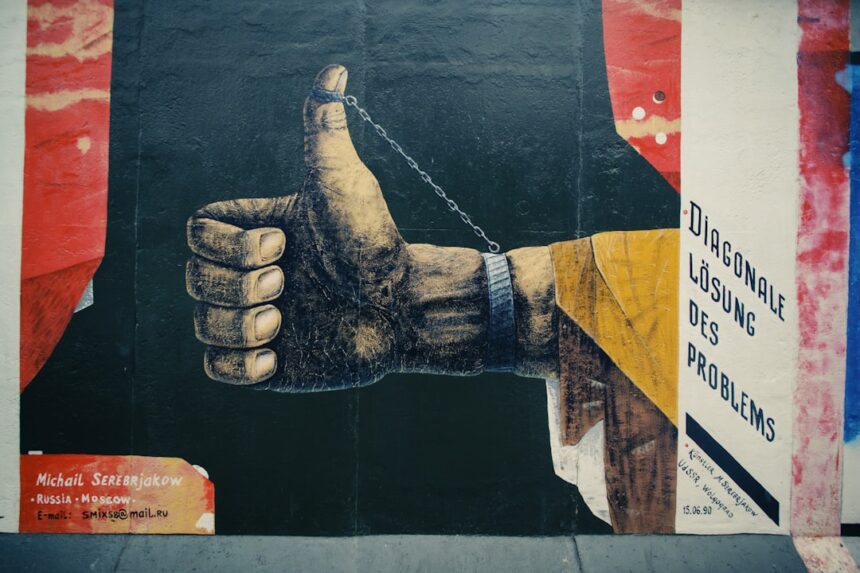
The chilling winter of 1948-1949 cast a long shadow over Berlin, a city divided and seemingly abandoned. The Berlin Blockade, a draconian measure imposed by the Soviet Union, transformed this vibrant metropolis into a stark symbol of Cold War tension. Yet, amidst the deprivation and despair, a remarkable narrative of resilience unfolded – a testament to the indomitable spirit of its people and the unwavering commitment of the Western Allies. This documentary, “Berlin Blockade: A Documentary of Resilience,” delves into the heart of this crisis, chronicling the courage, ingenuity, and sacrifice that defined this pivotal moment in history.
The ashes of World War II had barely cooled before the cracks of ideological division began to appear in the heart of Germany. The victorious Allied powers – the United States, Great Britain, France, and the Soviet Union – had initially agreed on a joint administration of Germany and its capital, Berlin. This fragile cooperation, however, was built on fundamentally incompatible visions for the future.
The Potsdam Conference and Emerging Tensions
The Potsdam Conference in the summer of 1945, while aiming to establish a post-war order, laid bare the growing chasm between the Soviet Union and the Western Allies. Discussions on reparations, the future of German industry, and the denazification process revealed divergent interests and suspicions. The Soviet Union, having borne the brunt of the Nazi invasion, sought to ensure its security and extract vast resources from Germany, while the Western powers prioritized economic recovery and the establishment of democratic institutions.
The Division of Germany and Berlin
As the political landscape solidified, Germany was divided into four occupation zones, with Berlin, situated deep within the Soviet zone, also partitioned amongst the four powers. This geographical anomaly, a Western enclave within Soviet territory, would soon become a critical flashpoint. The differing ideologies and economic policies implemented in the Western zones, particularly the introduction of a new currency, the Deutsche Mark, in the West German bizone (later trizone) and then in West Berlin, were viewed by Moscow as a direct provocation.
Soviet Ambitions and the Iron Curtain
Joseph Stalin, the Soviet leader, harbored deep-seated mistrust of the West and saw the burgeoning economic prosperity of West Germany as a threat to Soviet influence in Eastern Europe. He envisioned a unified, neutral Germany under Soviet sway, or failing that, a weakened and fragmented nation. The Western Allies, on the other hand, were determined to foster a democratic and economically viable West Germany as a bulwark against Soviet expansionism. This fundamental divergence set the stage for the inevitable confrontation.
For those interested in delving deeper into the historical context of the Berlin Blockade of 1948, the documentary available at In the War Room provides a comprehensive overview of the events that shaped this pivotal moment in Cold War history. The film explores the political tensions, the humanitarian crisis, and the eventual airlift that became a symbol of resistance against Soviet aggression. It’s an essential resource for anyone looking to understand the complexities of this significant event.
The Iron Fist Descends: The Blockade Begins
On June 24, 1948, the unthinkable happened. The Soviet Union severed all road, rail, and canal access to West Berlin, effectively cutting off over two million civilians and the Allied garrisons from vital supplies. The rationale presented by the Soviets was that the Western Allies had violated agreements concerning German currency reform. However, the true motive was clear: to force the Western powers out of Berlin and ultimately, to undermine the establishment of a separate West German state.
The Spark: Currency Reform in West Berlin
The introduction of the Deutsche Mark on June 20, 1948, in the Western zones of Germany and subsequently in West Berlin, was the immediate trigger. The Soviets had attempted to introduce their own currency in their zone, but the Western Allies refused to accept it in their sectors of Berlin. This monetary dispute, however, was merely a pretext for a more ambitious geopolitical maneuver. The Soviets believed that by choking off West Berlin, they could compel the Western powers to abandon the city, thereby consolidating their control over East Germany and potentially influencing the future of all of Germany.
The Announcement and Immediate Impact
The suddenness and totality of the blockade stunned the world. The initial Soviet announcement was blunt and unambiguous. All traffic into Berlin was halted. The impact on the civilian population was immediate and devastating. Food, fuel, medicine, and all other essential goods were cut off. Panic and uncertainty gripped the city as residents faced the grim prospect of starvation and freezing temperatures.
Western Resolve: A Test of Commitment
The Western Allies were faced with a stark choice: capitulate to Soviet pressure and abandon Berlin, thereby signaling weakness and emboldening further Soviet aggression, or find a way to supply the city. The latter option, given the sheer volume of supplies required and the Soviet control of all access routes, seemed almost impossible. However, the strategic importance of Berlin and the moral imperative to protect its citizens galvanized Western resolve. Abandoning Berlin would have been a catastrophic blow to Western credibility and a severe setback for the nascent containment policy.
The Lifeline in the Sky: The Berlin Airlift
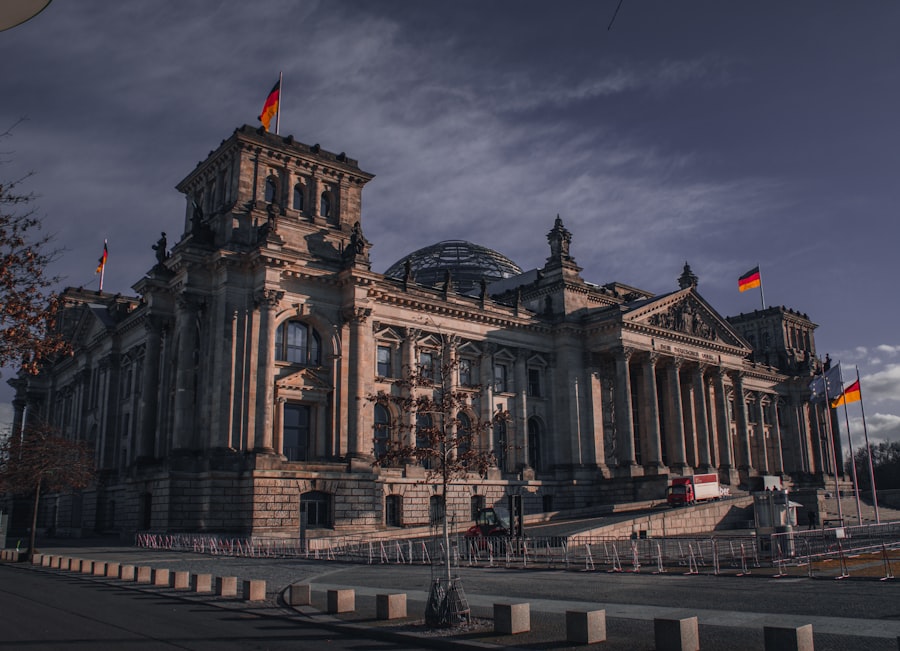
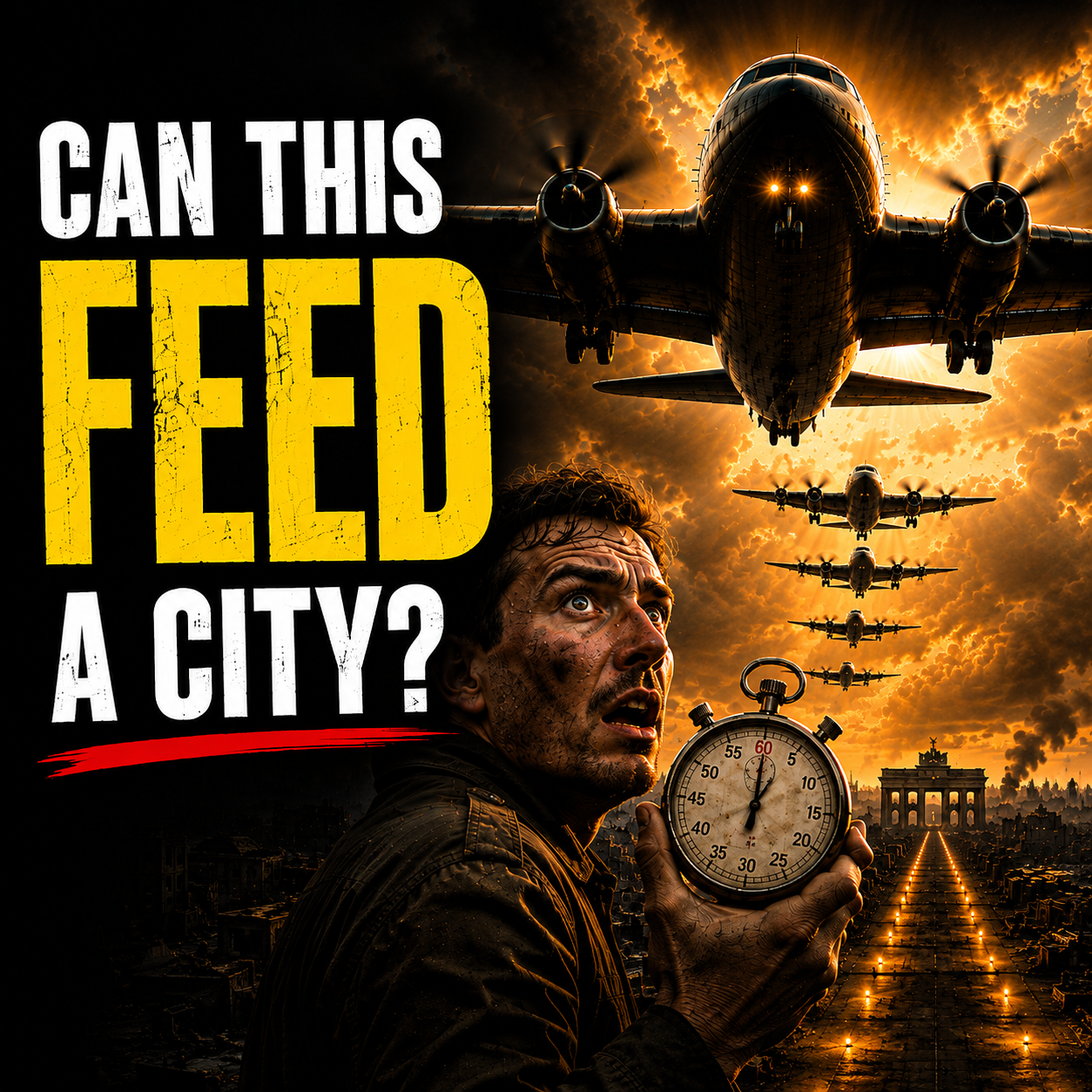
As the blockade tightened its grip, a remarkable feat of logistics and human ingenuity was conceived: the Berlin Airlift, codenamed “Operation Vittles” by the Americans and “Operation Plainfare” by the British. This audacious plan to supply an entire city by air was unprecedented in its scale and ambition.
The Impossible Task: Feeding a City from Above
The logistical challenges were immense. West Berlin required thousands of tons of food, coal, and other essential supplies daily to survive. Airplanes, despite their capacity, could only carry a fraction of what was needed by land or sea. Furthermore, the weather over Berlin was notoriously unpredictable, with fog and storms posing constant threats to air traffic. The Soviet Union also engaged in harassment tactics, buzzing Allied aircraft and creating air corridors that were perilously narrow.
The Mighty C-47s and C-54s: Wings of Hope
The early days of the airlift saw the deployment of workhorse aircraft like the Douglas C-47 Skytrain. As the operation grew, larger and more capable aircraft like the Douglas C-54 Skymaster became the backbone of the airlift. These planes, loaded with everything from sacks of flour and potatoes to blocks of coal, became symbols of hope for the beleaguered Berliners. Pilots, often flying in dangerous conditions and facing exhaustion, pushed themselves to their limits, making round-the-clock flights.
The “Rosinenbomber”: Gifts from the Sky
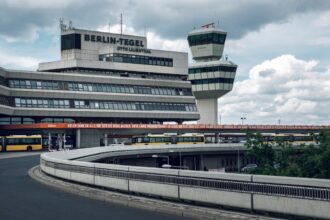
A particularly poignant aspect of the airlift was the creation of the “Rosinenbomber” (Raisin Bomber) or “Candy Bombers” by Allied pilots. Pilots began dropping small parachutes laden with candy, gum, and other treats for the children of Berlin. This small act of kindness, a symbol of solidarity and humanity amidst the grim reality of the blockade, had a profound impact on the morale of the city. Children would gather at Tempelhof Airport, waving to the pilots and eagerly awaiting their sweet deliveries.
The Human Element: Pilots, Ground Crews, and Berliners
The success of the Berlin Airlift was not solely dependent on aircraft. It was a triumph of human effort. Ground crews worked tirelessly to unload planes, rearm them, and prepare them for their next flight, often in freezing temperatures and under intense pressure. The resilience of the Berliners themselves was equally crucial. They endured shortages, blackouts, and the constant fear of Soviet aggression, all while maintaining a defiant spirit and supporting the airlift effort. Many opened their homes to evacuees and shared what little they had.
The Indomitable Spirit: Life Under the Blockade
The Berlin Blockade tested the limits of human endurance, but it also revealed the extraordinary resilience of the human spirit. Faced with the threat of starvation and the constant pressure of Soviet propaganda, the people of West Berlin refused to be broken. Their determination to remain free became a powerful symbol of defiance against totalitarianism.
Rationing and Resourcefulness: Making Do with Less
Everyday life in West Berlin became a masterclass in resourcefulness and sacrifice. Food was severely rationed, with basic staples like bread and potatoes forming the bulk of diets. Coal became a precious commodity, and families huddled together for warmth, often relying on makeshift heating methods. Ingenuity flourished as Berliners found innovative ways to reuse and repair items, extending their lifespan and conserving resources.
The Psychological Toll: Fear and Determination
The constant threat of the blockade, the sound of Allied planes overhead, and the omnipresent Soviet propaganda took a significant psychological toll. Fear was a constant companion, but it was tempered by a fierce determination to resist. The Western Allies’ commitment to keeping the airlift running provided a crucial psychological boost. The sight of planes arriving, even with limited supplies, offered tangible evidence that they had not been forgotten.
Propaganda and Counter-Propaganda: The Battle for Hearts and Minds
Both sides engaged in an intense propaganda war. The Soviets sought to portray the Western Allies as imperialists and the blockade as a necessary response to their provocations. They also emphasized the supposed prosperity and security offered by the Soviet bloc. The Western Allies, in turn, highlighted the generosity and humanitarian effort of the airlift, framing the blockade as an act of Soviet aggression and a violation of international law. Public speeches, radio broadcasts, and posters were all employed in this battle for the hearts and minds of the Berliners.
Cultural Resistance: Maintaining Morale Through Art and Music
Despite the hardships, cultural life in West Berlin persisted, serving as a vital outlet for expression and a means of maintaining morale. Concerts, theater performances, and lectures continued, albeit often in reduced circumstances. These cultural endeavors provided moments of solace, escapism, and a reminder of the vibrant city they were fighting to preserve. The Berlin Philharmonic, for instance, continued to perform, offering a sense of normalcy and cultural continuity.
The Berlin Blockade of 1948 was a pivotal moment in Cold War history, showcasing the tensions between the Western Allies and the Soviet Union. For those interested in exploring this event further, a related article offers an in-depth analysis of the political strategies employed during this crisis. You can read more about it in this insightful piece on the Berlin Blockade, which delves into the implications of the blockade and its lasting impact on international relations.
The Turning Point: The Lifting of the Blockade
| Metrics | Data |
|---|---|
| Documentary Title | Berlin Blockade 1948 |
| Year | 1948 |
| Duration | 60 minutes |
| Director | Unknown |
| Production Company | Unknown |
The relentless efforts of the Berlin Airlift, coupled with mounting international pressure and the intransigence of the Soviet Union, gradually began to shift the balance of power. The blockade, initially conceived as a swift victory for Moscow, was proving to be a costly and ultimately futile endeavor.
The Economic Strain on the Soviets
While the Western Allies bore significant financial costs for the airlift, the Soviet Union also faced its own economic strains. Maintaining the blockade and the extensive military presence in East Germany was a considerable burden. Furthermore, the international condemnation of the blockade was growing, isolating the Soviet Union on the diplomatic stage.
The Growing International Condemnation
The international community, largely aligned with the Western powers, viewed the blockade as a flagrant violation of international agreements and a dangerous act of aggression. The United Nations provided a platform for the Western Allies to rally support and condemn Soviet actions. This global outcry put further pressure on Moscow to reconsider its strategy.
The Stalemate and Soviet Realization
By the spring of 1949, it became clear that the blockade was not achieving its intended objectives. The Western Allies showed no signs of abandoning Berlin, and the airlift was successfully sustaining the city. The Soviet Union found itself in a strategic stalemate, with little to gain and much to lose by continuing the blockade. Joseph Stalin, realizing the futility of his gamble, began to look for a way out.
The End of the Siege: May 12, 1949
On May 12, 1949, after 323 days, the Soviet Union lifted the blockade. The gates to West Berlin were reopened, and the first trains and trucks carrying essential supplies rumbled into the city. A collective sigh of relief swept through West Berlin and across the Western world. The immediate crisis was over, but the lessons learned from this near-catastrophe would shape the course of the Cold War for decades to come.
Legacy and Lessons Learned: A Monument to Freedom
The Berlin Blockade and the subsequent Berlin Airlift stand as a monumental testament to the resilience of the human spirit and the enduring power of freedom. The events of 1948-1949 left an indelible mark on history, shaping geopolitical alliances and offering invaluable lessons for the future.
The Birth of West Germany and NATO
The blockade served as a catalyst for the formal establishment of the Federal Republic of Germany (West Germany) in May 1949 and the German Democratic Republic (East Germany) in October of the same year. The crisis also underscored the need for a collective security alliance to counter Soviet aggression, leading to the formation of the North Atlantic Treaty Organization (NATO) in April 1949. The commitment to defend West Berlin became a cornerstone of NATO’s strategy.
The Symbol of Freedom and Resistance
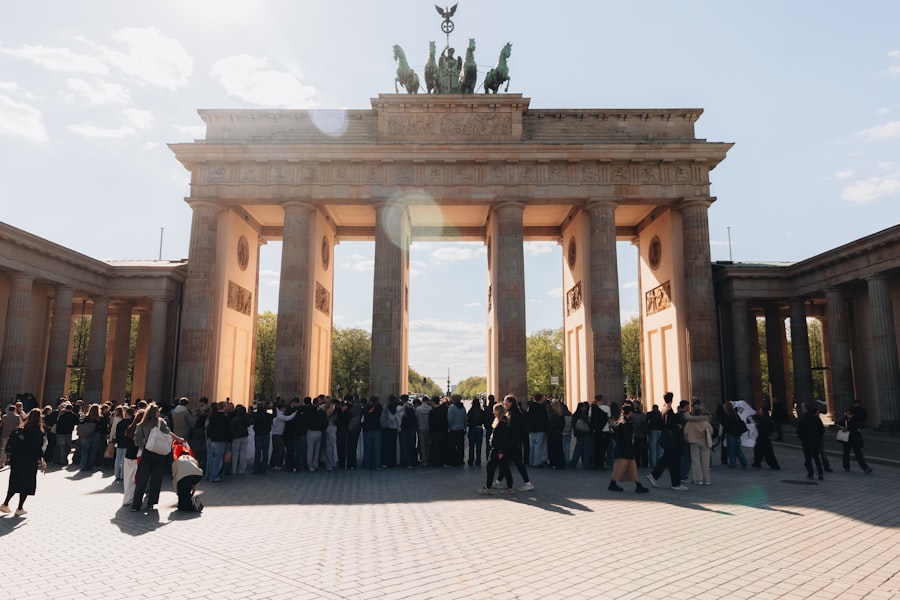
West Berlin, through its ordeal, became an enduring symbol of freedom and resistance against totalitarianism. The courage of its citizens and the unwavering support of the Western Allies demonstrated that even in the face of overwhelming pressure, the desire for self-determination and liberty could prevail. The iconic Brandenburg Gate, once a symbol of Prussian might, transformed into a poignant reminder of a divided city and the longing for reunification.
The Evolution of Airlift Operations
The Berlin Airlift revolutionized air logistics and established the precedent for large-scale humanitarian airlifts. The operational expertise gained during this period proved invaluable in subsequent crises, setting new standards for efficiency and effectiveness in aerial resupply. The innovative approaches to cargo handling and air traffic control developed during the airlift continue to inform modern aviation practices.
A Reminder of the Fragility of Peace
The Berlin Blockade serves as a stark reminder of the fragility of peace and the ever-present dangers of ideological conflict. It highlights the importance of diplomacy, collective security, and the unwavering commitment to democratic values. The story of resilience in the face of adversity continues to inspire, reminding future generations of the sacrifices made and the enduring importance of standing firm against oppression. The echoes of those roaring engines in the skies above Berlin are a constant, powerful reminder of a time when freedom itself was on the brink, and a city refused to surrender.
How 90 Seconds Kept 2 Million People Alive
FAQs
What was the Berlin Blockade of 1948?
The Berlin Blockade was a Soviet attempt to limit the ability of France, Great Britain, and the United States to travel to their sectors of Berlin, which lay within Russian-occupied East Germany.
What led to the Berlin Blockade of 1948?
The Berlin Blockade was a response to the introduction of a new currency, the Deutsche Mark, in the Western sectors of Berlin. The Soviet Union saw this as a threat to their influence in the region.
How did the Western powers respond to the Berlin Blockade?
In response to the blockade, the Western powers organized the Berlin Airlift, a massive operation to supply the people of West Berlin with food, fuel, and other necessities by air.
How long did the Berlin Blockade last?
The Berlin Blockade began on June 24, 1948, and ended on May 12, 1949, when the Soviet Union lifted the blockade.
What were the long-term effects of the Berlin Blockade?
The Berlin Blockade solidified the division of Germany into East and West, leading to the eventual construction of the Berlin Wall in 1961. It also heightened tensions between the Western powers and the Soviet Union, contributing to the start of the Cold War.