The air, a canvas of constant drone, became the lifeblood of a city teetering on the precipice. In the stark aftermath of World War II, Berlin, once the proud capital of a nation in ruins, found itself a pawn in a new, chilling game of geopolitical chess. The Soviet Union, having borne the brunt of the Nazi invasion and seeking to consolidate its gains and exert influence, initiated a blockade, severing all land and water access to West Berlin. What followed was a testament to human ingenuity, resilience, and a determination to defy oppression: the Berlin Airlift, a colossal undertaking that would forever be etched in history as an act of supreme effort to save a city.
The embers of World War II were still glowing when the victorious Allied powers – the United States, Great Britain, and France, alongside the Soviet Union – began the arduous task of carving up a defeated Germany. Berlin, situated deep within the Soviet zone of occupation, was similarly divided into four sectors. While the Western Allies envisioned a unified, democratic Germany, the Soviet Union harbored different ambitions, aiming to establish a communist state subservient to Moscow. This ideological chasm, coupled with growing distrust and burgeoning Cold War tensions, set the stage for conflict.
Post-War Germany: A Fragile Peace
The immediate post-war period was characterized by devastation and displacement. Cities lay in rubble, economies were shattered, and millions were homeless. The Allied powers, despite their wartime alliance, found themselves increasingly at odds regarding the future of Germany. The Western Allies focused on denazification and economic reconstruction, while the Soviets sought to extract reparations and dismantle German industrial capacity.
The Currency Reform and the Soviet Ultimatum
A pivotal moment arrived in June 1948 with the introduction of the Deutsche Mark in the Western zones of Germany. This economic reform, intended to stabilize the ravaged economy, was viewed by the Soviets as a direct challenge to their authority and a step towards the creation of a separate West German state. In retaliation, on June 24, 1948, the Soviet Union halted all rail, road, and canal traffic into West Berlin, effectively trapping over two million civilians and Allied personnel within the city. The message was clear: capitulate or starve.
The Berlin Airlift, a remarkable display of logistical prowess and international cooperation, is often discussed in the context of its maximum effort to supply West Berlin amidst the Soviet blockade. For a deeper understanding of the strategic implications and challenges faced during this critical period, you can explore a related article that delves into the operational details and the broader geopolitical landscape of the time. Check out the article here: Berlin Airlift: A Maximum Effort.
Operation Vittles: A Most Improbable Solution
The immediate reaction of the Western Allies was a mixture of shock and disbelief. The prospect of abandoning West Berlin to Soviet control was unthinkable, given the city’s symbolic importance and the commitment to democratic ideals. However, military intervention to break the blockade was deemed too risky, potentially escalating into another global conflict. It was then that a daring and seemingly impossible idea began to take shape: supplying the entire city by air.
The Scale of the Challenge: Feeding Millions from the Sky
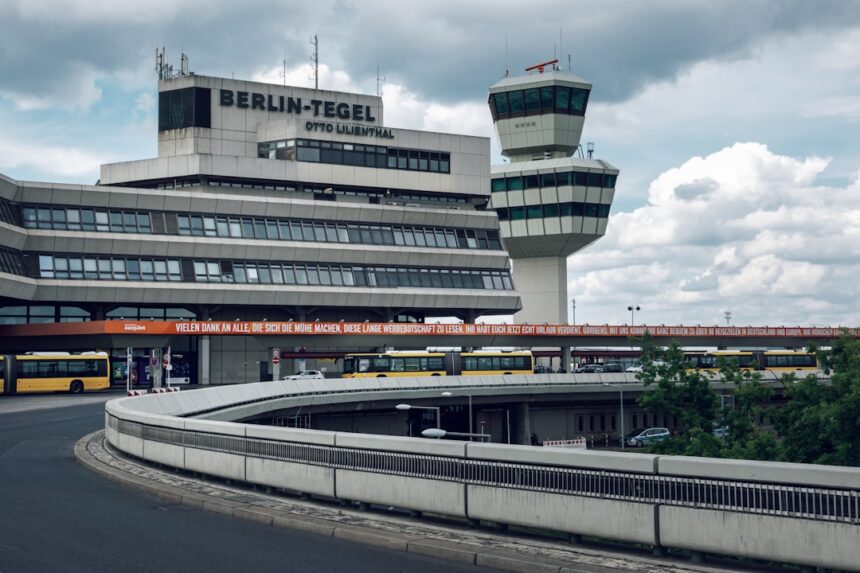
The sheer magnitude of the undertaking was staggering. West Berliners needed food, fuel for heating and industry, medicine, and virtually every other necessity of daily life. The average daily requirement was estimated at thousands of tons of supplies. Furthermore, the city’s existing airfields, Tempelhof, Gatow, and the newly constructed Tegel, were not equipped to handle the continuous flow of aircraft that would be necessary.
General Lucius D. Clay: The Architect of the Airlift
The unwavering resolve of General Lucius D. Clay, the American military governor of Germany, was instrumental in championing the airlift. Despite initial skepticism from some quarters, Clay recognized the moral and strategic imperative of the operation. He famously declared, “We are going to stay, period.” His leadership and persuasive arguments, particularly to President Truman, paved the way for the green light for “Operation Vittles,” as it was codenamed by the Americans.
The Unrelenting Sky: The Mechanics of a Lifeline

The Berlin Airlift was not merely a logistical feat; it was an exercise in precision, coordination, and endurance on an unprecedented scale. For nearly a year, Allied aircraft, piloted by courageous men and women, formed a constant aerial ballet, delivering sustenance and hope to a besieged city.
The Mighty C-47 and the Versatile C-54: Workhorses of the Sky
The initial backbone of the airlift was the Douglas C-47 Skytrain, a military transport aircraft that had proven its mettle in World War II. As the operation progressed, larger and more capable aircraft like the Douglas C-54 Skymaster became the primary workhorses. These planes, carrying immense payloads, became a familiar and welcome sight over Berlin.
The “Rosinenbomber” and the Symbol of Hope: Gail Halvorsen’s Legacy
One of the most poignant and enduring symbols of the airlift emerged from the individual initiative of United States Air Force pilot Gail Halvorsen. Witnessing the hunger and yearning of Berlin children watching the planes, Halvorsen began dropping small parachutes laden with candy and gum. This simple act of kindness, dubbed the “Rosinenbomber” (Raisin Bomber), resonated deeply with the German population and became a powerful symbol of goodwill and humanitarianism in the face of adversity.
The Precision of the Airways: Managing the Congestion
With hundreds of aircraft operating in and out of Berlin’s air corridors simultaneously, air traffic control became a critical element. Strict flight paths, altitudes, and timing were enforced to prevent collisions and ensure the maximum efficiency of the airlift. The pilots flew in all weather conditions, day and night, often enduring immense fatigue.
The Unseen Heroes: The Ground Crew and the People of Berlin

While the pilots of the airlift rightfully received much of the public acclaim, the success of the operation was equally dependent on the tireless efforts of the ground crews and the remarkable resilience of the West Berliners themselves.
The unsung heroes of the tarmac: Loading, fueling, and maintaining
On the airfields, dedicated ground crews worked around the clock, unloading tons of cargo, refueling aircraft, and performing essential maintenance. They operated under immense pressure, knowing that every minute saved in turnaround time meant more vital supplies reaching the city. Their dedication was as crucial to the airlift’s success as the pilots’ skill.
The unwavering spirit of the Berliners: Resilience in the face of hardship
The people of West Berlin endured immense hardship. They faced cold apartments, limited food, and the constant uncertainty of their future. Yet, their spirit remained unbroken. They understood the significance of the airlift and actively participated in its success by clearing landing areas, assisting with unloading, and maintaining morale. Their gratitude for the Allied lifeline was palpable and fueled the determination of those providing it.
The Berlin Airlift was a remarkable demonstration of logistical prowess and determination, often referred to as a maximum effort to support the citizens of West Berlin during the Soviet blockade. For those interested in exploring the broader implications of this historic event, a related article can provide valuable insights into the strategic decisions made during this critical period. You can read more about it in this detailed analysis that examines the challenges faced and the innovative solutions implemented by the Allied forces.
The Triumphant End and the Enduring Legacy
| Metric | Value |
|---|---|
| Total Tons of Supplies Delivered | 2.3 million |
| Total Flights | 277,569 |
| Total Aircraft Used | over 300 |
| Total Personnel Involved | over 200,000 |
The Berlin Airlift continued for 323 days. The relentless pressure of the aerial supply chain, coupled with the growing international condemnation of the Soviet blockade, eventually led to its collapse. On May 12, 1949, the Soviet Union lifted the blockade, acknowledging the futility of their attempt to starve West Berlin into submission.
The Soviet Backdown: A Victory for Determination
The lifting of the blockade was a significant propaganda and strategic victory for the Western Allies. It demonstrated their commitment to their allies and their ability to counter Soviet aggression without resorting to open warfare. The airlift had achieved its primary objective: saving West Berlin from falling under Soviet control.
The “Luftbrücke” and its Symbolism: More Than Just Supplies
The German term for the airlift, “Luftbrücke” (air bridge), perfectly encapsulates its significance. It was not merely a logistical operation; it was a bridge of hope, a symbol of defiance against oppression, and a testament to the power of international cooperation. The Berlin Airlift cemented the bond between the Western Allies and the people of West Berlin and became a powerful symbol of the Cold War struggle for freedom.
A Defining Moment of the Cold War: Shaping Geopolitics for Decades
The success of the Berlin Airlift had profound implications for the course of the Cold War. It solidified the division of Germany, leading to the formation of the Federal Republic of Germany (West Germany) and the German Democratic Republic (East Germany) the following year. It also bolstered the resolve of NATO, established in April 1949, to collectively defend Western Europe against Soviet expansionism. The airlift became a defining moment, demonstrating the resolve and capability of the West and shaping the geopolitical landscape for decades to come. The sheer scale, the unwavering commitment, and the ultimate success of the Berlin Airlift serve as an enduring testament to what can be achieved when humanity unites in the face of adversity, proving that even the most formidable obstacles can be overcome with maximum effort and an unyielding spirit.

How 90 Seconds Kept 2 Million People Alive
FAQs
What was the Berlin Airlift maximum effort?
The Berlin Airlift maximum effort refers to the peak of the operation in 1948-1949 when Western Allies conducted a massive airlift to supply West Berlin with food, fuel, and other necessities after the Soviet Union blockaded the city.
How many flights were conducted during the Berlin Airlift maximum effort?
During the Berlin Airlift maximum effort, an average of 5,000 tons of supplies were flown into West Berlin every day, with a total of over 200,000 flights conducted over the course of the operation.
What was the purpose of the Berlin Airlift maximum effort?
The purpose of the Berlin Airlift maximum effort was to prevent the Soviet Union from gaining control of West Berlin by supplying the city with essential goods and demonstrating the determination of the Western Allies to defend their interests in the region.
What were the key challenges faced during the Berlin Airlift maximum effort?
The key challenges faced during the Berlin Airlift maximum effort included adverse weather conditions, limited airport capacity, and the need to coordinate a large-scale airlift operation in a short period of time.
What was the outcome of the Berlin Airlift maximum effort?
The Berlin Airlift maximum effort successfully provided West Berlin with the necessary supplies, and the Soviet Union eventually lifted the blockade in May 1949. The operation also demonstrated the resolve of the Western Allies in the face of Soviet aggression during the early years of the Cold War.