The Berlin Airlift, a monumental undertaking that captivated the world, stands as a testament to human ingenuity and resilience. In the face of an unprecedented Soviet blockade, a desperate gambit of aerial resupply emerged, not as a leisurely operation, but as a rapid and decisive response that literally saved a city from starvation and political subjugation. The sheer scale and efficiency of this “Operation Vittles” (as the Americans dubbed it) transformed a potentially catastrophic geopolitical crisis into a resounding victory for the Western Allies and the spirit of freedom. The story of the Berlin Airlift is, in essence, a story of a quick turnaround that averted disaster.
The post-World War II landscape in Germany was one of division and reconstruction. The defeated nation was carved into four occupation zones, with Berlin, situated deep within the Soviet zone, similarly divided amongst the Allied powers: the United States, Great Britain, France, and the Soviet Union. This arrangement, born out of necessity and a fragile post-war alliance, soon became a flashpoint as ideological differences hardened between the Western Allies and the Soviet Union. The Soviets, seeking to consolidate their influence and pressure the West, began to implement measures to assert their control over the entire city.
The Seeds of Conflict: Post-War Germany and Divided Berlin
Following the unconditional surrender of Nazi Germany in May 1945, the victorious Allied powers convened to determine the fate of the vanquished nation. The Potsdam Conference in July-August 1945 formalized the division of Germany and Berlin into four occupation zones. While initially conceived as a temporary arrangement to facilitate denazification and demilitarization, this division quickly solidified. Berlin, though physically located within the Soviet zone, was governed by a four-power Kommandatura. This inherent vulnerability, a democratic enclave surrounded by communist territory, would soon be exploited.
Soviet Assertions: Increasing Pressure on the Western Sectors
As the Cold War began to intensify, the Soviet Union grew increasingly apprehensive of the Western Allies’ intentions and their influence in Germany. The implementation of economic reforms in the Western zones, particularly the introduction of the Deutsche Mark in June 1948, was viewed by Moscow as a direct challenge to its authority and an acceleration of the division of Germany. This economic integration was seen as a prelude to the formation of a separate West German state, a prospect the Soviets vehemently opposed. In response, the Soviets sought to exert leverage over the Western sectors of Berlin.
The Blockade is Imposed: Cutting Off the Lifelines
The Soviet response to the currency reform was swift and severe. On June 24, 1948, Soviet forces implemented a full blockade of all rail, road, and canal traffic into West Berlin. This move effectively severed all land and water connections between the Western sectors of the city and the rest of West Germany. The stated Soviet rationale was that the currency reform had disrupted the unified economic system of Berlin. However, the underlying intent was clear: to force the Western Allies to abandon Berlin, thereby handing the entire city over to Soviet control. The blockade was a calculated gamble, designed to starve the over two million inhabitants of West Berlin into submission.
The Berlin Airlift, a remarkable operation during the Cold War, showcased the incredible logistical capabilities of the Allied forces as they worked tirelessly to supply West Berlin amidst a Soviet blockade. For those interested in understanding the intricacies of the airlift, including its turnaround times and operational challenges, a related article can be found at In the War Room, which provides an in-depth analysis of the strategies employed and the impact of this historic event on international relations.
The Unthinkable Solution: An Airborne Lifeline
The imposition of the blockade plunged West Berlin into a state of crisis. With food, fuel, and essential supplies cut off, the city faced the grim prospect of starvation and collapse. The Western Allies were presented with a stark choice: accede to Soviet demands and abandon Berlin, or find an alternative means of supplying the beleaguered population. Military intervention to break the blockade was considered too risky, potentially escalating into a full-blown war. It was in this desperate hour that an audacious and seemingly impossible solution emerged: a massive airlift.
The Initial Assessment: Doubts and Difficulties
The idea of supplying a city of over two million people solely by air was, to say the least, ambitious. Critics questioned the feasibility and the sheer logistical nightmare involved. Could aircraft, even in vast numbers, carry enough supplies to sustain such a population? What about the immense quantities of coal needed for heating and electricity? The weather conditions in Berlin, particularly during winter, were often unfavorable for sustained air operations. The existing airfields in West Berlin were limited, and the capacity of the aircraft available was a significant factor. Many initially doubted the viability of such a monumental undertaking, and the prospect of success seemed remote.
The “Rosinenbomber” and the Birth of an Idea
The concept of using aircraft to supply isolated populations was not entirely new. During World War II, small-scale airlifts had been employed to resupply besieged garrisons. However, the scale envisioned for Berlin was orders of magnitude larger. Key figures like General Lucius D. Clay, the American Military Governor of Germany, and Ernst Reuter, the Governing Mayor of West Berlin, were instrumental in advocating for and championing the airlift. The initial planning, however, was fraught with uncertainty. The sheer volume of goods required daily was staggering, and the logistical challenges were immense. Yet, the alternative – surrendering Berlin – was unthinkable.
The Decision: A Leap of Faith
Despite the formidable obstacles, the decision was made to launch an airlift. It was a calculated risk, a bold gamble born out of necessity. The political and moral implications of abandoning West Berlin to Soviet domination were too great to bear. The airlift became not just a humanitarian mission, but a profound symbol of Western commitment to freedom and democracy. The speed with which this decision was made and implemented was crucial. There was no time for prolonged debate or hesitation; the people of Berlin were counting on immediate action.
The Mighty Airlift: A Symphony of Logistics
What followed was a logistical masterpiece, an unprecedented feat of organization, coordination, and sheer determination. The Berlin Airlift, codenamed “Operation Vittles” by the Americans and “Operation Plainfare” by the British, quickly transformed from a desperate gamble into the most efficient and effective airlift in history. The operation demanded the mobilization of aircraft, personnel, and resources on an unimaginable scale, all while facing constant Soviet harassment and the pressures of time.
Mobilizing the Fleet: A Global Effort
The initial fleet comprised primarily American C-47 Skytrains and C-54 Skymasters, along with British Dakotas and Yorks. However, the sheer volume of supplies required quickly necessitated the recruitment of additional aircraft from various sources. Civilian airlines were pressed into service, and aircraft were borrowed and repurposed. The United States Air Force and the Royal Air Force bore the brunt of the operation, but other Allied nations also contributed. The goal was to create a continuous stream of aircraft, landing and taking off with remarkable frequency. The skies over Berlin became a hive of activity, a constant ballet of planes.
The “Gigantic Jugglers”: Precision and Punctuality
The success of the airlift hinged on an incredibly tight schedule and precise execution. Aircraft departed from airfields in West Germany at regular intervals, typically every few minutes. They flew along designated air corridors, three narrow lanes of airspace that the Soviets had grudgingly allowed to remain open. Pilots flew in challenging weather conditions, often with limited visibility. Upon arrival in Berlin, they would unload their precious cargo with astonishing speed and then take off again, making way for the next aircraft. This relentless cycle, often referred to as a “shuttle service,” was the heart of the airlift’s success.
The C-54 Skymaster: The Workhorse of the Airlift
The Douglas C-54 Skymaster, a four-engine transport aircraft, proved to be the backbone of the airlift. Capable of carrying substantial payloads, these aircraft flew thousands of missions, delivering everything from flour and coal to medicine and machinery. Their reliability and cargo capacity were essential for the sustained operation of the airlift.
The C-47 Skytrain: The Pioneer
While the C-54 was the primary workhorse, the venerable C-47 Skytrain, also known as the Dakota, played a crucial role in the early stages and continued to be utilized for smaller, specialized deliveries. Its ruggedness and versatility made it an invaluable asset.
Delivering the Goods: From Food to Fuel
The airlift was tasked with supplying the basic necessities of life to over two million people. This meant delivering vast quantities of food, including flour, potatoes, milk, and dried goods. Equally critical was the delivery of coal for heating and electricity generation. Without coal, the city would have frozen and plunged into darkness. Medicines, clothing, and building materials were also airlifted. The sheer diversity of the cargo underscored the comprehensive nature of the operation.
The “Candy Bombers”: A Symbol of Hope
One of the most enduring images of the Berlin Airlift is that of the “Candy Bombers.” American pilot Gail Halvorsen began dropping candy tied to handkerchief parachutes to the delighted children of Berlin. This simple act of kindness quickly resonated with the public and became a powerful symbol of goodwill and the humanitarian aspect of the airlift. It demonstrated that this was not just a military operation, but a mission of compassion.
The Human Element: Resilience and Recognition
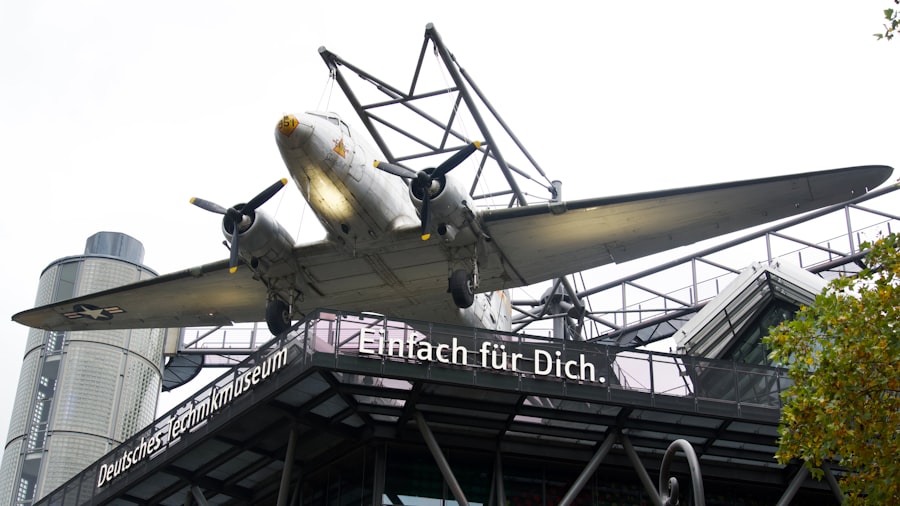
Beyond the impressive logistics and the technological marvel of the airlift, the human element was paramount. The courage of the pilots, the dedication of the ground crews, and the unwavering spirit of the West Berliners themselves were the true engines of the operation’s success.
The Determination of the Berliners: Enduring Hardship
The people of West Berlin endured immense hardship during the blockade. They faced rationing, power outages, and the constant threat of their city being absorbed into the Soviet sphere. Yet, they did not falter. Their resilience was remarkable. They understood the significance of the airlift and their role as a beacon of freedom. They saved what little fuel they had, supported each other, and actively participated in making the airlift a success, welcoming the planes and expressing their gratitude.
The Pilots: Courage Under Pressure
The pilots who flew into Berlin were heroes. They faced the daunting task of navigating treacherous weather, crowded air corridors, and the constant psychological pressure of knowing that the fate of millions rested on their shoulders. Many flew multiple sorties a day, enduring exhaustion and the inherent risks of air travel. Their professionalism and dedication were beyond reproach.
The Ground Crews: The Unsung Heroes
Equally vital were the thousands of ground crew members who worked tirelessly to load and unload aircraft, maintain the planes, and manage the complex logistics at the airfields. Their efficiency and dedication ensured that the turnaround time for each aircraft was minimized, allowing for a continuous flow of supplies. They were the unsung heroes of the airlift, the backbone of the operation on the ground.
International Cooperation: A United Front
The Berlin Airlift was a powerful demonstration of international cooperation. While primarily a joint effort by the United States and Great Britain, it also involved contributions from other Western nations, underscoring a united front against Soviet aggression. This shared endeavor fostered a sense of solidarity and reinforced the commitment of the Western Allies to the principles of freedom and self-determination.
The Berlin Airlift was a remarkable operation that showcased the resilience and ingenuity of the Allied forces during a critical period in history. One aspect that often gets overlooked is the turnaround time of the aircraft involved, which was crucial for the success of the mission. For a deeper understanding of the logistical challenges faced during this operation, you can read more in this insightful article about the Berlin Airlift’s impact on Cold War dynamics. The article provides a comprehensive overview of how efficient turnaround times contributed to the overall effectiveness of the airlift. To explore this further, visit this link.
The Soviet Response: Harassment and Hesitation
| Month | Turnaround Time (hours) |
|---|---|
| June 1948 | 12 |
| July 1948 | 10 |
| August 1948 | 8 |
| September 1948 | 6 |
Throughout the airlift, the Soviet Union employed various tactics to disrupt and discredit the operation. While they refrained from direct military confrontation, their actions posed a constant challenge to the Allied forces.
Harassment and Intimidation: Pushing the Boundaries
Soviet fighter pilots frequently buzzed Allied transport planes, flew too close, and attempted to force them off course. Navigational aids were sometimes jammed, and ground forces in the Soviet zone engaged in acts of harassment against Allied personnel and transports crossing their territory. These actions were designed to sow fear and uncertainty among the aircrews.
The Limitations of the Blockade: A Strategic Failure
Despite their efforts, the Soviets could not break the will of the Allies or the people of Berlin. The airlift proved to be a more effective and resilient supply chain than anticipated. The continued flow of goods demonstrated the futility of the blockade. Furthermore, the humanitarian aspect of the airlift garnered significant international sympathy for the West and exposed the Soviet Union’s aggressive intentions to the world. The blockade, intended to isolate West Berlin, instead isolated the Soviet Union politically.
The Decision to Lift the Blockade: A Pragmatic Retreat
By May 1949, it became increasingly clear that the blockade was not achieving its objectives. The airlift had proven its capability, and the international pressure on the Soviet Union was mounting. Recognizing the strategic failure of their blockade, the Soviets finally relented and lifted the restrictions on May 12, 1949, after 322 days.
The Legacy of the Airlift: A Symbol of Freedom and Resilience
The Berlin Airlift was more than just a logistical triumph; it was a profound historical event that shaped the course of the Cold War and left an indelible mark on the hearts and minds of millions. Its success represented a decisive victory for the Western Allies and a powerful symbol of their commitment to freedom.
A Victory for Freedom: Deterring Soviet Expansion
The successful defiance of the Soviet blockade was a major geopolitical victory for the West. It demonstrated that the Soviet Union could not unilaterally impose its will on Western interests. The airlift served as a crucial deterrent, signaling to the Soviets that further aggressive actions would be met with unwavering resolve. It solidified the resolve of the Western Allies to defend democratic values.
The Birth of the Federal Republic of Germany
The successful defense of West Berlin was instrumental in the eventual formation of the Federal Republic of Germany (West Germany) in May 1949. The airlift demonstrated the viability of a democratic West German state, supported and protected by the Western powers. It provided a crucial foundation for the country’s post-war recovery and integration into the Western alliance.
A Lasting Symbol of Hope and Resilience
The Berlin Airlift remains a powerful symbol of human resilience, ingenuity, and the enduring spirit of freedom. The image of the planes constantly flying overhead, delivering hope and sustenance, is etched in collective memory. It serves as a reminder that even in the face of overwhelming odds, determination and cooperation can overcome seemingly insurmountable challenges. The quick turnaround of the airlift, transforming a potential catastrophe into a triumph, cemented its place as one of the most remarkable humanitarian and logistical achievements of the 20th century. The “Luftbrücke” – the Air Bridge – became a lifeline, a symbol of hope, and a testament to the unwavering spirit of a city and its steadfast allies.

How 90 Seconds Kept 2 Million People Alive
FAQs
What was the Berlin Airlift turnaround time?
The Berlin Airlift turnaround time refers to the time it took for planes to unload their cargo, refuel, and load up with new supplies before returning to Berlin during the airlift operation from June 1948 to May 1949.
How long did it take for planes to complete the turnaround during the Berlin Airlift?
During the Berlin Airlift, planes were able to complete the turnaround in as little as 30 minutes, allowing for a continuous flow of supplies to be delivered to the blockaded city of Berlin.
What factors contributed to the efficiency of the Berlin Airlift turnaround time?
Efficiency in the Berlin Airlift turnaround time was achieved through meticulous planning, streamlined logistics, and the use of specialized ground crews and equipment to expedite the unloading and loading processes.
How many flights were conducted during the Berlin Airlift turnaround time?
At its peak, the Berlin Airlift saw an average of 1,400 flights per day, with each plane completing multiple turnarounds to ensure a steady flow of supplies to the people of Berlin.
What impact did the Berlin Airlift turnaround time have on the success of the operation?
The swift turnaround time of the Berlin Airlift played a crucial role in the success of the operation, as it allowed for the continuous delivery of food, fuel, and other essential supplies to sustain the people of Berlin during the Soviet blockade.