
The Berlin Airlift stands as a testament to human ingenuity and the extraordinary capabilities of military logistics in the face of unprecedented adversity. In the aftermath of World War II, the victorious Allied powers found themselves at a tense crossroads, with Germany and its capital, Berlin, divided into four occupation zones. While the Western Allies – the United States, Great Britain, and France – controlled their respective sectors, the Soviet Union occupied its own zone, and crucially, their sector encompassed the western half of Berlin, an island of Western influence deep within Soviet-controlled territory. This geopolitical reality, born from the ashes of war, would soon precipitate one of the most daring and successful logistical operations in history.
The post-war division of Germany and Berlin was a complex compromise, intended to facilitate reconstruction and denazification. However, as the Cold War began to cast its long shadow, these zones became starkly delineated ideological battlegrounds. The Soviet Union, under Josef Stalin, harbored deep suspicions of Western intentions and sought to consolidate its influence over Eastern Europe. Berlin, a city of over three million people, became a focal point of this burgeoning tension. The Western Allies, committed to democratic principles and economic recovery in their sectors, inadvertently created an economic and ideological anomaly within the Soviet sphere.
The Berlin Blockade: A Calculated Gambit
In June 1948, fueled by disagreements over currency reform and a desire to force the Western Allies out of Berlin, the Soviet Union initiated a drastic measure: the Berlin Blockade. All land and water access to West Berlin from the Western zones was severed. Road, rail, and canal routes were closed, effectively cutting off the city’s lifeline to the outside world. The Soviets believed this move would pressure the Western powers into abandoning their presence in Berlin, or at the very least, concede to Soviet demands regarding Germany’s future. The blockade was not a military invasion, but a strategic economic and political maneuver designed to starve the city and force capitulation. The implications were dire. West Berlin, with its substantial population, depended entirely on external supply lines for food, fuel, medicine, and all other essential goods. Without immediate intervention, the city faced a grim fate of starvation and collapse.
The Humanitarian Imperative and the Western Dilemma
The blockade presented the Western Allies with an agonizing dilemma. The principle of free access to Berlin, guaranteed by wartime agreements, was being flagrantly violated. However, attempting to break the blockade by force would almost certainly trigger a wider conflict with the Soviet Union, potentially igniting World War III. The moral imperative to protect the over two million inhabitants of West Berlin from starvation was equally potent. The images of desperate families, dwindling food supplies, and the specter of a communist takeover loomed large. The decision was not merely about military might; it was a test of political will, humanitarian commitment, and logistical prowess.
The Berlin Airlift, a remarkable feat of military logistics, was crucial in sustaining West Berlin during the Soviet blockade from 1948 to 1949. For a deeper understanding of the strategic planning and execution involved in this operation, you can explore a related article that delves into the complexities of military logistics and its impact on modern warfare. To read more, visit this insightful article.
Operation Vittles: The Unfolding of a Logistical Marvel
Faced with the stark reality of the blockade, the Western Allies, led by the United States and Great Britain, eschewed military confrontation and instead embarked on an audacious plan: to supply West Berlin entirely by air. This was not a novel concept; limited air transport had been used previously. However, the scale and duration envisioned for this operation were unprecedented. Codenamed “Operation Vittles” by the Americans and “Operation Plainfare” by the British, the Berlin Airlift was born out of necessity and transformed into a logistical triumph that would redefine the limits of aerial supply.
The Scale of the Challenge: Quantifying the Need
The sheer magnitude of the task was staggering. West Berlin required an estimated 4,500 to 5,000 tons of supplies daily to sustain its population. This included everything from flour and coal to medicines and spare parts. The civilian population, though initially fearful, rallied behind the effort, understanding that their survival depended on the success of the airlift. The Allied air forces, already stretched thin from the recent war, had to retool and redeploy a significant portion of their transport fleets to this singular, vital mission.
The Allied Commitment: A United Front Against Adversity
Despite the immense logistical hurdles, the political will to sustain the airlift remained unwavering. The United States, under President Harry S. Truman, committed significant resources and personnel. The British Royal Air Force (RAF) played an equally crucial role, providing a substantial number of aircraft and aircrews. The French, though having fewer aircraft, also contributed to the effort. This international cooperation was a powerful symbol of Western resolve against Soviet aggression. The airlift became more than just a supply mission; it was a potent propaganda tool, demonstrating the democratic powers’ commitment to freedom and their ability to overcome seemingly insurmountable obstacles.
The Mechanics of the Airlift: From Takeoff to Delivery
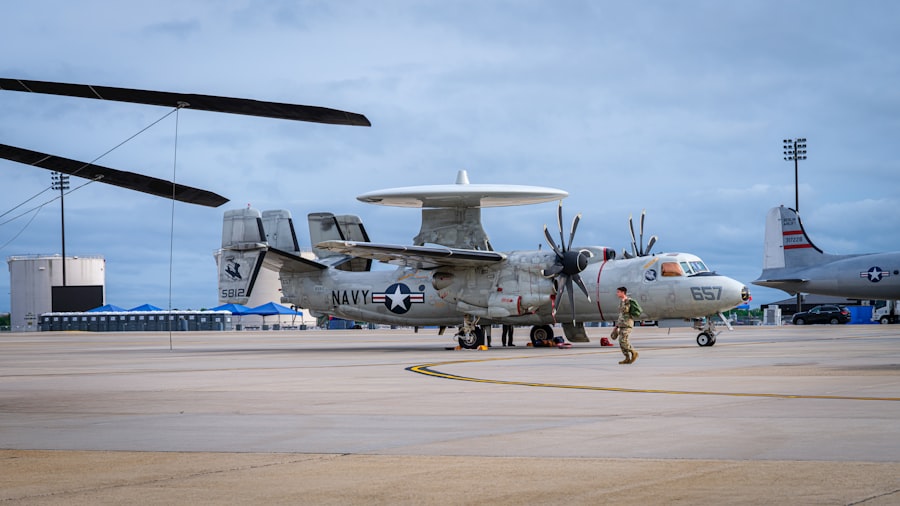
The operational execution of the Berlin Airlift was a masterpiece of coordinated effort, involving thousands of personnel and a vast array of aircraft operating under immense pressure. The efficiency and reliability of the operation were paramount, as any disruption could have catastrophic consequences for the besieged city.
The Air Corridors: Lifelines in the Sky
Crucial to the success of the airlift were the three designated air corridors that ran from West Germany into Berlin. These corridors, agreed upon during post-war negotiations, provided the only legal air routes for Allied aircraft. Maintaining these corridors, ensuring their safety from Soviet interference, and managing the constant flow of traffic within them required meticulous planning and strict adherence to regulations. The corridors were, in essence, highways in the sky, and their unimpeded use was a constant point of contention and vigilance.
The Aircraft: The Workhorses of the Sky
A diverse fleet of transport aircraft was employed, with the American Douglas C-47 Skytrain (Dakota) and the larger C-54 Skymaster forming the backbone of the operation. The British primarily utilized their Handley Page Halton and the robust Avro York. These aircraft, often flying multiple sorties per day, became the iconic symbols of the airlift. They were loaded with every imaginable necessity, from sacks of potatoes and coal to vital medicines and vital machinery parts. The sheer number of flights, often at staggered intervals, created a constant hum of engines over Berlin, a sound of hope for its residents.
The Ground Operations: A Symphony of Efficiency
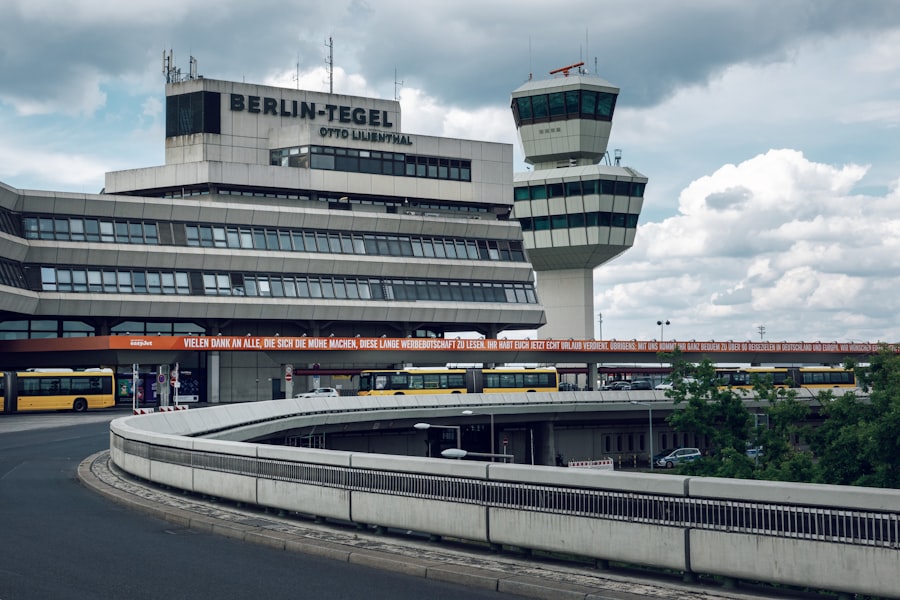
On the ground, in both West Germany and Berlin, an equally impressive logistical network operated. Airports like Tempelhof in Berlin, Gatow, and Tegel were transformed into bustling hubs of activity. Ground crews worked tirelessly, loading and unloading aircraft with astonishing speed. The process of unloading a C-54, for example, often took as little as 20 minutes, allowing for rapid turnaround and maximizing flight frequency. Mechanics worked around the clock to maintain the aging aircraft, ensuring they were airworthy for their demanding missions. Every detail, from fuel management to cargo manifests, was meticulously orchestrated.
The Human Element: Faces of Resilience and Sacrifice
Beyond the impressive machinery and strategic planning, the Berlin Airlift was fundamentally a story of human resilience, courage, and sacrifice. The pilots, aircrews, ground personnel, and the citizens of Berlin themselves all played vital roles in the operation’s success.
The Pilots: Navigating Danger and Dedication
The pilots of the airlift flew in all weather conditions, day and night. They navigated treacherous routes, often in challenging weather and with limited navigational aids. The constant threat of Soviet interference, though rarely manifesting in direct aggression, added an underlying tension to every flight. Many pilots became heroes in the eyes of Berliners, their familiar aircraft a welcome sight against the often-grey skies. The pilots’ dedication and skill ensured that vital supplies reached the city, preventing despair from taking root.
The “Candy Bombers”: A Symbol of Kindness
One of the most poignant and enduring aspects of the airlift was the emergence of the “Rosinenbomber” or “Raisin Bombers,” affectionately nicknamed for the small packages of candy and gum that some pilots began dropping to the children of Berlin. Initiated by pilot Gail Halvorsen, this small act of kindness quickly became a symbol of the Western Allies’ humanitarian spirit and their connection to the people they were supporting. Children would gather at the airport fences, waving handkerchiefs, and eagerly anticipating the arrival of their airborne benefactors, a small but significant gesture of hope amidst hardship.
The People of Berlin: Enduring and Inspiring
The citizens of West Berlin were the ultimate recipients of this colossal effort, and their resilience was nothing short of remarkable. Facing shortages, rationing, and the constant uncertainty of their fate, they endured with remarkable fortitude. They supported the airlift by working in factories to produce goods that could be shipped, by assisting with ground operations, and by maintaining a spirit of defiance against Soviet pressure. Their unwavering determination and gratitude for the airlift became a powerful moral force.
The Berlin Airlift stands as a remarkable example of military logistics in action, showcasing how strategic planning and execution can overcome significant challenges. For those interested in exploring this topic further, a related article provides an in-depth analysis of the operational strategies employed during the airlift. You can read more about it in this insightful piece on military logistics by following this link. The article delves into the complexities faced by the Allied forces and highlights the innovative solutions that were implemented to ensure the success of the operation.
The Impact and Legacy: A Turning Point in the Cold War
| Metrics | Data |
|---|---|
| Duration of Berlin Airlift | June 24, 1948 – May 12, 1949 |
| Total flights | Over 278,000 flights |
| Total cargo transported | Over 2.3 million tons |
| Average daily cargo delivery | Around 5,000 tons |
| Number of participating aircraft | Over 300 aircraft |
The Berlin Airlift was far more than just a logistical feat; it was a pivotal moment that shaped the course of the Cold War and had a profound impact on international relations. Its success demonstrated the resolve of the Western powers and significantly undermined Soviet objectives.
The End of the Blockade: A Soviet Retreat
After 11 months, on May 12, 1949, the Soviet Union, realizing the blockade was failing to achieve its objectives and was instead a public relations disaster, lifted its blockade. The Western Allies had successfully supplied West Berlin for over a year, proving that the city could be sustained by air. The airlift had achieved its primary goal: to prevent the fall of West Berlin and to maintain the Western presence. It was a clear and resounding victory for the Western powers, achieved not through military conquest but through logistical brilliance and unwavering commitment.
A Strengthened NATO and a Divided Germany
The Berlin Blockade and the subsequent airlift were instrumental in solidifying the formation of the North Atlantic Treaty Organization (NATO). The perceived Soviet aggression spurred the Western European nations and North America to form a collective security alliance. The airlift also served to deepen the division of Germany, paving the way for the establishment of the Federal Republic of Germany (West Germany) and the German Democratic Republic (East Germany) in 1949. The city of Berlin, though still divided, became a potent symbol of the ideological struggle between East and West.
A Symbol of Hope and Determination
The legacy of the Berlin Airlift extends far beyond its immediate geopolitical implications. It remains an enduring symbol of human ingenuity, courage, and the power of international cooperation in the face of seemingly insurmountable challenges. The “Luftbrücke” (Air Bridge) became a powerful narrative of hope and determination, demonstrating that even in the darkest of times, humanity could find ways to overcome adversity and protect the fundamental values of freedom and self-determination. It served as a powerful reminder of the essential role of logistics in modern warfare and humanitarian crises, proving that with sufficient planning, resources, and unwavering resolve, the impossible can indeed become possible. The Berlin Airlift continues to inspire, a testament to the triumph of human spirit and the logistical prowess that can be unleashed when called upon.

How 90 Seconds Kept 2 Million People Alive
FAQs
What was the Berlin Airlift?
The Berlin Airlift was a military operation conducted by the United States, United Kingdom, and other Western Allies to deliver food, fuel, and supplies to the people of West Berlin after the Soviet Union blockaded the city in 1948.
How long did the Berlin Airlift last?
The Berlin Airlift lasted for 11 months, from June 1948 to May 1949. During this time, over 200,000 flights were made to deliver supplies to West Berlin.
What were the key logistical challenges of the Berlin Airlift?
The key logistical challenges of the Berlin Airlift included coordinating a massive airlift operation, ensuring the safety of the pilots and aircraft, and maintaining a steady supply of food, fuel, and other essential supplies to the people of West Berlin.
What role did military logistics play in the success of the Berlin Airlift?
Military logistics played a crucial role in the success of the Berlin Airlift by ensuring that the necessary supplies were transported to West Berlin in a timely and efficient manner. This involved careful planning, coordination, and execution of the airlift operation.
What was the impact of the Berlin Airlift on the Cold War?
The Berlin Airlift demonstrated the determination of the Western Allies to support West Berlin and thwart Soviet aggression. It also highlighted the importance of military logistics in sustaining a population under siege, and ultimately contributed to the escalation of tensions between the United States and the Soviet Union during the Cold War.