The Second World War remains a pivotal moment in global history, a period of unprecedented conflict and societal upheaval. While much attention is rightly focused on the grand narratives of nations and armies, the personal stories of individuals and families often provide a more profound understanding of the war’s impact. For Black British families, the Second World War presented a unique and complex tapestry of experiences, shaped by a legacy of empire, racial prejudice, and emerging national identity. Exploring this rich history is not merely an academic pursuit; it is an essential act of remembrance, acknowledging the often-overlooked contributions and sacrifices made by those who served both on the front lines and on the home front. This exploration delves into the multifaceted ways in which Black Britons navigated the challenges and opportunities of the war years, seeking to illuminate their stories and ensure they are woven into the broader fabric of British wartime memory.
Echoes of Empire and the Call to Arms
The outbreak of the Second World War found Black Britons in a precarious position. While they were citizens of the British Empire, their experiences were often marked by systemic racism and discrimination. Nevertheless, the call to arms resonated deeply, and many Black men, eager to prove their loyalty and fight for the freedoms they were denied at home, answered the nation’s summons. The Empire at War initiative, while intended to galvanize support across its vast territories, also brought to the fore the complexities of racial hierarchy within the British armed forces.
Enlistment and the Promise of Equality
Thousands of Black men, from the Caribbean, West Africa, and other parts of the Empire, volunteered or were conscripted into various branches of the British military. Their motivations were varied, ranging from patriotism and a desire for adventure to the hope of better treatment and opportunities abroad than they might find at home. For many, the uniform represented a tangible symbol of belonging and a chance to contribute to a cause greater than themselves. They joined the Royal Navy, the Army, and the Royal Air Force, serving in roles that often reflected the prevailing racial attitudes of the time. While some were integrated into regular units, others found themselves in segregated formations or relegated to support roles, a stark reminder of the persistent inequalities they faced.
Facing the Enemy and Internal Prejudices
On the battlefield, Black soldiers fought with distinction and bravery. They served in campaigns across Europe, North Africa, and Asia, facing the same dangers as their white counterparts. However, their experiences were not solely defined by combat. They also had to contend with racial prejudice from within their own ranks and from the civilian populations they encountered. Reports of discrimination in pay, accommodation, and opportunities for advancement were not uncommon. Despite these challenges, many Black servicemen developed strong bonds of camaraderie, forged in the shared crucible of war. Their resilience in the face of both external threats and internal societal biases is a testament to their strength of character.
Civilian Contributions and the Home Front
Beyond the military, Black Britons played a vital role on the home front. As men enlisted, women stepped into roles previously held by them in factories, agriculture, and essential services. These women, often facing the double burden of war work and domestic responsibilities, were crucial to the nation’s war effort. They contributed to the production of munitions, the harvesting of crops, and the maintenance of vital infrastructure. Their contributions, though often less visible than those of soldiers, were equally indispensable. The war also saw an increase in migration from the Caribbean to Britain, as workers were recruited to fill labour shortages. These new arrivals, often referred to as “Coloured” workers, faced their own set of challenges, including housing discrimination and limited job opportunities, yet they too contributed significantly to the war economy and the social fabric of Britain.
Exploring the intricate narratives of Black British family history during World War II reveals a rich tapestry of experiences often overlooked in mainstream accounts. For those interested in delving deeper into this subject, the article available at In the War Room provides valuable insights into the contributions and challenges faced by Black families in Britain during this tumultuous period. This resource highlights personal stories and historical contexts that shed light on the resilience and impact of Black communities in wartime Britain.
The Impact of Wartime Society on Black Communities

The Second World War served as a catalyst for significant social change, and Black communities in Britain were at the forefront of these shifts. The shared experience of war, the need for labour, and the exposure of racial injustices, even in the face of a common enemy, began to chip away at deeply entrenched prejudices, albeit slowly.
Shifting Perceptions and the Fight for Respect
The presence of Black servicemen and civilians in Britain, particularly in urban centres, challenged existing stereotypes and forced a confrontation with racial attitudes. While racism persisted, the shared struggle against Nazism created a moral imperative for a more equitable society. The war highlighted the hypocrisy of fighting for freedom abroad while denying it to citizens at home. This growing awareness, coupled with the determined efforts of Black individuals and organizations to advocate for their rights, laid the groundwork for future civil rights movements. The fight for respect was not always overt; it was in the quiet dignity with which Black individuals performed their duties, the unwavering courage they displayed in the face of adversity, and the persistent efforts to be recognized as equal members of society.
Exploring the rich tapestry of Black British family history during World War II reveals the often-overlooked contributions and experiences of this community. A compelling article that delves into these narratives can be found at In The War Room, where it highlights personal stories and the impact of the war on Black families in Britain. Understanding these histories not only honors their legacy but also enriches our overall comprehension of the war’s social dynamics.
The Rise of Activism and Political Consciousness
The war years witnessed a burgeoning of Black political consciousness and activism. Organizations like the League of Black Women and the Pan-African Congress gained momentum, advocating for self-determination, racial equality, and an end to colonial rule. Figures like George Padmore and Kwame Nkrumah used the wartime context to promote pan-Africanist ideals, arguing that the fight against fascism should extend to the liberation of colonized peoples. The war exposed the limitations of empire and the inherent injustice of racial hierarchy, fueling a desire for fundamental change. This period of intensified activism, though often operating under the radar of mainstream politics, planted the seeds for the post-war independence movements in many African and Caribbean nations and continued to inspire civil rights struggles within Britain itself.
Cultural Exchange and the Shaping of Identity
The presence of Black soldiers and workers from diverse backgrounds led to a vibrant cultural exchange. Music, food, and social customs from across the Empire mingled with British traditions, enriching the cultural landscape. This cross-pollination, while sometimes fraught with tension, contributed to a more diverse and cosmopolitan Britain. For Black Britons, the war also offered an opportunity to forge a stronger sense of identity, one that was not solely defined by their colonial origins but also by their lived experience in Britain and their contribution to the nation’s survival. This evolving identity, shaped by both inherited traditions and the realities of wartime Britain, would continue to evolve in the post-war era.
Documenting the Past: Sources and Methods
Unearthing the history of Black British families in WWII requires a diligent and multifaceted approach to research. The nature of historical records, particularly concerning marginalized communities, often necessitates going beyond conventional archives to piece together a comprehensive picture.
Official Records and Their Limitations
Official government archives, military service records, and census data can offer valuable insights. These sources can provide names, dates, units of service, and locations of Black individuals. However, they are often incomplete and can reflect the biases of the era in which they were created. For instance, Black soldiers might be recorded with less detail than their white counterparts, or their roles might be understated. Furthermore, the racial categories used in official documents often lack nuance and can obscure the diversity within Black communities. The absence of detailed personal accounts within many official records means that the emotional and lived experiences of these individuals are often missing.
Oral Histories and Personal Testimonies
Oral histories are indispensable for capturing the lived experiences of Black Britons during WWII. Personal testimonies, recorded through interviews with veterans, their descendants, and community members, offer a vital counterpoint to official narratives. These accounts provide rich detail about daily life, the emotional toll of war, experiences of discrimination, and the personal sacrifices made. Family letters, diaries, photographs, and scrapbooks also serve as invaluable primary sources, offering intimate glimpses into the lives of individuals and families. These personal artifacts can reveal not only the grand narratives of service but also the quiet moments of resilience, hope, and familial connection that sustained people through difficult times.
Community Archives and Genealogical Research
Local community archives, Black history archives, and heritage organizations often hold unique collections of materials that document the experiences of Black Britons. These repositories may include photographs, newspaper clippings, organizational records, and personal accounts that are not held in national archives. Genealogical research, utilizing both official records and family information, can help trace family lineages and connect individuals to their wartime ancestors. Websites dedicated to Black British history and genealogy, along with historical societies and family history centers, can be crucial resources for those seeking to explore their family’s wartime past. The collaborative nature of genealogical research, where individuals share information and discoveries, can also be a powerful tool in uncovering these often-hidden histories.
Legacies of Service and the Fight for Recognition
The sacrifices and contributions of Black Britons during the Second World War left an indelible mark on both British society and the individuals and communities themselves. The legacy of their wartime experiences continues to shape national identity and inform ongoing struggles for equality.
Post-War Adjustments and the Windrush Generation
Following the war, many Black servicemen and women returned to a Britain that was still grappling with its racial attitudes. While some found their wartime service had earned them greater respect, others faced continued discrimination and a struggle to find employment and housing. The post-war period also saw the arrival of the Windrush generation, who came to Britain to fill labour shortages and rebuild the country. Many of these individuals had family members who had served in the war, creating a complex tapestry of experiences and aspirations. The promises of equality and opportunity that were sometimes implicitly offered during wartime were not always realized in the post-war years, leading to continued activism and a persistent call for recognition.
The Ongoing Struggle for a Place in History
For too long, the contributions of Black Britons to the Second World War have been marginalized or overlooked in mainstream historical accounts. Efforts to document and promote this history are crucial for ensuring that these stories are not lost and that future generations understand the full scope of Britain’s wartime effort. Museums, educational institutions, and community groups are increasingly working to highlight the experiences of Black service personnel and civilians, challenging existing narratives and advocating for a more inclusive understanding of British history. The ongoing work of historians, genealogists, and community archivists is vital in ensuring that these stories are not only preserved but actively brought to light.
Acknowledging Sacrifice and Shaping a Collective Memory
Recognizing the sacrifices of Black Britons in WWII is not just about historical accuracy; it is about building a more inclusive and equitable collective memory. It is about acknowledging that the freedoms and democratic values that Britain fought for were also defended by individuals of all races and backgrounds, many of whom faced additional hurdles and prejudices. By actively seeking out and sharing these stories, we can foster a deeper understanding of the complexities of British history and celebrate the diverse tapestry of individuals who shaped its course. This acknowledgment is an ongoing process, requiring continuous effort to ensure that the full spectrum of wartime experiences is understood and appreciated. The stories of Black British families in WWII are not merely footnotes to a larger narrative; they are integral threads in the very fabric of what it means to be British and to have fought for a better future.
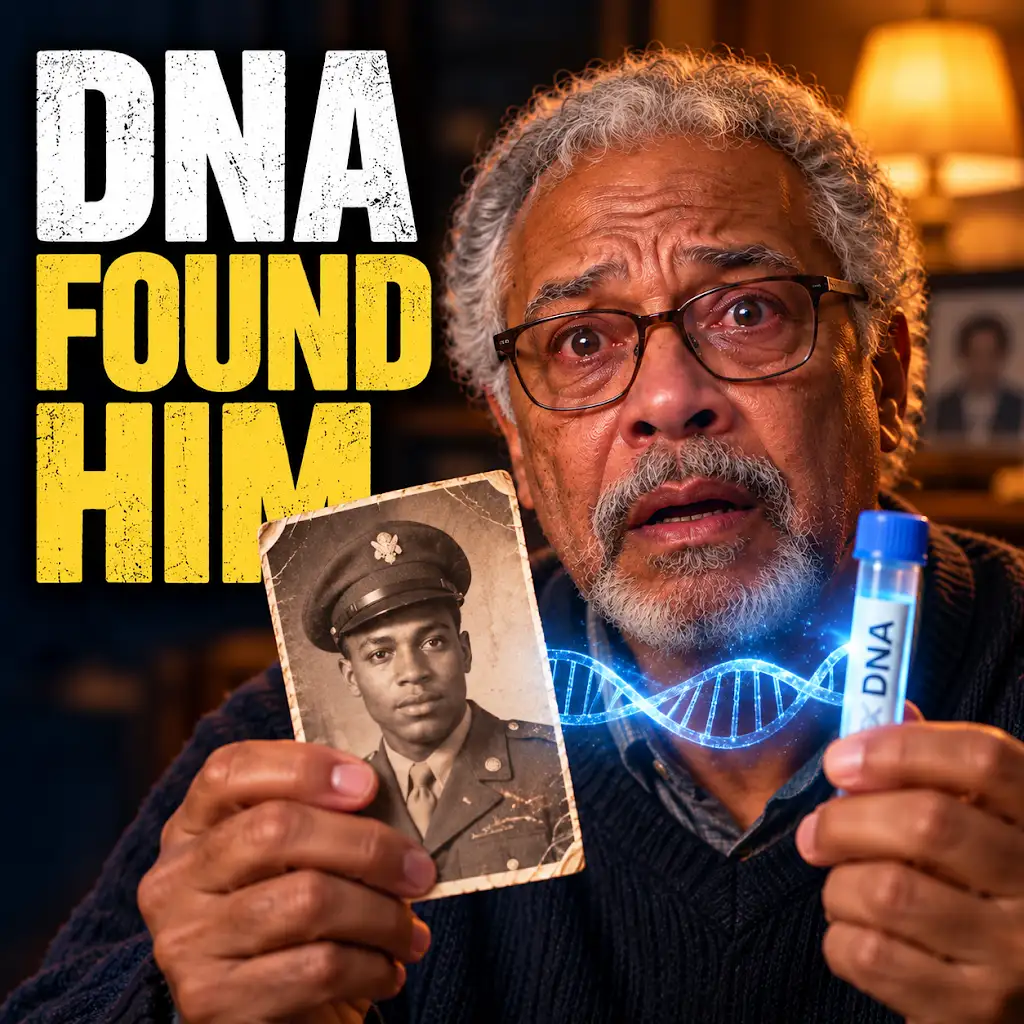
His WWII GI Father Was a Mystery for Nearly 80 Years
FAQs
What is Black British family history during WWII?
Black British family history during WWII refers to the experiences and contributions of Black individuals and families living in Britain during World War II. This includes their involvement in the war effort, their experiences of discrimination and racism, and their resilience in the face of adversity.
How were Black British families affected by WWII?
Black British families were affected by WWII in various ways, including facing discrimination and racism, experiencing economic hardships, and dealing with the challenges of having family members serving in the armed forces. Despite these challenges, many Black British families made significant contributions to the war effort.
What roles did Black British individuals play during WWII?
During WWII, Black British individuals played a variety of roles, including serving in the armed forces, working in essential industries to support the war effort, and contributing to the war relief efforts. Despite facing discrimination and racism, many Black British individuals made valuable contributions to the war.
How has the history of Black British families during WWII been documented?
The history of Black British families during WWII has been documented through various sources, including oral histories, archival records, and academic research. In recent years, there has been a growing interest in uncovering and sharing the stories of Black British families during this period.
What impact did WWII have on the Black British community in the post-war period?
After WWII, the Black British community faced continued challenges, including ongoing discrimination and racism. However, the contributions of Black individuals and families during the war helped to pave the way for greater recognition and acceptance in British society.