Behind the Lines: Vietnam War’s Covert Operations
The Vietnam War, a conflict etched into the collective memory of the 20th century, is often recalled through images of brutal jungle warfare, anti-war protests, and the sheer scale of American involvement. Yet, beneath the surface of this widely understood narrative lay a shadow world of clandestine operations, covert actions, and secret wars waged by intelligence agencies and special forces. These “behind the lines” missions, shrouded in secrecy and often ethically ambiguous, played a significant, albeit often unacknowledged, role in shaping the course of the conflict and its aftermath. From intelligence gathering and psychological warfare to direct action and the training of indigenous forces, these operations represent a complex and often disturbing facet of the Vietnam War experience.
The seeds of Vietnam’s covert operations were sown long before the full-scale deployment of American combat troops. Following the French withdrawal and the partition of Vietnam in 1954, the United States, driven by a potent fear of communist expansion, began to invest heavily in intelligence and paramilitary activities. The nascent struggle for influence in South Vietnam provided fertile ground for these clandestine endeavors, aimed at bolstering the South Vietnamese government and undermining the Viet Cong insurgency and their North Vietnamese patrons.
The Role of the CIA: From Political Subversion to Paramilitary Action
The Central Intelligence Agency (CIA) was at the forefront of these early covert efforts. Their initial focus was on political subversion, aiming to destabilize and discredit perceived communist sympathizers and opposition elements within South Vietnam. This involved extensive intelligence gathering, often through human sources, and the covert funding of friendly political factions. However, as the insurgency gained traction, the CIA’s role evolved to encompass more direct paramilitary activities.
Project Phoenix: A Controversial Tool in Counterinsurgency
Perhaps the most infamous of the CIA’s covert operations in Vietnam was Project Phoenix (officially known as the Intelligence Coordination and Exploitation program). Launched in 1968, its stated aim was to neutralize the Viet Cong infrastructure, the political and administrative network that supported the insurgency. While proponents argued that Phoenix was a vital tool in dismantling the enemy’s ability to operate, critics contend that it devolved into a brutal campaign of assassinations, torture, and extrajudicial killings. The program relied heavily on intelligence gathered from informants, defectors, and interrogations, leading to accusations of widespread human rights abuses and the targeting of civilians. The difficulty in distinguishing between active insurgents and ordinary villagers made the program particularly problematic, resulting in a tragic blurring of lines and immense suffering. The immense powers granted to intelligence operatives under Phoenix, often with limited oversight, contributed to a climate of impunity and the commission of horrific acts.
Stay Behind Operations and Network Building
Beyond Project Phoenix, the CIA also established “stay behind” networks, composed of agents and sympathizers embedded within various sectors of South Vietnamese society. These networks were tasked with intelligence collection, sabotage, and the dissemination of propaganda. They operated in the shadows, gathering information on enemy movements, political sentiment, and potential infiltration routes. The building of these complex networks required extensive training, vetting, and often the provision of financial support, making them a significant investment of resources. The success of these operations often hinged on the reliability of local assets and the ability to maintain operational security in a highly volatile environment.
Military Assistance and Advisory Groups (MAAG): Laying the Groundwork
Even before the widespread American military presence, the Military Assistance and Advisory Groups (MAAG) played a crucial role in training and equipping the South Vietnamese armed forces. While ostensibly a conventional advisory mission, the MAAG also facilitated the initial stages of covert training for specialized units within the Vietnamese military, preparing them for unconventional warfare and intelligence gathering. This laid the groundwork for later, more extensive special operations.
The Birth of Special Forces in Vietnam: Beyond Conventional Warfare
The deployment of U.S. Army Special Forces units in Vietnam marked a significant escalation of covert capabilities. These highly trained soldiers were initially tasked with unconventional warfare missions, including reconnaissance, sabotage, and the training and leading of indigenous Montagnard tribes in the Central Highlands. These “Green Berets” became adept at operating in remote and dangerous terrain, often behind enemy lines, gathering critical intelligence and conducting raids.
Civilian Irregular Defense Groups (CIDG): Arming the Highlands
A key component of the Special Forces’ operations was the establishment and command of the Civilian Irregular Defense Groups (CIDG). These paramilitary units were formed from ethnic minority groups, primarily the Montagnards, who were often distrustful of the Vietnamese government and had a strong connection to the land. The CIDG were trained by the Special Forces in guerrilla warfare tactics, reconnaissance, and counter-insurgency operations. They proved invaluable in providing local knowledge, acting as guides, and conducting vital intelligence gathering in remote and hostile areas where regular army units could not effectively operate. The CIDG often formed the front line of defense in their respective regions, engaged in constant skirmishes with Viet Cong forces. Their effectiveness was a testament to the Special Forces’ ability to build rapport and trust with these distinct ethnic groups.
Detachment A: The Tip of the Spear in Special Operations
Within the Special Forces, specialized detachments, often referred to as “Detachment A,” were the operational backbone of many covert missions. These small, highly mobile units were responsible for a wide range of activities, from reconnaissance patrols and prisoner snatches to the disruption of enemy supply lines and the execution of direct action missions. Their operational tempo was relentless, and the risks they undertook were immense. The success of Detachment A often depended on meticulous planning, superior battlefield awareness, and the unwavering courage of its members.
One of the most intriguing aspects of the Vietnam War is the series of secret operations that were conducted behind the scenes, often shrouded in mystery and controversy. For those interested in exploring this topic further, a related article can be found at In The War Room, which delves into the covert missions and strategies employed during the conflict, shedding light on the complexities and challenges faced by military personnel.
Beyond the Jungle: Psychological Warfare and the War of Information
Covert operations were not solely about physical intervention; they also encompassed the insidious realm of psychological warfare. The battle for hearts and minds was a crucial front in the Vietnam War, and intelligence agencies employed a variety of tactics to influence both the enemy and the civilian population.
Operation Wandering Soul: Chilling the Enemy
One of the most chilling examples of psychological warfare was Operation Wandering Soul. This operation involved the use of specially crafted audio recordings, played through loudspeakers in enemy-controlled areas, designed to exploit Vietnamese superstitions and fears of the afterlife. The recordings featured eerie voices, purportedly of dead Viet Cong soldiers, warning their comrades to desert or face eternal damnation. The intent was to sow confusion, fear, and demoralization among enemy combatants, encouraging them to surrender or abandon their posts. The effectiveness of such operations is difficult to quantify, but they represented a concerted effort to wage war on the enemy’s psyche.
Propaganda and Disinformation Campaigns
Beyond sonic warfare, elaborate propaganda and disinformation campaigns were orchestrated to undermine enemy morale and bolster support for the South Vietnamese government. This involved the distribution of leaflets, the dissemination of radio broadcasts, and the cultivation of sympathetic media outlets. The goal was to shape public opinion, paint the Viet Cong as ruthless oppressors, and portray the American and South Vietnamese forces as liberators. The line between legitimate information dissemination and outright deception was often blurred in these operations.
“Black Propaganda”: Deception with a Deadly Edge
“Black propaganda,” or disinformation intended to be attributed to the enemy, was a particularly potent tool. This involved creating materials that appeared to originate from the Viet Cong or North Vietnamese, sowing dissent and confusion among their ranks. For example, fabricated orders or communiqués could be released, designed to trick enemy commanders into making strategic blunders. The complexity of these operations required deep understanding of enemy communication channels and organizational structures.
Information Operations and the Role of “Writers and Analysts”
A dedicated cadre of “writers and analysts” within intelligence agencies worked tirelessly to craft these messages, often based on intercepted communications and intelligence reports. Their task was to understand the enemy’s mindset and to devise propaganda that would resonate with their beliefs and fears. This was a sophisticated form of warfare, requiring linguistic and cultural expertise, as well as an understanding of psychological principles.
The Shadow of MACV-SOG: Direct Action and Deep Penetration Missions
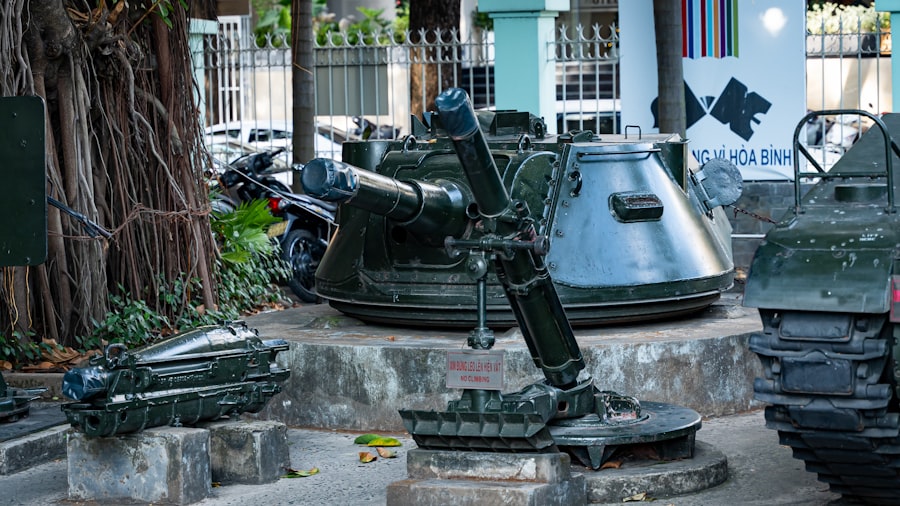
While the CIA operated in the intelligence and paramilitary spheres, the U.S. Military Assistance Command, Vietnam – Studies and Observations Group (MACV-SOG) represented the tip of the spear in terms of direct action covert operations. Formed in 1964, MACV-SOG was a highly classified joint services special operations unit responsible for conducting unconventional warfare, counter-insurgency, and reconnaissance missions in Laos, Cambodia, and Vietnam.
Ground Reconnaissance Patrols (GRAF): Eyes Behind the Lines
MACV-SOG’s Ground Reconnaissance Patrols (GRAF) were the backbone of their intelligence-gathering efforts. These small, highly skilled teams, composed of American Special Forces and indigenous personnel, conducted deep reconnaissance missions into enemy-controlled territory. Their primary objective was to gather intelligence on enemy troop movements, supply routes, and base camps. These patrols were incredibly dangerous, often lasting for weeks at a time, with minimal support and the constant threat of enemy detection. The bravery and resilience of GRAF teams were legendary, and the intelligence they provided was vital for strategic planning and the success of larger military operations.
The “Hammer and Anvil” Strategy: Disrupting the Ho Chi Minh Trail
MACV-SOG played a crucial role in disrupting the flow of supplies along the Ho Chi Minh Trail, the vital logistical artery used by North Vietnam to supply its forces in the South. Their operations, often referred to as the “Hammer and Anvil” strategy, involved reconnaissance patrols (the “hammer”) identifying enemy movements and concentrations, followed by air strikes or larger ground assaults (the “anvil”) to interdict and destroy enemy forces and materiel. These missions were fraught with peril, as the trail was heavily defended.
Operation Daniel Boone: Incursions into Cambodia and Laos
Operation Daniel Boone was one of MACV-SOG’s most daring and controversial initiatives. It involved covert cross-border operations into Cambodia and Laos, targeting enemy sanctuaries and logistical networks. These missions were conducted with extreme secrecy, often without the knowledge of the general public or even many within the U.S. military. The rationale behind these incursions was to deny the enemy the use of these neutral territories as staging grounds and safe havens. However, these operations also raised significant political and ethical questions, as they expanded the conflict into neighboring countries.
The Ethical Quagmire: Neutrality and Sovereignty
The decision to conduct covert operations in Cambodia and Laos placed the United States in a difficult ethical and political quagmire. Both countries were officially neutral in the conflict, and these incursions, though secret, represented a violation of their sovereignty. The repercussions of these actions, particularly in Cambodia, were profound, contributing to the instability that ultimately led to the rise of the Khmer Rouge. The secrecy surrounding these operations meant that accountability for any negative consequences was virtually non-existent.
Specialized Teams: Bomb Damage Assessment and Interdiction
Beyond reconnaissance, MACV-SOG also deployed specialized teams for Bomb Damage Assessment (BDA) and interdiction missions. BDA teams would assess the effectiveness of air strikes, providing crucial feedback for future bombing campaigns. Interdiction teams focused on disrupting enemy logistics, ambushing supply convoys, and destroying bridges and other critical infrastructure. These operations were often conducted under intense enemy fire, demanding extreme precision and courage.
The Unseen Architects: Training and Empowering Indigenous Forces
A cornerstone of U.S. covert strategy in Vietnam was the training and empowerment of indigenous forces. The rationale was to build local capacity, leverage local knowledge, and achieve strategic objectives with a smaller American footprint. This approach was employed by both the CIA and military special operations units.
The Vietnamese Navy’s Special Operations Group (VNSOG): A Maritime Shadow War
The Vietnamese Navy’s Special Operations Group (VNSOG) was an elite unit trained and supported by U.S. Navy SEALs and other special operations forces. VNSOG commandos conducted a wide range of clandestine missions, including coastal reconnaissance, underwater demolition, and raids on enemy shipping and installations. They were a vital component of the war effort, operating in the treacherous maritime environment and often facing overwhelming odds.
SEALs and VNSOG: A Partnership in the Mekong Delta
The partnership between U.S. Navy SEALs and VNSOG units was particularly effective in the Mekong Delta, a region of waterways and swamps that was a critical artery for Viet Cong infiltration and supply. SEALs provided specialized training in amphibious operations, small boat warfare, and intelligence gathering, while VNSOG operators brought their intimate knowledge of the local terrain and waterways. This collaboration allowed for highly effective interdiction and counter-insurgency operations in a challenging environment.
Special Forces’ Role in Building Regional Forces
Beyond the Montagnard tribes, U.S. Special Forces also played a significant role in training and organizing regional forces within South Vietnam. These forces, often comprised of local militia or paramilitary units, were tasked with defending their own villages and hamlets from Viet Cong incursions. The Special Forces provided them with weapons, training, and strategic guidance, empowering them to become a more effective fighting force and a key element in the pacification efforts.
Village Defense and Local Intelligence Networks
The creation of effective village defense forces was a critical aspect of the counter-insurgency strategy. Special Forces advisors worked to train and equip these local units, teaching them tactics for ambushing enemy patrols, securing their villages, and establishing early warning systems. This not only provided a degree of security for the local population but also fostered the development of robust local intelligence networks, crucial for identifying and neutralizing Viet Cong threats before they could materialize.
The Vietnam War was marked by numerous covert operations that remain largely unknown to the public, revealing the complexities of military strategy during that era. For those interested in exploring this topic further, a fascinating article delves into the most secret Vietnam War operations, shedding light on the clandestine activities that shaped the conflict. You can read more about these operations by following this link. Understanding these hidden aspects of the war provides a deeper insight into the challenges faced by soldiers and the decisions made by military leaders.
The Legacy of Secrecy: Enduring Questions and Unanswered Truths
| Operation Name | Objective | Duration | Outcome |
|---|---|---|---|
| Operation Phoenix | Neutralize Viet Cong infrastructure | 1965-1972 | Controversial, some success in eliminating VC members |
| Operation Rolling Thunder | Intense bombing campaign | 1965-1968 | Mixed results, failed to achieve its objectives |
| Operation Igloo White | Electronic surveillance along Ho Chi Minh Trail | 1967-1973 | Effective in disrupting enemy supply lines |
| Operation Menu | Bombing of North Vietnamese sanctuaries in Cambodia | 1969-1970 | Controversial, caused international outcry |
The covert operations of the Vietnam War remain a complex and often uncomfortable subject. The inherent secrecy surrounding these missions, while understandable from a military and intelligence perspective, has also led to a legacy of unanswered questions and enduring controversy.
Accountability and the Fog of War
The “fog of war” and the shroud of secrecy often made accountability for alleged abuses or operational failures incredibly difficult. The lack of public oversight and the classification of documents have made it challenging to fully understand the scope and impact of many covert operations. This has left a void where definitive historical accounts should be, allowing for speculation and perpetuating distrust.
The Ethics of Unconventional Warfare
The ethical implications of employing covert tactics, including psychological warfare, assassinations, and operations in neutral territories, continue to be debated. While proponents argue that these actions were necessary to achieve strategic objectives in a brutal conflict, critics highlight the immense human cost and the potential for long-term negative consequences. The Vietnam War’s covert operations serve as a stark reminder of the moral compromises often made in the name of national security.
The Impact on Vietnam and Regional Stability
The long-term consequences of these covert actions on Vietnam and the wider region are still being assessed. The destabilization of Cambodia, the lingering effects of Project Phoenix, and the erosion of trust are all part of this complex legacy. Understanding these covert operations is crucial to a comprehensive understanding of the Vietnam War’s impact, not only on those who fought it but on the geopolitical landscape of Southeast Asia.
The Enduring Enigma of “What Ifs”
The very nature of covert operations means that much of their impact remains speculative. The “what ifs” abound: What if certain operations had not been undertaken? What if intelligence had been interpreted differently? The unseen architects of these shadow wars operated with immense power and limited visibility, leaving future historians to piece together fragments of a highly guarded past, forever grappling with the true cost of fighting a war behind the lines.
The Vietnam Plot That Made Soldiers Fear Their Own Guns
FAQs
What were some of the most secret Vietnam War operations?
Some of the most secret Vietnam War operations included Operation Phoenix, a covert CIA program aimed at identifying and eliminating Viet Cong members; Operation Rolling Thunder, a sustained bombing campaign against North Vietnam; and Operation Igloo White, a classified electronic surveillance and sensor program along the Ho Chi Minh Trail.
How were these operations kept secret?
These operations were kept secret through strict compartmentalization, limited access to information, and the use of code names and classified communication channels. Additionally, the involvement of covert agencies such as the CIA and special operations forces helped maintain secrecy.
What impact did these secret operations have on the Vietnam War?
These secret operations had a significant impact on the Vietnam War, as they targeted key enemy infrastructure, personnel, and supply lines. Operation Phoenix, for example, resulted in the neutralization of thousands of Viet Cong members, while Operation Rolling Thunder aimed to disrupt North Vietnamese logistics and morale.
Were there any controversies surrounding these secret operations?
Yes, there were controversies surrounding these secret operations, particularly regarding their effectiveness, ethical implications, and civilian casualties. Operation Phoenix, in particular, faced criticism for its alleged human rights abuses and lack of oversight.
What is the legacy of these secret operations in the context of the Vietnam War?
The legacy of these secret operations in the context of the Vietnam War is complex, as they were both lauded for their tactical successes and criticized for their long-term strategic impact. These operations continue to be studied and debated by historians and military analysts.