The Cold War was a period of intense geopolitical tension between the United States and the Soviet Union, marked by a constant threat of nuclear war. The Cuban Missile Crisis of October 1962 stands as the most perilous moment of this era, a thirteen-day standoff that brought the world to the brink of annihilation. While the high-stakes negotiations and the actions of national leaders often dominate historical accounts, the crucial role played by individual actors and the instruments of war, such as submarines, is a vital, often overlooked, aspect of this critical event. Among these, the Soviet submarine B-59 occupies a particularly dramatic and significant place, a chilling reminder of how close the world came to nuclear catastrophe due to a series of cascading decisions and miscommunications.
During the Cold War, the Soviet Union placed a significant emphasis on its submarine fleet. These vessels were seen as a crucial element in their strategy to counter the overwhelming naval power of the United States and to project Soviet influence globally. The development of nuclear-powered submarines, capable of extended submerged operations, transformed the underwater battlefield and provided the Soviets with a potent retaliatory capability. The doctrine of “mutual assured destruction” (MAD) was underpinned by the belief that both superpowers possessed the means to inflict unacceptable damage on the other, thereby deterring a first strike. Submarines, with their stealth and survivability, were central to this deterrent.
The Purpose of Project 641 Submarines
The B-59 belonged to Project 641, known to NATO as the “Foxtrot class.” These were diesel-electric submarines, designed for a variety of missions, including reconnaissance, patrol, and the deployment of torpedoes. While not as technologically advanced as their nuclear-powered counterparts, the Foxtrot class submarines were numerous and formed the backbone of the Soviet submarine force. They were built with a robust hull capable of withstanding considerable depth, allowing them to remain submerged for extended periods, evading detection by enemy sonar. Their operational range was sufficient for significant patrols in the Atlantic and Pacific oceans.
Key Specifications and Capabilities
Foxtrot-class submarines were typically around 90 meters in length and displaced over 2,000 tons when submerged. They were equipped with multiple torpedo tubes, capable of launching both conventional and, in some cases, nuclear-tipped torpedoes. Their diesel engines allowed for surface propulsion and battery charging, while electric motors powered them underwater. While submerged, they relied on batteries, limiting their operational time before needing to surface or recharge. This limitation, however, did not diminish their strategic importance, as they could still conduct significant patrols and pose a credible threat.
The Strategic Importance of Submarine Deployment
The Soviet Union viewed submarine deployments as a critical component of its global power projection and deterrence strategy. Submarines could operate in the shadow of enemy fleets, posing a constant threat to naval assets and shipping lanes. Their ability to remain undetected made them ideal for intelligence gathering and for positioning themselves for potential retaliatory strikes. During periods of heightened tension, such as the Cuban Missile Crisis, the deployment of submarines took on an even greater significance, as they represented a tangible, albeit hidden, military presence.
The Role in Deterrence and Retaliation
The presence of Soviet submarines, particularly those armed with nuclear weapons, served as a powerful deterrent to a pre-emptive strike by the United States. If the US were to launch a nuclear attack, Soviet submarines at sea could retaliate, ensuring that the Soviet Union could inflict unacceptable damage on the aggressor. This concept was fundamental to the MAD doctrine and influenced the deployment patterns of both superpowers’ naval forces during the Cold War.
The B-59 Soviet submarine played a crucial role during the Cuban Missile Crisis, highlighting the intense tensions between the United States and the Soviet Union in 1962. For a deeper understanding of the events surrounding this pivotal moment in history, you can read a related article that explores the submarine’s mission and the decisions made by its crew under extreme pressure. To learn more, visit this article.
The Crucible of Crisis: B-59’s Mission to Cuba
The decision to deploy nuclear missiles to Cuba in 1962 was a audacious gamble by Soviet Premier Nikita Khrushchev. He aimed to redress the strategic imbalance created by US Jupiter missiles stationed in Turkey, close to the Soviet border, and to bolster Cuba’s defenses against a potential US invasion following the Bay of Pigs fiasco. The deployment was to be carried out secretly, with Soviet submarines playing a crucial role in escorting and protecting the missile transports. The B-59 was one such vessel tasked with this critical and highly secretive mission.
The Journey Under the Atlantic
The B-59, under the command of Captain Valentin Savitsky, embarked on its journey from a Soviet naval base towards Cuba in the autumn of 1962. The submarine was part of a larger flotilla, tasked with supporting the covert deployment of Soviet missiles. The journey was fraught with peril. The crew was aware of the heightened tensions and the possibility of encountering US naval forces, who were actively monitoring Soviet shipping in the Atlantic. Strict radio silence was maintained to avoid detection, making communication within the flotilla and with Moscow extremely difficult.
Navigating in a Hostile Environment
The crew of the B-59 operated under immense pressure. They were in international waters, but the US Navy was conducting extensive surveillance operations, including anti-submarine warfare (ASW) exercises. The submarine was expected to remain submerged for as long as possible, a challenging feat for a diesel-electric vessel. The constant threat of detection meant that every maneuver was carefully calculated, and the crew was on high alert, anticipating potential confrontations.
The Objective: Secrecy and Protection
The primary objective of the B-59 was to provide escort and protection to the Soviet cargo ships carrying the missile components. The Soviets aimed to install the missiles before the United States could discover their presence, thereby creating a fait accompli. The B-59, armed with torpedoes, including at least one nuclear-tipped torpedo, was intended to deter any US naval forces that might attempt to intercept or block the Soviet transports.
The Specter of Nuclear Torpedoes
The presence of a nuclear torpedo aboard the B-59 was a crucial, and terrifying, element of its mission. This weapon represented a significant escalation in the potential consequences of any confrontation. While its use was highly unlikely and dependent on extreme circumstances, its existence meant that a single submarine, operating far from direct command, held the power to initiate a nuclear exchange.
The Encounter: Detection and Escalation
As the B-59 approached Cuba, the US Navy had intensified its surveillance efforts, deploying ships and aircraft to track any suspicious Soviet vessels. The US blockade, or “quarantine” as it was termed, was already in effect, attempting to prevent further Soviet military equipment from reaching the island. It was during this tense period that the B-59 found itself in a precarious situation, directly confronting US naval forces.
The US Navy’s Blockade Operations
The US Navy was actively engaged in Operation Sea Gate, the blockade of Cuba. This involved a vast armada of ships, aircraft, and submarines tasked with identifying and intercepting Soviet vessels. The goal was to prevent the delivery of offensive weapons and to exert pressure on the Soviet Union to remove the missiles already present. The submarines of the US Navy were particularly important in this role, using their sonar capabilities to detect and track submarines attempting to evade the blockade.
The Hunt for Soviet Submarines
The US Navy had a clear directive: detect and deter any Soviet submarines that might pose a threat. This often involved shadowing submarines, using depth charges as a non-lethal warning, and attempting to force them to surface. The submarines were instructed to avoid direct engagement unless absolutely necessary, but the intent was to make the Soviet submarines’ presence known and to prevent them from interfering with the blockade.
The Confrontation with the USS Beale
On October 27, 1962, a date now known as “Black Saturday,” the B-59 was detected by US naval forces. A US Navy destroyer, the USS Beale, along with other ASW assets, began to track the Soviet submarine. The B-59, having been submerged for a considerable time, was operating under difficult conditions and was likely aware of the increased US naval activity. The USS Beale initiated a series of depth charge attacks, not intended to destroy the submarine, but to signal its presence and to force it to surface for identification.
The Purpose of “Warning” Depth Charges
The US Navy’s standard operating procedure at the time involved the use of “non-lethal” depth charges. These were set to detonate at a shallow depth, creating a concussive force intended to rattle the submarine and signal the intention to engage. However, for a submarine at operating depth, these explosions could still be highly disruptive and damaging, and their psychological impact on the crew could be immense.
The Captain’s Dilemma: Misinformation and Fear
Captain Savitsky and his crew were in a dire situation. They had been submerged for an extended period, their batteries were low, and they had lost reliable communication with Moscow. They were unaware of the specific nature of the US Navy’s actions and, critically, they believed that war might have already broken out. The explosions of the depth charges, even if intended as warnings, were interpreted by the crew as actual attacks, possibly even the initial salvos of a nuclear war.
The Lack of Communication
One of the most significant factors contributing to the escalation was the breakdown of communication. The Soviet submarines were operating under strict radio silence orders to avoid detection. However, this meant that in a crisis situation, they were cut off from vital information from Moscow. They did not know the current status of diplomatic negotiations, nor did they have clear orders on how to respond to US naval pressure.
The Brink of Nuclear War: The Nuclear Torpedo Decision
The climax of the B-59’s ordeal occurred when Captain Savitsky, convinced that a war had begun and that his submarine was under direct attack, considered launching its nuclear torpedo. This decision, had it been made, would have triggered a catastrophic nuclear response from the United States, plunging the world into unprecedented devastation. The terrifying reality was that the fate of millions rested on the judgment of a few individuals in a claustrophobic and isolated environment.
The Pressure Cooker Environment
Inside the B-59, the atmosphere was one of extreme tension and fear. The constant barrage of depth charges, the lack of communication, and the belief that they were under direct attack created immense psychological pressure on Captain Savitsky and his officers. The submarine’s systems were being strained, and the crew was exhausted. The possibility of surfacing and facing certain capture or destruction was a grim prospect.
The Role of the Political Officer
A critical element in the decision-making process aboard the B-59 was the presence of the political officer, Ivan Maslennikov. In the Soviet military hierarchy of the time, political officers held significant authority and were responsible for ensuring ideological adherence and morale. Crucially, for the deployment of nuclear weapons, their consent was often required alongside the captain’s. This dual command structure, while intended to ensure loyalty and prevent unauthorized actions, also created a potential bottleneck in fast-moving crisis situations.
The Argument for Launch
Captain Savitsky, in his desperate situation, argued for the immediate launch of the nuclear torpedo. He believed that this was their only option for retaliation and to avoid being sunk or captured. The weight of the decision was immense, and the crew was looking to their captain for leadership and survival. The potential consequences of launching such a weapon, however, were a terrifying unknown for them, as they had no clear understanding of the broader geopolitical situation.
The Crucial Dissent of Vasili Arkhipov
The turning point came with the intervention of Vasili Arkhipov, the flotilla’s flotilla commander and second-in-command of the B-59. While Savitsky and Maslennikov were leaning towards launching the nuclear torpedo, Arkhipov strongly dissented. He argued that they should not launch the weapon without definitive proof that war had started and without orders from Moscow. Arkhipov’s calm reasoning and his authority as a senior officer were instrumental in preventing the catastrophic launch.
The Power of One Voice
Arkhipov’s refusal to authorize the launch was a moment of profound historical significance. He exercised restraint and foresight in a situation where panic and desperation were rampant. His courage in challenging his commanding officer, and the political officer, in such a critical moment undoubtedly saved the world from unimaginable destruction. It highlights the crucial role of individual judgment and moral fortitude in averting disaster.
The Submarine Code and Authority
While the captain was in command, the Soviet military code often required the consent of the political officer for actions involving nuclear weapons. This created a system where, in theory, a single individual could not unilaterally initiate a nuclear strike. However, in the chaos and isolation of the B-59, the power dynamics were intensely tested, and it was Arkhipov’s reasoned opposition that ultimately prevailed over Savitsky’s desperate impulse.
The B-59 Soviet submarine played a crucial role during the Cuban Missile Crisis, highlighting the intense tensions of the Cold War. As the submarine found itself surrounded by American forces, its commander faced a critical decision that could have escalated the conflict into a full-scale war. For a deeper understanding of this pivotal moment in history, you can read more about the events surrounding the crisis in this insightful article on the topic. To explore further, visit this article for a comprehensive analysis.
The Aftermath: A World Unaware of its Salvation
| Attribute | Details |
|---|---|
| Submarine Name | B-59 Soviet submarine |
| Event | Cuban Missile Crisis |
| Country | Soviet Union |
| Role | Involved in the standoff between the US and the Soviet Union |
| Duration | October 16-28, 1962 |
The incident aboard the B-59 remained a closely guarded secret for decades. The world breathed a collective sigh of relief when the Cuban Missile Crisis was resolved through diplomatic channels, with the Soviets agreeing to remove the missiles in exchange for a US promise not to invade Cuba and the secret withdrawal of US missiles from Turkey. However, the true extent of how close the world had come to nuclear war, and the role of the B-59 in that near-catastrophe, was largely unknown until later declassifications and testimonies.
The Resolution of the Crisis
The intense negotiations between President John F. Kennedy and Premier Nikita Khrushchev, facilitated by back-channel communications and the personal intervention of individuals like Robert Kennedy, eventually led to a peaceful resolution. The removal of Soviet missiles from Cuba and the US commitment to non-invasion were the public components of the agreement. The secret removal of US missiles from Turkey, a concession that helped Khrushchev save face, was a critical, though initially undisclosed, factor.
The Importance of Diplomacy and Communication
The Cuban Missile Crisis stands as a stark lesson in the importance of effective diplomacy and clear communication during times of extreme tension. The crisis highlighted the dangers of miscalculation, misinterpretation, and the breakdown of communication channels. It led to the establishment of the Moscow-Washington hotline, a direct communication link designed to prevent future misunderstandings.
The Unsung Heroes of the Deep
The story of the B-59 and Vasili Arkhipov is a powerful testament to the often-unsung heroes who operate in the shadows of global conflicts. While leaders are credited with resolving crises, it is often the courage, integrity, and calm judgment of individuals in critical, isolated situations that truly avert disaster. Arkhipov’s actions serve as a potent reminder that the fate of humanity can sometimes rest on the shoulders of a single person.
The Legacy of Vasili Arkhipov
Vasili Arkhipov was a decorated officer who continued to serve in the Soviet Navy. His role in the Cuban Missile Crisis was not widely known until much later, when declassified documents and historical accounts began to emerge. His quiet heroism, his refusal to yield to pressure, and his commitment to reason in the face of unimaginable threat have rightly earned him a place in history as one of the individuals who helped prevent nuclear Armageddon.
The Lessons Learned
The B-59 incident offers profound lessons for military strategists, diplomats, and historians alike. It underscores the inherent dangers of nuclear proliferation, the importance of clear rules of engagement, and the critical need for robust and reliable communication in crisis situations. It also highlights the fallibility of human judgment under extreme duress and the potential for individual actions to have monumental consequences. The shadow of the B-59 serves as a perpetual reminder of the fragility of peace and the ever-present need for vigilance and wisdom in navigating the complexities of international relations.
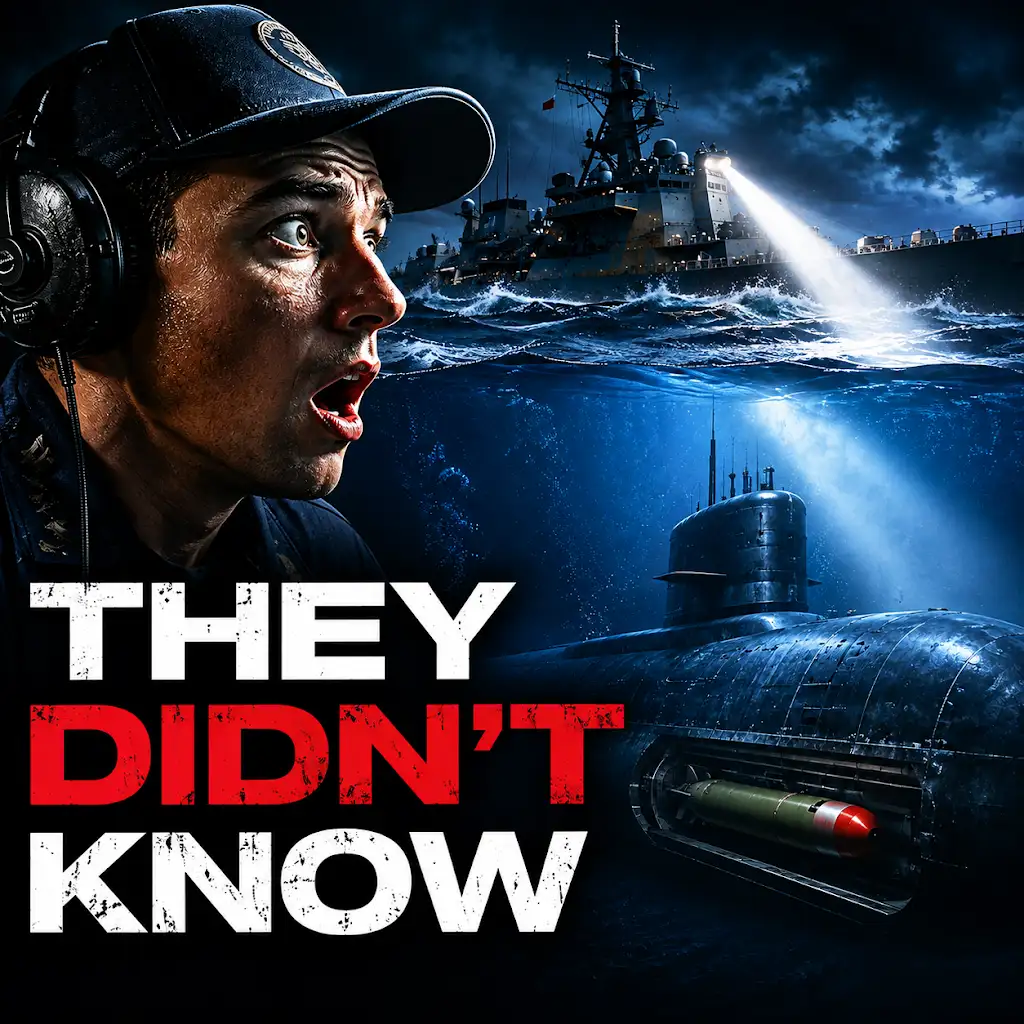
The U.S. Navy Didn’t Know This Submarine Had a Nuclear Torpedo
FAQs
What was the B-59 Soviet submarine?
The B-59 Soviet submarine was a nuclear-armed submarine that played a significant role in the Cuban Missile Crisis in 1962. It was one of four Foxtrot-class submarines sent by the Soviet Union to Cuba.
What was the B-59 submarine’s role in the Cuban Missile Crisis?
The B-59 submarine was involved in a tense standoff with the United States during the Cuban Missile Crisis. It was located by U.S. Navy forces and subjected to depth charging in an attempt to force it to surface.
Did the B-59 submarine have nuclear weapons on board?
Yes, the B-59 submarine was armed with nuclear torpedoes. During the Cuban Missile Crisis, the submarine’s captain, Vasili Arkhipov, played a crucial role in preventing the launch of these nuclear weapons, thereby averting a potential nuclear war.
What was the outcome of the B-59 submarine’s involvement in the Cuban Missile Crisis?
The B-59 submarine eventually surfaced and returned to the Soviet Union. The crisis was resolved through negotiations between the U.S. and the Soviet Union, with the removal of Soviet missiles from Cuba in exchange for a U.S. pledge not to invade the island.
How is the B-59 submarine remembered today?
The B-59 submarine and its crew are remembered for their role in the Cuban Missile Crisis and the potential nuclear catastrophe that was averted. The actions of Captain Vasili Arkhipov have been widely recognized as having prevented a nuclear war.