Assigning special operations missions is a complex and meticulously orchestrated process, a choreography of intelligence, strategy, and highly trained personnel. It is far from a spontaneous act; rather, it is the culmination of rigorous analysis, careful consideration, and the application of specialized expertise. This intricate dance ensures that the right operators, with the right skills and equipment, are deployed to achieve the most critical objectives, often in the most challenging environments.
The journey of a special operations mission begins not with a soldier, but with a problem. This problem, or more accurately, a recognized threat or opportunity, emerges from various sources within the national security apparatus. The need for specialized intervention is typically identified when conventional forces are deemed unsuitable due to the sensitivity, complexity, or extreme risk associated with the task.
Intelligence Gathering and Analysis
The bedrock of any special operations mission lies in comprehensive and accurate intelligence. This intelligence is not static; it is a continuously evolving picture of the operational environment, the adversary, and the potential consequences of action or inaction.
Human Intelligence (HUMINT)
Human intelligence remains a cornerstone of special operations. Sources embedded within or near the target environment provide invaluable, often nuanced, information. This can range from tactical details about enemy dispositions and capabilities to political and social dynamics that could impact mission success. HUMINT operatives often risk their lives to gather this vital data, operating under deep cover and employing sophisticated tradecraft.
Signals Intelligence (SIGINT)
The electromagnetic spectrum is a rich source of information. SIGINT intercepts communications, electronic signals, and other forms of electromagnetic emissions. This can reveal enemy plans, troop movements, and technological capabilities. Sophisticated decryption and analysis techniques are employed to transform raw signals into actionable intelligence.
Geospatial Intelligence (GEOINT)
Satellite imagery, aerial reconnaissance, and other geospatial data provide a visual understanding of the operational area. This allows for the identification of potential landing zones, routes, enemy strongholds, and the overall terrain. Advanced analytical tools can detect changes over time, highlighting new construction or troop movements.
Open-Source Intelligence (OSINT)
In the modern era, publicly available information plays an increasingly significant role. News reports, social media, academic papers, and even local pronouncements can offer clues about an adversary’s intentions, public sentiment, or potential vulnerabilities. OSINT analysts sift through this vast sea of data to identify patterns and anomalies that might otherwise be missed.
Threat Assessment and Opportunity Recognition
Once intelligence is gathered, it is rigorously analyzed to assess threats and identify opportunities. This involves understanding the nature of the threat, its potential impact, and the urgency of the situation.
Characterizing the Adversary
Understanding the enemy is paramount. This includes their leadership, organizational structure, training, equipment, doctrine, motivations, and typical operational patterns. Is the adversary a state actor with a sophisticated military, or a non-state actor with asymmetric tactics? The answer dictates the approach.
Evaluating the Operational Environment
The physical and human geography of the operational area is crucial. Factors such as terrain, climate, local populations, political stability, and existing infrastructure all influence mission planning and execution. A desert environment presents different challenges than a dense urban jungle or a remote mountainous region.
Identifying Gaps in Conventional Capabilities
Special operations forces are not a substitute for conventional military power, but rather a specialized tool. Their employment is justified when conventional means are insufficient or inappropriate. This might be due to the need for extreme discretion, the requirement for specialized skills, or the desire to minimize collateral damage.
Special operations missions are meticulously assigned based on a variety of factors, including the strategic objectives of the operation, the capabilities of the units involved, and the specific intelligence gathered about the target. For a deeper understanding of the processes and considerations that guide these assignments, you can explore the article on mission allocation in special operations at this link. This resource provides valuable insights into the complexities and decision-making frameworks that shape these critical military endeavors.
The Mission Statement: Defining the Objective
With the need clearly established and the operational context understood, the next critical step is to articulate the mission itself. This is not a vague directive, but a precise and unambiguous statement of what needs to be achieved.
The Purpose of the Mission
The purpose defines the overarching goal. Is it to disrupt a terrorist network, rescue hostages, gather critical intelligence, or conduct a precision strike? The purpose guides all subsequent planning and execution.
The Desired End State
The end state describes the conditions that will exist upon successful completion of the mission. It’s a vision of the “day after” the operation, outlining what success looks like and how it contributes to broader strategic objectives.
Specific, Measurable, Achievable, Relevant, Time-bound (SMART) Objectives
While the entire mission statement should be SMART, individual objectives within it are broken down into these criteria. Each objective must be clearly defined, its achievement quantifiable, feasible with available resources, directly related to the mission’s purpose, and assigned a realistic timeframe.
Task Force Formation and Selection: Assembling the Right Team
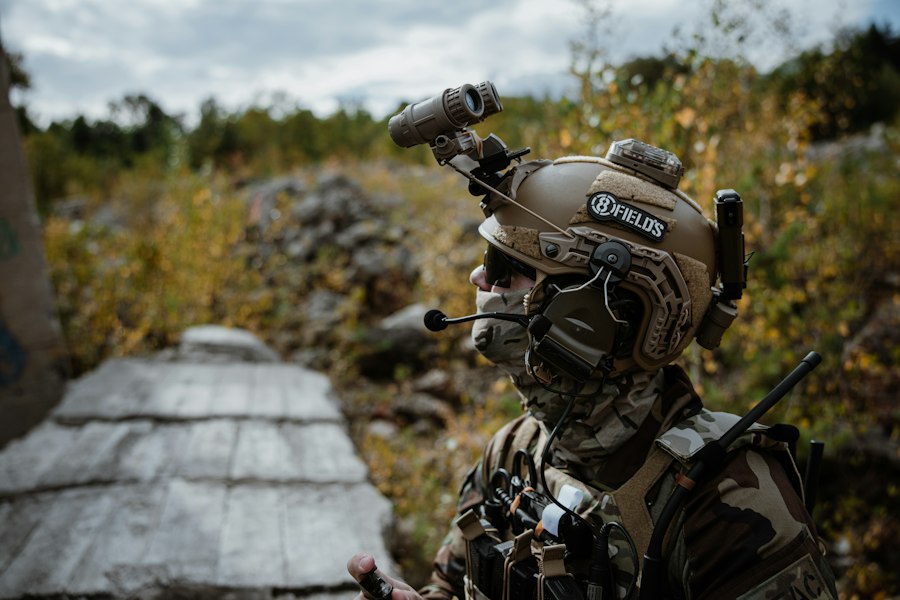
Once the mission parameters are defined, the focus shifts to assembling the most appropriate team to execute it. This is a critical phase, as the success of a special operations mission often hinges on the caliber and compatibility of its personnel.
Identifying Required Capabilities
The specific nature of the mission dictates the skill sets required. This might include expertise in close-quarters combat, intelligence gathering, direct action, special reconnaissance, unconventional warfare, demolitions, or medical support.
Selecting the Appropriate Unit
Special operations forces are organized into various units, each with its own specialization and operational focus. The selection of the unit is based on its inherent capabilities and its historical performance in similar missions. This could range from airborne special forces to naval special warfare operators.
Personnel Selection and Vetting
Beyond unit selection, individual operators are chosen based on their proven track record, experience, and psychological resilience. A rigorous vetting process ensures that individuals are not only technically proficient but also possess the judgment, maturity, and discretion required for high-stakes operations.
Augmentation and Interagency Support
Missions may require augmentation from other special operations units or specialized support from other government agencies. This could include intelligence analysts, linguists, cyber specialists, or even diplomatic personnel.
The Planning Cycle: From Concept to Execution
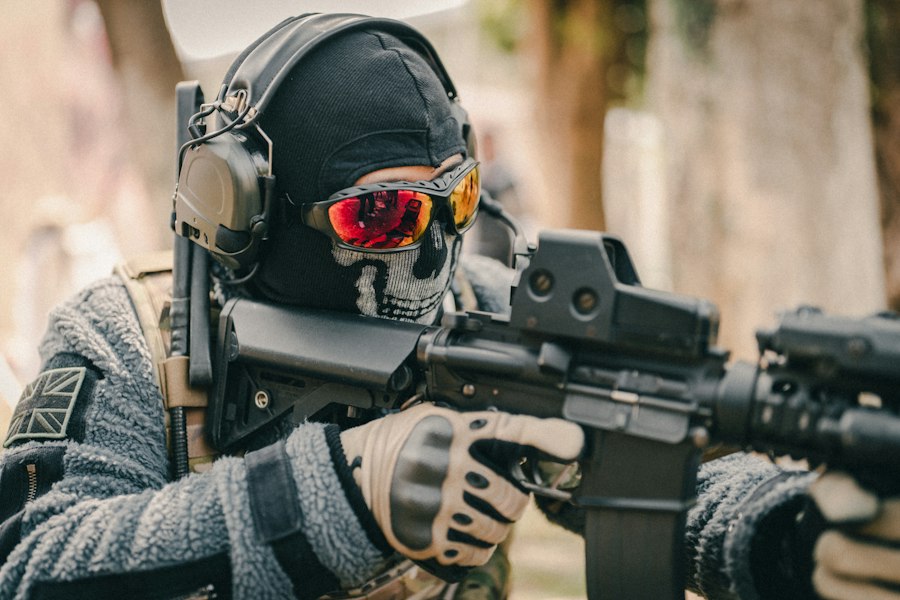
The planning phase is an iterative and highly collaborative process. It involves translating the mission statement into a detailed operational plan that accounts for every conceivable scenario.
Concept of Operations (CONOPS)
The CONOPS is a broad outline of how the mission will be accomplished. It describes the overall strategy, the sequence of major actions, and the key considerations. It’s the conceptual framework upon which the detailed plan is built.
Detailed Operations Plan (OPLAN)
The OPLAN is the most detailed document, encompassing every aspect of the mission. It includes tactical instructions, timelines, rules of engagement, communication plans, contingency operations, and logistical requirements.
Intelligence Preparation of the Battlefield (IPB)
This is a continuous process that involves the systematic analysis of the operational environment to determine the enemy’s capabilities, likely courses of action, and the impact of the terrain and weather on both friendly and enemy operations.
Risk Assessment and Mitigation
Every special operations mission carries inherent risks. A thorough risk assessment identifies potential dangers, quantifies their likelihood and impact, and develops mitigation strategies. This includes planning for casualty evacuation, force protection, and mission abort criteria.
Rehearsals and Simulations
To ensure proficiency and familiarize personnel with the plan, extensive rehearsals and simulations are conducted. These can range from tabletop exercises to full-scale, live-fire drills. The goal is to achieve synchronization and build confidence.
Contingency Planning
No plan survives contact with the enemy perfectly. Contingency planning accounts for “what-if” scenarios, outlining alternative courses of action should the primary plan encounter unexpected obstacles or changes in the operational environment.
Special operations missions are often assigned based on a combination of strategic priorities, intelligence assessments, and the specific capabilities of the units involved. For a deeper understanding of the factors that influence these assignments, you can explore a related article that delves into the intricacies of mission planning and execution. This insightful piece can be found at In the War Room, where you will discover how various elements come together to shape the success of special operations.
Mission Execution and Post-Mission Analysis: The Culmination and the Lesson
| Metric | Description | Typical Value/Range | Notes |
|---|---|---|---|
| Mission Request Source | Origin of the mission assignment request | Joint Command, National Command Authority, Theater Commander | Determines priority and scope of mission |
| Approval Time | Time taken from mission request to formal approval | Hours to days | Depends on mission urgency and complexity |
| Mission Priority Level | Classification of mission urgency | High, Medium, Low | High priority missions get expedited assignment |
| Unit Selection Criteria | Factors considered when assigning units | Expertise, availability, location, equipment | Ensures best fit for mission requirements |
| Assignment Lead Time | Time from assignment to mission execution | Hours to weeks | Varies based on mission type and preparation needed |
| Communication Channels | Methods used to assign and coordinate missions | Secure radio, encrypted digital networks, face-to-face briefings | Maintains operational security |
| Mission Reassignment Rate | Frequency of mission reassignments after initial assignment | Low (typically under 10%) | Reassignments occur due to changing conditions or intelligence |
The culmination of the entire process is the execution of the mission itself. However, the assignment of a special operations mission does not end when the operators return. A crucial phase of analysis follows to capture lessons learned and inform future operations.
Real-Time Adjustments and Commander’s Intent
During execution, commanders on the ground may need to make real-time adjustments to the plan based on evolving circumstances. These adjustments must remain aligned with the commander’s overall intent, ensuring that the core objectives are still being pursued.
Debriefing and Reporting
Upon completion of the mission, operators undergo extensive debriefings. This is where raw, on-the-ground information is collected, analyzed, and integrated into intelligence reports. Every detail, no matter how seemingly minor, can be crucial.
Lessons Learned and Doctrine Development
The debriefing information is used to identify what worked well, what did not, and why. This “lessons learned” process is vital for refining existing tactics, techniques, and procedures, and for developing new ones. It directly influences the evolution of special operations doctrine.
Strategic Review and Future Planning
The success or failure of a special operations mission also informs broader strategic reviews. It provides valuable insights into the effectiveness of intelligence, planning processes, and the capabilities of special operations forces. This feedback loop is essential for continuous improvement and ensuring that future missions are even more effective.
The assignment of special operations missions is a testament to the disciplined and professional nature of modern warfare. It is a process that prioritizes intelligence, meticulous planning, and the careful selection of personnel, all aimed at achieving critical objectives with surgical precision in the face of immense challenge. The dedication and skill involved in each step, from the initial flicker of an intelligence report to the final analysis of a mission’s outcome, underscore the vital role these specialized forces play in safeguarding national interests.
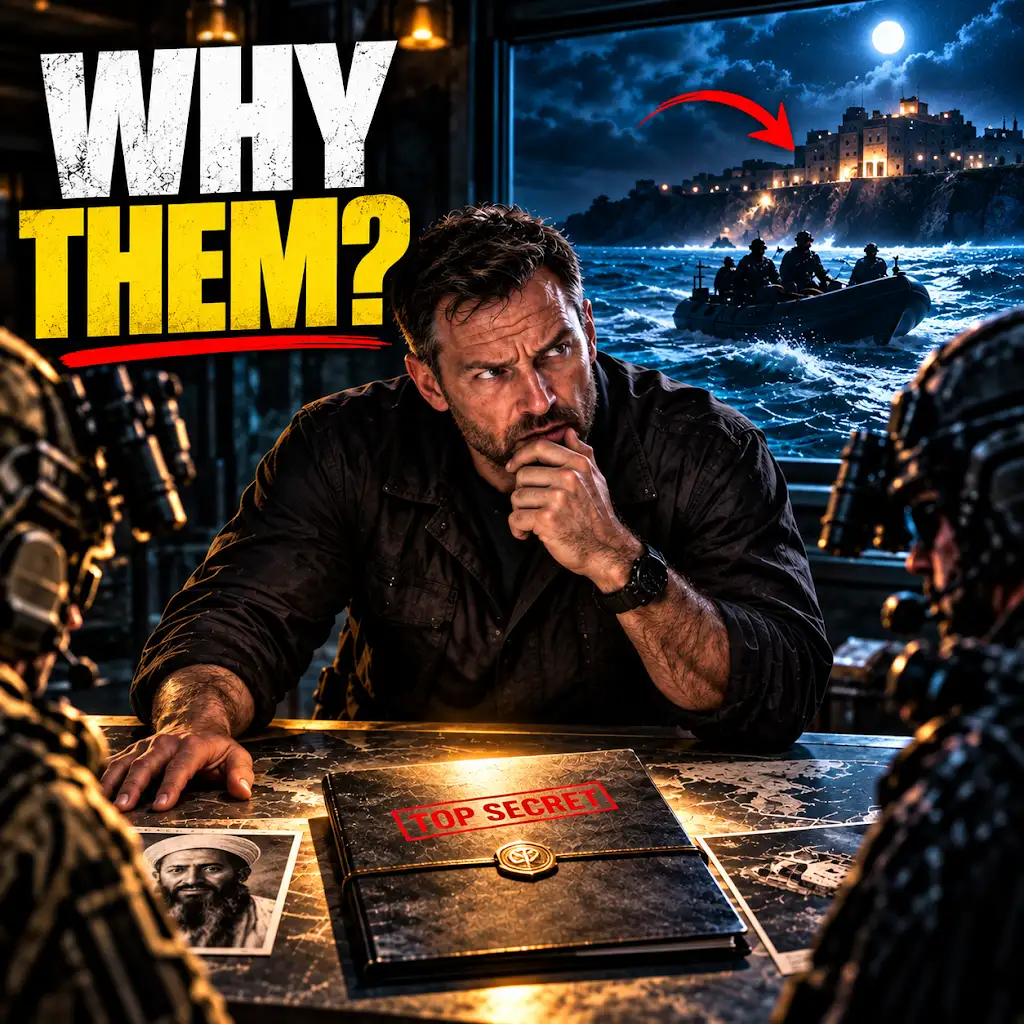
Why SEAL Team Six Got the Bin Laden Raid — Not Delta Force
FAQs
What are special operations missions?
Special operations missions are highly classified and specialized military operations carried out by elite forces to achieve specific objectives such as counterterrorism, unconventional warfare, and reconnaissance.
Who assigns special operations missions?
Special operations missions are typically assigned by high-ranking military officials within the special operations command, in coordination with other government agencies and departments.
How are special operations missions assigned?
Special operations missions are assigned based on a variety of factors, including the mission’s objectives, the capabilities of the special operations forces, intelligence gathered, and the overall strategic goals of the operation.
What factors are considered when assigning special operations missions?
Factors such as the level of threat, the political and diplomatic implications, the availability of resources, and the potential risks to the special operations forces are all taken into consideration when assigning special operations missions.
Can special operations missions be reassigned or modified during execution?
Yes, special operations missions can be reassigned or modified during execution based on changing circumstances, new intelligence, or unexpected developments on the ground. Flexibility and adaptability are key components of successful special operations missions.