
The Ardennes Offensive, forever etched in history as the Battle of the Bulge, stands as a pivotal and brutal confrontation during the closing stages of World War II. Launched by Nazi Germany on December 16, 1944, this desperate gamble aimed to split the Allied forces and recapture the vital port of Antwerp. What unfolded over the next six weeks was a brutal and bloody struggle in the snow-laden forests of the Ardennes, a region of Belgium and Luxembourg. Understanding this battle requires delving into its strategic context, the unfolding events, the harrowing experiences of those involved, and its ultimate, devastating consequences.
The Allied forces, having successfully landed in Normandy and pushed deep into Western Europe, were on the cusp of victory. By late 1944, Germany’s defeat seemed inevitable. However, Adolf Hitler, clinging to any shred of hope, conceived a daring and audacious plan. The Ardennes Offensive, codenamed Wacht am Rhein (Watch on the Rhine), was his last-ditch effort to reverse the tide of war.
A Shift in Momentum and Allied Complacency
Following the rapid Allied advance across France and Belgium in the summer and autumn of 1944, a sense of optimism and even complacency had begun to permeate Allied command. The focus was largely on pushing towards the German homeland, with defenses in the Ardennes sector considered relatively secure. This region, characterized by its dense forests, rugged terrain, and historically sparse military presence, was largely manned by American troops who were either inexperienced or recovering from previous combat. Allied intelligence had largely discounted the possibility of a major German offensive through this sector, assuming that German resources were depleted and their efforts would be concentrated on the Eastern Front.
Hitler’s Last Hope: Splitting the Allies and Reclaiming Antwerp
Hitler’s strategic objective was clear and, if successful, would have been catastrophic for the Allied cause. He intended to drive a wedge between the British and American armies in the west. The spearhead of the German attack was to be spearheaded by a massive armored thrust through the Ardennes, aiming for the vital port of Antwerp in Belgium. Capturing Antwerp would cripple Allied supply lines, forcing them to withdraw or face a logistical nightmare. This, Hitler believed, would demoralize the Western Allies, potentially leading to a negotiated peace favorable to Germany, or at least buying enough time to consolidate defenses and unleash new, more devastating weapons. The plan relied on speed, surprise, and the psychological shock of a massive, unexpected offensive.
The Imbalance of Forces and the Element of Surprise
Despite the Allies’ overwhelming material superiority, the initial German attack would benefit from a concentration of forces in a narrow sector. Hitler meticulously planned the offensive, carefully husbanding his remaining panzer divisions and air power. The element of surprise was paramount to the success of Wacht am Rhein. By launching the offensive in poor weather conditions, which grounded Allied air superiority, and by concealing the vast buildup of troops and armor behind the Ardennes’ natural defenses, the Germans aimed to catch the Allies completely off guard. This element of surprise was crucial, as it would allow the initial German thrust to penetrate deep before Allied reserves could be effectively deployed.
The Ardennes Offensive, also known as the Battle of the Bulge, was a significant World War II campaign that took place in late 1944 and early 1945. For a deeper understanding of this critical moment in history, you can explore a related article that delves into the strategies and outcomes of the offensive. This insightful piece provides a comprehensive analysis of the battle’s impact on the war and the lessons learned from it. To read more, visit this article.
The Dawn of the Offensive: A Shocking Onslaught
On December 16, 1944, under the cover of darkness and a thick blanket of fog and snow, the German offensive commenced. The attack caught the Allied defenders utterly by surprise, overwhelming them with a ferocity and scale that few had anticipated. The initial hours and days were marked by widespread chaos and a desperate struggle for survival.
The Initial German Push: Speed and Shock
The German offensive involved three armies, with the Sixth Panzer Army, Second Panzer Army, and Fifth Panzer Army tasked with breaking through Allied lines. Their objective was to achieve rapid breakthroughs and then exploit them with armored columns. The initial attacks focused on the thinly defended sectors of the Ardennes, where American troops, often young and battle-hardened, found themselves facing seasoned German panzer divisions. The sheer volume of artillery fire and the sight of massed tanks were enough to shatter the morale of some units, leading to hasty retreats and the collapse of defensive lines. The element of surprise was so complete that many American soldiers believed they were being subjected to a localized spoiling attack or a training exercise until the true scale of the offensive became apparent.
The Defense of Bastogne: A Symbol of Resistance
Among the most iconic and poignant moments of the Battle of the Bulge was the defense of Bastogne. This strategically important road junction became a focal point of the German advance. Surrounded by German forces, the American defenders of the 101st Airborne Division, along with elements of other units, fought tenaciously to hold the town. Under the command of Brigadier General Anthony McAuliffe, these soldiers, despite being outnumbered and undersupplied, refused to surrender. When a German surrender demand arrived, McAuliffe’s legendary one-word reply, “Nuts!”, encapsulated the defiant spirit of the defenders. The protracted defense of Bastogne, though costly, played a crucial role in disrupting the German timetable and ultimately contributing to their defeat.
The “Malmedy Massacre” and the Brutality of Warfare
The Battle of the Bulge was not only a test of military strategy and resilience but also a stark illustration of the brutality of modern warfare. The infamous “Malmedy Massacre” occurred on December 17, 1944, when Waffen-SS troops under Joachim Peiper’s command murdered approximately 84 American prisoners of war near Malmedy, Belgium. This act of savagery, though not representative of all German forces, sent shockwaves through the Allied ranks and further fueled their determination to fight. It underscored the darker aspects of the conflict and the depths of inhumanity that could be reached in the crucible of war.
The Allied Response: Grit, Reinforcements, and the Tide Turns

As the initial shock subsided and the scale of the German offensive became clear, the Allied command reacted with urgency and determination. The American forces, despite suffering initial setbacks, rallied, and reinforcements began to arrive, slowly but surely turning the tide of battle.
The American Resolve: Holding the Line and Counterattacking
Despite the initial disarray, the American soldiers proved to be remarkably resilient. Units that had been routed regrouped, and new formations were rushed to the front. The defense of key towns and crossroads, like those around Bastogne, became vital. The American infantry, often fighting in treacherous conditions with limited supplies, displayed incredible courage and tenacity. As the German advance faltered due to logistical problems and mounting casualties, American counterattacks began to emerge, slowly pushing back the German gains and creating a more stable front line. The sheer will to fight and the determination to prevent a German victory became a powerful force.
The Arrival of Reinforcements and Air Power
The Allied command, recognizing the gravity of the situation, redirected troops and resources from other sectors. The U.S. Third Army under General George S. Patton, famously rerouted from its advance towards the Rhine, played a pivotal role. Patton’s forces rapidly swung north, relieving besieged Bastogne and launching a relentless offensive that squeezed the German salient from the south. Crucially, as the weather improved, Allied air power once again became a decisive factor. Allied fighter-bombers wreaked havoc on German supply lines and armored columns, further crippling their offensive capabilities. The return of air superiority proved to be a turning point in the battle.
The Soviet Front and its Indirect Influence
While the Battle of the Bulge raged in the West, the Eastern Front remained active. The Soviet Union, under immense pressure from Germany, had been engaged in its own massive offensives. While not directly involved in the Ardennes fighting, the ongoing pressure on the Eastern Front meant that Germany could not fully commit its reserves to the Western offensive. The Soviets’ relentless advance, though costly, tied down significant German forces and prevented Hitler from redeploying them to bolster his desperate gamble in the West. This strategic pressure from the East played an indirect but important role in the ultimate failure of the Ardennes Offensive.
The Grueling Winter Conditions: A Third Combatant
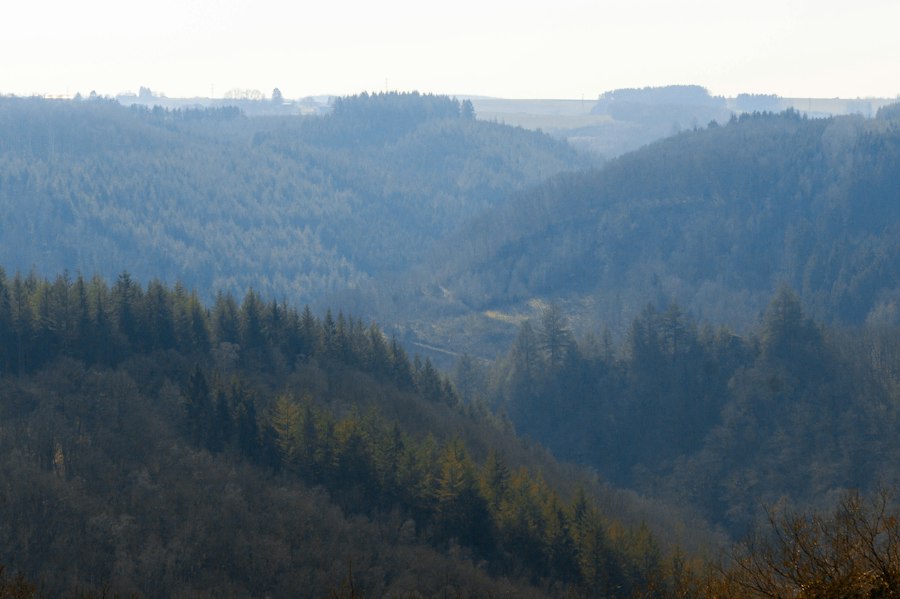
The battle was fought not only against an enemy army but also against the unforgiving elements of a harsh winter. The snow, ice, and freezing temperatures amplified the suffering of soldiers on both sides, presenting unique challenges and contributing to the ferocity of the conflict.
The Impact of Snow and Ice on Mobility and Logistics
The deep snow and icy roads severely hampered the movement of both men and machines. German tanks and vehicles, already facing fuel shortages, struggled to navigate the treacherous terrain. Allied supply lines, crucial for maintaining their operations, were also severely tested by the weather. The constant snow made it difficult to establish and maintain effective road networks, leading to delays in the delivery of essential supplies like ammunition, food, and medical equipment. The freezing temperatures also contributed to vehicle breakdowns and equipment failures.
The Soldier’s Plight: Cold, Hunger, and Disease
For the soldiers on the ground, the winter conditions were a relentless torment. Exposure to the extreme cold led to widespread cases of frostbite and hypothermia. Soldiers huddled together for warmth, their uniforms often inadequate for the brutal weather. The constant dampness and lack of proper sanitation contributed to the spread of diseases. Hunger was a persistent problem, especially for those cut off from supply lines. The psychological toll of fighting in such conditions, coupled with the constant threat of combat, created an atmosphere of immense suffering and hardship for all involved.
A Tactical Advantage and a Strategic Liability
The winter conditions initially played into the hands of the German attackers, as the poor weather grounded Allied air power, their primary advantage. This allowed the German armor to advance with less fear of aerial interdiction. However, as the battle wore on, the logistical challenges posed by the winter became a significant liability for the Germans. Their supply lines were stretched thin, and the harsh weather made resupply efforts incredibly difficult, ultimately contributing to the exhaustion of their resources and the stalling of their offensive.
The Ardennes Offensive, also known as the Battle of the Bulge, was a significant military campaign during World War II that showcased the resilience and strategic maneuvers of the Allied forces. For those looking to delve deeper into the complexities of this pivotal battle, a related article can provide valuable insights and analysis. You can explore more about the strategies employed and the outcomes of this fierce confrontation by visiting this informative article.
The Aftermath and Legacy: A Pyrrhic Victory and Lessons Learned
| Metric | Details |
|---|---|
| Operation Name | Ardennes Offensive (Battle of the Bulge) |
| Dates | December 16, 1944 – January 25, 1945 |
| Location | Ardennes Forest, Belgium and Luxembourg |
| Objective | Break through Allied lines to capture Antwerp and split Allied forces |
| German Forces | Approximately 200,000 troops, 1,000 tanks and assault guns |
| Allied Forces | Approximately 600,000 troops, including American, British, and Belgian units |
| Outcome | Allied victory; German offensive was halted and pushed back |
| Casualties (German) | Estimated 100,000 killed, wounded, or captured |
| Casualties (Allied) | Approximately 90,000 killed, wounded, or missing |
| Significance | Last major German offensive on the Western Front; depleted German resources significantly |
The Battle of the Bulge concluded in late January 1945, with the German offensive decisively repelled. While the Allies achieved a crucial victory, the cost in human lives and materiel was staggering, leaving a profound and lasting impact on the course of the war and the memories of those who fought.
Heavy Casualties and the High Price of Victory
The Battle of the Bulge was the largest and bloodiest battle fought by the United States in World War II, with American casualties exceeding 80,000, including approximately 19,000 killed. German losses were also substantial, with estimates ranging from 67,000 to over 100,000 killed, wounded, or captured. The scale of the fighting and the brutal nature of the combat resulted in immense suffering and loss of life for all involved. The victory, while essential, was achieved at a terrible human cost.
The Final Offensive and the Collapse of Nazi Germany
The failure of the Ardennes Offensive marked the final major German offensive on the Western Front. It depleted Germany’s remaining reserves of men and materiel, leaving them critically weakened and unable to mount further significant resistance. With the Allied forces now pushing towards Germany from the west and the Soviet Union advancing from the east, the collapse of Nazi Germany became inevitable. The Battle of the Bulge, in essence, accelerated the end of the war in Europe.
Enduring Lessons and the Memory of the Battle
The Battle of the Bulge offered several enduring lessons for military strategy and conduct. It underscored the importance of intelligence gathering, the dangers of complacency, and the critical role of maintaining robust supply lines, especially in challenging environments. Furthermore, the resilience and determination displayed by the Allied soldiers, particularly the American forces, became a testament to their courage and fighting spirit. The battle remains a significant chapter in military history, studied for its strategic complexities, its human drama, and its profound impact on the outcome of World War II. The sacrifices made in the frozen forests of the Ardennes continue to be remembered and honored.

Eisenhower Gave Montgomery 2 U.S. Armies—Then He Wanted More
FAQs
What was the Ardennes Offensive?
The Ardennes Offensive, also known as the Battle of the Bulge, was a major German offensive campaign on the Western Front during World War II. It took place from December 16, 1944, to January 25, 1945.
Where did the Ardennes Offensive take place?
The Ardennes Offensive primarily took place in the Ardennes forest region of Belgium, Luxembourg, and France. The German forces launched a surprise attack through the densely wooded Ardennes region, catching the Allies off guard.
What were the objectives of the Ardennes Offensive?
The main objectives of the Ardennes Offensive for the German forces were to split the Allied armies, capture the vital Belgian port city of Antwerp, and ultimately force the Western Allies to negotiate a peace treaty in favor of Germany.
What were the outcomes of the Ardennes Offensive?
Despite initial success and significant territorial gains by the German forces, the Ardennes Offensive ultimately failed. The Allies were able to regroup, counterattack, and push the Germans back, leading to heavy casualties on both sides.
How did the Ardennes Offensive impact the outcome of World War II?
The Ardennes Offensive was the last major German offensive on the Western Front during World War II. Its failure depleted German resources and manpower, hastening the end of the war in Europe. The Allies’ victory in the Ardennes Offensive played a crucial role in the eventual defeat of Nazi Germany.