The Critical Importance of Anti-Aircraft Rocket Testing
The development and deployment of anti-aircraft (AA) rocket systems represent a significant advancement in air defense capabilities. These sophisticated weapons are designed to neutralize airborne threats at various altitudes and speeds, playing a crucial role in protecting friendly forces and infrastructure from aerial attack. However, the transition from design blueprints to fully operational systems is a rigorous and complex process, heavily reliant on meticulous testing procedures. These procedures are not merely a formality; they are the bedrock upon which the reliability, effectiveness, and, most importantly, the safety of AA rocket systems are built. Without comprehensive and well-executed test protocols, the risks associated with manufacturing, handling, and deploying these potent weapons would be unacceptably high, potentially leading to catastrophic failures, unintended detonations, or the inability to perform their vital defensive mission. Therefore, a deep understanding of AA rocket test procedures, encompassing every stage from component validation to full-system integration and operational readiness, is paramount for engineers, technicians, military personnel, and all stakeholders involved in the air defense domain.
In recent discussions surrounding military advancements, the importance of rigorous testing procedures for anti-aircraft rockets has come to the forefront. A comprehensive article that delves into the intricacies of these test procedures can be found on In The War Room, which highlights the critical aspects of ensuring reliability and effectiveness in aerial defense systems. For more insights on this topic, you can read the article here: In The War Room.
Pre-Test Planning and Documentation: Laying the Foundation for Success
Before any physical component of an anti-aircraft rocket system is brought to the test range, an extensive period of planning and documentation takes place. This phase is critical for ensuring that all testing is conducted systematically, efficiently, and, above all, safely. It involves a multi-disciplinary approach, drawing expertise from engineering, safety, logistics, and operational planning. The thoroughness of this pre-test phase directly influences the quality of the data obtained and the overall success of the testing program. Without meticulous planning, test objectives may be unclear, resources misallocated, safety protocols overlooked, and valuable time and money wasted.
Defining Test Objectives and Scope
The initial step in pre-test planning is the clear and unambiguous definition of what the testing is intended to achieve. This involves identifying the specific performance metrics, operational parameters, and reliability targets that the AA rocket system must meet. Objectives can range from verifying the accuracy and range of the rocket itself to assessing the performance of the guidance system, the functionality of the launch platform, and the effectiveness of countermeasures against electronic warfare. The scope of the testing must be clearly delineated, specifying which components, subsystems, and integrated systems will be evaluated, under what environmental conditions, and with what level of fidelity. For instance, testing might be divided into component-level tests, subsystem integration tests, and finally, full-system live-fire exercises. Each level has its own specific objectives and limitations.
Developing Detailed Test Procedures and Protocols
Once the objectives are defined, detailed test procedures and protocols are meticulously drafted. These documents serve as the operational blueprints for every test conducted. They outline the step-by-step sequence of actions, the equipment required, the environmental conditions to be simulated or encountered, and the data to be collected. For AA rocket testing, this involves specifying parameters such as propellant ignition sequences, guidance system initialization, target acquisition algorithms, and rocket motor burn profiles. Crucially, these protocols also define the safety measures to be implemented at each stage, including exclusion zones, communication protocols, emergency response procedures, and the handling of ordnance. The development of these procedures requires close collaboration between design engineers, test engineers, safety officers, and operational units to ensure that the tests accurately reflect real-world scenarios and are conducted without undue risk.
Establishing Data Acquisition and Analysis Requirements
Effective testing is only valuable if the data generated can be accurately captured, analyzed, and interpreted. Therefore, pre-test planning must include the establishment of robust data acquisition systems and analytical methodologies. This involves specifying the types of sensors to be used, their placement, calibration requirements, and the recording capabilities. For AA rocket systems, this might include high-speed cameras, telemetry systems, radar tracking, strain gauges, and environmental sensors. The protocols will also detail how the raw data will be processed, the statistical methods to be employed for analysis, and the criteria for determining whether the system meets its performance specifications. The post-test analysis is where the success or failure of the system is determined, making the foresight in data acquisition paramount.
Resource Allocation and Scheduling
The successful execution of AA rocket test procedures requires significant resources, including specialized test facilities, personnel with specific expertise, and substantial logistical support. Pre-test planning involves identifying and allocating these resources effectively. This includes securing access to test ranges, ensuring the availability of qualified engineers, technicians, and safety personnel, and coordinating the transportation and handling of sensitive ordnance. A detailed schedule is developed, outlining the timeline for each phase of testing, including preparation, execution, and post-test analysis. This schedule must be realistic and account for potential delays due to weather, equipment malfunctions, or unforeseen safety concerns. Efficient resource allocation and scheduling are crucial for maintaining momentum and ensuring that the testing program stays within budget and on track for deployment.
Component and Subsystem Validation: Building Blocks of Reliability
The complexity of an anti-aircraft rocket system necessitates a phased approach to testing, beginning with the validation of individual components and then progressing to the integration and testing of subsystems. This granular approach ensures that each element of the system functions as intended before it is integrated into a larger, more complex assembly. This significantly reduces the risk of cascading failures and allows for more targeted troubleshooting when issues arise. Each component and subsystem undergoes rigorous testing to verify its performance against stringent specifications.
Rocket Motor and Propulsion System Testing
The heart of any rocket system is its motor, which provides the thrust to propel the projectile. The testing of AA rocket motors is a critical and potentially hazardous undertaking. It involves static firing tests to measure thrust, burn time, propellant consumption, and the stability of the combustion process. These tests are conducted in specialized, reinforced test cells designed to contain any potential failures. Advanced instrumentation is used to monitor factors such as chamber pressure, temperature, and exhaust velocity. Beyond static tests, propulsion systems may also undergo environmental testing to ensure they function reliably under extreme temperature variations, humidity, and vibration. The integrity of the casing, nozzle, and propellant formulation are all meticulously scrutinized.
Guidance, Navigation, and Control (GNC) System Verification
The effectiveness of an AA rocket largely depends on its ability to accurately track and intercept its target. Therefore, the Guidance, Navigation, and Control (GNC) system undergoes extensive validation. This involves testing individual sensors such as accelerometers, gyroscopes, and GPS receivers for accuracy and reliability. The integration of these sensors into the navigation system is then tested in simulated environments using hardware-in-the-loop (HIL) simulators. These simulators allow engineers to feed realistic sensor data into the GNC system and evaluate its ability to calculate position, velocity, and trajectory. Flight control surface actuators and their response to GNC commands are also rigorously tested to ensure precise maneuvering capabilities. This stage is crucial for ensuring the rocket can maintain its intended course and make necessary adjustments to intercept dynamic aerial targets.
Warhead and Fuze Functionality Testing
The lethality of an AA rocket is determined by its warhead and fuze. These components are subjected to rigorous testing to ensure they function correctly upon command and deliver the intended effect. Warhead testing involves evaluating the fragmentation pattern, blast effects, and penetration capabilities against representative targets. Fuze testing is equally critical, ensuring that the detonation mechanism operates reliably at the appropriate time or proximity to the target. This includes testing different fuze types, such as impact fuzes, proximity fuzes, and time-delay fuzes, under various environmental conditions and against different target signatures. Safety interlocks and arming sequences within the fuze are meticulously verified to prevent accidental detonation.
Airframe and Structural Integrity Testing
The airframe of an AA rocket must withstand significant aerodynamic forces during flight, as well as the stresses of launch and potential high-G maneuvers. Structural integrity testing involves subjecting the airframe to loads that simulate flight conditions, including vibration, flutter, and aerodynamic pressure. Materials used in the airframe are tested for their strength, fatigue resistance, and performance under extreme temperatures. Aerodynamic testing in wind tunnels is conducted to validate the rocket’s stability and control characteristics. This ensures that the airframe can maintain its structural soundness throughout the entire flight envelope.
Integrated System Testing: From Components to Coordinated Action
Once individual components and subsystems have been validated, the next crucial phase involves integrating these elements and testing them as a unified system. This stage is where the true performance and reliability of the AA rocket system are assessed in a more realistic operational context. The interactions between different subsystems are critical, and their coordinated functioning is essential for mission success.
Ground Integration and Functional Tests
Before any live firings, the fully assembled AA rocket system undergoes extensive ground integration and functional testing. This involves connecting all subsystems – the rocket, launch platform, fire control system, and any associated sensors – and verifying that they communicate and operate together seamlessly. Power-up sequences, system diagnostics, and pre-launch checks are performed. The fire control system is tested for its ability to acquire targets, track them, and issue launch commands. This includes simulating various target scenarios and evaluating the system’s response times, accuracy of targeting solutions, and the integrity of the launch sequence. Electronic warfare (EW) simulations are often employed at this stage to test the system’s resilience to jamming and other countermeasures.
Environmental and Environmental Stress Testing
AA rocket systems are designed to operate in a wide range of environmental conditions, from extreme heat and cold to high humidity and dusty environments. Therefore, integrated systems undergo rigorous environmental testing. This involves exposing the entire system, or representative assemblies, to controlled chambers that simulate these extreme conditions. Testing then proceeds to verify that all functions remain operational and that performance is not degraded. This can include vibration testing to simulate the shock of launch and flight, as well as exposure to salt spray, sand, and moisture to assess corrosion and sealing effectiveness. The goal is to ensure that the system can perform reliably in the harsh environments it is likely to encounter in operational deployment.
Live-Fire Testing and Evaluation (LIFTE)
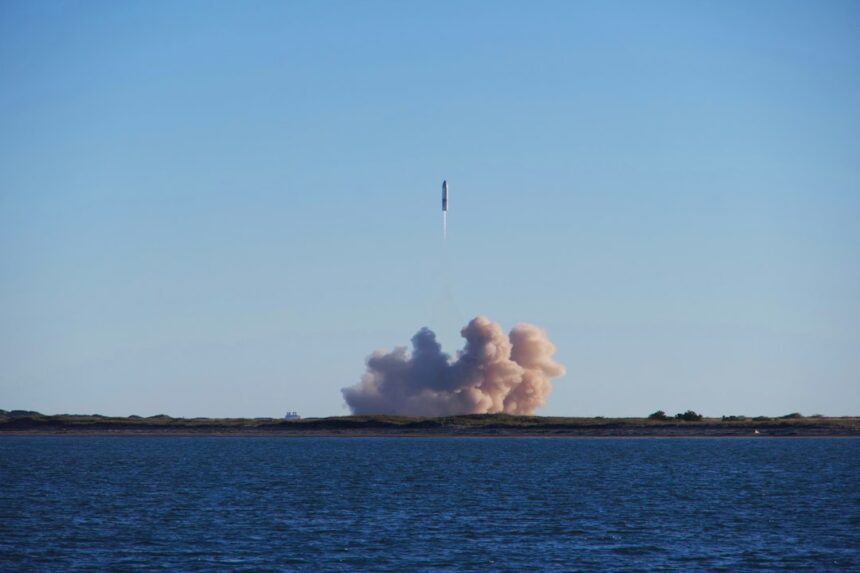
The ultimate validation of an AA rocket system comes through live-fire testing. This is a critical and resource-intensive phase where actual rockets are fired at designated targets. These tests are conducted at specialized ranges with strict safety protocols in place, including large exclusion zones and highly trained personnel. LIFTE aims to verify the system’s operational effectiveness, accuracy, and lethality in real-world scenarios. This involves firing at various types of targets, including drones, towed targets, and even simulated manned aircraft, under different engagement conditions (e.g., altitude, speed, aspect angle). Data collected from these firings includes telemetry from the rocket, radar tracking of the projectile’s trajectory, impact analysis, and post-engagement assessments of target destruction.
Reliability, Availability, Maintainability, and Durability (RAM-D) Testing
Beyond immediate performance, AA rocket systems must also demonstrate long-term reliability and maintainability. RAM-D testing focuses on assessing how well the system will perform over its intended lifespan, how easily it can be repaired, and how often it will require maintenance. This involves extended operational cycles, simulating years of use in a compressed timeframe. Accelerated life testing, where components are subjected to higher stress levels to simulate wear and tear, is often employed. Maintainability testing involves evaluating the ease and speed with which maintenance tasks can be performed by ground crews, including diagnostics, component replacement, and system recalibration. Durability testing assesses the system’s ability to withstand repeated use and environmental exposure without significant degradation in performance.
Recent advancements in military technology have led to more rigorous anti-aircraft rockets test procedures, ensuring that systems are both effective and reliable in real-world scenarios. For a deeper understanding of these testing protocols and their implications for national defense, you can read a related article that delves into the specifics of these procedures. This comprehensive analysis highlights the importance of thorough testing in maintaining air superiority and can be found here.
Safety Procedures and Risk Mitigation: Prioritizing Personnel and Assets
| Test Procedure | Description | Key Metrics | Measurement Units | Typical Values |
|---|---|---|---|---|
| Rocket Propulsion Test | Assessment of rocket motor thrust and burn duration | Thrust, Burn Time | kN (kilonewtons), seconds | 15-25 kN, 3-5 s |
| Guidance System Accuracy | Evaluation of rocket’s targeting precision | Miss Distance, Target Acquisition Time | meters, seconds | <5 m, <2 s |
| Warhead Detonation Test | Verification of warhead activation and blast radius | Detonation Time, Effective Radius | milliseconds, meters | <50 ms, 20-30 m |
| Environmental Stress Test | Testing rocket performance under extreme conditions | Operational Temperature Range, Humidity Tolerance | °C, % Relative Humidity | -40 to 60 °C, up to 95% |
| Flight Stability Test | Assessment of rocket trajectory and stability during flight | Deviation Angle, Spin Rate | degrees, RPM | <3°, 3000-5000 RPM |
Safety is not an afterthought in the testing of anti-aircraft rocket systems; it is an intrinsic and paramount consideration that permeates every aspect of the process. The inherent explosive nature of the ordnance, combined with complex mechanical and electronic systems, presents significant risks that must be meticulously managed. A comprehensive safety program, integrated from the earliest planning stages through post-test analysis, is essential to prevent accidents, protect personnel, and safeguard assets.
Ordnance Handling and Storage Protocols
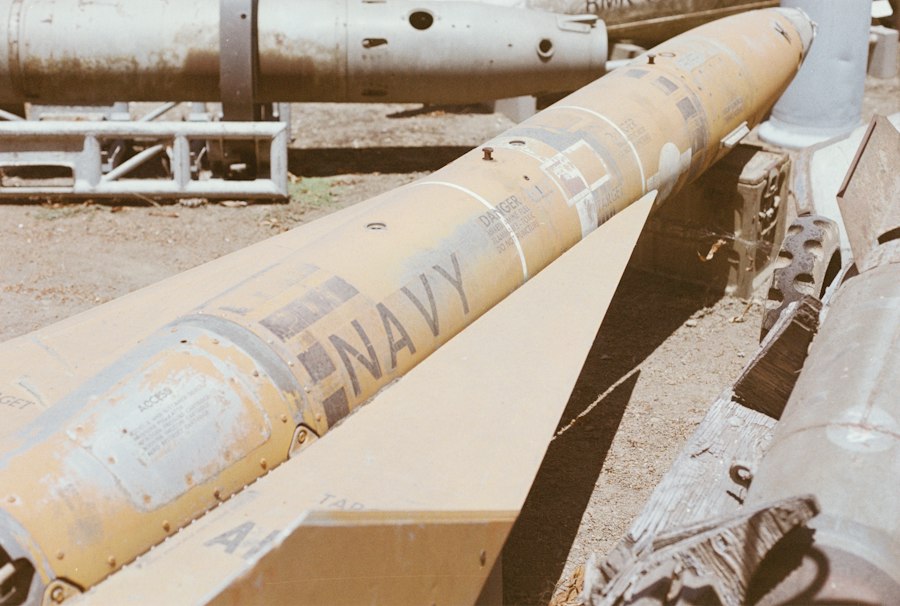
The safe handling and storage of AA rockets and their components are subject to stringent regulations and protocols. This begins with the transportation of live ordnance from manufacturing facilities to test sites. Specialized containers, vehicles, and trained personnel are required to minimize the risk of accidental detonation during transit. At the test site, dedicated, secure storage facilities are maintained, often with climate control and blast mitigation features. Strict procedures govern the movement of ordnance from storage to the launch area, including approved routes, escort requirements, and minimum personnel present. Access to storage areas is highly restricted, and detailed inventories are maintained to track every round.
Range Safety and Exclusion Zones
The live-fire testing of AA rockets necessitates the establishment of extensive safety zones around the test range. These exclusion zones are calculated based on the potential blast radius, fragmentation patterns, and the expected trajectory of test articles and any debris. Unauthorized personnel are strictly prohibited from entering these zones during testing operations. The establishment and enforcement of these zones are managed by dedicated range safety officers who have the authority to halt any activity that poses a risk to personnel or property. Communication systems are critical for ensuring that all personnel within and around the range are aware of testing activities and any potential hazards.
Emergency Response and Contingency Planning
Despite the most rigorous safety precautions, the possibility of unforeseen events, such as equipment malfunctions or accidental detonations, cannot be entirely eliminated. Therefore, comprehensive emergency response and contingency plans are developed and rehearsed. These plans outline the procedures to be followed in various emergency scenarios, including fires, explosions, and medical emergencies. They detail the roles and responsibilities of emergency response teams, the types of equipment to be used, and the communication channels to be employed. Regular drills and simulations are conducted to ensure that all personnel are familiar with their roles and can respond effectively and efficiently in a crisis.
Personal Protective Equipment (PPE) and Training
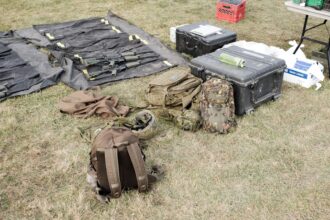
All personnel involved in the testing of AA rockets are required to wear appropriate personal protective equipment (PPE). This typically includes ballistic vests, helmets, safety glasses, hearing protection, and fire-resistant clothing, depending on the specific tasks being performed. Comprehensive training is provided to all personnel on safe operating procedures, ordnance handling, emergency response, and the proper use of PPE. This training is not a one-time event; it is ongoing, with regular refreshers and updates to ensure that personnel remain proficient and aware of the latest safety protocols. A culture of safety is actively fostered, encouraging individuals to report any unsafe conditions or practices without fear of reprisal.
Post-Test Analysis and System Improvement: Learning from Every Engagement
The conclusion of physical testing is not the end of the process; it marks the beginning of the crucial phase of data analysis, evaluation, and, most importantly, the application of lessons learned to improve the system. The insights gained from extensive testing are invaluable for refining designs, enhancing performance, and ensuring the continued safety and effectiveness of anti-aircraft rocket systems. This iterative process of testing and improvement is fundamental to the evolution of military technology.
Data Interpretation and Performance Evaluation
Following live-fire events and other test activities, the vast amounts of data collected are meticulously analyzed by engineering and test teams. This involves correlating sensor readings, flight path data, impact assessments, and any anomalies observed during the test. The data is compared against the predefined test objectives and performance specifications to determine whether the AA rocket system has met its requirements. Statistical methods are employed to identify trends, assess the variability of performance, and quantify the system’s reliability and accuracy. Any deviations from expected outcomes are thoroughly investigated to understand their root cause.
Failure Analysis and Root Cause Determination
When a test article fails to perform as expected, or when any component or subsystem malfunctions, a detailed failure analysis is initiated. This process involves a systematic investigation to identify the exact cause of the failure. This can include metallurgical analysis of fractured components, examination of electronic circuitry for defects, and simulation of the conditions that led to the failure. Understanding the root cause is essential for implementing effective corrective actions and preventing similar failures in the future. This often involves close collaboration between design engineers, manufacturing teams, and materials scientists.
Design Refinement and Iterative Development
The findings from data interpretation and failure analysis directly inform design refinements. Based on the performance evaluations and identified weaknesses, engineers will propose modifications to the rocket’s design, its propulsion system, guidance algorithms, or manufacturing processes. This iterative development cycle is fundamental to creating robust and effective weapon systems. For instance, if accuracy issues are identified, the guidance system’s software might be recalibrated, or aerodynamic surfaces might be redesigned. If a component shows premature wear, alternative materials or manufacturing techniques may be explored.
Documentation and Knowledge Transfer
All test results, analyses, and design modifications are meticulously documented. This comprehensive record serves as a valuable knowledge base for future development, production, and operational deployment. Technical reports, test summaries, and lessons learned documents are created and shared with relevant stakeholders, including design engineers, manufacturing personnel, and operational units. Effective knowledge transfer ensures that the insights gained from testing are leveraged to improve not only the specific AA rocket system under development but also to inform the design and testing of future generations of air defense technology. This continuous feedback loop is essential for maintaining a technological edge and ensuring the ongoing effectiveness of air defense capabilities.

The 1958 Space Nukes Meant to Destroy Soviet Missiles
FAQs
What are anti-aircraft rockets test procedures?
Anti-aircraft rockets test procedures are a series of steps and protocols followed to evaluate the performance, accuracy, and reliability of anti-aircraft rockets before they are deployed for operational use.
Why is it important to conduct test procedures on anti-aircraft rockets?
Conducting test procedures on anti-aircraft rockets is crucial to ensure that they function as intended, meet safety standards, and are effective in engaging and neutralizing aerial threats.
What are some common elements included in anti-aircraft rockets test procedures?
Common elements in anti-aircraft rockets test procedures may include static firing tests, live-fire exercises, accuracy assessments, reliability checks, environmental testing, and integration tests with other systems.
Who is responsible for overseeing anti-aircraft rockets test procedures?
Anti-aircraft rockets test procedures are typically overseen by military personnel, defense contractors, and experts in rocket technology to ensure that the tests are conducted accurately and the results are properly analyzed.
How do the results of anti-aircraft rockets test procedures impact their deployment?
The results of anti-aircraft rockets test procedures play a significant role in determining whether the rockets are ready for deployment in combat situations. Positive test results can lead to the approval for operational use, while negative results may require further modifications or retesting.