
Echoes of Duty: The Lingering Question of Paternity
The legacy of American military service is etched not only in the annals of history but also in the personal lives of countless individuals across the globe. While soldiers have always been lauded for their sacrifices and dedication, the story of the American GI often carries a more complex and deeply personal narrative, one intertwined with duty, separation, and the enduring question of paternal identity. For many, particularly those born in foreign lands to American servicemen and local women during periods of conflict, the absence of a father figure has been a lifelong quest. This pursuit, often fraught with emotional and logistical challenges, highlights the profound and often unintended consequences of military deployments on individuals and families separated by oceans and circumstance. The search for biological fathers, an undertaking that transcends borders and generations, speaks to a fundamental human need for connection, belonging, and understanding one’s roots.
Many American GIs have embarked on a poignant journey to uncover their biological roots, often leading them to search for their fathers who may have been involved in conflicts abroad. This quest for identity is explored in depth in the article “Finding Family: The Search for Biological Fathers Among American GIs” on In the War Room. For those interested in understanding the emotional and historical context of these searches, you can read the full article here: Finding Family: The Search for Biological Fathers Among American GIs.
The Global Landscape of Post-War Paternity

Throughout the 20th century, American military personnel were stationed in numerous countries for extended periods, often in close proximity to local populations. Conflicts like World War II, the Korean War, and the Vietnam War, as well as ongoing military presence in countries like Germany, Japan, and South Korea, created fertile ground for relationships to blossom, sometimes leading to unplanned pregnancies. These were not always casual encounters; many involved genuine affection and commitment, abruptly terminated by redeployments, military orders, or societal pressures. The women involved, often facing stigma or economic hardship, were left to raise children alone, with the father’s identity sometimes a cherished secret, a painful memory, or a matter of uncertainty.
The Vietnam War’s “Amerasians”
Perhaps one of the most poignant and widely recognized examples of this phenomenon is the plight of the “Amerasians” born during the Vietnam War. These children, often the product of relationships between American soldiers and Vietnamese women, faced immense hardship. Following the fall of Saigon in 1975, many of these children were ostracized by their Vietnamese communities, viewed as reminders of the war and associated with the defeated American presence. Their mixed heritage, a visible marker of their fathers’ nationality, often led to discrimination and a lack of opportunities. The Amerasian Homecoming Act of 1988 was a landmark piece of legislation that allowed thousands of these children, along with their mothers, to immigrate to the United States. However, the journey to America was often just the beginning of a new set of challenges, including cultural adjustment and, for many, the continued quest to locate their absent fathers.
Post-WWII Europe and Asia
Similar situations arose in the aftermath of World War II and during the subsequent occupation of Japan and Germany. American soldiers stationed in these countries formed relationships with local women, resulting in children who, years later, would embark on searches for their fathers. These searches often involved navigating different cultural norms, bureaucratic hurdles, and the inherent difficulty of tracing individuals who had returned to civilian life decades prior, potentially under different names or having moved on without leaving a trace. The emotional weight of these searches is immense, carrying the hope of newfound family, financial support, or simply a definitive answer to a lifelong question.
Navigating the Maze: Challenges in the Search
The path to finding a biological father who served in the American military is rarely straightforward. It is a journey fraught with obstacles, requiring patience, persistence, and a degree of luck. The sheer passage of time is a formidable adversary, as memories fade, records may be lost or destroyed, and individuals themselves may have passed away.
The Bureaucratic Labyrinth
For many, the first point of contact is often the military itself. However, accessing records can be a complex and frustrating process. Military record-keeping, while generally thorough, is subject to privacy regulations and the passage of time. Obtaining information about a service member requires specific details, such as their full name, service number, and approximate dates of service. Even with this information, records can be incomplete or difficult to retrieve, especially for individuals who served many decades ago. The National Archives and Records Administration (NARA) holds vast collections of military records, but the sheer volume and the process of requesting specific documents can be daunting. Privacy laws, such as the Privacy Act of 1974, often prevent the release of personal information without the consent of the individual or their next of kin, posing a significant barrier for those seeking information about deceased individuals.
Genealogical Tools and Private Investigators
In recent years, the rise of DNA testing and online genealogical databases has revolutionized the search for family. Services like Ancestry.com, 23andMe, and MyHeritage allow individuals to upload their DNA profiles and connect with relatives who share genetic markers. For those searching for a military father, these platforms can be invaluable. If a service member’s descendants have submitted DNA, a match could provide a direct link to the paternal lineage. However, the success of DNA testing is contingent on the presence of living relatives who have also tested. This is not always the case, especially if the service member had no other children or if their direct descendants are unaware of their family history.
When DNA and official records prove insufficient, many turn to private investigators who specialize in genealogical research and locate missing persons. These professionals possess the skills and resources to delve into public records, conduct interviews, and utilize a range of investigative techniques. While effective, this avenue can be costly, presenting a financial barrier for some individuals who may already be facing economic challenges.
The Emotional Toll of the Unknown
Beyond the logistical challenges, the emotional toll of the search is profound. Each unanswered question, each dead end, can be disheartening. There is the anxiety of not knowing who or what one will find – will the father be welcoming, or will there be rejection? There is also the potential for uncovering difficult truths about a father’s life, his circumstances, or his decisions. The search is not just for a name on a document; it is for a connection to one’s past, a sense of identity, and a piece of oneself. The anticipation, the hope, and the potential for disappointment create a powerful emotional landscape that underscores the significance of this quest.
The Unseen Impact: Societal and Personal Repercussions
The ramifications of these paternal absences extend far beyond the individual searches. They touch upon societal attitudes towards mixed-race children, the challenges faced by single mothers in different cultural contexts, and the broader implications of military deployments on families and communities.
Stigma and Discrimination
In many societies, children born out of wedlock, particularly those of mixed heritage, have historically faced significant stigma and discrimination. This was acutely felt by Amerasian children in Vietnam, who were often labeled as “bui doi” (dust of life) and denied basic rights and opportunities. In other contexts, the absence of a recognized father could lead to social exclusion and economic hardship for both mother and child. The American military presence, while sometimes fostering cross-cultural relationships, also left behind a legacy of complex social dynamics and often left local women and their children to navigate the consequences alone.
The Burden on Mothers
The responsibility of raising a child without paternal support is a formidable task, amplified by cultural and economic factors. Many mothers who had children with American GIs were left to fend for themselves, often facing financial instability and social judgment. They bore the brunt of raising children who were a constant reminder of a transient relationship, with limited recourse for support or recognition from the fathers or the military. Their resilience and determination in the face of such adversity are a testament to their strength, yet their stories are often overlooked in the broader narratives of military service.
The Evolving Landscape of Identity
For the children of these relationships, the absence of a paternal connection can shape their sense of identity. They may grapple with questions of belonging, trying to reconcile their dual heritage and understand where they fit in the world. The search for their fathers is often a search for this missing piece of their identity, a desire to understand the paternal side of their family tree and the experiences that shaped their fathers. This quest can lead to a deeper understanding of their own heritage and a stronger sense of self, regardless of the outcome of the search.
Many American GIs have embarked on a profound journey to reconnect with their biological fathers, often uncovering stories that span continents and decades. This search can be both emotionally challenging and rewarding, as it sheds light on personal histories that have been long obscured. For those interested in exploring the complexities of these searches, an insightful article can be found here, which delves into the experiences of veterans and their quests for identity.
Reclaiming a Narrative: Support and Advocacy
| Metric | Description | Typical Values/Examples |
|---|---|---|
| Number of Cases Reported | Estimated number of American GI biological father search cases initiated annually | 500 – 1,000 cases per year |
| Average Search Duration | Time taken from search initiation to successful identification or closure | 6 months to 2 years |
| Success Rate | Percentage of searches resulting in confirmed biological father identification | 40% – 60% |
| Common Search Methods | Techniques used in searches | DNA testing, military records, public archives, social media |
| Geographical Focus | Regions where searches are most commonly conducted | United States, Germany, South Korea, Japan, Philippines |
| Average Age of Searchers | Typical age range of individuals searching for their biological American GI fathers | 20 – 50 years old |
| Legal Challenges | Common legal issues encountered during searches | Privacy laws, military record access restrictions, paternity rights |
In recent years, there has been a growing recognition of the challenges faced by individuals searching for their military fathers. Various organizations and individuals have emerged to provide support, resources, and advocacy for those on this often-lonely journey.
Grassroots Movements and Online Communities
Online forums and social media groups have become vital hubs for individuals seeking their biological fathers. These communities offer a space for sharing experiences, exchanging information, and providing emotional support. Members often share tips on navigating military records, utilizing DNA testing, and connecting with others who have similar stories. These grassroots movements have created a sense of solidarity and have empowered individuals to feel less alone in their quests.
Dedicated Organizations and Activism
Several organizations are dedicated to assisting those searching for their fathers, particularly focusing on specific groups like Amerasians. These organizations often provide legal assistance, genealogical research support, and advocacy for policy changes that can aid in accessing records or facilitating reunions. Their work is crucial in raising awareness of the issue and ensuring that the voices of those affected are heard. Activism by these groups has played a role in the passage of legislation and the establishment of programs aimed at reuniting families separated by military deployments.
The Enduring Hope of Reunion
The ultimate goal for many is reunion – a chance to meet the father, share stories, and build a relationship. While not every search ends in a successful reunion, the act of searching itself can be transformative. It is a journey of self-discovery, of confronting the past, and of seeking answers that can bring closure and a greater understanding of one’s place in the world. The stories of those who have found their fathers, and even those who haven’t, contribute to a richer and more complex understanding of the human cost and enduring legacies of military service.
The Human Connection: Beyond Duty and Distance
The stories of American GIs searching for biological fathers are not merely tales of historical footnotes or bureaucratic challenges. They are deeply human narratives that underscore the universal desire for connection, identity, and belonging. The military, an institution built on duty, discipline, and separation, inevitably leaves behind ripples of personal consequence that extend far beyond the battlefield or the barracks. These are stories of mothers’ resilience, children’s determination, and the enduring power of hope in the face of profound absence.
The Legacy of Unintended Consequences
The presence of American soldiers across the globe, while often serving strategic geopolitical purposes, has undeniably led to unintended consequences that have shaped countless lives. The relationships formed, however fleeting or complex, have left an indelible mark. The children born from these unions are a living testament to these historical intersections, carrying within them a dual heritage and often a lingering question about their paternal lineage. Understanding these narratives is crucial for a complete picture of the impact of American foreign policy and military engagements.
The Universal Quest for Roots
At its core, the search for a biological father is a universal human quest. It is about understanding one’s origins, connecting with one’s past, and solidifying one’s sense of self. For those who have grown up without a father figure, or with a father whose identity was shrouded in mystery, this search can be an all-consuming endeavor. It is a testament to the deep-seated human need to know where we come from, to understand the circumstances of our birth, and to potentially forge a connection with a part of ourselves that has been absent.
A Call for Empathy and Understanding
The ongoing searches for biological fathers by individuals around the world serve as a powerful reminder of the personal stories often obscured by larger historical events. They call for empathy, understanding, and recognition of the complex human relationships that unfold in the wake of military deployments. By acknowledging and supporting these searches, societies can help to heal past wounds, foster a greater sense of closure, and ensure that the legacies of duty and sacrifice are understood in their full, multifaceted human dimension. The search continues, a quiet testament to the enduring power of human connection and the unwavering pursuit of identity.
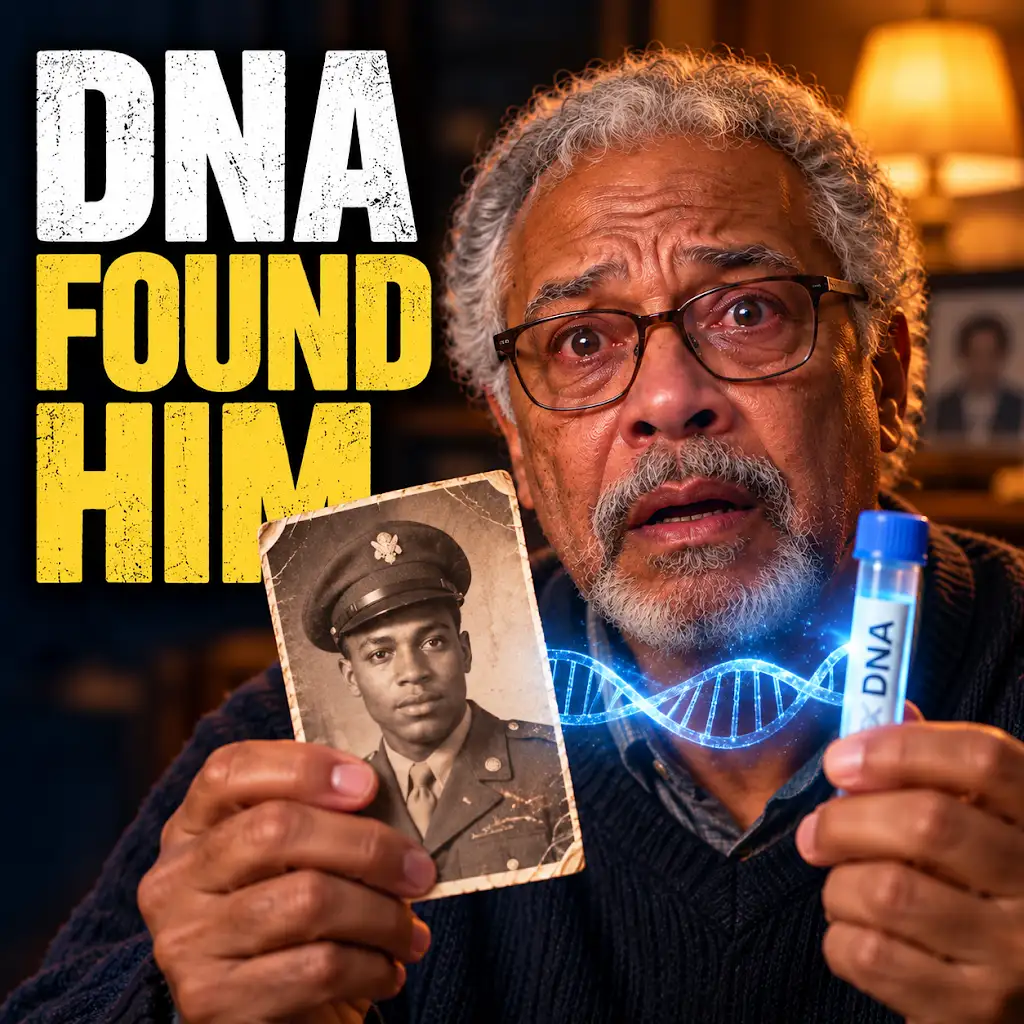
His WWII GI Father Was a Mystery for Nearly 80 Years
FAQs
What is the American GI biological father search about?
The American GI biological father search refers to the efforts made by individuals to locate their biological fathers who were American soldiers stationed overseas during military conflicts.
How do people typically begin their search for their American GI biological father?
People typically begin their search by gathering any information they have about their father, such as his name, unit, and the location where they were stationed. They may also utilize online databases, social media, and DNA testing services to help in their search.
What challenges do individuals face when trying to find their American GI biological father?
Some challenges individuals may face include limited information about their father, the passage of time leading to outdated records, language barriers, and the stigma associated with children born out of relationships with American soldiers.
Are there organizations or resources available to help individuals in their search for their American GI biological father?
Yes, there are organizations and resources dedicated to assisting individuals in their search for their American GI biological father. These include non-profit organizations, online forums, and DNA testing companies that specialize in helping individuals find their biological relatives.
What are some success stories of individuals finding their American GI biological father?
There have been numerous heartwarming stories of individuals successfully locating their American GI biological fathers after years of searching. These reunions often bring closure and a sense of identity to those involved, highlighting the importance of these searches.