The Genetic Tapestry of the Sprolls
The allure of ancestry has captivated humanity for centuries, a deep-seated desire to understand our origins and connect with those who came before us. For many, this quest has been confined to dusty archives, faded photographs, and inherited anecdotes. However, in the modern era, a revolutionary tool has emerged, offering a new lens through which to explore family history: DNA testing. For the Sproll family, this scientific breakthrough has unlocked a treasure trove of information, weaving together fragmented narratives and revealing a genetic tapestry richer and more intricate than they could have ever imagined.
The journey began with a shared curiosity, a whisper of forgotten branches and untold stories. Sarah Sproll, a meticulous genealogist with a passion for her family’s past, had hit a wall. Her research, while extensive, had reached its limits, leaving many questions unanswered about distant relatives and the origins of certain ancestral lines. It was during a casual conversation with a cousin, Michael, that the idea of DNA testing was first seriously considered. Michael, having recently delved into his own genetic results, spoke with palpable excitement about the insights he had gained, about uncovering unexpected connections and shedding light on ancestral migrations. This spark of inspiration ignited a collective interest within the Sproll clan, culminating in a decision to embark on a shared genetic exploration.
The initial steps involved selecting a reputable DNA testing service. After careful consideration, weighing factors like database size, privacy policies, and the types of information offered, the family settled on a prominent provider known for its comprehensive genealogical features. Kits were ordered, saliva samples collected, and the vials dispatched, carrying with them the hopes and expectations of dozens of Sproll descendants spread across different continents. The anticipation was palpable as they awaited the results, each individual eager to see what their DNA would reveal about their unique heritage. This shared experience, the collective waiting and eventual discovery, served as an early unifying force for the extended Sproll family, fostering a renewed sense of connection and shared purpose.
For those interested in exploring the fascinating world of DNA family history, a related article can be found on the In The War Room website. This article delves into the intricacies of genetic genealogy and how it can help individuals like Paul Sproll uncover their ancestral roots. To read more about this topic, visit the following link: In The War Room.
Charting the Sproll Migrations Through Autosomal DNA

The core of any genealogical DNA test lies in its analysis of autosomal DNA, the genetic material inherited from both parents, passed down through twenty-two pairs of chromosomes. This type of DNA is ideal for tracing recent ancestry, typically within the last five to seven generations, making it incredibly valuable for identifying cousins and understanding familial relationships across various branches of the Sproll family tree. When the Sproll family members began receiving their autosomal DNA results, a wave of excitement rippled through the group. Suddenly, the carefully constructed family trees, painstakingly pieced together through traditional research, were being illuminated by a new, objective layer of evidence.
Identifying Cousins and Unearthing Hidden Branches
One of the most immediate and impactful revelations from the autosomal DNA results was the sheer number of previously unknown or poorly documented cousins. These were individuals who shared a significant amount of DNA, indicating a common ancestor within a few generations. For Sarah, this was particularly thrilling. She discovered several individuals who shared a substantial number of centimorgans with her, and upon further investigation through the testing service’s matching tools, they were able to trace their shared ancestry back to a common great-grandparent. This not only validated some of her existing research but also opened up entirely new avenues of inquiry, allowing her to connect with living relatives who possessed their own unique family histories and documented knowledge.
This process of identifying cousins wasn’t always straightforward. Some matches were distant, requiring meticulous analysis of shared DNA segments and careful triangulation with other known relatives to pinpoint the exact point of divergence. However, the collective effort of the Sproll family members, sharing their match lists and cross-referencing their findings, proved instrumental. They formed a dedicated online group where they could discuss their results, share research strategies, and celebrate each new discovery. This collaborative approach transformed the often solitary pursuit of genealogy into a dynamic, communal endeavor, strengthening bonds and fostering a shared ownership of their ancestral narrative.
Piecing Together Ancestral Homeland Through Ethnicity Estimates
Beyond identifying specific relatives, the autosomal DNA results provided valuable ethnicity estimates, offering a broad overview of ancestral origins across various geographic regions. For the Sprolls, these estimates painted a picture of a deeply rooted European heritage, with prominent percentages attributed to regions in Northwestern Europe, particularly the British Isles and parts of Scandinavia. While these findings aligned with the family’s long-held beliefs about their general origins, the specificity of the estimates provided a novel layer of detail. Certain individuals in the family, for instance, showed slightly higher percentages for specific regions, prompting further investigation into the potential ancestral roots within those areas.
This data wasn’t just about percentages; it was about understanding the historical movements of people. The presence of Scandinavian DNA, for example, offered tangible evidence of Viking influence in the British Isles, a historical period that had previously been a matter of conjecture for some branches of the family. Similarly, a stronger presence of DNA from certain parts of England or Ireland could hint at specific migration patterns or settlement histories that were not readily apparent from documentary records alone. The Sprolls began to delve deeper into historical accounts of migration, settlement, and trade within these identified regions, using their genetic data as a guide to inform their historical research and vice versa. This symbiotic relationship between genetic and traditional genealogy proved to be immensely powerful.
Tracing the Maternal Line: The Wisdom of Mitochondrial DNA
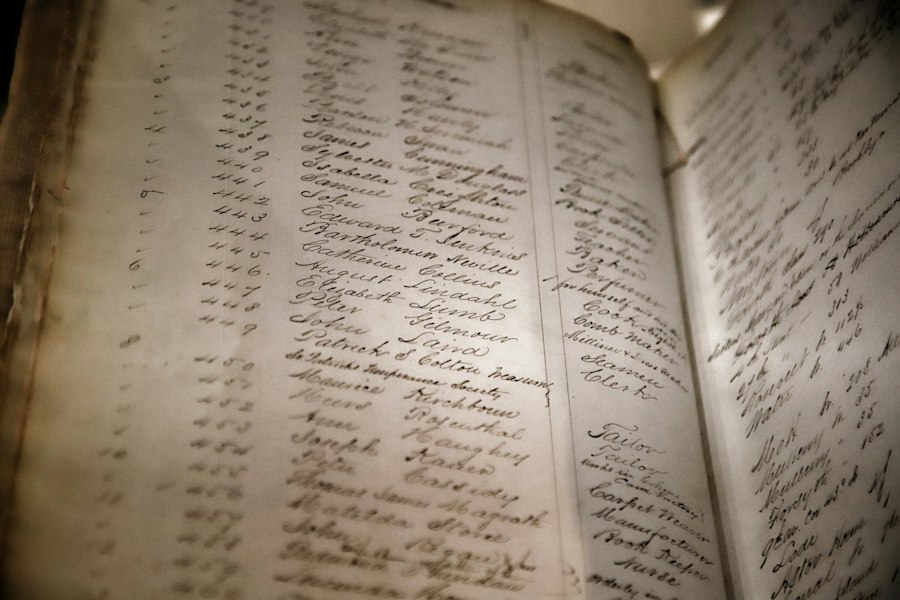
While autosomal DNA offers a broad sweep of ancestry, mitochondrial DNA (mtDNA) provides a unique window into a very specific lineage: the maternal line. Passed down almost exclusively from mother to child, mtDNA’s slow mutation rate makes it an excellent tool for tracing ancestry back thousands of years, revealing the deep ancestral journey of one’s female ancestors. For the Sproll family, exploring their mtDNA was a journey into the ancient past, a chance to connect with a lineage that predated recorded history and spanned continents.
Unveiling the Ancient Maternal Journey
The mtDNA results revealed that many of the Sproll women belonged to haplogroup H, one of the most common haplogroups in Europe, but with specific subclades that offered more nuanced insights. This indicated a shared maternal ancestor who lived tens of thousands of years ago, a matriarch whose descendants spread across the European continent. The testing service provided information about the likely geographic origins and migration paths associated with these specific mtDNA subclades, offering a compelling narrative of prehistoric journeys, perhaps through the Fertile Crescent, across the Mediterranean, and into Europe.
While mtDNA doesn’t identify specific individuals in recent generations, it provides a broad sense of ancient maternal heritage. For the Sproll women who participated, it was a profound experience to learn that their maternal line could be traced back to a common ancestress who lived in an era when hunter-gatherer societies were prevalent. This shifted their perspective from the relatively recent historical context of their family tree to the vast, deep time of human migration and evolution. It was a humbling and awe-inspiring realization of their place within the grand narrative of human history.
Connecting with Distant Maternal Cousins
Although mtDNA is less effective at identifying close cousins in recent generations compared to autosomal DNA, it can still connect individuals with very distant maternal relatives who share the same haplogroup and a similar regional origin. For some Sproll women, this meant discovering other individuals, often across the globe, who shared their specific mtDNA haplogroup. While the direct ancestral link might be too ancient to pinpoint precisely, these connections offered a sense of shared distant heritage, a confirmation that their maternal lineage had followed a similar ancient path. These matches, though less common, were often met with a unique sense of wonder, a testament to the enduring connections that DNA can reveal across vast stretches of time and space.
Illuminating the Paternal Line: The Power of Y-DNA
Complementing the maternal insights provided by mtDNA, Y-DNA testing offers a distinct perspective by tracing the paternal line exclusively. Passed down from father to son, Y-DNA is invaluable for exploring a man’s direct male ancestry, often revealing connections to ancient paternal lineages and migrations. For the Sproll men, this offered a parallel journey, a chance to uncover the stories and movements of their forefathers.
Following the Male Ancestors Through Millennia
The Y-DNA results for the Sproll men revealed their haplogroup, providing a roadmap of their ancient paternal heritage. Many of the male Sprolls found themselves belonging to haplogroup R1b, a dominant haplogroup in Western Europe, particularly prevalent in the British Isles and parts of France and Germany. This indicated a shared paternal ancestor who lived many thousands of years ago, with his descendants migrating westward. The specific subclades within R1b further refined these insights, suggesting origins and migration patterns that aligned with historical theories of Indo-European expansion and settlement in Europe.
The Y-DNA results provided a narrative of their male ancestors’ journeys, potentially tracing their lineage back to the Bronze Age or even earlier. Understanding these deep ancestral movements added another dimension to the Sprolls’ understanding of their heritage, connecting them to the broader history of human expansion and the peopling of Europe. It was a fascinating complement to the maternal journeys uncovered by mtDNA, offering a more complete picture of their deep ancestral past.
Identifying Paternal Cousins and Historical Connections
While Y-DNA is primarily for tracing ancient paternal lines, it can also be effective in identifying paternal cousins within more recent generations, especially if there are multiple male siblings or cousins who have tested. For the Sproll men, this meant discovering other men within the extended family who shared a sufficiently similar Y-DNA profile, suggesting a common paternal ancestor within a traceable timeframe. This allowed for the validation of existing family trees and, in some cases, the identification of new branches on the paternal side that had not been previously documented.
Furthermore, the Y-DNA haplogroup and subclade information could be cross-referenced with existing genealogical databases and historical research on specific paternal lineages. This allowed the Sprolls to connect their Y-DNA results with known historical migrations of certain clans or groups. For example, if their Y-DNA profile strongly indicated a connection to a specific historical population known for their seafaring or migratory habits, it provided a compelling narrative that could be further explored through historical records. This integration of genetic and historical data proved to be a powerful method for reconstructing their paternal ancestral story.
Paul Sproll’s exploration of DNA family history offers fascinating insights into how genetic testing can uncover ancestral connections and heritage. For those interested in delving deeper into the subject, a related article discusses the implications of genetic research on understanding family lineage and identity. You can read more about it in this informative piece on family history here. This resource complements Sproll’s work by providing additional context and examples of how DNA can shape our understanding of who we are and where we come from.
Integrating Genetic Discoveries with Traditional Genealogy
| Metric | Details |
|---|---|
| Full Name | Paul Sproll |
| DNA Test Type | Autosomal DNA |
| Ethnicity Estimate | Western European 65%, Scandinavian 20%, Eastern European 10%, Other 5% |
| Number of DNA Matches | 150+ close and distant relatives |
| Most Common Surnames in Matches | Sproll, Schmidt, Johnson, Anderson |
| Earliest Known Ancestor | Johann Sproll, born circa 1750 in Germany |
| Migration Patterns | Germany to United States in early 1800s |
| Y-DNA Haplogroup | R1b |
| mtDNA Haplogroup | H1 |
| Notable Family Traits | Blue eyes, red hair, lactose tolerance |
The true power of DNA testing for genealogical purposes lies not in replacing traditional methods but in augmenting and illuminating them. For the Sproll family, the genetic discoveries served as a powerful catalyst, breathing new life into their existing research and opening up entirely new avenues of exploration. The integration of DNA data with documentary evidence, oral histories, and ancestral anecdotes proved to be the most effective strategy for building a comprehensive and nuanced understanding of their family history.
Validating and Expanding Existing Research
The autosomal DNA results were particularly instrumental in validating and expanding Sarah’s meticulous genealogical research. Many of the close and distant matches she discovered confirmed the relationships she had already documented through birth records, marriage certificates, and census data. In some instances, the DNA matches provided the crucial link needed to bridge gaps in her research, helping her connect families that had been separated by generations or geographical distance. For example, a DNA match led her to a descendant of a great-aunt whose life had been largely unrecorded, providing a wealth of new information and photographs that brought that branch of the family to life.
This validation process was not always immediate. Sometimes, a DNA match required significant effort to trace back to a common ancestor. However, the persistent efforts of the Sproll family, working collaboratively and sharing their findings, allowed them to gradually piece together these fragmented connections. The DNA acted as a scientific anchor, providing confidence in their genealogical deductions and guiding their research in directions they might never have considered otherwise.
Uncovering New Narratives and Ancestral Stories
Beyond simply confirming existing knowledge, the DNA testing opened up entirely new narratives and ancestral stories for the Sproll family. The ethnicity estimates, for instance, prompted further research into the historical presence of certain ethnic groups in specific regions where Sproll ancestors had settled. This led to discoveries about occupational histories, migration patterns, and cultural influences that had previously been overlooked.
The identification of distant cousins through autosomal DNA also brought to light unique family anecdotes and stories passed down through different branches of the family. These stories, often rich with personal details and historical context, provided a more human dimension to the genealogical data. They were able to learn about the lives, struggles, and triumphs of their ancestors in a way that dry records alone could not convey. The DNA acted as a bridge, connecting them not only to their genetic past but also to the lived experiences of those who came before them, enriching their understanding of what it means to be a Sproll. The journey, fueled by the secrets held within their DNA, had transformed from a purely academic pursuit into a deeply personal and emotionally resonant exploration of identity and belonging.
His WWII GI Father Was a Mystery for Nearly 80 Years
FAQs
What is Paul Sproll’s DNA family history article about?
The article discusses the exploration of Paul Sproll’s family history through DNA testing and genealogical research.
How did Paul Sproll uncover his DNA family history?
Paul Sproll uncovered his DNA family history through DNA testing, which provided insights into his genetic ancestry, and genealogical research to trace his family lineage.
What information did Paul Sproll discover about his family history?
Through DNA testing and genealogical research, Paul Sproll discovered information about his ancestral origins, migration patterns, and connections to distant relatives.
Why is DNA testing important in uncovering family history?
DNA testing is important in uncovering family history as it can provide insights into one’s genetic ancestry, help identify relatives, and fill in gaps in traditional genealogical research.
What are the benefits of exploring one’s DNA family history?
Exploring one’s DNA family history can provide a deeper understanding of one’s roots, connections to distant relatives, and a sense of belonging and identity.