The oppressive shadow of the Iron Curtain had fallen across Europe, and nowhere was its chilling grip felt more acutely than in the divided city of Berlin. In the summer of 1948, as the Soviet Union tightened its stranglehold, the Western sectors of this beleaguered metropolis found themselves facing an existential crisis. The infamous Berlin Blockade, initiated by the Soviets on June 24th, was a stark and brutal attempt to force the Western Allies out of the city, effectively severing all land and water routes that supplied over two million civilians and the Allied garrisons with essential goods. In the face of this audacious act of aggression, humanity’s ingenuity and resilience were put to the ultimate test, giving rise to one of the most remarkable logistical and humanitarian achievements of the 20th century: the Berlin Airlift, or “Luftbrücke” as it came to be known by the Germans.
The post-World War II division of Germany, and Berlin in particular, was a complex consequence of Allied victory. The victorious powers – the United States, Great Britain, France, and the Soviet Union – agreed to divide Germany into four occupation zones. Berlin, situated deep within the Soviet zone, was similarly divided into four sectors. This arrangement, born of necessity and wartime alliance, quickly dissolved as ideological differences hardened and the Cold War began to thaw the fragile post-war peace.
The Potsdam Conference and the Seeds of Discord
The Potsdam Conference in 1945, while ostensibly about the future of post-war Europe, highlighted the growing chasm between the Soviet Union and the Western Allies. Discussions over reparations, political administration, and the eventual reunification of Germany revealed irreconcilable visions. The Soviets, ravaged by war, sought to extract as much as possible from Germany to rebuild their own devastated infrastructure and to create a buffer zone of friendly socialist states. The Western Allies, particularly the United States, aimed for a stable, democratic, and economically viable Germany that could act as a bulwark against Soviet expansion.
The Currency Reform and the Soviet Ultimatum
The immediate trigger for the blockade was the Western Allies’ decision to introduce a new currency, the Deutsche Mark, into their zones of occupation in West Germany and West Berlin on June 20th, 1948. This currency reform was a crucial step towards economic recovery and integration with the Western economic bloc. However, from the Soviet perspective, it was an unacceptable imposition that consolidated the division of Germany and undermined their influence. In response, the Soviets promptly halted the introduction of the new currency in their zone and, within days, severed all rail, road, and canal traffic between West Germany and West Berlin. The Allied military governors in Berlin were presented with a stark ultimatum: withdraw from Berlin or face starvation.
During the Berlin Airlift, planes played a crucial role in sustaining the city’s population during a critical period of post-war recovery. This operation not only provided essential supplies but also symbolized the resilience and determination of the Allied forces to support West Berlin against the Soviet blockade. For a deeper understanding of the significance of this historical event, you can read more in the related article found here: Berlin Airlift: How Planes Kept the City Alive.
The Impossibility of Conventional Supply: A City on the Brink
The blockade plunged West Berlin into a precarious situation. The city, with its population of over two million, relied almost entirely on land and water routes for its sustenance. Food, fuel, raw materials, and all other necessities were transported via a limited number of rail lines, highways, and the Havel Canal. The Soviet blockade effectively choked off these vital arteries, leaving the inhabitants of West Berlin facing a bleak future.
Rationing and the Specter of Hunger
The initial response was immediate rationing. Supplies dwindled rapidly, and the specter of widespread hunger loomed large. The Western Allies, though caught off guard by the ferocity of the Soviet action, were determined not to abandon the city. However, the logistical challenge of supplying a major metropolitan area solely through overland routes, under constant Soviet threat, was immense. The Soviets, confident that they could starve the Western powers out of Berlin, believed their gamble would pay off.
The Question of Military Intervention: A Risky Proposition
The option of a military breakthrough was considered, but it was fraught with peril. A convoy attempting to force its way through Soviet-controlled territory would likely have resulted in armed conflict, potentially escalating into a full-blown war between the superpowers. Given the global geopolitical climate, such a confrontation was a risk neither side was entirely willing to take, at least not initially. This left the Western Allies in a desperate search for an alternative solution, one that could sustain a city of millions without resorting to direct military confrontation.
The Birth of the “Rosinenbomber”: An Unconventional Solution
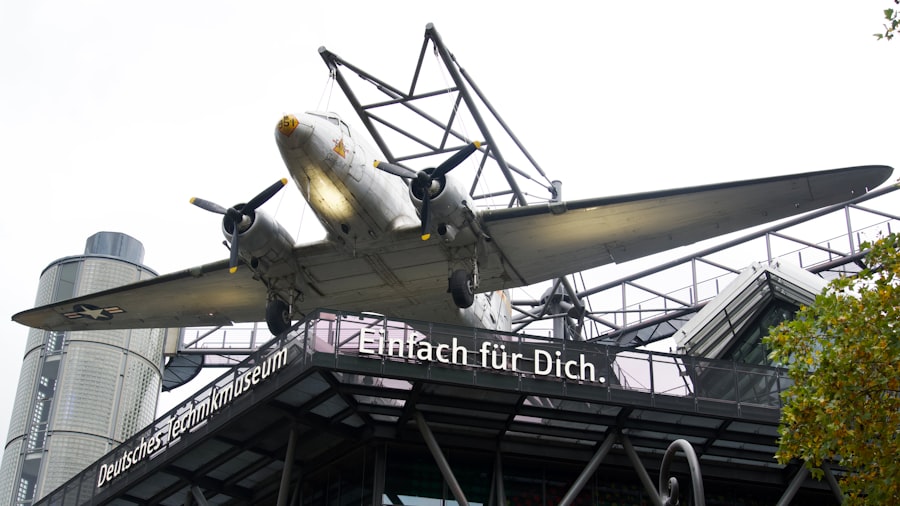
It was in this atmosphere of grim determination and desperate innovation that the audacious plan for a massive airlift was conceived. The idea of supplying Berlin by air was not entirely new; the Allies had experimented with limited air drops during the war. However, the scale required to sustain an entire city was unprecedented and, to many, seemingly impossible. Nevertheless, the logistical wizards of the Allied air forces, particularly the United States Air Force (USAF) and the Royal Air Force (RAF), rose to the challenge.
The Herculean Task of Air Transport
The initial thought was that a few flights a day might suffice. However, as the blockade dragged on, it became clear that a sustained, massive operation was required. This meant mobilizing hundreds of aircraft, thousands of personnel, and a complex logistical network to ensure a constant flow of vital supplies. The aircraft available were primarily cargo planes like the Douglas C-47 Skytrain (Dakota) and the larger Douglas C-54 Skymaster. These planes, though capable, were not designed for the sheer volume of goods that needed to be transported.
Operation Vittles and Operation Plainfare: The Codename for Hope
The American operation was codenamed “Operation Vittles,” while the British called their efforts “Operation Plainfare.” Together, these two endeavors formed the backbone of the Berlin Airlift. The objective was not just to deliver food and fuel, but also medical supplies, raw materials for industries, and even vital equipment for the city’s infrastructure. Every kilogram mattered, and the aircrews worked tirelessly under immense pressure.
The Unseen Effort: Infrastructure, Personnel, and the Human Factor

The success of the Berlin Airlift was not solely dependent on the aircraft themselves; it was a testament to the meticulous planning, the dedication of countless individuals, and the rapid development of supporting infrastructure. The logistical challenge extended far beyond simply loading planes and flying them to Berlin.
The Airports: Pillars of the Sky-Bridge
Two primary airports served as the gateways for the airlift: Tempelhof in the American sector and Gatow in the British sector. A third airport, Tegel, located in the French sector, was rapidly expanded and became operational later in the airlift. These airports were transformed into bustling hubs of activity, working around the clock. Runways were extended, hangars were converted into storage facilities, and intricate systems for loading and unloading were put in place. The constant drone of engines became the soundtrack of life in Berlin.
The Pilots and Crew: Courage Above the Clouds
The pilots and crews of the airlift were the heroes of this operation. They flew in all weather conditions, navigating through congested air corridors, often with limited visibility and under the constant threat of Soviet harassment. They flew multiple sorties a day, day in and day out, facing fatigue and immense responsibility. Their dedication and courage were the bedrock of the airlift’s success. Many of them were young men, far from home, who understood the profound significance of their mission.
The Ground Crews and Support Staff: The Unsung Heroes
Beyond the cockpit, a vast network of ground crews, mechanics, air traffic controllers, and administrative personnel worked tirelessly to keep the planes flying. They loaded and unloaded cargo, maintained the aircraft, managed air traffic, and ensured that every aspect of the operation ran smoothly. Their unseen efforts were just as vital as the pilots’ courage. They were the silent engines of this extraordinary undertaking.
During the Berlin Airlift, planes played a crucial role in sustaining the city during a time of crisis, ensuring that essential supplies reached its residents. This remarkable operation not only showcased the resilience of the people of Berlin but also highlighted the strategic importance of air transport in modern warfare. For a deeper understanding of this pivotal event, you can read more in the article on the topic at In the War Room, which explores the challenges and triumphs faced during this historic airlift.
The Impact on Berliners: Resilience in the Face of Adversity
| Year | Number of flights | Tons of supplies delivered | Number of people supported |
|---|---|---|---|
| 1948 | Over 200,000 flights | Over 2.3 million tons | Over 2 million people |
| 1949 | Over 270,000 flights | Over 4.5 million tons | Over 2.5 million people |
| 1950 | Over 280,000 flights | Over 5.3 million tons | Over 2.5 million people |
The Berlin Airlift was not just a military and logistical triumph; it was a profound humanitarian mission that offered hope and sustained a population on the brink. For the citizens of West Berlin, the daily arrival of aircraft became a symbol of their freedom and the unwavering support of the Western Allies.
The “Rosinenbomber” and the Children: A Symbol of Kindness
The nickname “Rosinenbomber” (Raisin Bomber) or “Candy Bomber” emerged from the heartwarming practice of some pilots dropping small parachutes laden with candy for the children waiting at the airport fences. These simple gestures of kindness resonated deeply with the Berliners, offering moments of joy amidst the hardship. The sight of a plane overhead no longer signified a threat, but rather the promise of survival and freedom.
A Shift in Perception: From Occupiers to Liberators
The blockade, intended to drive the West out of Berlin, had the opposite effect. It fostered a deep sense of gratitude and solidarity between the Western Allies and the people of West Berlin. The soldiers and airmen who had once been seen as occupiers were now viewed as protectors and deliverers. This shared experience forged an unbreakable bond that would endure for decades.
The Daily Struggle for Survival: A Test of Spirit
Despite the airlift, life in West Berlin remained incredibly difficult. Food was rationed, and heating was limited. The constant hum of aircraft engines was a reminder of their dependence, but also of their defiance. The Berliners endured, their spirits buoyed by the constant stream of aid and the knowledge that they were not forgotten. They demonstrated an extraordinary resilience and a fierce determination to maintain their freedom.
The End of the Blockade and the Legacy of the Airlift
The Berlin Blockade lasted for nearly a year, a testament to the tenacity of both the Soviets in their attempts to isolate the city and the Western Allies in their unwavering commitment to sustain it. The sheer scale and success of the airlift ultimately forced the Soviet Union to reconsider its strategy.
The Lifting of the Blockade: A Victory for Freedom
On May 12th, 1949, after 322 days, the Soviet Union lifted the blockade. The land and water routes were reopened, and the city breathed a collective sigh of relief. The airlift continued for a few more months to build up sufficient reserves, but its primary mission was accomplished. The Western Allies had refused to be intimidated, and their bold airlift had proven to be a decisive victory.
The Long-Term Impact: A Symbol of Resolve
The Berlin Airlift became a powerful symbol of Western resolve and a stark demonstration of the dangers of Soviet aggression. It solidified the Western powers’ commitment to West Berlin and reinforced the division of Europe. The airlift also had a significant impact on the development of air transport technology and logistical planning, setting new benchmarks for what was possible in the realm of aerial supply.
The Enduring Memory: A Lifeline of Hope
The legacy of the Berlin Airlift continues to resonate today. It is remembered not only as a remarkable feat of engineering and logistics but also as a profound act of human solidarity. The “Luftbrücke” stands as a testament to the power of human ingenuity and courage in the face of oppression, a lifeline that saved a city and became an enduring symbol of hope and freedom in a divided world. The children who received candy from the “Rosinenbomber” grew up to tell stories of the planes that brought them sustenance and the unwavering spirit that prevailed. The memory of those buzzing engines overhead, carrying vital supplies and the promise of a brighter future, remains etched in the history of Berlin and the annals of human achievement.

How 90 Seconds Kept 2 Million People Alive
FAQs
1. What was the Berlin Airlift?
The Berlin Airlift was a massive operation conducted by the Western Allies to supply West Berlin with food, fuel, and other necessities after the Soviet Union blockaded the city in 1948.
2. How long did the Berlin Airlift last?
The Berlin Airlift lasted for 11 months, from June 1948 to May 1949.
3. How did the planes keep Berlin alive during the blockade?
Planes from the United States, United Kingdom, and other Western Allies flew over 200,000 flights into West Berlin, delivering over 2.3 million tons of supplies to the city’s residents.
4. What was the significance of the Berlin Airlift?
The Berlin Airlift was a major Cold War event that demonstrated the resolve of the Western Allies to support West Berlin and resist Soviet aggression. It also helped to solidify the division between East and West Germany.
5. How did the Berlin Airlift come to an end?
The Soviet Union lifted the blockade in May 1949, allowing land and water routes to be reopened for supplying West Berlin. The Berlin Airlift officially ended on September 30, 1949.