
The world of family trees, once meticulously mapped through birth certificates, marriage licenses, and cherished anecdotes, has been dramatically reshaped by the advent of DNA testing. Among the most profound and emotionally charged discoveries unearthed through consumer genetic genealogy are those of DNA half-siblings. These revelations often emerge unexpectedly, challenging established family narratives and forging new, sometimes surprising, bonds. The journey from a curiosity-driven DNA kit to understanding a previously unknown sibling is a complex one, fraught with a spectrum of emotions, requiring careful navigation of personal histories and interpersonal relationships.
The Spark of Discovery: Unforeseen Genetic Echoes
The initial impetus for taking a DNA test can vary widely. For some, it’s a quest for ancestral origins, a desire to trace their lineage back to specific countries or regions. For others, it’s a way to connect with distant relatives already identified on popular genealogy platforms. In a significant number of cases, however, the discovery of a half-sibling is an unintended byproduct of this exploration. The algorithms used by DNA testing companies analyze shared genetic markers, identifying individuals who share a certain percentage of their DNA. When this shared percentage aligns with that of a sibling – typically between 20% and 35% for half-siblings – the platform flags it as a potential close relative. This initial match, often appearing as a username or a cryptic initial, can be the first ripple in a calm familial pond.
From Match to Mystery: The Initial Stages of Identification
The moment a match appears, a wave of questions, and often, a degree of disbelief, washes over the individual. Is this a mistake? A false positive? The user interface of these platforms typically provides an estimated relationship, but the ambiguity inherent in “half-sibling” can leave a lot to the imagination. The next crucial step involves reaching out to the match. This can be a nerve-wracking endeavor. What if the other person isn’t receptive? What if the match is a parent who was unaware of another child? The initial messages are often tentative, filled with careful wording, attempting to ascertain the validity of the connection without causing undue alarm. Sometimes, the match will have already uploaded detailed family trees, offering immediate clues. Other times, it requires a back-and-forth exchange, a delicate dance of shared information, piecing together fragments of lives that have, until now, run on parallel tracks.
The Role of Shared Ancestry and Genetic Percentages
Understanding the science behind the match is crucial to processing the discovery. DNA is inherited from both parents, with each parent contributing approximately 50% of a child’s genetic material. Full siblings inherit a random assortment of these genes, leading to a higher percentage of shared DNA, typically between 45% and 55%. Half-siblings, by definition, share only one biological parent. This means they inherit approximately 25% of their DNA from that common parent, resulting in a shared DNA percentage that falls within the 20-35% range. While other relationships, such as aunt/uncle or grandparent/grandchild, can also fall within this range, the context of the DNA testing platform’s estimations, combined with further genealogical research, usually clarifies the precise relationship. The significance of these percentages lies in their statistical likelihood. A match within the half-sibling range is a strong indicator, but not an absolute certainty, necessitating further verification.
Recent advancements in genetic testing have led to an increase in individuals discovering unexpected family connections, such as half-siblings. This phenomenon has sparked interest and discussion around the implications of DNA testing for personal identity and family dynamics. For a deeper exploration of these themes, you can read a related article that delves into the emotional and social impacts of such discoveries on individuals and families. Check it out here: The Complexities of DNA Discoveries.
Navigating the Emotional Landscape: A Spectrum of Reactions

The discovery of a DNA half-sibling is rarely met with a single, uniform emotion. It is a deeply personal experience that can trigger a cascade of feelings, from elation and excitement to shock, confusion, and even grief. The impact is often amplified by the circumstances surrounding the revelation. Was the parent in question deceased? Was their involvement in the child’s life minimal or nonexistent? These factors can profoundly shape the emotional response.
The Joy of Connection and Unexpected Kinship
For many, the initial shock gives way to an overwhelming sense of joy. The idea of suddenly gaining a new family member, someone who shares a biological tie, can be incredibly uplifting. This is particularly true for individuals who may have felt a sense of loneliness or a missing piece in their family puzzle. The prospect of having someone who truly understands their background, their inherited traits, and perhaps even their shared family stories (even if learned through the new sibling), can be a profoundly positive experience. This newfound connection can open doors to new friendships, shared experiences, and a deeper understanding of oneself through the lens of another. The simple act of finding someone else who “gets it” can be incredibly validating and heartwarming.
Confronting the Past: Unearthing Family Secrets and Complexities
However, the discovery can also unearth painful truths and longstanding family secrets. A half-sibling match might reveal an infidelity, a discreet adoption, or a relationship that was kept hidden from one or both families. This can lead to feelings of betrayal, anger, and a reevaluation of parental relationships and personal histories. For the parent who was unaware of the other child, the revelation can be equally devastating, bringing feelings of guilt, shame, and a sense of lost time. For the children, it can necessitate difficult conversations, the unraveling of carefully constructed family narratives, and the process of coming to terms with a past that may be different from what they believed. This emotional reckoning can be challenging, requiring immense maturity and open communication from all parties involved.
The Nuances of Grief and Identity Formation
The impact on identity is another significant emotional facet. For individuals who have only known one side of their biological parentage, the discovery of a half-sibling can prompt a re-examination of their own identity. They may question how this new information changes their understanding of who they are, their heritage, and their place in the world. There can also be a unique form of grief associated with this discovery. Grief for the lost time, for the missed opportunities to know this sibling, or even grief for the perceived perfection of their original family unit, which may now be irrevocably altered. This grief is not about loss in the traditional sense, but rather about mourning a past that could have been, and coming to terms with a present that is now different.
The Practicalities of Connection: Building Bridges Across the Divide

Once the initial emotional wave subsides, the practicalities of forging a connection come into play. Reaching out, establishing communication, and navigating the nascent relationship requires a thoughtful and deliberate approach. This is where the science of the DNA test meets the art of human connection.
The Art of the First Contact: Diplomacy and Delicacy
The initial outreach is a critical juncture. It demands a sensitive and diplomatic approach. Bombarding the match with demands or accusations is rarely effective. Instead, a gentle introduction, explaining the DNA test and the potential connection, is usually the best course. Sharing basic, verifiable information can help establish credibility. For instance, mentioning a shared grandparent or a specific family event that aligns with the match’s known history can be a good starting point. Patience is paramount during this phase. The other individual may need time to process the information, conduct their own research, or even speak with their own family members before responding. Respecting their space and pace is crucial for building trust.
Verifying the Connection: Beyond the DNA Match
While a DNA match is a strong indicator, it’s not always the definitive proof. Genealogical research can provide further corroboration. This might involve cross-referencing family trees, examining birth records, or even looking for common relatives who can vouch for the connection. In some cases, further DNA testing, such as sibling DNA tests, can provide a higher degree of certainty. However, for many, the shared DNA percentage, combined with anecdotal evidence and the absence of plausible alternative explanations, is sufficient to accept the reality of the half-sibling relationship. The journey is often one of growing confidence and shared discovery, with each piece of corroborating evidence strengthening the bond.
Establishing Communication and Setting Boundaries
Once a connection is established, the focus shifts to building a relationship. This involves open and honest communication. Sharing personal histories, family anecdotes, and the circumstances of their respective upbringings can be incredibly valuable. It’s important to understand each other’s perspectives and experiences, acknowledging that their lives have unfolded differently. Crucially, setting healthy boundaries is essential. This includes understanding each other’s availability, expectations, and emotional capacities. Not every half-sibling relationship will blossom into an intense friendship, and that’s perfectly acceptable. The goal is to establish a comfortable and respectful connection that honors the newfound kinship.
Redefining Family: Expanding the Circles of Belonging
The discovery of a half-sibling inherently challenges traditional definitions of family. It highlights that family is not solely defined by shared upbringing or marital ties, but also by biological connections that can exist independently of these structures. This can lead to a broadening of one’s understanding of what constitutes family and a greater appreciation for the diverse ways families can be formed and maintained.
The Impact on Existing Family Structures
The integration of a new half-sibling can have a ripple effect on existing family structures. Parents who were previously unaware of another child may have to confront this reality with their current spouse and other children. This can lead to complex conversations about honesty, forgiveness, and the evolving dynamics within the family unit. For the children of the parent in question, the emergence of a half-sibling can mean gaining new aunts, uncles, or cousins, depending on the new sibling’s family. It can also present opportunities for their own children to gain new cousins, expanding the family circle in unexpected ways.
Embracing New Relationships and Shared Legacies
The opportunity to embrace new relationships is one of the most rewarding aspects of a DNA half-sibling discovery. These newfound siblings can offer a unique perspective on shared ancestry, inherited traits, and family history. They can become confidantes, sources of support, and companions in navigating the complexities of life. The shared legacy, even if it is a legacy of a parent with whom one had limited contact, can become a point of connection and understanding. It allows for a more complete picture of one’s heritage to be painted, enriching the individual’s sense of self.
The Evolving Nature of Kinship in the Digital Age
The rise of DNA testing has accelerated the evolving nature of kinship. In an increasingly interconnected world, the boundaries of family are becoming more fluid. DNA discoveries are pushing the envelope, prompting society to reconsider traditional notions of family and embrace a more inclusive and expansive understanding of belonging. The ease with which genetic information can be shared and analyzed means that unexpected family connections are likely to become more common, transforming how we perceive our familial relationships and our place within them.
The recent advancements in genetic testing have led to intriguing discoveries, including the revelation of DNA half-siblings, which can significantly impact family dynamics and personal identities. For those interested in exploring this topic further, a related article discusses the implications of such discoveries and how they can reshape our understanding of family connections. You can read more about it in this insightful piece here.
Looking Forward: The Ongoing Journey of Connection
| Metric | Description | Typical Range/Value | Notes |
|---|---|---|---|
| Shared DNA (cM) | Amount of DNA shared between half siblings measured in centimorgans | 1300 – 2300 cM | Half siblings typically share about 25% of their DNA |
| Number of Shared Segments | Count of continuous DNA segments shared | 20 – 40 segments | Varies depending on recombination and testing platform |
| Longest Shared Segment | Length of the longest continuous shared DNA segment | 50 – 150 cM | Longer segments indicate closer relationships |
| Probability of Half Sibling Relationship | Statistical likelihood based on shared DNA data | High (>90%) | Often confirmed with additional genealogical evidence |
| False Positive Rate | Chance of misidentifying half siblings due to shared DNA with other relatives | Low ( | Can occur with other close relatives like aunt/uncle or grandparent |
| Testing Platforms | Common DNA testing services used for half sibling discovery | 23andMe, AncestryDNA, MyHeritage, FamilyTreeDNA | Each platform may report shared DNA slightly differently |
The discovery of a DNA half-sibling is rarely a singular event; it is the beginning of an ongoing journey. The initial discovery is just the first step in a process of getting to know another individual, understanding their life experiences, and forging a new familial bond. The path ahead can be filled with both challenges and immense rewards, offering the chance to enrich one’s life in profound and unexpected ways.
The Continuous Process of Building and Nurturing Relationships
Building and nurturing any relationship takes time and effort, and a half-sibling connection is no exception. It requires ongoing communication, a willingness to understand each other’s perspectives, and a commitment to maintaining the connection. Regular contact, whether through phone calls, video chats, or in-person visits, is crucial for fostering a sense of closeness. Sharing life updates, celebrating milestones, and supporting each other through difficult times will strengthen the bond and ensure its longevity. This is not a static revelation, but a dynamic relationship that requires continuous engagement.
The Potential for Healing and Personal Growth
For many, the discovery of a half-sibling can be a catalyst for healing and personal growth. It can offer a sense of closure regarding unanswered questions about their parentage, or it can provide an opportunity to mend past hurts and build new, healthier relationships. The process of connecting with a half-sibling can also lead to a deeper understanding of oneself. By seeing oneself reflected in another, individuals can gain new insights into their personality traits, their talents, and their family heritage. This self-discovery can be an empowering and transformative experience.
The Future of Family: Embracing the Unexpected
The future of family is undoubtedly being shaped by these genetic revelations. As DNA testing becomes more accessible and widespread, we can anticipate more individuals discovering unexpected siblings, half-siblings, and extended family members. This trend necessitates a societal shift towards greater openness and acceptance of diverse family structures. Embracing these unexpected connections, with all their complexities, has the potential to create a more inclusive and understanding world, where family is defined not just by blood, but by love, connection, and the willingness to embrace the unexpected chapters of our shared human story. The journey of uncovering unexpected family connections through DNA is a testament to the enduring power of human relationships and the ever-evolving landscape of what it means to be family.
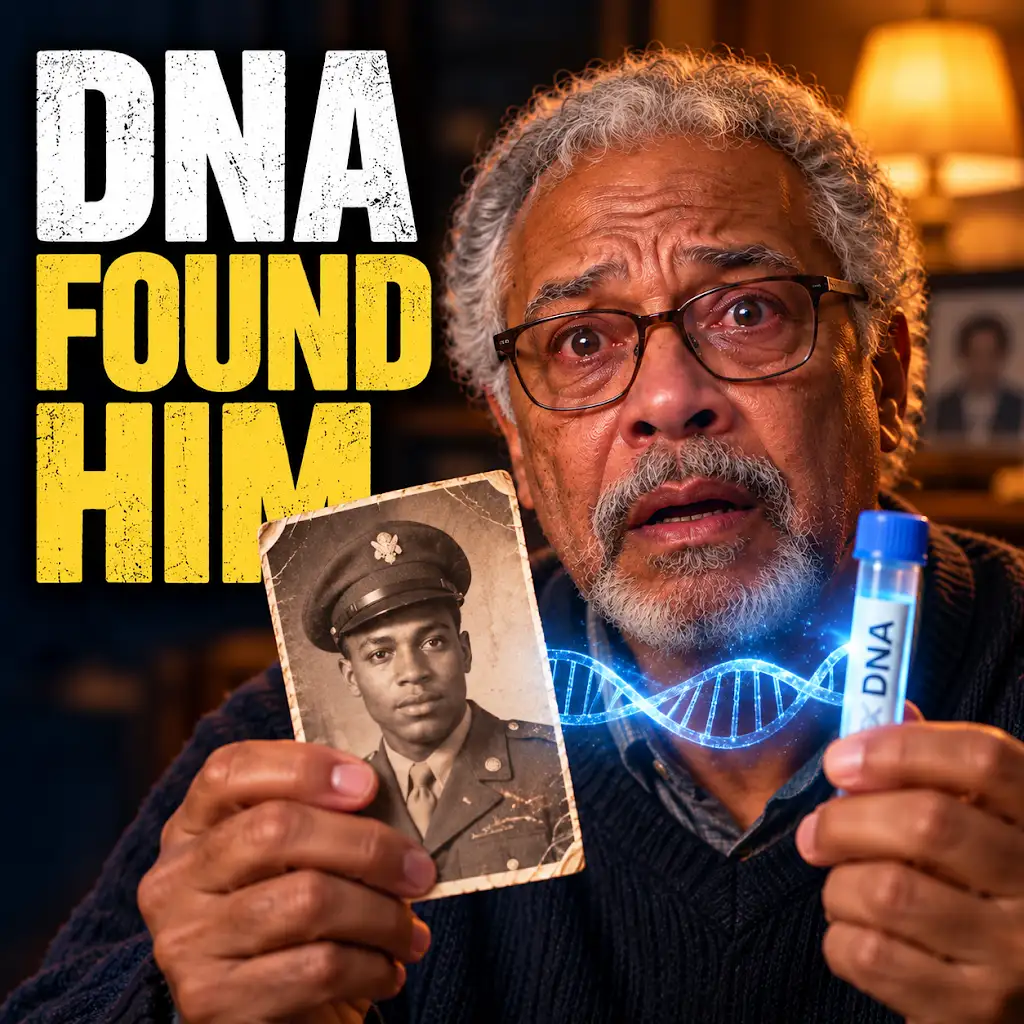
His WWII GI Father Was a Mystery for Nearly 80 Years
FAQs
What is a DNA half sibling discovery?
A DNA half sibling discovery occurs when individuals find out through DNA testing that they share one biological parent.
How can DNA testing reveal half sibling relationships?
DNA testing can reveal half sibling relationships by comparing the genetic markers of individuals to determine the likelihood of a shared parent.
What are some common DNA testing services used for half sibling discoveries?
Common DNA testing services used for half sibling discoveries include AncestryDNA, 23andMe, and MyHeritage DNA.
Can DNA testing accurately determine half sibling relationships?
Yes, DNA testing is highly accurate in determining half sibling relationships by analyzing the genetic similarities between individuals.
What are some implications of a DNA half sibling discovery?
Implications of a DNA half sibling discovery may include newfound family connections, emotional reactions, and the need to process and adjust to this new information.