Early Encounters and the Shadow of Discrimination
The presence of African American soldiers on British soil is a story woven through various conflicts, each chapter marked by both valor and the enduring struggle against racial prejudice. While the most prominent surge of African American troops arrived during World War II, their presence predates this by decades, with significant contingents serving in earlier global confrontations. These early deployments, though less documented, laid the groundwork for a complex relationship between African American servicemen and British society, a relationship often shaped by the pervasive racial hierarchies that transcended national borders.
The Great War’s Unsung Contributions
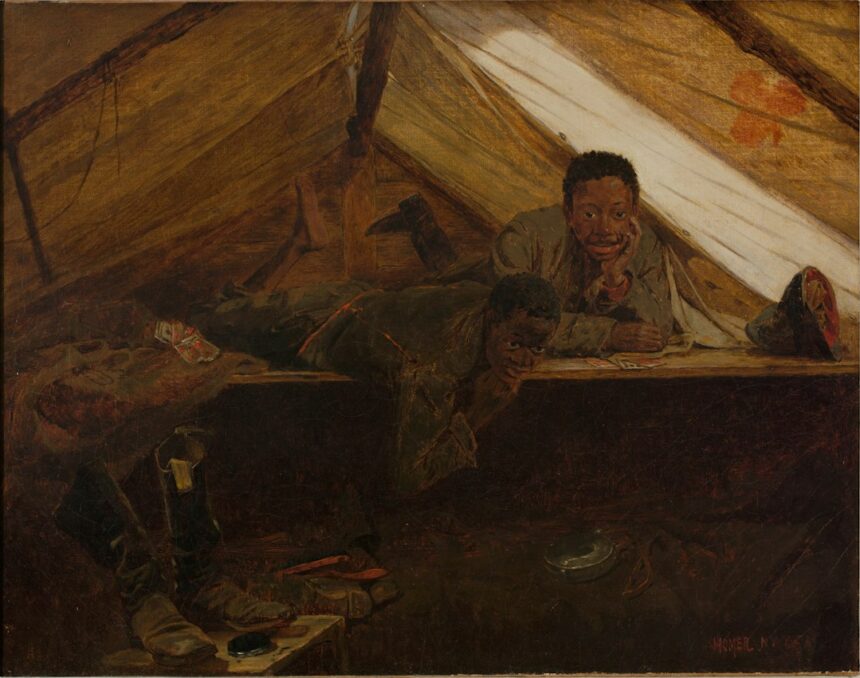
World War I saw the first significant deployment of African American soldiers to Britain as part of the American Expeditionary Forces (AEF). These men, often relegated to labor and support roles in the United States, found themselves in a Britain grappling with its own societal norms and the unprecedented demands of total war. While the official stance of the Allied powers was one of shared purpose, the reality on the ground for these African American soldiers was far from uniform. They encountered a British society that, while perhaps less overtly segregationist than the American South, still harbored its own forms of racial prejudice and class distinctions.
Navigating a Different, Yet Familiar, Prejudice
The experiences of African American soldiers in Britain during World War I were a complex tapestry. While they were not subjected to the same rigidly enforced Jim Crow laws as in the United States, they were not immune to prejudice. British society, while not built on chattel slavery and its direct descendants in the same way as America, possessed its own ingrained racial biases and colonial attitudes. This often manifested in subtle ways, from social exclusion to assumptions about their capabilities and intellect. The soldiers, accustomed to the overt hostility of American racism, sometimes found the British brand of prejudice more insidious and confusing. They were seen as distinct, as “other,” even when fighting for a common cause.
Labor, Logistics, and Unseen Service
The vast majority of African American soldiers who served in Britain during World War I were assigned to non-combat roles. They were the backbone of logistical operations, building infrastructure, unloading supplies, and performing essential labor that kept the war machine functioning. Their contributions, though vital, were often overlooked in official accounts and public narratives. They constructed docks, maintained railways, and provided crucial support services in a nation strained by war. This behind-the-scenes labor was essential to the Allied war effort but rarely garnered the recognition afforded to combat troops.
The Pre-War Presence: A Prelude to Larger Influxes
Even before the massive influx of troops during World War II, African American individuals and small groups found their way to Britain, often through maritime connections or personal initiatives. These earlier arrivals, while not forming a distinct military presence in the same sense, nonetheless contributed to the evolving perception and interaction between African Americans and British society. They were often artists, intellectuals, or individuals seeking opportunities unavailable in a racially stratified America. Their presence, though less formally structured, helped to plant seeds of understanding and cultural exchange.
Early Travelers and Cultural Exchange
Prior to the major military deployments, African Americans traveled to Britain for a variety of reasons. Some were sailors, their ships docking in British ports, offering fleeting glimpses of a different racial landscape. Others were aspiring artists, musicians, and writers drawn to the cultural vibrancy of London. These individuals, often educated and articulate, challenged preconceived notions about Black people and fostered a more nuanced understanding. Their interactions, though limited in scope, helped to create a small but significant channel of cultural exchange, demonstrating a shared humanity that transcended racial lines.
The Seeds of Future Relations
These early interactions, however informal, can be seen as a prelude to the larger military presence that would follow. They provided a historical context, a sense of familiarity, however nascent, for the communities that would later host thousands of American servicemen. The experiences of these earlier travelers, both positive and negative, would have undoubtedly informed the perceptions and preparations of those who followed in their footsteps, even if indirectly.
African American soldiers played a significant role during World War II, particularly in Britain, where they faced both camaraderie and racial challenges. A related article that delves deeper into their experiences and contributions can be found at this link: In the War Room. This article explores the complexities of their service, the relationships they formed with British citizens, and the impact of their presence on race relations in the UK during that era.
World War II: A Transformative Deployment
The most significant chapter in the history of African American soldiers in Britain is undoubtedly World War II. The sheer scale of their deployment, coupled with the unique circumstances of the war, created an unprecedented interaction between American Black servicemen and British civilians. While the war was a global struggle against fascism, it also served as a crucible for racial relations, both within the American military and in its interactions with allied nations. The presence of hundreds of thousands of African American soldiers in Britain brought to the fore the deeply ingrained racism of the American military system, forcing both British society and the American command to confront these issues in ways they had not before.
The “Yanks” Arrive: A Different Kind of Soldier
When American troops began arriving in large numbers in the lead-up to and during World War II, the nature of their presence was immediately striking. Unlike the predominantly white American forces, the African American units brought a distinct experience and a visible challenge to the prevailing racial order. Their segregation within the U.S. Army was a stark contrast to the British societal structure, which, while not free of prejudice, did not have the same legalistic and institutionalized segregation. This created a complex dynamic, with British citizens often reacting to the African American soldiers with curiosity, sympathy, and sometimes, a degree of shock at the American system’s racial policies.
Segregated Units and the American Paradox
The U.S. Army’s insistence on racial segregation for its African American soldiers was a point of contention and confusion in Britain. British society, while having its own racial biases, did not operate under the same stringent segregationist laws as the United States. This meant that African American soldiers often found themselves in situations where they could interact more freely with white Britons than with white American soldiers. This paradox highlighted the absurdity and injustice of American racial policies to many observers and created opportunities for genuine cross-cultural understanding.
The Role of the “Red Cross Hostess” and Social Interactions
The arrival of African American troops also had a significant impact on social dynamics. Efforts were made to provide recreational facilities and social outlets for these soldiers. Organizations like the Red Cross played a role in organizing events and fostering connections. However, these interactions were often fraught with the complexities of segregation. While some African American soldiers found welcoming communities, others faced exclusion and prejudice, both from white American servicemen and, at times, from segments of the British population who had internalized American racial attitudes. The presence of African American women, though a much smaller contingent, also added another layer to these social interactions.
The Military Machine: Roles and Responsibilities
African American soldiers served in virtually every theater of the war, and their contributions in Britain were no less vital. While many continued to serve in support roles, such as logistics, engineering, and transportation, their combat roles became increasingly significant as the war progressed. They were instrumental in building the infrastructure necessary for the D-Day invasion and played crucial roles in various campaigns. Their dedication and resilience in the face of both enemy fire and internal discrimination were a testament to their commitment to the Allied cause.
The Tuskegee Airmen: Breaking Barriers in the Sky
One of the most iconic examples of African American achievement during World War II was the Tuskegee Airmen. These brave pilots, navigators, bombardiers, and ground crew members defied expectations and excelled in aerial combat, earning a distinguished reputation for their skill and bravery. While their primary training and deployment were not in Britain, their impact resonated throughout the Allied forces, serving as powerful proof of the capabilities of African American servicemen and a potent symbol of racial progress. Their successes challenged deeply held stereotypes and inspired countless others.
Engineers, Laborers, and the Build-Up to Invasion
Beyond the celebrated aviators, the vast majority of African American soldiers in Britain were involved in the crucial, often unglamorous, work of building the war effort. They were engineers, constructing airfields, roads, and bridges. They were stevedores, unloading vital supplies from ships. They were mechanics, keeping the machinery of war running. Their labor was indispensable to the Allied invasion of Normandy and to the broader war effort in Europe. Their presence in Britain was intrinsically linked to the massive logistical undertaking of the war.
African American soldiers played a significant role during World War II, particularly in Britain, where they faced both camaraderie and racial challenges. Their experiences contributed to the broader narrative of the African American struggle for equality and recognition. For a deeper understanding of their impact and the complexities of their service, you can read more in this insightful article about their time in Britain. Discover the nuances of their journey by visiting this link.
The Societal Impact: A Mirror to American Racism
The presence of hundreds of thousands of African American soldiers in Britain acted as a mirror, reflecting the realities of American racism to an international audience. British society, accustomed to its own forms of racial hierarchy, was often taken aback by the overt and institutionalized segregation enforced by the U.S. military. This exposure led to a critical examination of American racial policies, both by the British public and by American officials. The contrast between the Allied rhetoric of freedom and democracy and the reality of segregation within the American forces was stark and undeniable.
British Reactions and Shifting Perceptions
The reactions of British citizens to the influx of African American soldiers were varied. While some embraced the soldiers with warmth and hospitality, others harbored their own prejudices or were influenced by American racial attitudes. The presence of Black soldiers in pubs, cinemas, and dance halls challenged the existing social order and sparked conversations about race and equality. This interaction, while not always smooth, contributed to a gradual shift in perceptions for many Britons, forcing them to confront their own biases and to recognize the shared humanity of these servicemen.
“When the Yanks Came” Narratives
The period of World War II has been extensively documented in literature, film, and historical accounts. The experiences of African American soldiers in Britain have become a recurring theme, often referred to as the “When the Yanks Came” narratives. These stories, both personal and collective, highlight the friendships, the romances, the challenges, and the ultimate impact of this significant deployment on both the soldiers and the host communities. These narratives serve as a vital historical record, preserving the memories and contributions of a generation of African American servicemen.
The Post-War Legacy: Enduring Connections and Unfinished Business
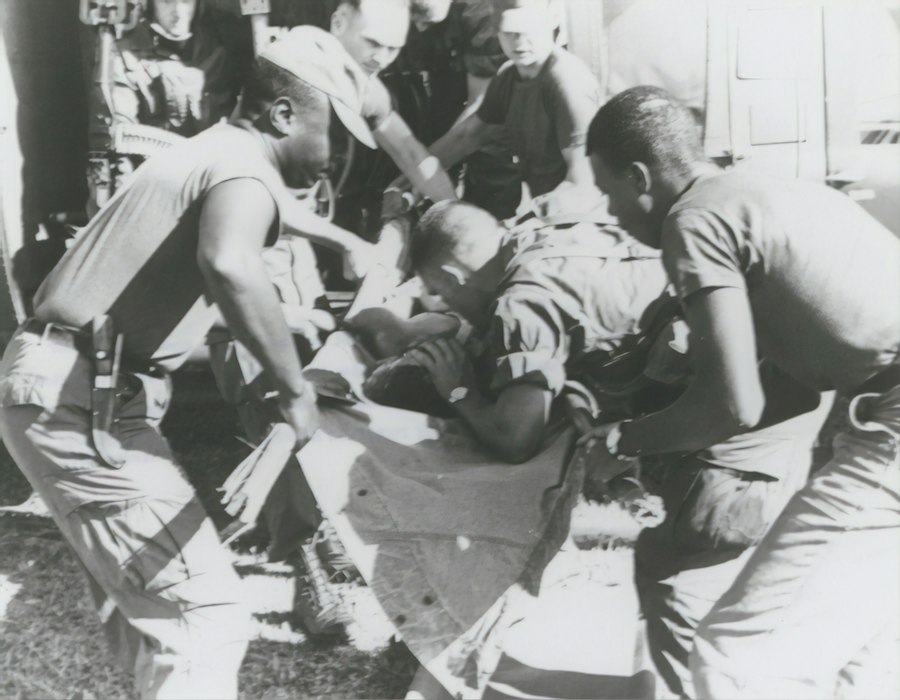
The departure of American troops after World War II did not signify an end to the African American presence in Britain. The bonds forged during the conflict, the shared experiences, and the ongoing societal shifts continued to shape relationships. While the military presence diminished, the legacy of service, the personal connections, and the continuing struggle for racial equality in both nations left an indelible mark. The experiences of these soldiers contributed to a broader understanding of civil rights issues and influenced subsequent waves of African American migration and cultural influence in Britain.
Personal Connections and Transatlantic Families
The wartime years saw the development of numerous personal relationships between African American soldiers and British women. These connections, often blossoming into love and marriage, led to the formation of transatlantic families. The children of these unions often grew up with a dual heritage, bridging cultures and perspectives. These families, though sometimes facing societal challenges, represented a tangible and enduring link between the two nations, carrying forward the legacy of service and shared experience.
Mixed Marriages and Their Challenges
Marriages between African American soldiers and British women were not always met with universal acceptance. While many couples found support, they also encountered prejudice and societal disapproval from both sides of the Atlantic. These challenges, however, often served to strengthen their resolve and commitment to each other. The experiences of these couples highlight the complexities of race and identity in the post-war era and the persistent nature of racial prejudice.
The Next Generation: Bridging Cultures
The children of these interracial unions often found themselves navigating unique identities. They were privy to two distinct cultures, two sets of family histories, and two perspectives on race. This often gave them a unique insight into the world and a capacity to bridge cultural divides. Their existence was a living testament to the personal connections made during the war and the enduring nature of those relationships.
The Echoes of Civil Rights: A Shared Struggle
The civil rights movement that gained momentum in the United States during the post-war era had a profound impact on African Americans both at home and abroad. African American soldiers who had served in Britain returned to a nation still grappling with systemic racism, and their experiences in a relatively more integrated British society often fueled their commitment to the cause of equality. The news of the struggle for civil rights in America also resonated with African Britons, fostering a sense of solidarity and shared purpose.
African American Soldiers as Advocates for Change
Having witnessed a different societal landscape in Britain, many returning African American soldiers became more vocal and active in the fight for civil rights. Their experiences abroad provided them with a comparative perspective and a renewed determination to dismantle racial segregation and discrimination in their own country. They brought back with them stories of greater social interaction and a clearer understanding of what was possible.
The Impact on British Civil Rights Discourse
The presence of African American soldiers and the subsequent civil rights movement in the US also influenced the civil rights discourse in Britain. While Britain did not have the same history of slavery and overt segregation, it was grappling with its own forms of racism, particularly with the increasing immigration from its former colonies. The struggles of African Americans provided a powerful example and a catalyst for discussions about racial justice and equality within Britain.
Cultural Exchange and Enduring Influence
The legacy of African American soldiers in Britain extends beyond military service and personal relationships. Their presence also contributed to a significant cultural exchange that continues to shape British society. Music, art, literature, and everyday interactions were all influenced by the experiences and contributions of these servicemen. This cultural influence has become an integral part of the fabric of modern Britain.
The Sound of Jazz and Beyond
The vibrant culture of African American soldiers, particularly their love for jazz and blues music, left an undeniable mark on Britain. The music they brought with them, the performances they gave, and the cultural exchanges they fostered helped to popularize these genres and to lay the groundwork for a richer and more diverse musical landscape in Britain. This musical influence continues to be felt today.
Literary and Artistic Footprints
Beyond music, African American soldiers’ experiences found expression in literature and art. Their stories, often untold or marginalized, began to be documented and shared, contributing to a broader understanding of their contributions and their struggles. These artistic and literary footprints serve as vital historical records and continue to inspire new generations of artists and writers.
Remembering the Service: Monuments, Memorials, and Ongoing Research
The recognition and commemoration of the service of African American soldiers in Britain have evolved over time. While their contributions were often overlooked in the immediate post-war period, there has been a growing effort in recent decades to unearth these stories, to create memorials, and to ensure that this vital chapter of history is not forgotten. Ongoing research and advocacy are crucial to preserving this legacy for future generations.
Unearthing Hidden Histories: The Role of Historians and Researchers
Numerous historians and researchers have dedicated themselves to uncovering the often-untold stories of African American soldiers in Britain. Through archival research, oral history projects, and the examination of personal accounts, they are piecing together a more comprehensive understanding of these men’s experiences. This dedicated work is essential in bringing these vital narratives to light.
Archival Discoveries and Oral Histories
The diligent work of historians involves sifting through vast archives, both in the UK and the US, to find official records, personal letters, diaries, and photographs. Coupled with the invaluable insights gained from oral histories, capturing the memories of veterans and their families, this research provides a rich and nuanced understanding of their lives and service.
Challenging Traditional Narratives
The ongoing research aims to challenge traditional historical narratives that have often focused on white soldiers and their experiences. By bringing the stories of African American servicemen to the forefront, these efforts are broadening our understanding of the complexities of war, race, and international relations.
Memorials and Commemorations: Visible Tributes
In recent years, there has been a significant push to establish physical memorials and to organize commemorative events that honor the service of African American soldiers in Britain. These initiatives serve as visible tributes, ensuring that their contributions are recognized and remembered by both the British and American public.
The American Military Cemetery at Madingley
While not exclusively dedicated to African American soldiers, the American Military Cemetery at Madingley, near Cambridge, serves as a poignant reminder of the American sacrifice in Britain during World War II. The presence of African American servicemen among the fallen underscores their integral role in the Allied victory.
Local Initiatives and Centered Recognition
Beyond large national cemeteries, numerous local communities have begun to erect plaques, organize exhibitions, and hold events that specifically acknowledge the presence and contributions of African American soldiers within their areas. These localized efforts ensure that the history is remembered at the grassroots level.
The Importance of Education and Future Generations
Ensuring that the legacy of African American soldiers in Britain is passed down to future generations is paramount. Educational initiatives, museum exhibits, and continued historical research play a crucial role in informing young people about this important aspect of shared history. This knowledge fosters understanding, promotes respect, and celebrates the enduring bonds of service and sacrifice.
School Programs and Museum Exhibits
Educational institutions and museums are increasingly incorporating the history of African American soldiers into their curricula and exhibits. These programs aim to educate students about the challenges faced by these servicemen, their immense contributions, and their enduring impact on both Britain and the United States.
Sustaining the Narrative
The ongoing work of remembrance requires continuous effort. By supporting historical research, advocating for commemorative projects, and engaging in public education, we can ensure that the legacy of African American soldiers in Britain remains a vibrant and recognized part of history, a testament to their service, sacrifice, and the complex tapestry of transatlantic relations.
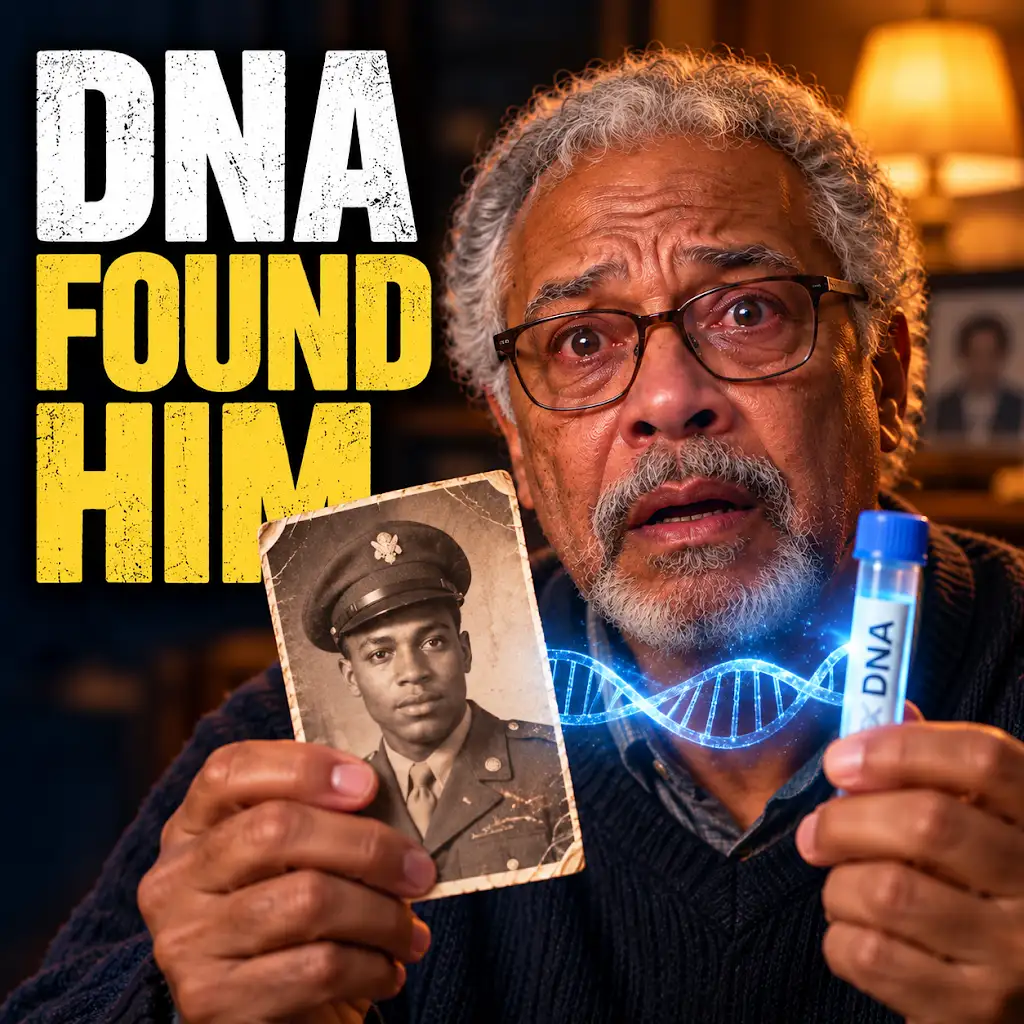
His WWII GI Father Was a Mystery for Nearly 80 Years
FAQs
What role did African American soldiers play in Britain during World War II?
African American soldiers stationed in Britain during World War II served in various capacities, including combat roles, support roles, and administrative roles.
How many African American soldiers were stationed in Britain during World War II?
Approximately 130,000 African American soldiers were stationed in Britain during World War II as part of the segregated United States Army.
What challenges did African American soldiers face while stationed in Britain?
African American soldiers faced discrimination, segregation, and unequal treatment while stationed in Britain, both within the military and in society at large.
Did African American soldiers in Britain contribute to the civil rights movement?
Yes, the experiences of African American soldiers in Britain during World War II, where they were treated with more equality and respect than in the United States, helped to inspire and fuel the civil rights movement back home.
What is the legacy of African American soldiers in Britain?
The legacy of African American soldiers in Britain during World War II is one of resilience, bravery, and a reminder of the ongoing struggle for equality and justice. Their contributions to the war effort and their fight against discrimination have left a lasting impact on both countries.