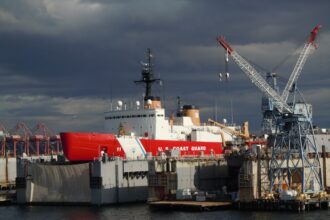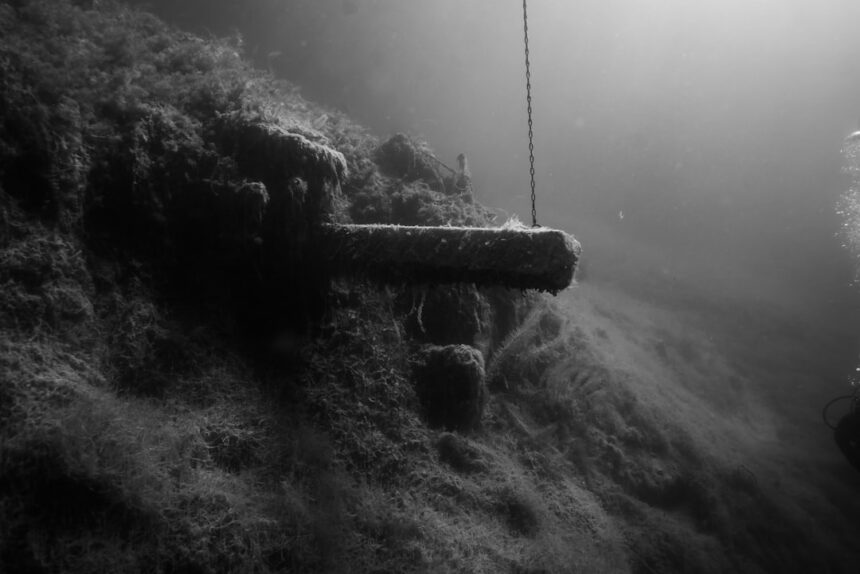
In an era where maritime security is paramount, the significance of advanced submarine detection cannot be overstated. Submarines, often considered the silent predators of the ocean, pose unique challenges to national defense and maritime safety. Their ability to operate undetected allows them to carry out strategic missions, including surveillance, reconnaissance, and even offensive operations.
As nations increasingly rely on submarines for their military capabilities, the need for sophisticated detection methods has become critical. The ability to identify and track these vessels is essential not only for national security but also for maintaining a balance of power in international waters. Moreover, the implications of undetected submarines extend beyond military concerns.
The potential for environmental disasters, such as oil spills or nuclear accidents, increases when submarines operate without oversight. Advanced detection technologies can help mitigate these risks by ensuring that submarines are monitored and managed effectively. As such, the development of innovative detection methods is not merely a matter of military strategy; it is also a crucial component of global environmental stewardship and safety.
Key Takeaways
- Advanced submarine detection is crucial for national security and maritime safety.
- Sonar technology and underwater drones play key roles in detecting submarines on the ocean floor.
- Artificial intelligence enhances the accuracy and efficiency of submarine detection systems.
- International collaboration is essential to improve detection capabilities and address ethical concerns.
- Environmental impacts and ethical considerations must be balanced with technological advancements in submarine detection.
Technology and Equipment Used for Ocean Floor Submarine Detection
The quest for effective submarine detection has led to the development of a wide array of technologies and equipment designed specifically for this purpose. One of the primary tools employed in this endeavor is the use of hydrophones, which are underwater microphones capable of detecting sound waves produced by submarines. These devices can be deployed on the ocean floor or mounted on buoys and ships, creating a network that can monitor vast areas of ocean.
Hydrophones are particularly effective in detecting the unique sounds generated by submarines, such as engine noise and propeller cavitation. In addition to hydrophones, advanced sonar systems play a crucial role in submarine detection. Sonar technology utilizes sound propagation to locate objects underwater, making it an invaluable asset in naval operations.
The integration of these technologies allows for a comprehensive approach to submarine detection, enabling naval forces to track and identify submarines with greater accuracy and efficiency.
Sonar Technology and its Role in Submarine Detection
Sonar technology has revolutionized the field of underwater detection, providing naval forces with powerful tools to locate submarines. Active sonar systems send out sound waves that bounce off objects in the water, returning echoes that can be analyzed to determine the size, shape, and distance of submerged vessels. This method is particularly useful in shallow waters where submarines may be operating close to the ocean floor.
However, active sonar can also reveal the position of the detecting vessel, making it a double-edged sword in stealth operations. On the other hand, passive sonar systems offer a more discreet approach to submarine detection. By simply listening for sounds produced by submarines, these systems can gather intelligence without revealing their own location.
This capability is especially valuable in covert operations where stealth is paramount. The combination of active and passive sonar technologies provides naval forces with a comprehensive toolkit for detecting submarines under various conditions, enhancing their operational effectiveness in safeguarding national interests.
The Challenges of Detecting Submarines from the Ocean Floor
Despite advancements in technology, detecting submarines from the ocean floor presents numerous challenges. One significant obstacle is the vastness and complexity of the underwater environment. The ocean is a dynamic system characterized by varying temperatures, salinity levels, and currents that can affect sound propagation.
These factors can create acoustic shadows or distortions that hinder detection efforts. Additionally, the presence of marine life and underwater structures can generate noise that complicates the identification of submarine signatures. Another challenge lies in the stealth capabilities of modern submarines.
Many contemporary vessels are designed with advanced technologies that minimize their acoustic signatures, making them harder to detect. Features such as anechoic coatings and quieter propulsion systems contribute to their stealthiness, allowing them to operate undetected even in areas with sophisticated monitoring systems. As a result, naval forces must continually adapt their detection strategies and invest in cutting-edge technologies to keep pace with evolving submarine capabilities.
The Role of Underwater Drones in Submarine Detection
| Metric | Description | Typical Range/Value | Unit |
|---|---|---|---|
| Detection Range | Maximum distance at which a submarine can be detected from the ocean floor | 5 – 20 | kilometers |
| Frequency Band | Acoustic frequency range used for detection | 100 – 1000 | Hz (Low Frequency Sonar) |
| Signal-to-Noise Ratio (SNR) | Ratio of submarine signal strength to background noise | 10 – 30 | dB |
| Detection Probability | Likelihood of correctly detecting a submarine | 0.7 – 0.95 | Probability (0-1) |
| False Alarm Rate | Frequency of false detections per hour | 0.01 – 0.1 | alarms/hour |
| Seafloor Sensor Array Size | Physical size of the sensor array deployed on the ocean floor | 100 – 500 | meters |
| Data Transmission Latency | Time delay in transmitting detection data to command center | 1 – 5 | seconds |
| Power Consumption | Energy used by ocean floor detection sensors | 50 – 200 | Watts |
Underwater drones have emerged as a game-changing technology in the realm of submarine detection. These unmanned vehicles are capable of navigating complex underwater environments while carrying advanced sensors and imaging equipment. Their ability to operate autonomously or be remotely controlled allows for flexible deployment in various scenarios, from routine surveillance to targeted search missions.
Equipped with sonar systems and hydrophones, underwater drones can gather critical data on submarine activity without putting personnel at risk. Furthermore, underwater drones can cover large areas more efficiently than traditional methods. Their agility and endurance enable them to conduct prolonged missions in challenging conditions, providing real-time intelligence on submarine movements.
As technology continues to advance, these drones are becoming increasingly sophisticated, incorporating artificial intelligence and machine learning algorithms that enhance their detection capabilities. This evolution positions underwater drones as essential assets in modern naval operations aimed at safeguarding maritime security.
How Artificial Intelligence is Advancing Submarine Detection
Artificial intelligence (AI) is playing an increasingly pivotal role in enhancing submarine detection capabilities. By leveraging machine learning algorithms, AI systems can analyze vast amounts of data collected from various sensors and sources more efficiently than human operators. This capability allows for quicker identification of potential threats and more accurate tracking of submarine movements.
AI can also assist in filtering out background noise and irrelevant data, enabling operators to focus on critical information that may indicate submarine activity. Moreover, AI-driven predictive analytics can enhance situational awareness by forecasting potential submarine movements based on historical data and environmental factors. This proactive approach allows naval forces to anticipate threats and respond more effectively to emerging situations.
As AI technology continues to evolve, its integration into submarine detection systems promises to revolutionize how navies monitor and protect their maritime domains.
The Future of Advanced Submarine Detection Technologies
The future of advanced submarine detection technologies appears promising as research and development efforts continue to push the boundaries of what is possible. Innovations such as quantum sensing are on the horizon, offering unprecedented sensitivity in detecting underwater objects. Quantum sensors could potentially revolutionize submarine detection by providing capabilities far beyond current sonar systems, allowing for the identification of even the most stealthy vessels.
Additionally, advancements in sensor fusion technology will likely play a crucial role in enhancing detection capabilities. By integrating data from multiple sources—such as satellites, surface ships, and underwater sensors—naval forces can create a comprehensive picture of underwater activity. This holistic approach will improve situational awareness and enable more effective responses to potential threats.
As nations invest in these emerging technologies, the landscape of submarine detection will continue to evolve, shaping the future of maritime security.
International Collaboration in Submarine Detection
The complexities of modern maritime security necessitate international collaboration in submarine detection efforts. As threats become increasingly transnational, nations must work together to share information and resources effectively. Collaborative initiatives can enhance collective capabilities by pooling expertise and technology from various countries.
Joint exercises and training programs can also foster interoperability among allied forces, ensuring that they can respond cohesively to potential submarine threats. Furthermore, international partnerships can facilitate the development of standardized protocols for submarine detection and monitoring. By establishing common frameworks for data sharing and communication, nations can enhance their ability to detect and respond to submarine activities across borders.
Such collaboration not only strengthens national security but also promotes stability in international waters by fostering trust among nations.
Environmental Impacts of Submarine Detection Technology
While advanced submarine detection technologies are essential for national security, they also raise important environmental considerations. The deployment of sonar systems and underwater drones can have unintended consequences on marine ecosystems. For instance, active sonar has been linked to disruptions in marine life behavior, particularly among cetaceans like whales and dolphins that rely on echolocation for navigation and communication.
Prolonged exposure to loud underwater sounds can lead to disorientation or even strandings. As such, it is crucial for policymakers and military planners to balance security needs with environmental stewardship. Developing eco-friendly technologies and implementing mitigation measures can help minimize the ecological footprint of submarine detection efforts.
Ethical Considerations in Submarine Detection from the Ocean Floor
The ethical implications surrounding submarine detection from the ocean floor warrant careful consideration as technology advances. The potential for invasive surveillance raises questions about privacy and sovereignty in international waters. Nations must navigate the fine line between ensuring national security and respecting the rights of other states while conducting surveillance operations.
Moreover, the use of advanced technologies such as AI raises ethical dilemmas regarding decision-making processes in military operations. As machines take on more significant roles in detecting threats, questions arise about accountability and transparency in their actions. Establishing ethical guidelines for the use of these technologies is essential to ensure that they are employed responsibly and do not lead to unintended consequences.
Advancements in Submarine Detection and National Security
In conclusion, advancements in submarine detection technologies are reshaping the landscape of national security in an increasingly complex maritime environment. The importance of effective detection methods cannot be overstated as nations strive to safeguard their interests against potential threats posed by submarines. From hydrophones and sonar systems to underwater drones and artificial intelligence, a diverse array of tools is being developed to enhance detection capabilities.
However, as these technologies evolve, it is imperative that nations consider the environmental impacts and ethical implications associated with their use. International collaboration will be key in addressing these challenges while ensuring that maritime security remains a priority. Ultimately, continued investment in research and development will pave the way for innovative solutions that enhance both national security and environmental stewardship in our oceans.
Submarine detection from the ocean floor is a critical area of research, particularly in enhancing maritime security and defense strategies. For a deeper understanding of the technologies and methodologies involved in this field, you can refer to a related article that discusses various detection techniques and their implications. Check it out here: Submarine Detection Techniques.
WATCH THIS! 🎖️ The Silent Underwater Network That Doomed Every Soviet Submarine
FAQs
What is submarine detection from the ocean floor?
Submarine detection from the ocean floor involves using various technologies and sensors placed on or near the seabed to identify and track submarines. These systems monitor acoustic, magnetic, and other signals emitted or disturbed by submarines.
Why is detecting submarines from the ocean floor important?
Detecting submarines from the ocean floor is crucial for national security and maritime surveillance. It helps navies monitor underwater activities, prevent unauthorized submarine incursions, and maintain strategic advantages in naval warfare.
What technologies are used for submarine detection on the ocean floor?
Common technologies include hydrophone arrays for passive acoustic detection, seismic sensors to detect vibrations, magnetic anomaly detectors to sense changes in the Earth’s magnetic field, and sonar systems that emit sound pulses to locate submarines.
How do hydrophone arrays work in submarine detection?
Hydrophone arrays consist of multiple underwater microphones placed on the ocean floor. They capture sound waves generated by submarines, such as engine noise or propeller cavitation, allowing operators to identify and track their movements.
What challenges exist in detecting submarines from the ocean floor?
Challenges include the vastness and depth of the ocean, background noise from marine life and human activities, varying oceanographic conditions, and the stealth technologies used by modern submarines to minimize their acoustic signatures.
Can ocean floor detection systems operate continuously?
Yes, many ocean floor detection systems are designed for long-term deployment, providing continuous monitoring. However, they require maintenance and periodic data retrieval, which can be logistically complex.
Are there international regulations governing submarine detection technologies?
While there are no specific international laws regulating submarine detection technologies, their deployment is subject to maritime laws and agreements related to territorial waters and exclusive economic zones.
How effective is ocean floor detection compared to other submarine detection methods?
Ocean floor detection complements other methods like aerial surveillance and shipborne sonar. It offers persistent, covert monitoring capabilities but may have limitations in range and coverage compared to mobile detection platforms.
What role does oceanography play in submarine detection from the ocean floor?
Oceanographic factors such as temperature, salinity, and seabed topography affect sound propagation and sensor performance. Understanding these factors is essential for optimizing detection accuracy and sensor placement.
Is submarine detection from the ocean floor used in civilian applications?
While primarily a military capability, similar technologies are used in civilian contexts for underwater research, seismic monitoring, and environmental studies, though not specifically for submarine detection.