The Cold War nuclear standoff can be traced back to the aftermath of World War II, a period marked by significant geopolitical shifts and ideological divides. As you delve into this era, you will find that the United States and the Soviet Union emerged as the two dominant superpowers, each with contrasting political ideologies: capitalism versus communism. This ideological clash laid the groundwork for a tense rivalry that would define international relations for decades.
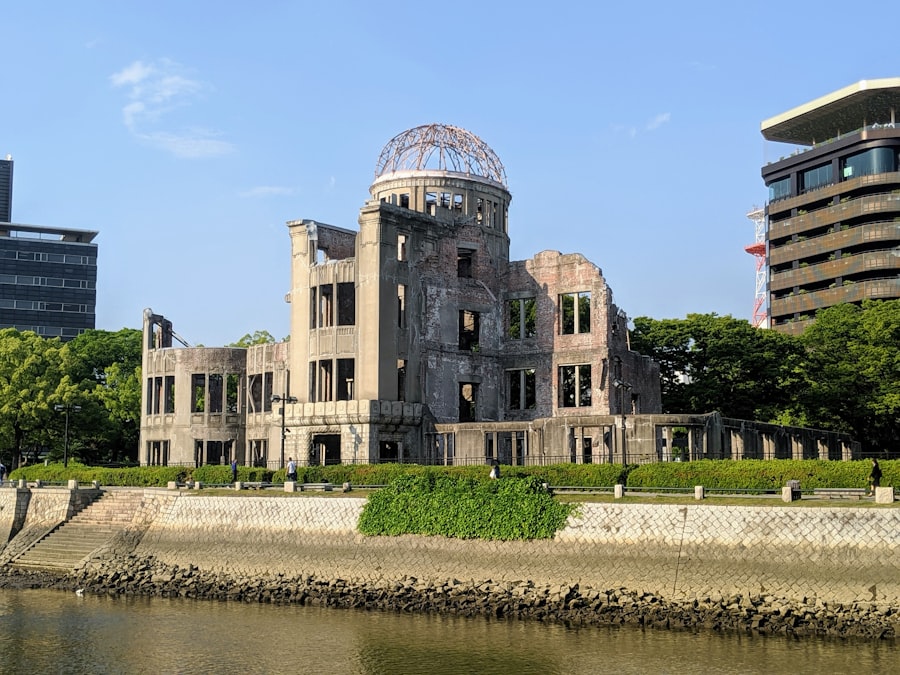
The development of nuclear weapons during the war only intensified this rivalry, as both nations recognized the destructive potential of these weapons and the power they conferred. In the years following the war, the arms race began in earnest. The United States had already demonstrated its nuclear capabilities with bombings in Hiroshima and Nagasaki, which not only ended the war but also sent a clear message about its military prowess.
The Soviet Union, feeling threatened and eager to assert its own power, accelerated its nuclear program, successfully testing its first atomic bomb in 1949. This event marked a pivotal moment in history, as it signaled the beginning of a nuclear arms race that would shape global politics and security strategies for years to come.
Key Takeaways
- The Cold War nuclear standoff originated from post-World War II tensions and ideological conflicts between superpowers.
- The Cuban Missile Crisis marked a critical turning point, highlighting the dangers of nuclear brinkmanship.
- Deterrence played a key role in maintaining the uneasy balance and preventing direct conflict.
- The standoff had profound psychological impacts on global populations, fostering widespread fear and anxiety.
- Diplomacy and lessons learned from the Cold War remain vital in addressing modern nuclear threats.
The Race for Nuclear Superiority
As you explore the race for nuclear superiority, it becomes evident that both superpowers were driven by a desire for dominance and security. The United States and the Soviet Union engaged in a relentless pursuit of advanced weaponry, each striving to outdo the other in terms of nuclear capabilities.
You can see how this mindset led to the development of increasingly sophisticated arsenals, including intercontinental ballistic missiles (ICBMs) and multiple independently targetable reentry vehicles (MIRVs). The implications of this arms race were profound. As both nations amassed vast stockpiles of nuclear weapons, the world was thrust into an era characterized by fear and uncertainty.
You might consider how this environment influenced military strategies and foreign policies, as both superpowers sought to project strength while simultaneously avoiding direct confrontation. The concept of mutually assured destruction (MAD) emerged during this time, encapsulating the idea that any nuclear attack would result in catastrophic retaliation, thereby maintaining a precarious balance of power.
The Cuban Missile Crisis: A Turning Point
The Cuban Missile Crisis of 1962 stands out as a critical juncture in the Cold War nuclear standoff. You may recall how this 13-day confrontation brought the world to the brink of nuclear war. When U.S. intelligence discovered Soviet missile installations in Cuba, tensions escalated rapidly. The stakes were incredibly high, as both nations faced the possibility of catastrophic consequences should diplomacy fail. You can imagine the anxiety that permeated society during this time, as citizens grappled with the reality that their leaders were engaged in a high-stakes game of brinkmanship. In response to the crisis, President John F. Kennedy and Premier Nikita Khrushchev engaged in intense negotiations, ultimately leading to a resolution that involved the withdrawal of Soviet missiles from Cuba in exchange for a U.S. commitment not to invade the island. This moment not only averted disaster but also highlighted the importance of communication and diplomacy in managing conflicts. You might reflect on how this crisis served as a wake-up call for both superpowers, prompting them to reconsider their approaches to nuclear strategy and international relations.
The Arms Race and its Global Implications
The arms race between the United States and the Soviet Union had far-reaching implications beyond their borders. As you examine this period, you will notice how other nations became embroiled in the competition for nuclear capabilities. Countries such as China, France, and the United Kingdom sought to develop their own arsenals, driven by a desire for security and influence on the global stage.
This proliferation of nuclear weapons raised concerns about regional stability and increased the risk of conflict. Moreover, you may find it interesting how the arms race influenced international organizations and treaties aimed at curbing nuclear proliferation. The Treaty on the Non-Proliferation of Nuclear Weapons (NPT), established in 1968, sought to prevent the spread of nuclear weapons while promoting peaceful uses of nuclear energy.
However, as you explore this topic further, you will see that compliance and enforcement posed significant challenges, leading to ongoing debates about disarmament and non-proliferation efforts.
The Impact of the Cold War Nuclear Standoff on International Relations
| Metric | United States | Soviet Union | Notes |
|---|---|---|---|
| Peak Nuclear Warheads | 31,255 (mid-1960s) | 45,000+ (mid-1980s) | Estimates vary; both had thousands of warheads at peak |
| ICBMs (Intercontinental Ballistic Missiles) | 1,054 (1986) | 1,200+ (1986) | Key delivery system for nuclear weapons |
| SLBMs (Submarine-Launched Ballistic Missiles) | 656 (1986) | 600+ (1986) | Provided second-strike capability |
| Strategic Bombers | 1,500+ (1960s) | 1,200+ (1960s) | Long-range bombers capable of nuclear delivery |
| Mutual Assured Destruction (MAD) | Established in 1960s | Established in 1960s | Doctrine that prevented nuclear war through deterrence |
| Major Treaties |
|
|
Both parties participated in arms control agreements |
| Duration of Standoff | 1947 – 1991 (approx. 44 years) | From early Cold War tensions to Soviet dissolution | |
The Cold War nuclear standoff fundamentally reshaped international relations, creating a world divided along ideological lines. As you analyze this period, you will recognize how alliances were formed based on shared interests and mutual defense agreements. NATO and the Warsaw Pact emerged as two opposing military blocs, each committed to countering the influence of the other.
This division not only affected military strategies but also influenced economic policies and cultural exchanges between nations. You may also consider how smaller nations navigated this complex landscape, often finding themselves caught between superpower rivalries. Many countries sought to align with one side or another for security or economic benefits, while others pursued non-alignment as a means of maintaining independence.
The Cold War created a dynamic where international relations were often characterized by proxy wars and diplomatic maneuvering, as both superpowers sought to expand their spheres of influence without engaging in direct conflict.
The Role of Deterrence in Maintaining the Standoff
Deterrence played a crucial role in maintaining the Cold War nuclear standoff, shaping military strategies and foreign policies for both superpowers. As you delve into this concept, you will find that it is rooted in the belief that possessing a credible threat of retaliation can prevent an adversary from taking aggressive actions. The doctrine of mutually assured destruction (MAD) became central to this strategy, as both nations recognized that any nuclear exchange would lead to devastating consequences for all involved.
You might reflect on how deterrence influenced not only military planning but also domestic politics within both countries. Leaders had to navigate public opinion while justifying massive defense budgets and military expenditures aimed at maintaining their arsenals. The psychological aspect of deterrence cannot be overlooked; you may consider how fear and uncertainty permeated society as citizens grappled with the reality of living under the shadow of potential annihilation.
The Psychological and Emotional Toll of Living in a Nuclear Standoff
Living in a world defined by a nuclear standoff took a significant psychological toll on individuals and societies alike. As you explore this aspect, you will find that fear and anxiety became pervasive emotions during this period. Citizens were acutely aware of the potential for catastrophic conflict, leading to widespread concerns about safety and survival.
You may recall how public awareness campaigns sought to prepare individuals for potential nuclear attacks, often emphasizing “duck and cover” drills in schools and communities. The emotional impact extended beyond immediate fears; it shaped cultural expressions and societal attitudes toward war and peace. Literature, film, and art from this era often reflected themes of existential dread and uncertainty about the future.
You might consider how these cultural artifacts served as both a reflection of societal anxieties and a means of coping with an uncertain reality.
The Legacy of the Cold War Nuclear Standoff
The legacy of the Cold War nuclear standoff continues to resonate in contemporary geopolitics. As you examine this legacy, you will find that many of the tensions established during this period persist today. The proliferation of nuclear weapons remains a pressing concern, with nations like North Korea and Iran pursuing their own programs amid fears of regional instability.
You may also note how historical narratives surrounding the Cold War influence current diplomatic relations and security strategies. Moreover, you might reflect on how lessons learned from this era have shaped disarmament efforts and international treaties aimed at preventing future conflicts. The establishment of organizations such as the International Atomic Energy Agency (IAEA) underscores ongoing efforts to promote peaceful uses of nuclear energy while ensuring compliance with non-proliferation agreements.
The Role of Diplomacy in Easing Tensions
Diplomacy emerged as a vital tool for easing tensions during the Cold War nuclear standoff. As you explore this topic, you will find that negotiations played a crucial role in preventing conflicts from escalating into full-blown wars. High-stakes summits between leaders like Kennedy and Khrushchev demonstrated that dialogue could lead to meaningful resolutions even amid intense rivalries.
You may also consider how backchannel communications and informal discussions contributed to de-escalation efforts during critical moments. The establishment of hotlines between Washington and Moscow allowed for direct communication during crises, reducing misunderstandings that could lead to catastrophic decisions. This emphasis on diplomacy laid important groundwork for future negotiations aimed at arms control and disarmament.
The Continued Threat of Nuclear Standoffs in the Modern World
Despite significant strides toward disarmament since the Cold War, the threat of nuclear standoffs persists in today’s world. As you analyze contemporary geopolitical dynamics, you will find that tensions between major powers continue to shape international relations. Nations like Russia and China are modernizing their arsenals while regional conflicts raise concerns about potential escalation into nuclear confrontations.
The interconnectedness of global politics means that actions taken by one nation can have far-reaching consequences for others, underscoring the need for continued vigilance in addressing nuclear threats.
Lessons Learned from the Cold War Nuclear Standoff
As you conclude your exploration of the Cold War nuclear standoff, it is essential to reflect on the lessons learned from this tumultuous period in history. One key takeaway is the importance of communication and diplomacy in managing conflicts; open dialogue can prevent misunderstandings that lead to escalation. Additionally, you may recognize that while deterrence played a crucial role in maintaining stability during the Cold War, it is not a foolproof strategy for ensuring peace.
Furthermore, you might consider how historical experiences inform contemporary approaches to disarmament and non-proliferation efforts. The legacy of the Cold War serves as a reminder that vigilance is necessary in addressing emerging threats while fostering cooperation among nations to build a safer world for future generations. Ultimately, understanding this complex history equips you with valuable insights into navigating today’s geopolitical landscape marked by ongoing challenges related to nuclear weapons and international security.
The Cold War nuclear standoff was a period marked by intense rivalry and the constant threat of nuclear conflict between superpowers. For a deeper understanding of the strategies and political maneuvers during this critical time, you can read more in the article available at In the War Room. This resource provides valuable insights into the geopolitical landscape and the implications of nuclear deterrence that shaped international relations during the Cold War.
WATCH THIS 🎬 The 12-Hour Fuse: How One Man’s Vote Stopped Nuclear War
FAQs
What was the Cold War nuclear standoff?
The Cold War nuclear standoff refers to the period of intense geopolitical tension between the United States and the Soviet Union, primarily from the late 1940s to the early 1990s, during which both superpowers amassed large nuclear arsenals and engaged in a strategic arms race without direct military conflict.
Why was the Cold War nuclear standoff significant?
It was significant because it created a constant threat of nuclear war, influencing global politics, military strategies, and international relations. The standoff led to the development of deterrence policies like Mutually Assured Destruction (MAD), which aimed to prevent either side from launching a nuclear attack.
What were the main components of the nuclear standoff?
The main components included the buildup of nuclear weapons, the establishment of missile systems such as intercontinental ballistic missiles (ICBMs), submarine-launched ballistic missiles (SLBMs), and strategic bombers, as well as diplomatic efforts like arms control treaties to manage the competition.
What is Mutually Assured Destruction (MAD)?
MAD is a doctrine of military strategy and national security policy in which a full-scale use of nuclear weapons by two opposing sides would cause the complete annihilation of both the attacker and the defender, thus deterring either side from initiating a nuclear conflict.
Were there any major crises during the Cold War nuclear standoff?
Yes, notable crises include the Cuban Missile Crisis in 1962, which brought the world to the brink of nuclear war, and other tense moments such as the Berlin Crisis and various nuclear arms negotiations.
How did the Cold War nuclear standoff end?
The standoff gradually ended with the dissolution of the Soviet Union in 1991, along with arms reduction agreements like the Strategic Arms Reduction Treaty (START) and improved diplomatic relations between the US and Russia.
Did the Cold War nuclear standoff involve other countries?
While primarily between the US and the Soviet Union, other countries such as the United Kingdom, France, and China developed nuclear weapons and played roles in the broader context of nuclear deterrence and alliances during the Cold War.
What impact did the Cold War nuclear standoff have on society?
It led to widespread public fear of nuclear war, influenced culture and media, prompted civil defense measures, and spurred movements advocating for nuclear disarmament and peace.