The dawn of a new era in aerial combat is upon us, one defined by an accelerating pace of technological innovation that promises to fundamentally reshape the landscape of air warfare. From the skies of today to the battlefields of tomorrow, advanced air warfare technology is no longer a distant concept but a tangible reality that demands understanding and strategic foresight. This evolution is driven by a confluence of factors: the increasing complexity of geopolitical landscapes, the need for precision and reduced collateral damage, and the relentless pursuit of battlefield advantage. The aircraft of the future will be faster, smarter, more autonomous, and more interconnected than ever before, blurring the lines between pilot and machine and ushering in an age of unprecedented capability.
The most visible and significant transformation in air warfare technology is undoubtedly the rise of unmanned aerial systems (UASs), commonly known as drones. While drones have been a part of military arsenals for decades, primarily for reconnaissance and surveillance, the current generation of UAS embodies a quantum leap in capability and autonomy, fundamentally altering the very concept of aerial combat.
Strategic Applications of Unmanned Systems
The strategic implications of advanced UAS are far-reaching. Their ability to operate in contested airspace for extended periods, without risking a pilot’s life, opens up new operational paradigms. This includes prolonged intelligence, surveillance, and reconnaissance (ISR) missions over enemy territory, providing commanders with a persistent and comprehensive understanding of the battlespace. Furthermore, the development of armed UAS, capable of delivering precision-guided munitions, has transformed them from passive observers into active combatants, capable of engaging targets with unparalleled accuracy and survivability.
Persistent ISR Dominance
The persistent nature of advanced ISR drones is a game-changer. Unlike manned aircraft, which are limited by pilot fatigue and fuel constraints, unmanned platforms can remain in the air for days, even weeks. This continuous presence allows for real-time monitoring of enemy movements, infrastructure, and intentions, providing a crucial information advantage. The data gathered from these ubiquitous sensors can be fed into sophisticated AI algorithms for faster analysis and threat identification, enabling quicker decision-making and a more proactive defense posture. This level of persistent operational awareness is unprecedented and will be critical in managing complex and rapidly evolving conflict scenarios.
Precision Strike Capabilities
The integration of advanced munitions with UAS has unlocked a new level of precision strike capability. Armed drones can be deployed to neutralize high-value targets ranging from enemy command centers and air defenses to individual fighting vehicles, all with a minimized risk of collateral damage. The miniaturization of sensors and weapon systems allows for a greater number of drones to be deployed simultaneously, creating swarming effects that can overwhelm enemy defenses. This precision also extends to the realm of counter-terrorism operations, where targeted strikes can be conducted with a higher degree of confidence in neutralizing threats while minimizing civilian harm.
The Evolution of Drone Swarms and Autonomous Operations
The true revolutionary potential of unmanned systems lies in their ability to operate in coordinated swarms and their increasing autonomy. This shift from single-platform operations to networked, intelligent formations represents a significant departure from traditional air combat doctrines.
Swarming Tactics for Overwhelming Adversaries
The concept of drone swarming involves a large number of drones operating in concert, sharing information and coordinating their actions to achieve a common objective. These swarms can be used to overwhelm enemy air defenses through sheer numbers, distract them while other assets penetrate, or conduct sophisticated multi-vector attacks. The collective intelligence of a swarm, where each drone learns from the actions of others, allows for adaptive and resilient operations even in the face of Electronic Warfare (EW) countermeasures. This distributed approach to combat offers a significant advantage over centralized command structures, which are more vulnerable to decapitation strikes.
Artificial Intelligence and Machine Learning in UAS
The increasing integration of Artificial Intelligence (AI) and Machine Learning (ML) is transforming UAS from remotely piloted vehicles into truly autonomous agents. These systems can make decisions in real-time, adapt to changing battlefield conditions, and even learn from their experiences. AI-powered target recognition, threat assessment, and mission planning capabilities allow drones to operate with a greater degree of independence, reducing the reliance on constant human oversight. This is crucial for operating in environments with communication delays or disruptions, enabling drones to prosecute targets and react to emergent threats without human intervention. The ethical implications of AI in warfare are a subject of ongoing debate, but their combat effectiveness is undeniable.
Modern air warfare technology has evolved significantly, incorporating advanced systems that enhance both offensive and defensive capabilities. One insightful article that delves into these advancements is available at In the War Room, where it discusses the integration of artificial intelligence in combat aircraft and the implications for future military strategies. This exploration highlights how cutting-edge innovations are reshaping the battlefield and redefining air superiority in contemporary conflicts.
The Digital Battlefield: Network-Centric Warfare and Sensor Fusion
The future of air warfare will be intrinsically linked to the concept of a digitally connected battlefield, where information flows seamlessly between all assets, manned and unmanned. This network-centric approach, coupled with advanced sensor fusion, will provide an unprecedented situational awareness and enable commanders to make informed decisions with speed and accuracy.
Seamless Information Sharing and Interoperability
The cornerstone of network-centric warfare is the ability for disparate systems and platforms to communicate and share information in real-time. This requires robust and secure communication networks, as well as standardized protocols that ensure interoperability between different branches of the military and even allied forces. By creating a unified operational picture, all participants in an engagement can contribute to a shared understanding of the battlespace, identifying threats and opportunities that might otherwise be missed.
The Importance of Data Link Technologies
Advanced data link technologies are the backbone of network-centric warfare. These systems allow for the rapid and secure transmission of vast amounts of data, including sensor feeds, command and control information, and tactical updates. The development of redundant and resilient data links, capable of operating across multiple frequencies and through contested environments, is crucial for maintaining persistent connectivity and ensuring the flow of critical information. This fosters a collective intelligence where every sensor contributes to the overall awareness of the force.
Interoperability Across Allied Forces
In a globalized security environment, interoperability between allied forces is paramount. Advanced air warfare technologies must be designed with this in mind, allowing for seamless integration with the systems of partner nations. This facilitates joint operations, enhances coalition effectiveness, and strengthens collective security. The ability for coalition forces to share targeting data, communicate command intent, and coordinate defensive measures in real-time significantly amplifies their combined combat power.
Sensor Fusion: Creating the Ultimate Operational Picture
Sensor fusion is the process of combining data from multiple sensors to create a more accurate, complete, and coherent understanding of the operational environment than any single sensor could provide. This is achieved by integrating data from radar, infrared, electro-optical, electronic intelligence, and other sources to build a comprehensive picture of the battlespace.
Advanced Radar Systems and Their Integration
Next-generation radar systems are not only more powerful and precise in detection but are also designed for integration into wider sensor networks. Advanced phased-array radars offer rapid scanning capabilities and the ability to simultaneously track multiple targets with high fidelity. Their data, when fused with other sensor inputs, can confirm target identity, classify threats, and provide crucial targeting information for offensive and defensive systems. The capabilities of modern radar extend beyond simple detection, offering a deeper understanding of target characteristics.
The Role of Electronic Warfare and Cyber in Fusion
Electronic Warfare (EW) and cyber capabilities play a critical role in both enhancing and disrupting sensor fusion. Advanced EW systems can detect, identify, and locate enemy electronic emissions, providing valuable intelligence that can be fused with other sensor data. Conversely, cyber warfare can target an adversary’s sensor networks, disrupting their fusion capabilities and creating vulnerabilities. The interplay between these domains is therefore central to achieving and maintaining information dominance.
Next-Generation Aircraft: Hypersonics, Stealth, and Directed Energy
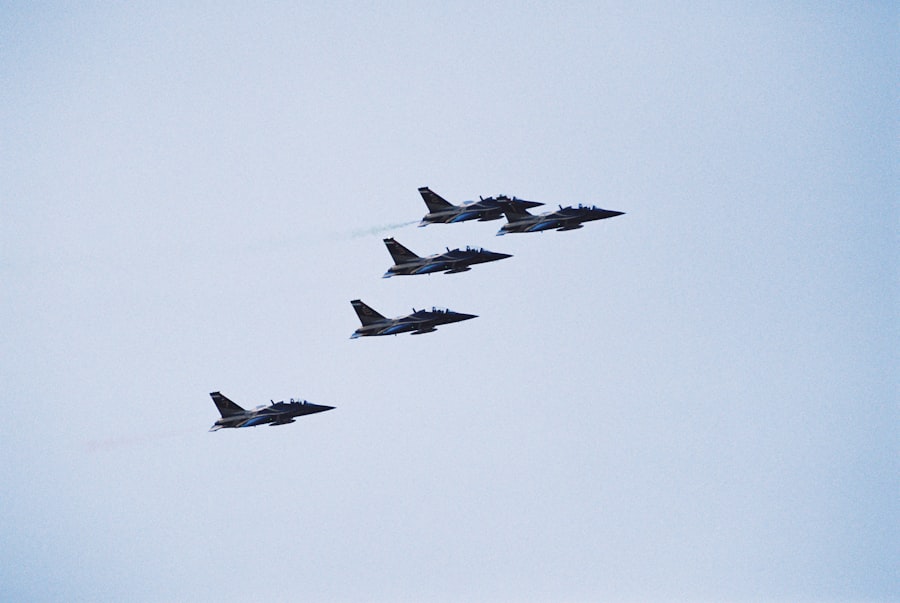
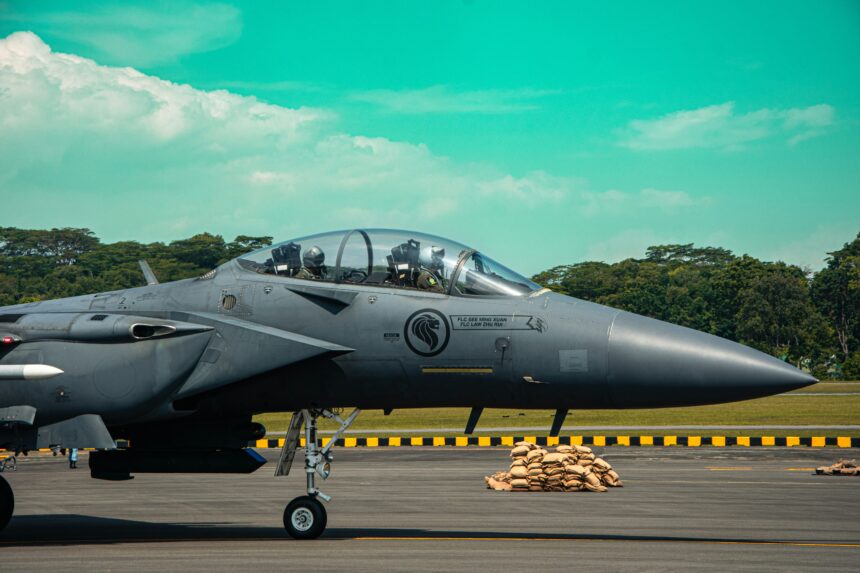
While unmanned systems are transforming the battlefield, manned aircraft are also undergoing a significant evolution, incorporating cutting-edge technologies to maintain their relevance and enhance their effectiveness. The future of manned aviation is characterized by unprecedented speed, enhanced survivability, and revolutionary new weapon systems.
The Hypersonic Imperative
Hypersonic speed, defined as speeds exceeding Mach 5, represents a significant leap in aerial combat capabilities. Aircraft and missiles capable of achieving these speeds can dramatically reduce transit times to targets, making them incredibly difficult to intercept and providing a decisive first-strike advantage.
Hypersonic Missiles for Rapid Global Strike
The development of hypersonic missiles is a key focus for many defense powers. These missiles can be launched from aircraft, ships, or ground-based platforms, delivering payloads to targets anywhere on the globe within minutes. Their speed and maneuverability make them extremely challenging for existing missile defense systems to counter, forcing a re-evaluation of defensive strategies. The strategic implications of rapid global strike capabilities are profound, offering a significant deterrent and a credible offensive option.
The Potential for Hypersonic Aircraft
While the development of fully hypersonic aircraft is still in its nascent stages, research and development are progressing rapidly. Such aircraft would offer unparalleled speed and range, enabling them to project power across vast distances and respond to emerging threats with unprecedented agility. The challenges in materials science, engine technology, and thermal management are significant, but the potential benefits are immense.
Stealth Technology: The Evolution of Invisibility
Stealth technology, which focuses on reducing an aircraft’s radar signature, acoustic emissions, and infrared output, has been a cornerstone of modern air power. Future advancements will further refine these capabilities, making aircraft even more difficult to detect and engage.
Advanced Low-Observable Materials and Design
The ongoing research into advanced low-observable (LO) materials and airframe designs aims to further absorb or deflect radar waves, rendering aircraft virtually invisible to conventional detection systems. This includes not only advancements in radar-absorbent materials (RAM) but also the shaping of aircraft to minimize radar cross-section. The integration of these technologies is becoming increasingly sophisticated, creating platforms that are almost impossible to track.
Multi-Spectral Stealth and Signature Management
Modern stealth goes beyond just radar invisibility. Future aircraft will incorporate multi-spectral stealth, addressing not only radar but also infrared, acoustic, and visual signatures. This holistic approach to signature management ensures that an aircraft remains undetected across a wider range of sensor types, making it significantly more survivable in highly contested environments.
Directed Energy Weapons: A Paradigm Shift in Lethality
Directed energy weapons (DEWs), which utilize concentrated beams of energy to disable or destroy targets, represent a revolutionary departure from conventional projectile-based weaponry. Their potential applications in air warfare are vast and transformative.
Laser Weapons for Defense and Offense
High-energy lasers are being developed for both defensive and offensive roles. Defensively, lasers can be used to intercept incoming missiles, drones, and even aircraft with precision and speed. Offensively, they could be used to disable enemy sensors, communications equipment, or even directly engage targets. The advantages of DEWs include a virtually unlimited magazine (as long as there is power), precision targeting, and the ability to engage targets at the speed of light.
Microwave Weapons for Non-Lethal and Lethal Effects
High-power microwave (HPM) weapons offer a different approach, utilizing electromagnetic radiation to disrupt or damage electronic systems. These weapons can be employed for non-lethal effects, such as disabling enemy surveillance equipment, or for lethal effects, by frying critical electronic components within adversary aircraft or ground systems. The versatility of microwave weapons offers a new dimension to air combat tactics.
The Human Element in an Automated Age

Despite the rapid advancements in automation and AI, the human element remains crucial in air warfare. The role of the pilot is evolving, shifting from direct combat engagement to the management and supervision of increasingly sophisticated unmanned systems and complex digital battlespaces.
The Evolving Role of the Manned Pilot
The manned pilot of the future will likely serve as a commander and supervisor, responsible for making the critical decisions that AI cannot or should not make. They will oversee swarms of drones, manage complex sensor networks, and orchestrate multi-domain operations, leveraging their experience, intuition, and ethical judgment.
Cognitive Load Management and Decision Support
As the complexity of air warfare increases, managing the cognitive load on pilots becomes paramount. Advanced cockpit displays, intelligent decision support systems, and AI-powered assistants will help pilots process vast amounts of information and make timely, effective decisions. The focus will be on providing pilots with the right information at the right time, augmenting their capabilities rather than overwhelming them.
Human-Machine Teaming for Enhanced Effectiveness
The concept of human-machine teaming is central to the future of air warfare. Pilots will work in conjunction with AI systems, leveraging the strengths of both. AI can handle repetitive tasks, analyze data at incredible speeds, and execute complex maneuvers, while pilots provide strategic oversight, intuitive understanding, and the critical human element of judgment and adaptability. This symbiotic relationship will lead to greater operational effectiveness.
Training and Simulation for Future Warfare
The training and simulation paradigms for air warfare are also undergoing a radical transformation. As future conflicts are expected to be highly complex and rapidly evolving, training must adapt to prepare pilots and aircrew for these challenges.
Virtual and Augmented Reality in Pilot Training
Virtual Reality (VR) and Augmented Reality (AR) offer immersive and cost-effective training environments for pilots. VR can simulate a wide range of combat scenarios, allowing pilots to practice complex maneuvers and engage in realistic dogfights without the risks and costs associated with live flight. AR can overlay critical flight information and tactical data onto a pilot’s view of the real world, enhancing situational awareness during training and potentially even during actual missions.
Multi-Domain Simulation for Integrated Operations
The future of warfare is inherently multi-domain, involving the coordinated use of air, land, sea, space, and cyber capabilities. Therefore, training must also become multi-domain. Integrated simulations that allow aircrew to train alongside personnel from other branches of the military and even from allied nations are essential for developing the cohesive operational strategies required for modern conflicts.
Modern air warfare technology has evolved dramatically, incorporating advanced systems that enhance both offensive and defensive capabilities. One fascinating aspect of this evolution is the integration of artificial intelligence in combat aircraft, which allows for improved decision-making and situational awareness. For a deeper understanding of these advancements, you can read a related article that explores the implications of these technologies in contemporary military strategies at In the War Room. This resource provides valuable insights into how air forces around the world are adapting to the challenges of modern conflict.
The Future of Aerial Combat: Adaptability, Lethality, and Autonomy
| Technology | Advantages | Challenges |
|---|---|---|
| Stealth Aircraft | Reduced radar detection, enhanced survivability | High cost, maintenance complexity |
| Unmanned Aerial Vehicles (UAVs) | Long endurance, reduced pilot risk | Limited payload, vulnerability to hacking |
| Electronic Warfare Systems | Disrupt enemy communications, radar jamming | Complexity, susceptibility to countermeasures |
| Advanced Missiles | Precision targeting, long range | Costly development, potential for proliferation |
The trajectory of advanced air warfare technology points towards a future battlefield characterized by unprecedented speed, lethality, and autonomy. The interplay between unmanned systems, sophisticated manned platforms, and advanced digital infrastructure will define the contours of aerial dominance for decades to come.
The Adaptable and Resilient Force
The future military force will need to be highly adaptable and resilient, capable of operating effectively in dynamic and contested environments. This requires not only advanced technology but also flexible doctrines, innovative tactics, and a well-trained and adaptable workforce. The ability to rapidly deploy, reconfigure, and sustain operations across geographically dispersed areas will be a key differentiator.
The Importance of Modular and Scalable Systems
The development of modular and scalable air warfare systems is crucial for ensuring adaptability. This allows for rapid upgrades, reconfiguration for different mission profiles, and efficient integration of new technologies. A modular approach reduces lifecycle costs and ensures that forces can remain at the cutting edge of technological capability.
Resilience in the Face of Adversaries
Adversaries will undoubtedly seek to counter technological advantages. Therefore, future air warfare technology must be designed with resilience in mind. This includes building redundancy into systems, developing sophisticated electronic countermeasures, and employing tactics that can withstand or circumvent enemy attacks. The ability to maintain operational effectiveness even when facing sophisticated threats is paramount.
The Escalation of Lethality and Precision
The ongoing advancements in weapon systems are leading to an escalation in both the lethality and precision of aerial engagement. Technologies like directed energy weapons and advanced guided munitions offer unprecedented capabilities for neutralizing threats with speed and accuracy.
Enhanced Lethal Effects with Minimized Collateral Damage
The push towards more precise targeting and the development of weapons that can deliver both lethal and non-lethal effects offer the potential for greater battlefield effectiveness while minimizing unintended consequences. This is a complex ethical and strategic challenge, but the technological capabilities are rapidly evolving.
The Speed of Engagement and Decision Cycles
The increased speed of both weapon systems and information processing is dramatically shortening decision cycles. This means that forces will need to be able to react and engage targets much faster than before, requiring highly automated systems and well-rehearsed doctrines. The ability to maintain an advantage in these compressed timelines will be critical for success.
The Autonomy Spectrum: From Assistance to Full Control
The spectrum of autonomy in air warfare is expanding, from AI-assisted decision-making to fully autonomous operations. This evolution will continue to drive significant changes in how air combat is conducted.
The Balancing Act Between Human Oversight and AI Autonomy
The challenge lies in finding the right balance between human oversight and AI autonomy. While AI can offer speed and efficiency, human judgment and ethical considerations remain indispensable, particularly in complex and ethically sensitive situations. The development of AI that can reliably identify and defer to human control when necessary will be a key factor.
The Strategic Implications of Autonomous Warfare
The increasing autonomy of weapon systems has profound strategic implications, raising questions about accountability, escalation control, and the very nature of warfare. These are complex issues that require ongoing international discussion and the development of clear ethical frameworks to guide the deployment of these powerful technologies. The future of aerial combat is not just about technological advancement; it is also about the responsible stewardship of these capabilities.

The Hidden Weakness Behind Modern Warfare
FAQs
What is modern air warfare technology?
Modern air warfare technology refers to the advanced equipment, tactics, and strategies used in aerial combat. This includes fighter jets, drones, missiles, radar systems, electronic warfare capabilities, and other cutting-edge technologies.
What are some examples of modern air warfare technology?
Examples of modern air warfare technology include stealth aircraft such as the F-22 Raptor and F-35 Lightning II, unmanned aerial vehicles (UAVs) or drones, advanced missile systems like the AIM-120 AMRAAM, and electronic warfare systems designed to disrupt enemy communications and radar.
How has modern air warfare technology evolved in recent years?
In recent years, modern air warfare technology has evolved to include more advanced stealth capabilities, improved precision-guided munitions, increased reliance on unmanned aerial vehicles, and enhanced electronic warfare capabilities. Additionally, there has been a focus on integrating artificial intelligence and autonomous systems into air warfare technology.
What are the advantages of modern air warfare technology?
The advantages of modern air warfare technology include increased precision and accuracy in targeting, improved survivability through stealth and electronic warfare capabilities, enhanced situational awareness, and the ability to conduct long-range strikes with minimal risk to pilots.
What are the potential future developments in modern air warfare technology?
Potential future developments in modern air warfare technology may include the further integration of artificial intelligence and autonomous systems, advancements in hypersonic weapons technology, the development of directed energy weapons, and the continued evolution of stealth and electronic warfare capabilities.