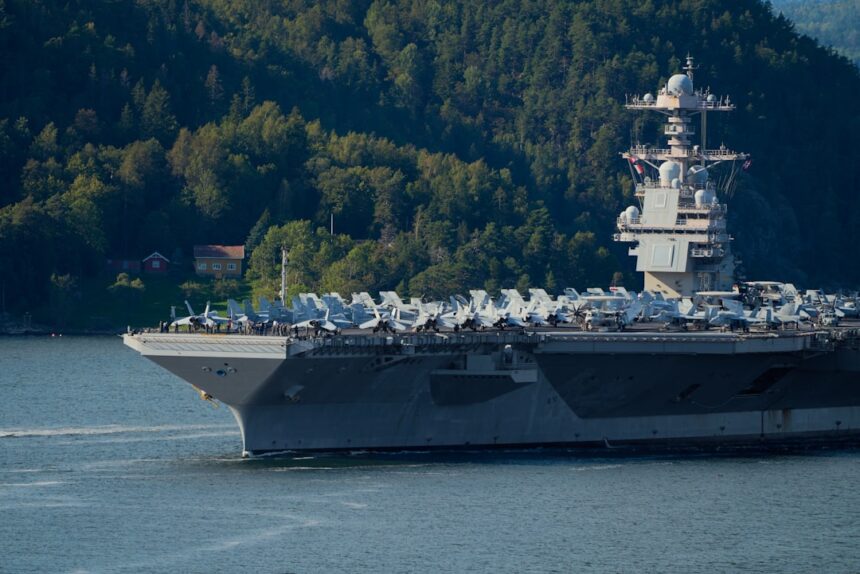
Naval warfare has served as a fundamental component of military strategy throughout human history. Maritime control has frequently determined national outcomes by shaping commercial shipping lanes, territorial acquisition, and interstate power distribution. The development of naval capabilities from ancient rowing vessels to contemporary aircraft carriers demonstrates both technological progress and evolving geopolitical relationships.
Naval warfare encompasses strategic planning, diplomatic considerations, and national defense beyond direct military engagement. Maritime power continues to hold strategic importance as nations compete for global influence. Oceans comprise over 70% of Earth’s surface, establishing them as critical domains for military and economic operations.
The capacity to deploy forces across these extensive maritime areas is fundamental for nations pursuing international influence. Consequently, naval warfare analysis is necessary for understanding modern military doctrine and international relations.
Key Takeaways
- Naval warfare has evolved from traditional ship battles to complex modern strategies integrating technology and information.
- Naval power remains crucial for global security, enabling power projection and diplomatic influence.
- Technological advancements, including information systems, have transformed naval tactics and operational capabilities.
- Modern naval warfare faces challenges such as asymmetric threats and hybrid warfare tactics.
- Future naval warfare will likely emphasize innovation, cyber capabilities, and integrated multi-domain operations.
Evolution of Naval Warfare Tactics
The tactics employed in naval warfare have undergone significant transformations throughout history, shaped by technological innovations and changing strategic imperatives. In ancient times, naval engagements were characterized by close-quarters combat, with ships often ramming into one another or deploying boarding parties to seize control. The introduction of sails and oars allowed for greater maneuverability, enabling fleets to engage in more complex formations and tactics.
With the advent of gunpowder in the late Middle Ages, naval warfare entered a new era. The development of cannons fundamentally altered ship design and tactics, leading to the emergence of line-of-battle tactics where ships would form a line to maximize their firepower against enemy vessels. This period also saw the rise of powerful navies, such as those of Spain and England, which utilized their fleets not only for combat but also for exploration and colonization.
As technology continued to advance, so too did the tactics employed at sea, culminating in the modern era where aircraft carriers and submarines dominate naval strategy.
Role of Naval Warfare in Modern Military Strategy
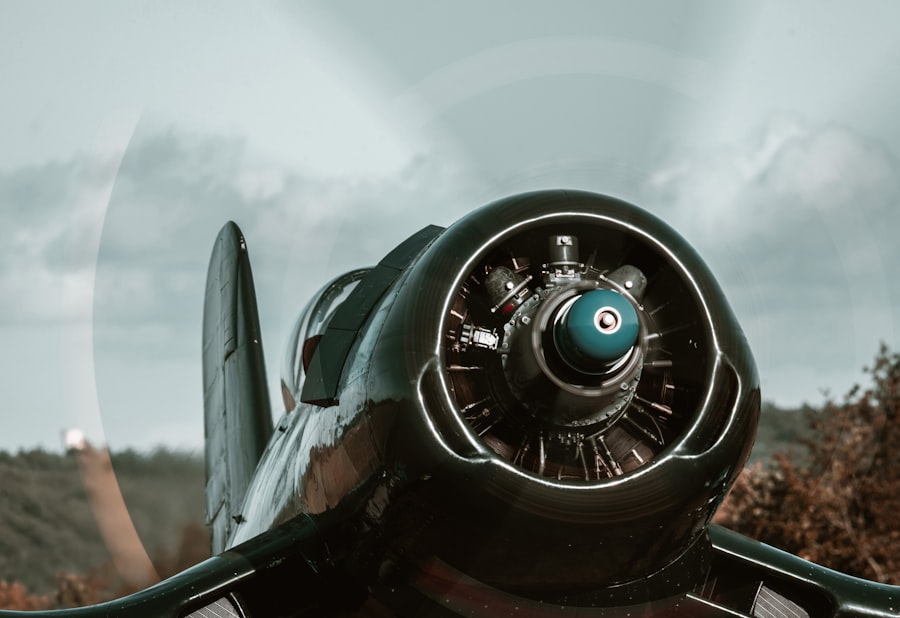
In contemporary military strategy, naval warfare plays a crucial role in ensuring national security and projecting power. Modern navies are not merely instruments of war; they serve as deterrents against potential aggressors and provide a means for rapid response to crises. The ability to deploy naval forces quickly to hotspots around the world allows nations to safeguard their interests and maintain stability in volatile regions.
Furthermore, naval warfare is integral to joint operations involving air and land forces. The coordination between naval assets and other military branches enhances overall operational effectiveness. For instance, aircraft carriers serve as floating airbases, enabling air superiority in conflict zones while providing logistical support for ground troops.
This synergy underscores the importance of naval capabilities in achieving strategic objectives and highlights the evolving nature of warfare in an interconnected world.
Importance of Naval Power in Global Security
Naval power is a cornerstone of global security, influencing international relations and shaping the geopolitical landscape.
Nations with strong navies can protect their interests and assert their influence over critical chokepoints such as the Strait of Hormuz or the South China Sea.
This control not only enhances national security but also contributes to regional stability. Moreover, naval power serves as a deterrent against potential adversaries. A formidable navy can dissuade hostile actions by demonstrating a nation’s willingness and capability to respond decisively to threats.
This deterrence extends beyond traditional state actors; it also encompasses non-state actors such as piracy and terrorism that exploit maritime vulnerabilities. As such, maintaining a robust naval presence is vital for safeguarding global trade and ensuring the free flow of commerce across international waters.
Technological Advancements in Naval Warfare
| Metric | Description | Modern Application | Example |
|---|---|---|---|
| Fleet Size | Number of active naval vessels in a fleet | Determines naval dominance and area control | US Navy: 490+ ships |
| Aircraft Carrier Count | Number of operational aircraft carriers | Power projection and air superiority at sea | China: 3 carriers (as of 2024) |
| Submarine Fleet | Number and type of submarines (nuclear, diesel-electric) | Stealth attack, reconnaissance, and deterrence | Russia: 60+ submarines |
| Missile Range | Maximum effective range of naval missiles | Long-range strike capability against ships and land targets | Tomahawk cruise missile: 1,600 km |
| Electronic Warfare Systems | Capabilities for jamming, deception, and cyber defense | Disrupt enemy sensors and communications | US Navy’s AN/SLQ-32 system |
| Unmanned Systems | Use of drones and autonomous vessels | Surveillance, mine countermeasures, and attack roles | MQ-25 Stingray UAV for refueling |
| Integrated Network-Centric Warfare | Real-time data sharing across platforms | Enhanced situational awareness and coordinated attacks | Aegis Combat System |
| Anti-Submarine Warfare (ASW) Capability | Tools and tactics to detect and neutralize submarines | Protect fleet from underwater threats | Sikorsky MH-60R Seahawk helicopter |
The landscape of naval warfare has been dramatically reshaped by technological advancements over the past century. Innovations such as radar, sonar, and missile technology have revolutionized how navies operate and engage in combat. The introduction of guided missiles has increased the range and lethality of naval forces, allowing them to strike targets with precision from great distances.
This shift has necessitated new tactics and strategies to counter emerging threats. Additionally, advancements in stealth technology have transformed naval operations by enhancing the survivability of vessels in contested environments. Submarines equipped with advanced stealth capabilities can operate undetected, posing significant challenges to traditional surface fleets.
Furthermore, unmanned systems are increasingly being integrated into naval operations, providing new avenues for reconnaissance and strike capabilities without risking human lives. These technological innovations continue to redefine the parameters of naval warfare, compelling nations to adapt their strategies accordingly.
Naval Warfare in the Age of Information
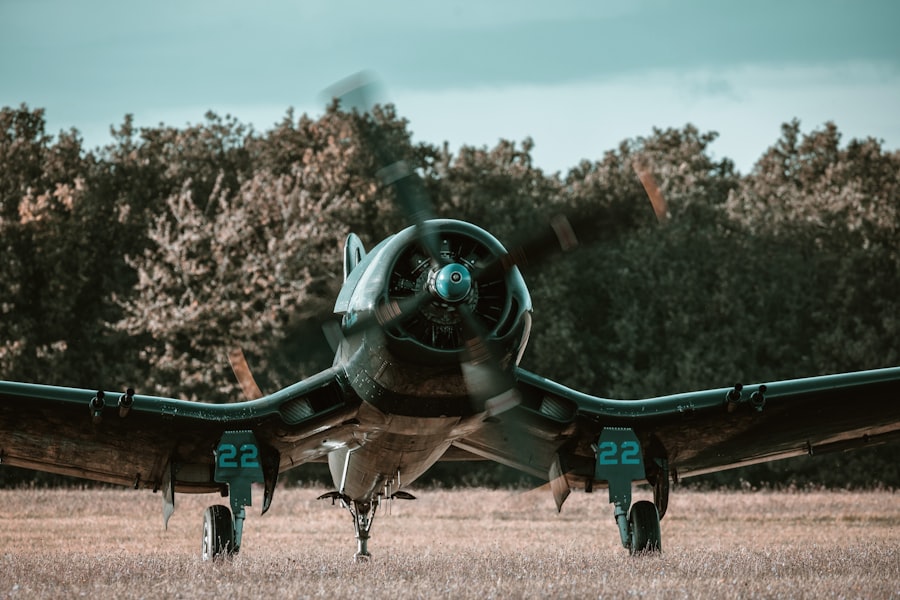
In today’s information-driven world, naval warfare is increasingly influenced by data and intelligence capabilities. The proliferation of satellite technology and advanced communication systems has transformed how navies gather information and coordinate operations. Real-time data sharing among allied forces enhances situational awareness and enables more effective decision-making during engagements.
Moreover, cyber warfare has emerged as a critical component of modern naval operations. As navies become more reliant on digital systems for navigation, communication, and weaponry, they also become vulnerable to cyberattacks that can disrupt operations or compromise sensitive information. This new dimension of warfare necessitates a comprehensive approach that integrates cyber capabilities into traditional naval strategies, ensuring that forces remain resilient against evolving threats.
Challenges and Threats in Modern Naval Warfare
Despite its advancements, modern naval warfare faces numerous challenges and threats that complicate strategic planning and execution. One significant challenge is the rise of asymmetric warfare tactics employed by non-state actors and smaller nations. These entities often utilize unconventional methods such as guerrilla tactics or cyberattacks to counter larger conventional forces, forcing traditional navies to adapt their strategies.
Additionally, geopolitical tensions in key maritime regions pose ongoing threats to naval operations. Disputes over territorial waters, resource exploitation, and freedom of navigation have led to increased confrontations between rival powers. The South China Sea is a prime example where competing claims have resulted in heightened military presence from multiple nations, raising the risk of miscalculation or conflict at sea.
Navigating these complex dynamics requires not only military readiness but also diplomatic finesse to prevent escalation.
Naval Warfare in Hybrid and Asymmetric Warfare
The concept of hybrid warfare has gained prominence in recent years, blurring the lines between conventional military operations and irregular tactics. In this context, navies must be prepared to engage in a spectrum of conflicts that include both traditional state-on-state confrontations and irregular engagements with non-state actors. This requires a versatile approach that combines conventional naval capabilities with counterinsurgency operations and maritime security initiatives.
Asymmetric warfare further complicates this landscape by challenging traditional notions of naval superiority. Smaller nations or non-state actors may employ innovative tactics such as swarming attacks using fast boats or deploying anti-ship missiles from coastal installations to level the playing field against larger fleets.
Naval Diplomacy and Power Projection
Naval diplomacy plays a crucial role in shaping international relations and fostering cooperation among nations. Through joint exercises, port visits, and humanitarian missions, navies can build partnerships that enhance regional stability and promote mutual understanding. These engagements serve not only as demonstrations of military capability but also as opportunities for dialogue and collaboration on shared security challenges.
Power projection is another essential aspect of modern naval strategy. The ability to deploy forces rapidly across vast distances allows nations to respond effectively to crises or conflicts that may arise unexpectedly. Aircraft carriers serve as symbols of national power while providing a platform for air operations that can influence outcomes on land or at sea.
This capability underscores the importance of maintaining a forward presence in key regions to deter aggression and reassure allies.
Future Trends in Naval Warfare
Looking ahead, several trends are likely to shape the future of naval warfare. One prominent trend is the increasing emphasis on unmanned systems, including drones and autonomous vessels, which offer new operational capabilities while reducing risks to personnel. These technologies are expected to play a significant role in reconnaissance missions, anti-submarine warfare, and even offensive operations.
Additionally, the integration of artificial intelligence (AI) into naval operations holds great promise for enhancing decision-making processes and improving operational efficiency. AI can analyze vast amounts of data quickly, providing commanders with actionable insights that can inform tactical choices during engagements. As navies continue to embrace these innovations, they will need to address ethical considerations surrounding autonomous systems and ensure that human oversight remains central to decision-making processes.
The Future of Naval Warfare
The future of naval warfare is poised for transformation as technological advancements continue to reshape the landscape of military operations at sea. While traditional concepts of power projection and deterrence remain relevant, new challenges such as cyber threats and hybrid warfare demand innovative approaches from naval strategists. As nations navigate an increasingly complex geopolitical environment, the importance of maintaining robust naval capabilities cannot be overstated.
Ultimately, the evolution of naval warfare will reflect broader trends in international relations and security dynamics. As states adapt their strategies to address emerging threats while leveraging technological innovations, the role of navies will remain central to ensuring global stability and safeguarding national interests on the high seas. The interplay between diplomacy, technology, and military readiness will define the future trajectory of naval warfare in an ever-changing world.
In the context of modern military strategy, the evolution of naval warfare has become increasingly significant, particularly with the rise of advanced technologies and new geopolitical challenges. A related article that delves into these themes can be found at this link, where it discusses the implications of contemporary naval tactics and their impact on global security dynamics.
FAQs
What is naval warfare in modern military strategy?
Naval warfare refers to the use of naval forces to conduct military operations at sea. In modern military strategy, it involves the deployment of warships, submarines, aircraft carriers, and naval aviation to control sea lanes, project power, and support land operations.
What are the key components of modern naval warfare?
Key components include surface combatants (such as destroyers and frigates), submarines, aircraft carriers, naval aviation, missile systems, electronic warfare, and advanced surveillance and reconnaissance technologies.
How has technology influenced modern naval warfare?
Technology has greatly enhanced naval capabilities through the development of stealth ships, precision-guided missiles, advanced sonar and radar systems, unmanned vehicles, cyber warfare, and network-centric warfare, allowing for more effective detection, targeting, and communication.
What role do aircraft carriers play in modern naval strategy?
Aircraft carriers serve as mobile airbases, enabling power projection far from a nation’s shores. They provide air superiority, support amphibious operations, and enhance maritime security by deploying fighter jets, surveillance aircraft, and helicopters.
How do submarines contribute to naval warfare today?
Submarines are critical for stealth operations, intelligence gathering, and strategic deterrence. They can launch torpedoes and missiles, conduct reconnaissance, and disrupt enemy shipping and communications.
What is the importance of sea control and sea denial in naval strategy?
Sea control involves dominating maritime areas to ensure safe passage for friendly forces and commerce, while sea denial aims to prevent an adversary from using certain sea areas. Both are essential for maintaining strategic advantage in naval warfare.
How do modern navies address threats from missile and cyber warfare?
Modern navies employ missile defense systems, electronic countermeasures, and cyber defense protocols to protect vessels and networks from missile attacks and cyber intrusions, ensuring operational integrity and survivability.
What is the significance of joint operations in modern naval warfare?
Joint operations integrate naval forces with air, land, and special operations units to achieve comprehensive military objectives. This coordination enhances effectiveness in complex combat scenarios and supports broader strategic goals.
How do international laws impact naval warfare?
International laws, such as the United Nations Convention on the Law of the Sea (UNCLOS), regulate naval conduct, territorial waters, and the use of force at sea, aiming to prevent conflicts and ensure freedom of navigation.
What challenges do modern navies face in naval warfare?
Challenges include evolving threats like anti-ship missiles, asymmetric warfare tactics, cyber attacks, maintaining technological superiority, logistical support over vast ocean areas, and adapting to geopolitical shifts affecting maritime security.