The Red Star’s Wings: Soviet Aviation Ascendant
The Cold War, a period of intense geopolitical tension and technological rivalry, saw the Soviet Union emerge as a formidable aerial power. While often viewed through the lens of its formidable land-based forces and nuclear arsenal, the Soviet Air Force (VVS) and its naval aviation arm were at the forefront of innovation and deployment, fielding aircraft that not only challenged Western designs but often defined new paradigms in military aviation. These iconic jets, born from a fierce determination to match and surpass their adversaries, became potent symbols of Soviet might and played crucial roles in shaping global military strategies. From nimble interceptors designed to guard vast skies to heavy bombers capable of projecting power across continents, the Soviet contribution to jet aviation during this era is undeniable and continues to fascinate enthusiasts and historians alike.
The development of Soviet military aircraft during the Cold War was a complex tapestry woven with threads of both indigenous innovation and, at times, the acquisition and adaptation of Western technologies. Following World War II, the Soviet Union rapidly absorbed German jet engine technology, a critical catalyst for its own jet age. However, the subsequent decades saw Soviet designers forge their own distinct path, emphasizing robustness, simplicity, and often exceptional performance envelopes that were tailored to the specific operational requirements and strategic doctrines of the USSR. The sheer scale of the Soviet Union, its vast borders, and its unwavering commitment to military parity with the United States fueled a relentless pursuit of advanced aerial capabilities. This article delves into some of the most significant Soviet military aircraft that etched their names into the annals of aviation history during the Cold War, exploring their design philosophies, operational histories, and lasting legacies.
For those interested in the evolution and impact of Soviet military aircraft, a fascinating article can be found at In the War Room. This piece delves into the technological advancements and strategic significance of various Soviet aircraft during the Cold War, highlighting their role in shaping aerial combat and military doctrine.
Interceptors: Guardians of the Soviet Expanse
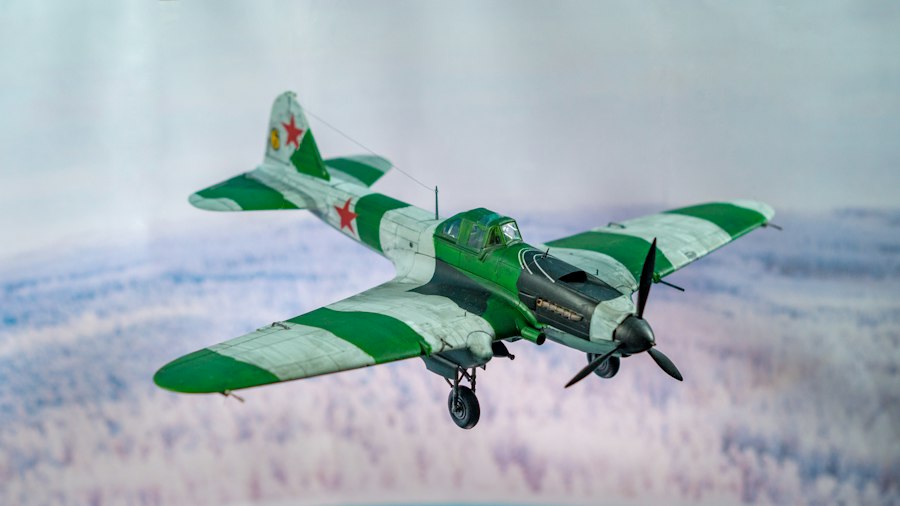
The vastness of Soviet territory, coupled with the constant threat of strategic bomber incursions from NATO, placed an immense burden on the Soviet Air Defence Forces (PVO). The primary mission of the PVO was to detect, intercept, and destroy enemy aircraft before they could reach their targets. This imperative led to the development of a sophisticated and diverse array of interceptor aircraft, each designed to counter specific threats and operate within the unique conditions of the Soviet operating environment. These machines were often characterized by their incredible speed, rapid climb rates, and potent armament, designed for swift, decisive engagements at high altitudes and supersonic speeds.
The MiG Legacy: Masters of the Dogfight and Beyond
The Mikoyan-Gurevich Design Bureau, universally known as MiG, became synonymous with Soviet fighter aviation. Their aircraft were often built for combat, emphasizing agility and firepower, and many became legendary for their performance in air-to-air engagements.
The MiG-15: The Dawn of Jet Combat
Emerging in the late 1940s, the MiG-15 was a revolutionary aircraft. Its swept wings, a direct result of captured German research, gave it superior performance at high speeds compared to its straight-winged contemporaries. The MiG-15’s baptism by fire came during the Korean War, where it proved a formidable opponent to American and UN forces, particularly the F-80 Shooting Star and later the F-84 Thunderjet. Its ability to outmaneuver and outperform these early jets in certain regimes of flight surprised the West and forced a rapid reassessment of air combat doctrine. The Soviet pilots, often highly trained, leveraged the MiG-15’s superior speed and climb rate to engage and disengage at will, forcing the United Nations to develop and deploy the F-86 Sabre, a more capable adversary. The MiG-15’s sleek lines and aggressive performance quickly made it an icon, and it served with numerous air forces around the world for decades, a testament to its enduring design.
The MiG-17: Refining the Frontier
Building upon the success of the MiG-15, the MiG-17, introduced in the early 1950s, represented an evolutionary step forward. While retaining a similar airframe, it incorporated numerous aerodynamic refinements, including improved wing fences and a re-profiled fuselage, to enhance its maneuverability and stability, especially at transonic speeds. The MiG-17 was still primarily a guns-only fighter, but it was also adapted to carry early guided missiles. It saw extensive combat in various conflicts, including Vietnam, where it proved surprisingly adept against American aircraft, often using its agility to get inside the weapons envelopes of more advanced Western fighters. Its reliability and relatively low cost of production made it a widespread export success, and it continued to serve in combat roles long after its successors had taken to the skies.
The MiG-19: The First Soviet Supersonic Fighter
The MiG-19, entering service in the mid-1950s, marked a significant milestone as the first Soviet supersonic fighter aircraft. Its twin-engine design provided the necessary thrust for sustained supersonic flight, and its aerodynamic refinements allowed it to break the sound barrier in level flight. The MiG-19 was armed with cannons and early air-to-air missiles, reflecting the evolving nature of air combat. While it was a leap forward in performance, its early versions suffered from some teething problems and operational complexities. Nevertheless, it laid the groundwork for the supersonic fighters that would follow and contributed to the Soviet Union’s growing capability to intercept high-speed bomber threats.
The MiG-21: The Ubiquitous Fishbed
Perhaps the most widely produced jet fighter in history, the MiG-21 “Fishbed” became an icon of Soviet military aviation. Introduced in the late 1950s, it was a lightweight, relatively simple, and extremely fast interceptor designed for mass production and widespread deployment. Its distinctive delta wing configuration allowed for excellent maneuverability at high speeds and altitudes, and its powerful engine provided impressive climb rates. The MiG-21 was armed with cannons and, crucially, heat-seeking and radar-guided air-to-air missiles, making it a capable interceptor in the missile age. It saw extensive service in numerous conflicts, most notably the Vietnam War, where it proved a challenging adversary for American aircraft due to its speed, agility, and the skill of its pilots. The MiG-21’s incredible longevity is a testament to its robust design, ease of maintenance, and continuous upgrades over decades. It served with over 50 air forces and continues to fly in some countries today, a true testament to its enduring design principles.
The Sukhoi’s Fury: Versatility and Raw Power
While MiG aircraft often focused on air superiority, the Sukhoi Design Bureau, led by Pavel Sukhoi, excelled in producing aircraft with greater emphasis on tactical strike and multi-role capabilities, often embodying raw power and a willingness to push performance boundaries.
The Su-7: A Dedicated Fighter-Bomber
The Su-7, which entered service in the late 1950s, was primarily designed as a tactical fighter-bomber. It featured a variable-geometry wing that was less complex than later designs, providing a good balance of low-speed handling and high-speed performance. The Su-7 was renowned for its ruggedness and ability to operate from austere airfields, a critical consideration for Soviet doctrine. It carried a significant payload of bombs and rockets, making it a potent ground-attack platform. While it could engage in air-to-air combat, its primary role was to deliver ordnance against enemy ground forces and installations. The Su-7 saw considerable service and export, demonstrating its effectiveness as a workhorse of Soviet tactical aviation.
The Su-9/Su-11/Su-13: The “Fishpot” Family
These closely related aircraft, developed in the late 1950s and early 1960s, represented Sukhoi’s contribution to the interceptor role. Often referred to by their NATO reporting name “Fishpot,” they were large, powerful aircraft designed to carry radar-guided air-to-air missiles and engage high-altitude, high-speed targets. The Su-9 was the initial iteration, followed by the improved Su-11, which featured more advanced avionics and a more powerful engine. These aircraft were critical components of the Soviet air defence network, tasked with intercepting strategic bombers like the B-52. Their considerable radar range and missile armament made them a serious threat to any invading bomber fleet.
Strategic Bombers: Projecting Soviet Might
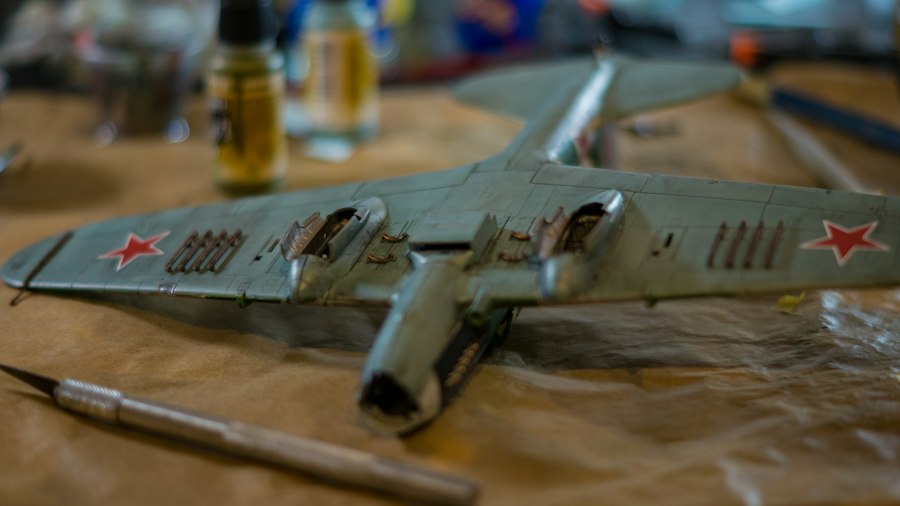
The ability to project power across vast distances was a cornerstone of Soviet military strategy, especially in the context of deterring aggression and responding to perceived threats from NATO. The development of strategic bombers, capable of carrying nuclear and conventional payloads over intercontinental ranges, was a critical component of this strategy. These aircraft were designed to challenge the dominance of American bombers and provide a credible retaliatory capability.
The Bear and the Badger: The Long Reach of the VVS
The Soviet Union invested heavily in developing long-range bombers that could rival or surpass their American counterparts. These aircraft were not only technological marvels but also potent symbols of Soviet ambition and power.
The Tu-95 “Bear”: The Unyielding Giant
The Tupolev Tu-95, NATO reporting name “Bear,” stands as one of the most iconic and enduring strategic bombers of the Cold War. First flown in 1952, its most distinctive feature is its massive turboprop engines, which, while seemingly an anachronism in the jet age, provided exceptional range and efficiency for its time. The Bear was designed to deliver nuclear bombs to targets in the United States, and its immense range made it a constant presence in Western air defence radar screens. Its ability to fly at high altitudes and speeds, coupled with its significant payload, made it a credible deterrent. Over the decades, the Tu-95 has undergone numerous upgrades, including the incorporation of cruise missiles, extending its operational life and relevance well into the 21st century. It remains the only strategic bomber with turboprop engines still in active service today, a testament to its robust and adaptable design. The Bear’s distinctive contrails have been a familiar sight for decades, a constant reminder of the strategic balance of power.
The Tu-16 “Badger”: The Versatile Workhorse
The Tupolev Tu-16, NATO reporting name “Badger,” was a twin-engine jet bomber that entered service in the early 1950s. While not strictly an intercontinental bomber like the Bear, it possessed significant range and versatility, serving in various roles including strategic bombing, maritime reconnaissance, and electronic warfare. The Badger was a robust and adaptable design that saw extensive production and export. Its ability to carry a substantial bomb load or, later, air-launched cruise missiles, made it a valuable asset for projecting Soviet power in regional conflicts and for reconnaissance missions against NATO naval forces. The Badger’s operational career was long and varied, and it served as a crucial element in the Soviet Union’s bomber force for decades.
The Myasishchev M-4 “Bison”: A Brief But Bold Statement
The Myasishchev M-4, NATO reporting name “Bison,” was a four-engine strategic bomber developed in the 1950s to counter the American B-52. It was a powerful and fast aircraft for its era, designed for long-range nuclear missions. However, the M-4 faced significant development challenges and never achieved the widespread success or longevity of the Tu-95 or B-52. Its operational service was relatively short, and it was eventually relegated to roles such as aerial refueling tankers and high-altitude reconnaissance aircraft. Despite its limited operational impact, the M-4 represented a bold attempt by the Soviet Union to match American strategic bomber capabilities and demonstrated their commitment to developing advanced aerospace technology.
Strike and Attack Aircraft: Precision and Power on the Battlefield
Beyond the realm of strategic deterrence and air defence, the Soviet Union also developed a formidable array of strike and attack aircraft designed to provide close air support for ground troops, interdict enemy lines of communication, and engage naval targets. These aircraft were characterized by their ruggedness, ability to operate in harsh conditions, and capacity to carry a significant ordnance load.
The Flanker and the Frogfoot: Dominating the Tactical Skies
Sukhoi continued to be a dominant force in the development of strike aircraft, producing designs that were both highly capable and operationally adaptable.
The Su-24 “Fencer”: The All-Weather Strike Specialist
The Sukhoi Su-24, NATO reporting name “Fencer,” was a dedicated supersonic, all-weather attack aircraft that entered service in the mid-1970s. It featured variable-sweep wings, allowing for excellent performance across a wide range of speeds and altitudes, from low-level penetration at high speeds to efficient cruising. The Su-24 was equipped with advanced radar and navigation systems, enabling it to operate effectively in adverse weather conditions and at night, delivering a wide array of unguided and guided munitions. It was designed to penetrate deep into enemy territory, targeting hardened installations, command centers, and troop concentrations. The Fencer’s robust construction and potent offensive capabilities made it a cornerstone of Soviet tactical air power and a formidable threat on the battlefield.
The Su-25 “Frogfoot”: The Dedicated Ground Attack Warrior
The Sukhoi Su-25, NATO reporting name “Frogfoot,” emerged in the late 1970s as a dedicated close air support aircraft. Unlike many other Soviet combat aircraft that were designed with multi-role capabilities, the Su-25 was optimized for a single, vital mission: supporting ground troops by attacking enemy armor, fortifications, and personnel. Its design emphasized survivability and ruggedness, featuring heavy armor plating, redundant systems, and a titanium “bathtub” protecting the pilot. The Frogfoot’s powerful turbofan engine allowed it to carry a substantial payload of bombs, rockets, and cannons, and it was also capable of carrying air-to-air missiles for self-defense. Its performance in conflicts like the Soviet-Afghan War highlighted its effectiveness and resilience, making it a feared adversary for infantry and armored formations alike. The Su-25’s straightforward design and operational simplicity contributed to its widespread deployment and continued service.
The evolution of Soviet military aircraft has been a fascinating subject for aviation enthusiasts and historians alike. From the iconic MiG series to the formidable Sukhoi fighters, these aircraft played a crucial role during the Cold War era. For those interested in exploring this topic further, a related article can be found at this link, which delves into the technological advancements and strategic implications of Soviet air power. Understanding these developments provides valuable insights into the broader context of military aviation history.
Reconnaissance and Electronic Warfare: Eyes and Ears of the Air Force
| Aircraft Model | Role | First Flight | Max Speed (km/h) | Range (km) | Service Entry | Manufacturer |
|---|---|---|---|---|---|---|
| MiG-21 | Interceptor/Fighter | 1955 | 2,175 | 1,210 | 1959 | Mikoyan-Gurevich |
| Su-27 | Air Superiority Fighter | 1977 | 2,500 | 3,530 | 1985 | Sukhoi |
| Tu-95 | Strategic Bomber | 1952 | 920 | 15,000 | 1956 | Tupolev |
| Mi-24 | Attack Helicopter | 1969 | 335 | 450 | 1972 | Mil |
| Yak-3 | Fighter | 1943 | 650 | 650 | 1944 | Yakovlev |
In the complex and often clandestine world of the Cold War, maintaining situational awareness and disrupting enemy communications were paramount. The Soviet Union developed specialized aircraft for reconnaissance and electronic warfare missions, providing critical intelligence and battlefield control.
The “Probe” and the “Brewer”: Gathering Intelligence and Disrupting Adversaries
These specialized aircraft played a vital, albeit less visible, role in Soviet military operations.
The Yak-28 “Brewer”: A Multi-Role Platform for Diverse Missions
While often categorized as a tactical bomber or interceptor, the Yakovlev Yak-28, NATO reporting name “Brewer,” also served in crucial reconnaissance and electronic warfare roles. Its versatile airframe, originally designed around two powerful turbojet engines, allowed for adaptation to various missions. In its reconnaissance variants, the Yak-28 carried sophisticated cameras and sensors to gather intelligence on enemy movements and installations. Its electronic warfare variants were equipped with jamming equipment to disrupt enemy radar and communications. The Yak-28’s speed and altitude capabilities made it suitable for these high-stakes missions, providing the Soviet military with valuable insights and the ability to degrade enemy operational effectiveness.
The An-12/An-26 Variants: Dedicated EW Platforms
While not as glamorous as fighter jets, dedicated electronic warfare (EW) aircraft were indispensable. Various transport aircraft, such as the Antonov An-12 “Cub” and An-26 “Curl,” were modified to carry specialized EW equipment. These aircraft were tasked with jamming enemy radar and communication systems, providing electronic countermeasures for friendly forces, and gathering signals intelligence. Their ability to loiter over areas of interest for extended periods made them invaluable assets in maintaining air superiority and disrupting enemy operations. These “eyes and ears” of the Soviet Air Force operated behind the scenes, ensuring that Soviet commanders had the information and the electronic advantage necessary for mission success.
The iconic Soviet military aircraft of the Cold War era represent a testament to engineering prowess, strategic foresight, and an unwavering commitment to national defense. From the nimble interceptors that guarded the vast Soviet skies to the thunderous bombers that projected power across continents, these machines played a pivotal role in shaping the geopolitical landscape and defining the trajectory of military aviation. Their designs, often characterized by a blend of robust simplicity and exceptional performance, continue to inspire awe and remain significant chapters in the history of flight. The legacy of these red star wings endures, a powerful reminder of a bygone era of intense technological competition and ideological struggle.
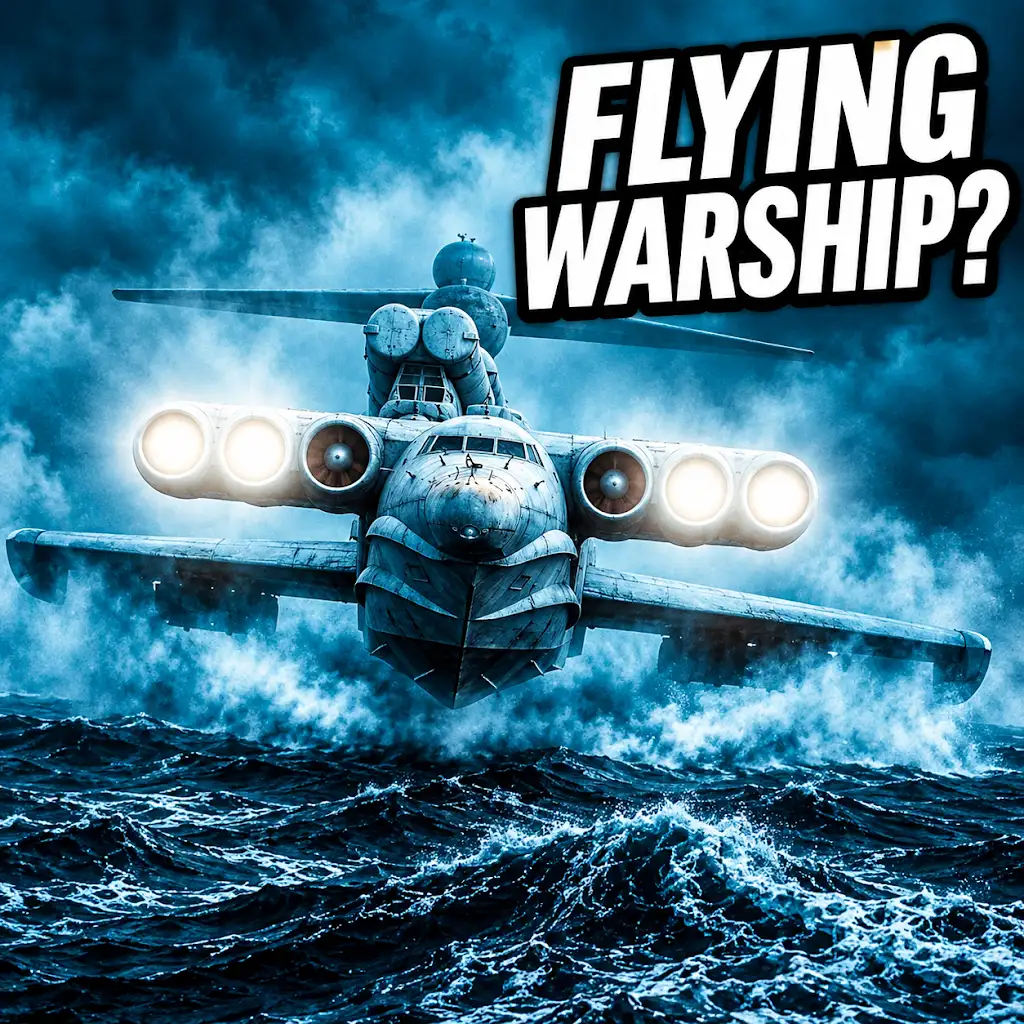
The Soviet Warship That Learned to Fly
FAQs
What were some of the most iconic Soviet military aircraft?
Some of the most iconic Soviet military aircraft include the MiG-21, MiG-29, Su-27, Tu-95, and IL-2 Sturmovik.
How did Soviet military aircraft technology compare to that of other countries?
Soviet military aircraft technology was often on par with or even ahead of other countries, particularly in areas such as maneuverability, speed, and ruggedness.
What role did Soviet military aircraft play during the Cold War?
Soviet military aircraft played a crucial role during the Cold War, with aircraft such as the Tu-95 Bear and the MiG-21 being key components of the Soviet Union’s strategic and tactical air power.
Did Soviet military aircraft see combat in various conflicts around the world?
Yes, Soviet military aircraft saw combat in various conflicts around the world, including the Korean War, Vietnam War, Soviet-Afghan War, and conflicts in the Middle East.
How did the fall of the Soviet Union impact the development and use of military aircraft?
The fall of the Soviet Union led to a significant decline in funding for military aircraft development and maintenance, resulting in many aircraft being retired or sold to other countries.