
The Red Fleet’s Global Ambitions: Soviet Naval Strategy During the Cold War
The Cold War, a period of ideological and geopolitical tension between the United States and the Soviet Union, was defined by a constant, often covert, struggle for global influence. While land and air power frequently dominated public perception, the Soviet Union’s burgeoning naval capabilities played a crucial and multifaceted role in this protracted conflict. From challenging American naval supremacy to projecting Soviet power across vast oceans, the Red Fleet’s strategic evolution and operational impact were profound. Understanding Soviet naval warfare during this era requires an examination of its strategic objectives, the development of its fleet, its operational doctrines, and the lasting consequences of its naval endeavors.
The Soviet Union’s naval warfare strategies during the Cold War were pivotal in shaping maritime conflict dynamics. For a deeper understanding of these strategies and their implications, you can explore the article titled “Soviet Naval Doctrine: A Historical Perspective” available at In The War Room. This article delves into the evolution of the Soviet Navy, its operational tactics, and the impact of its naval presence on global geopolitics.
Forging a Blue-Water Navy: From Coastal Defense to Global Reach
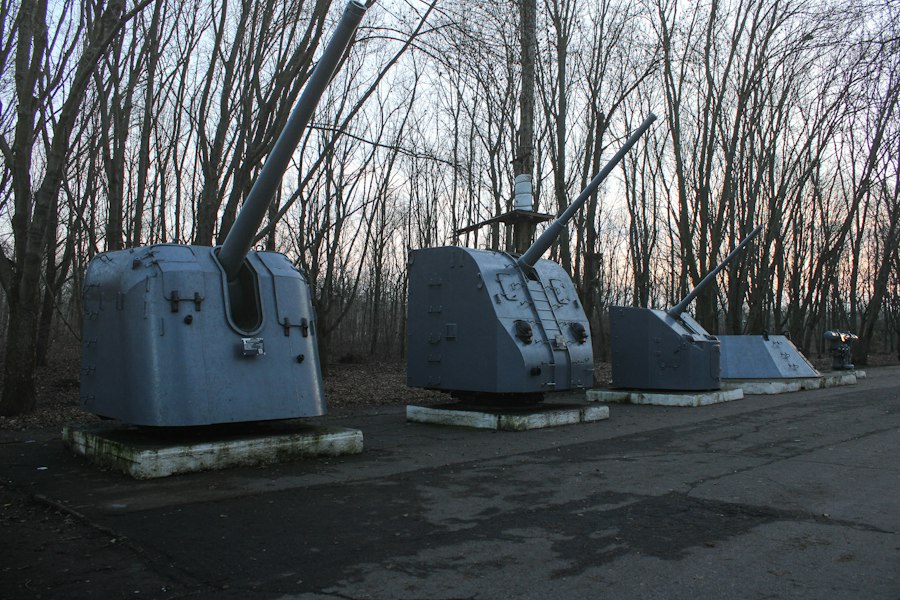
The Soviet Union’s naval journey during the Cold War was one of dramatic transformation. Emerging from World War II with a navy largely focused on coastal defense and limited amphibious operations, the Soviet leadership, under Nikita Khrushchev and later Leonid Brezhnev, recognized the imperative of developing a true blue-water navy. This shift was driven by a desire to counter the United States’ global projection of power, protect vital trade routes, and extend Soviet influence into distant regions. The transformation was not merely quantitative; it involved a fundamental rethinking of naval doctrine and a massive investment in new technologies and shipbuilding.
The Legacy of World War II and the Early Post-War Years
Following the Great Patriotic War, the Soviet Navy found itself in a precarious position. Its pre-war strength had been significantly depleted, and its operational experience was largely confined to the Baltic, Black Sea, and Arctic theaters. The primary focus remained on defending the Soviet coastline from amphibious assault and supporting land operations. The early post-war years saw a gradual rebuilding, with a continued emphasis on submarines and smaller surface vessels. However, the ideological confrontation with the West, particularly the perceived threat of American carrier battle groups and their ability to project power far from U.S. shores, began to sow the seeds of a more ambitious naval future. The Soviet Union’s access to the open ocean was limited by geography, and the dominance of the U.S. Navy in global waters was a constant irritant.
Khrushchev’s Revolution: The Missile Age and Submarine Dominance
Nikita Khrushchev’s tenure marked a pivotal turning point. Recognizing the vulnerability of surface fleets to modern anti-ship missiles and the inherent stealth advantage of submarines, Khrushchev embraced a strategy that prioritized ballistic missile submarines (SSBNs) and attack submarines. This “missile age” philosophy was deeply intertwined with the Soviet Union’s overall nuclear strategy. The ability to launch nuclear missiles from submerged, mobile platforms offered a second-strike capability that was crucial for deterring a first strike by the United States. The development of a substantial SSBN force, including the formidable Typhoon-class submarines, became a cornerstone of Soviet strategic defense. Concurrently, the Soviet Union poured resources into developing a vast fleet of attack submarines, both nuclear and diesel-powered, designed to harass and destroy Western shipping, interdict U.S. naval movements, and counter the U.S. submarine threat. This focus on submarines, while arguably neglecting the development of carrier aviation and larger surface combatants for much of the early period, was a pragmatic response to perceived threats and technological advancements.
Brezhnev’s Era: Towards a Balanced, Global Force
Under Leonid Brezhnev, the Soviet naval strategy began to evolve towards a more balanced approach. While the submarine force remained a top priority, there was a renewed emphasis on building a capable surface fleet. This included the construction of a new generation of cruisers, destroyers, and aircraft carriers (though the latter were primarily designed for vertical/short takeoff and landing (V/STOL) aircraft and anti-submarine warfare rather than traditional carrier operations). The objective was to create a navy capable of projecting power beyond the Soviet Union’s immediate maritime frontiers, supporting allies, and challenging U.S. naval presence in key strategic regions like the Mediterranean, Indian Ocean, and Atlantic. This expansion was also driven by the need to protect Soviet ballistic missile submarines operating in forward areas and to secure vital sea lanes for both military and economic purposes. The development of new naval aviation assets also played a role, with maritime patrol aircraft and carrier-based helicopters contributing to the navy’s growing capabilities.
Strategic Imperatives: Projecting Power and Containing the West

The Soviet Union’s naval strategies were not abstract exercises; they were directly linked to tangible geopolitical objectives. These objectives revolved around containing the perceived expansionism of the United States and its allies, projecting Soviet influence into strategically important regions, and ensuring the security of the Soviet homeland and its maritime interests. The Red Fleet was conceived as a tool to achieve these aims, operating across a spectrum of conflict, from nuclear deterrence to conventional power projection and naval diplomacy.
The Anti-Access/Area Denial (A2/AD) Doctrine
A central tenet of Soviet naval strategy was the development and deployment of capabilities designed for Anti-Access/Area Denial (A2/AD). This doctrine aimed to prevent an adversary, primarily the United States, from freely operating within or projecting power into specific maritime areas deemed vital to Soviet security. This was achieved through a layered defense system, utilizing a combination of advanced submarines, anti-ship missiles launched from surface vessels, aircraft, and shore-based batteries. The intention was to make it prohibitively risky and costly for U.S. naval forces, particularly carrier strike groups, to operate close to Soviet shores or in critical choke points. The proliferation of submarine-launched ballistic missiles and cruise missiles also served as a critical component of this A2/AD strategy, offering a deterrent against amphibious assaults and naval blockades. The Soviet Union’s extensive coastline and its numerous strategically important maritime approaches provided a natural advantage in developing and implementing such a doctrine.
Naval Diplomacy and Support for Allies
Beyond its purely military functions, the Soviet Navy also served as a potent instrument of naval diplomacy. By maintaining a visible presence in various parts of the world, particularly in regions where the U.S. had a strong influence, the Red Fleet signaled Soviet commitment and support to its allies and client states. Deployments to the Mediterranean, the Indian Ocean, and the Caribbean were not merely shows of force; they were intended to reassure allies, deter potential adversaries, and provide a tangible demonstration of Soviet global reach. Soviet naval vessels also engaged in port calls, joint exercises, and the provision of logistical support to friendly nations. This diplomatic role was crucial in bolstering the Soviet Union’s international standing and in counterbalancing American influence in key geopolitical arenas. Furthermore, the navy played a role in supporting Soviet intelligence gathering and reconnaissance operations, providing vital information on Western naval movements and capabilities.
Protecting Soviet Sea Lines of Communication (SLOCs)
The Soviet Union, despite its continental strengths, was increasingly reliant on maritime trade for economic prosperity and resource acquisition. Protecting its own Sea Lines of Communication (SLOCs) was therefore a critical strategic imperative. This involved ensuring the safe passage of Soviet merchant vessels and tankers through international waters, which were increasingly patrolled by NATO naval forces. The Soviet Navy developed doctrines and deployed assets specifically designed to counter the threat of submarine and surface interdiction of its SLOCs. This included the deployment of escort vessels, anti-submarine warfare (ASW) aircraft, and submarines tasked with deterring and defeating enemy attacks on Soviet shipping. Conversely, the Soviet Navy also aimed to interdict Western SLOCs, particularly those vital to the economic and military sustainment of NATO nations, thereby leveraging its offensive submarine capabilities as a potent strategic weapon.
The Red Fleet’s Arsenal: Submarines, Surface Combatants, and Aviation
The Soviet Union’s pursuit of naval power was underpinned by a remarkable feat of industrial and technological development. Faced with a formidable adversary in the U.S. Navy, the Soviets invested heavily in a diverse range of naval platforms, each designed to fulfill specific strategic roles. From the silent hunters of the deep to the imposing cruisers that patrolled distant oceans, the Red Fleet’s arsenal was a testament to its ambition and its determination to challenge the global maritime order.
The Silent Giants: Soviet Submarine Development
The Soviet submarine force was arguably the most significant component of the Red Fleet. Its development was driven by the strategic imperative of nuclear deterrence and the desire to disrupt Western sea lanes. The range and sophistication of Soviet submarines evolved dramatically throughout the Cold War. The early diesel-electric submarines were gradually replaced by nuclear-powered attack submarines (SSNs) and ballistic missile submarines (SSBNs). The SSNs, such as the Victor and Akula classes, were designed for hunting other submarines and surface ships, employing advanced sonar and weaponry. The SSBNs, culminating in the massive Typhoon class, carried intercontinental ballistic missiles, providing a crucial second-strike capability. The Soviet Union also developed unique submarine designs, such as the Alfa class, which were exceptionally fast and deep-diving, presenting a formidable challenge to Western ASW efforts. The sheer numbers and increasing technological prowess of the Soviet submarine fleet were a constant concern for NATO strategists.
Surface Fleets: From Missile Cruisers to Carriers
While submarines were the backbone, the Soviet Union also invested in a robust surface fleet. This included a wide array of vessels, from small, agile missile boats to large, heavily armed cruisers and destroyers. The emphasis was often on offensive missile capabilities, with many Soviet surface combatants equipped with potent anti-ship missile systems like the SS-N-12 Sandbox and the SS-N-19 Shipwreck. These vessels were designed to strike enemy fleets from significant distances. The development of Soviet aircraft carriers was more complex and less successful compared to their American counterparts. The early carriers, such as the Kiev class, were primarily designed to carry V/STOL aircraft and helicopters, focusing on anti-submarine warfare and air defense rather than strike operations. While later designs, like the Kuznetsov, were intended to operate conventional fixed-wing aircraft, they still faced limitations in terms of catapult systems and deck facilities. Nevertheless, the presence of these carriers and other large surface combatants allowed the Soviet Navy to project power into distant oceans and demonstrate its global reach.
Naval Aviation: Eyes and Claws of the Fleet
Naval aviation played an indispensable role in Soviet naval warfare. Maritime patrol aircraft, such as the Tu-95 “Bear” and the Il-38 “May,” provided critical intelligence, surveillance, and reconnaissance (ISR) capabilities, tracking enemy naval movements and guiding submarine and surface attacks. Anti-submarine warfare (ASW) aircraft and helicopters were essential for hunting enemy submarines, a critical task given the pervasive Soviet submarine threat. Carrier-based aviation, though limited by the nature of Soviet carriers, contributed to air defense and ASW operations. Furthermore, shore-based bomber aircraft armed with anti-ship missiles were often considered an integral part of the Soviet Navy’s offensive strike capabilities, capable of launching devastating attacks against enemy fleets from forward bases. This integrated approach, combining submarines, surface vessels, and a diverse naval aviation arm, created a formidable and multifaceted naval force.
The complexities of Soviet Union naval warfare during the Cold War era are explored in depth in a fascinating article that delves into the strategies and technologies employed by the Soviet fleet. This piece highlights how the Soviet Navy aimed to counterbalance NATO forces and maintain a formidable presence in global waters. For a more comprehensive understanding of these tactics and their implications, you can read the full article here.
Operational Doctrines and Challenges: Navigating the Global Seas
| Metric | Details |
|---|---|
| Active Service Period | 1917 – 1991 |
| Number of Submarines | Approximately 300 at peak |
| Number of Surface Combatants | Over 200 ships including cruisers, destroyers, and frigates |
| Primary Naval Strategy | Sea denial and nuclear deterrence |
| Key Naval Bases | Sevastopol, Vladivostok, Murmansk, Baltiysk |
| Notable Naval Engagements | World War II Baltic and Black Sea operations, Cold War submarine patrols |
| Aircraft Carriers | 1 – Kiev-class (operational during late Cold War) |
| Missile Systems | SS-N-6, SS-N-19, SS-N-21 anti-ship and cruise missiles |
| Naval Aviation | Naval bombers, fighters, and anti-submarine aircraft |
| Personnel Strength | Approximately 400,000 at peak |
The Soviet Union’s strategic aspirations and its impressive arsenal were put to the test through a variety of operational doctrines. These doctrines were shaped by the realities of naval warfare, the technological limitations and advantages of the era, and the constant pressure of facing the technologically superior U.S. Navy. The challenges faced by the Red Fleet were significant, ranging from logistical complexities to the inherent limitations of operating a global navy.
The “Forward Edge” Doctrine and Fleet Operations
A key operational concept for the Soviet Navy was the “Forward Edge” doctrine. This strategy aimed to position Soviet naval forces as close as possible to potential conflict zones, particularly in the Atlantic and Pacific, to intercept and engage NATO forces before they could reach Soviet territory. This involved extensive deployments of submarines and surface combatants into the so-called “GIUK gap” (Greenland, Iceland, United Kingdom) and other strategic choke points. The objective was to deny NATO unfettered access to the Atlantic and to disrupt reinforcement and resupply routes. Operations often involved coordinated attacks by submarines and naval aviation, as well as the use of large numbers of relatively inexpensive, but heavily armed, missile boats to overwhelm defenses. The “Forward Edge” doctrine was inherently risky, requiring constant vigilance and a high degree of operational readiness, but it reflected the Soviet Union’s determination to project power and influence far from its home ports.
The Submarine Threat: ASW and the Silent Hunt
The sheer number and increasing sophistication of Soviet submarines posed a perennial challenge for the U.S. Navy and its NATO allies. The primary countermeasure was Anti-Submarine Warfare (ASW). This involved a complex and technologically driven effort to detect, track, and destroy enemy submarines. NATO invested heavily in sonar technology, acoustic analysis, airborne ASW platforms, and dedicated ASW escorts. However, Soviet submarines were designed to operate stealthily, employing advanced noise reduction techniques and operating in challenging acoustic environments. The “silent hunt” was a deadly game of cat and mouse, where both sides constantly sought to gain an advantage. The Soviet Union’s ability to field a large, capable submarine fleet was a significant factor in the Cold War’s naval balance, forcing the U.S. and its allies to dedicate immense resources to ASW.
Logistical Challenges and Global Reach
Operating a global navy presented immense logistical challenges for the Soviet Union. Maintaining a sustained presence in distant oceans required extensive logistical support, including fuel, provisions, spare parts, and maintenance facilities. The Soviet Union lacked the extensive network of overseas bases that the United States enjoyed, forcing it to rely more heavily on replenishment at sea and the use of “tramp” ships to support its deployed fleets. This limited the endurance and operational flexibility of Soviet naval forces compared to their American counterparts. Furthermore, the vast distances involved in projecting power across the Pacific or Atlantic placed significant strain on Soviet resources and infrastructure. Despite these challenges, the Soviet Navy demonstrated a remarkable ability to maintain a significant presence in key global maritime areas, a testament to its determination and its growing logistical capabilities.
The Legacy of the Red Fleet: Shifting Tides and Enduring Influence
The collapse of the Soviet Union in 1991 brought an end to the Cold War and dramatically reshaped the global naval landscape. However, the impact of Soviet naval warfare during this era continues to resonate. The strategic doctrines developed, the technological innovations spurred, and the geopolitical implications of the Red Fleet’s activities left an indelible mark on naval strategy and international relations.
The Arms Race and Technological Innovation
The intense naval competition between the Soviet Union and the United States fueled a relentless arms race, driving innovation in naval technology. The development of more advanced submarines, anti-ship missiles, sonar systems, and electronic warfare capabilities was a direct consequence of this rivalry. Both sides pushed the boundaries of what was possible, leading to breakthroughs that have had lasting impacts on naval warfare. The Soviet emphasis on missile technology, for example, significantly influenced the development of anti-ship weapon systems globally. Similarly, the U.S. response to the Soviet submarine threat spurred advancements in ASW technology that continue to be relevant today.
The Geopolitical Balance of Power
The Soviet Union’s naval ambitions played a significant role in shaping the geopolitical balance of power during the Cold War. The Red Fleet’s ability to project power and challenge U.S. naval dominance in key regions forced the United States to maintain a constant state of readiness and to allocate significant resources to its own naval forces. This naval competition influenced diplomatic relationships, regional conflicts, and the overall global strategic calculus. The presence of Soviet naval assets in areas like the Mediterranean and the Indian Ocean was a constant reminder of the Soviet Union’s global reach and its willingness to compete for influence, thereby shaping the perceptions and actions of numerous nations.
Post-Soviet Naval Decline and Resurgence
Following the dissolution of the Soviet Union, the Russian Navy, its successor, experienced a period of significant decline due to economic hardship and political upheaval. Many of its advanced vessels were decommissioned, and shipbuilding programs faltered. However, in recent years, Russia has embarked on a program of naval modernization and expansion, seeking to reclaim some of its former naval prestige. While the scale and scope of this resurgence are debated, the historical legacy of the Soviet naval experience continues to inform Russia’s contemporary naval strategy and its ambitions on the world’s oceans. The lessons learned, the technologies developed, and the strategic objectives pursued during the Cold War era provide a crucial context for understanding the ongoing evolution of naval power and its enduring significance in the 21st century.

The Soviet Warship That Learned to Fly
FAQs
What was the role of the Soviet Union navy during World War II?
The Soviet Union navy played a crucial role during World War II by protecting vital supply routes, conducting amphibious operations, and engaging in naval battles against the German Navy in the Baltic and Black Seas.
What were the major naval engagements involving the Soviet Union during World War II?
Some of the major naval engagements involving the Soviet Union during World War II include the Battles of the Black Sea, the Baltic Sea Campaign, and the Arctic Convoys where Soviet ships escorted Allied convoys to Murmansk.
How did the Soviet Union navy contribute to the Allied victory in World War II?
The Soviet Union navy’s efforts in protecting supply lines, disrupting enemy operations, and supporting amphibious landings played a significant role in the overall Allied victory in World War II, especially on the Eastern Front.
What were the main challenges faced by the Soviet Union navy during World War II?
Some of the main challenges faced by the Soviet Union navy during World War II included a lack of modern warships, limited naval infrastructure, harsh weather conditions in the Arctic, and the threat of German naval superiority in certain regions.
How did the Soviet Union navy evolve in the post-World War II era?
In the post-World War II era, the Soviet Union navy underwent modernization and expansion, developing a blue-water fleet capable of projecting power globally, including the deployment of nuclear-powered submarines and aircraft carriers.