The Soviet Union, a global superpower for much of the 20th century, consistently pushed the boundaries of military technology. Driven by ideological competition with the West and the perpetual threat of conflict, Soviet engineers and designers produced a stunning array of advanced weapons that not only defended the vast socialist state but also profoundly influenced the course of military history. These innovations, born out of necessity and a unique approach to research and development, left an indelible mark on everything from tank warfare to space exploration and nuclear deterrence. Examining these key advancements offers a crucial understanding of the Cold War’s technological arms race and its lasting global impact.
The Iron Fist: Armored Warfare Innovations
The Eastern Front of World War II witnessed a revolution in armored warfare, with the Soviet Union at the forefront of this transformation. Their tanks were not just tools of war; they were symbols of Soviet industrial might and tactical ingenuity. The development and deployment of powerful, innovative armored vehicles fundamentally altered battlefield dynamics and set new standards for tank design worldwide.
The T-34: A Game Changer in World War II
The T-34 medium tank, introduced in 1940, is arguably the most influential tank design of the 20th century. Its success was not merely in its numbers, but in its revolutionary combination of firepower, protection, and mobility. At a time when most tanks featured vertical armor, the T-34’s sloped armor was a revelation. This angling significantly increased the effective thickness of the armor, causing enemy shells to ricochet rather than penetrate. This design innovation was so effective that it compelled German tank designers to rethink their own approaches.
The T-34’s 76mm gun, later upgraded to a formidable 85mm gun on the T-34/85 variant, provided superior firepower compared to many of its contemporaries. Its diesel engine offered better fuel efficiency and reduced the risk of fire compared to gasoline engines, a critical advantage in prolonged combat. Furthermore, its relatively simple design facilitated mass production, allowing the Red Army to overwhelm the Wehrmacht with sheer numbers, especially in the latter half of the war. The T-34’s impact extended beyond its battlefield performance; its design principles were studied and emulated by tank manufacturers across the globe for decades.
The IS-3: Post-War Heavy Tank Dominance
Following the T-34, the Soviet Union continued to push the envelope in heavy tank design. The Iosif Stalin (IS) series of tanks culminated in the IS-3, which entered service just as World War II concluded. The IS-3 was a testament to the continuing evolution of Soviet armored doctrine, incorporating lessons learned from the war and anticipating future threats.
Its most striking feature was its “pike-nose” hull, a highly angled frontal glacis plate that further enhanced ballistic protection. This design was a bold statement of Soviet commitment to superior frontal armor, a critical factor in anticipated engagements with heavily armed Western tanks. Armed with a powerful 122mm D-25T gun, the IS-3 possessed the capability to engage and destroy any enemy tank of its era. While its production numbers were not as vast as the T-34’s, the IS-3’s intimidating appearance and formidable capabilities significantly influenced the design of subsequent heavy tanks, including those developed by NATO. Its presence in Soviet arsenals served as a potent deterrent and a clear signal of their continued dedication to armored supremacy.
The development of advanced weapons during the Soviet Union era has been a topic of extensive research and analysis, highlighting the technological innovations that shaped military strategies. For a deeper understanding of these advancements and their implications, you can read a related article that explores the intricate details of Soviet military technology and its impact on global security dynamics. Check it out here: Soviet Union Advanced Weapons.
Guardians of the Sky: Aviation and Air Defense
The Soviet Union placed immense emphasis on developing a robust air force and a sophisticated air defense network. This focus stemmed from the vulnerability of its vast territory and the recognition of air power’s decisive role in modern warfare. Their advancements in fighter aircraft, bombers, and surface-to-air missile systems were instrumental in shaping global air combat doctrines and the strategic balance of power.
The MiG-15: A Cold War Icon
The Mikoyan-Gurevich MiG-15, a jet-powered fighter aircraft, burst onto the scene during the Korean War, shocking the United Nations forces. Its swept wings, a design feature borrowed from German research but expertly refined by Soviet engineers, allowed it to achieve speeds approaching the sound barrier, giving it a significant advantage in high-altitude dogfights against earlier straight-winged American jets like the F-80 Shooting Star.
The MiG-15’s armament, typically two 23mm cannons and one 37mm cannon, delivered devastating firepower. The combination of speed, maneuverability at high altitudes, and potent weaponry made the MiG-15 a formidable adversary. Its widespread deployment by the Soviet Union and its allies quickly altered the landscape of air combat. The threat posed by the MiG-15 forced the United States to accelerate its development of more advanced fighters, such as the F-86 Sabre, leading to an intense aerial arms race. The MiG-15 remains one of the most produced jet fighters in history, a testament to its successful design and its profound impact on fighter aircraft development.
The S-75 Dvina (SA-2 Guideline): Revolutionizing Air Defense
The S-75 Dvina, NATO codename SA-2 Guideline, was a Soviet surface-to-air missile (SAM) system that fundamentally changed the nature of air defense. Deployed in the late 1950s, the SA-2 was a high-altitude, medium-range missile designed to engage bombers and other high-flying targets. Its introduction marked a significant shift from traditional anti-aircraft artillery to guided missile technology.
The SA-2’s effectiveness was demonstrated dramatically during the Vietnam War, where it inflicted heavy losses on American aircraft, forcing the U.S. to develop electronic countermeasures and adjust its bombing tactics. It was also famously used by the Egyptians and Syrians during the Yom Kippur War to great effect against Israeli aircraft. The SA-2’s success spurred the development of similar SAM systems by other nations, including the United States’ Nike Ajax and Nike Hercules, and initiated a new era of strategic competition between offensive air power and defensive missile systems. The SA-2 demonstrated that ground-based missiles could pose a serious threat to even the most advanced aircraft, forcing a reassessment of air superiority doctrines.
The Shadow of the Mushroom Cloud: Nuclear Deterrence
The Cold War was defined by the specter of nuclear annihilation, and the Soviet Union’s pursuit of nuclear weapons was a central pillar of its military strategy. Their development of intercontinental ballistic missiles (ICBMs) and strategic bombers capable of delivering nuclear payloads created a global balance of terror, profoundly shaping international relations and military planning for decades.
The R-7 Semyorka: The Rocket That Opened the Space Age and Extended Reach
While initially conceived as a strategic weapon, the R-7 Semyorka ICBM holds a unique place in military and historical innovation. It was the world’s first intercontinental ballistic missile, successfully launched in 1957. This monumental achievement not only demonstrated the Soviet Union’s capability to deliver a nuclear warhead to distant targets but also inadvertently launched the Space Age.
The R-7’s ability to carry a significant payload over vast distances made it a formidable strategic asset. However, its true legacy lies in its modification for spaceflight. The R-7’s robust design and powerful booster rockets were adapted to launch Sputnik 1, the first artificial satellite, followed by Yuri Gagarin, the first human in space. This dual-purpose nature highlights a common Soviet approach: leveraging military research for civilian advancements. The R-7’s success in both military and space applications underscored the interconnectedness of these technological frontiers and showcased Soviet prowess in rocketry.
The Tu-160 Blackjack: A Supersonic Symbol of Power
The Tupolev Tu-160, codenamed “Blackjack” by NATO, is a variable-sweep wing heavy strategic bomber that represents the pinnacle of Soviet long-range aviation. Introduced in the 1980s, it is the largest and heaviest supersonic combat aircraft ever built, and the fastest bomber currently in service. Its design was driven by the need for a bomber that could penetrate NATO’s air defenses at supersonic speeds.
The Tu-160 is capable of carrying a massive payload of both conventional and nuclear missiles, including the Kh-55 cruise missile. Its variable-sweep wing design allows it to achieve high speeds for penetration and to fly efficiently at lower speeds for longer patrols. The sheer scale and performance of the Tu-160 made it a potent symbol of Soviet strategic power and a significant deterrent. While its numbers are relatively small compared to other Soviet aircraft, its technological sophistication and offensive capabilities made it a crucial component of the Soviet nuclear triad, projecting power and influence across vast distances.
The Silent Guardians: Submarine Warfare and Naval Power
The Soviet Union’s commitment to naval power, particularly its submarine fleet, was a critical element of its Cold War strategy. The ability to project power and conduct reconnaissance beneath the waves offered a unique and menacing dimension to their military might. Soviet submarines were designed with stealth, endurance, and offensive capability in mind, posing a constant challenge to Western naval dominance.
The Typhoon-Class Submarine: The Largest Submersible Warship Ever
The Akula-class or Typhoon-class submarine, developed by the Soviet Union, stands as the largest submarine ever constructed, a testament to their ambition in underwater warfare. These behemoths, commissioned in the early 1980s, were designed to carry a devastating payload of 20 D-5 SLBMs (Submarine-Launched Ballistic Missiles), each equipped with multiple nuclear warheads.
The Typhoon-class represented the ultimate in Soviet strategic nuclear deterrence from the sea. Their immense size allowed for extended patrol times and greater comfort for the crew, crucial for prolonged deployments. Their design incorporated advanced noise reduction techniques for their era, aiming for a degree of stealth despite their massive dimensions. The mere existence of the Typhoon-class submarines, capable of launching a devastating first or second strike, was a significant factor in the strategic nuclear balance and a constant worry for NATO navies. They embodied the Soviet commitment to maintaining a powerful and survivable nuclear deterrent.
The Kilo-Class Submarine: The Ubiquitous Conventional Threat
While the Typhoon-class represented the pinnacle of strategic nuclear deterrence, the Kilo-class (Project 877) diesel-electric submarine became a widely exported and highly successful conventional submarine. Introduced in the early 1980s, the Kilo-class was known for its quiet operation, reliability, and cost-effectiveness, making it a popular choice for navies around the world.
The Kilo-class submarines were equipped with advanced sonar systems and armed with torpedoes and anti-ship missiles, making them a potent threat to surface vessels. Their diesel-electric propulsion allowed for extended submerged operations, offering a significant advantage in stealth and operational flexibility. The widespread proliferation of the Kilo-class demonstrated the Soviet Union’s ability to produce not only cutting-edge strategic weapons but also highly effective conventional platforms that could be fielded by allied nations. Their presence in numerous navies continues to influence regional naval balances and asymmetric warfare doctrines.
The development of advanced weapons during the Soviet Union era has been a topic of great interest for historians and military enthusiasts alike. These innovations not only reflected the technological prowess of the time but also played a crucial role in the Cold War dynamics. For a deeper understanding of this subject, you can explore a related article that delves into the specifics of these weapons and their impact on global security. To read more about this fascinating topic, visit this article.
Electronic Warfare and Strategic Intelligence
| Weapon System | Type | Introduction Year | Key Features | Operational Range | Notes |
|---|---|---|---|---|---|
| MiG-25 Foxbat | Interceptor/Fighter | 1970 | High speed (Mach 2.83+), high altitude | 1,860 km | One of the fastest military aircraft ever built |
| T-80 Main Battle Tank | Tank | 1976 | Gas turbine engine, composite armor | 500 km (road) | First production tank with a gas turbine engine |
| SS-18 Satan (R-36M) | Intercontinental Ballistic Missile (ICBM) | 1975 | Multiple independently targetable reentry vehicles (MIRVs) | 16,000 km | One of the heaviest ICBMs ever deployed |
| Ka-50 Black Shark | Attack Helicopter | 1982 (prototype) | Single-seat, coaxial rotors, advanced targeting systems | 460 km | Unique single-seat design with ejection seat |
| Su-27 Flanker | Air Superiority Fighter | 1985 | Long range, high maneuverability, advanced avionics | 3,530 km | Basis for many modern Russian fighters |
| Project 941 Akula (Typhoon-class) | Ballistic Missile Submarine | 1981 | Largest submarines ever built, multiple missile tubes | Unlimited (submerged endurance limited by supplies) | Carried 20 RSM-52 missiles with MIRVs |
Beyond the physical manifestations of military might, the Soviet Union invested heavily in the unseen realms of electronic warfare and strategic intelligence. These capabilities were crucial for disrupting enemy communications, gathering vital intelligence, and protecting their own forces from electronic threats. Their innovations in these areas were as impactful as their more visible weaponry.
The Krasukha-4: A Sophisticated Electronic Warfare System
The Krasukha-4 is a mobile electronic warfare system designed to jam and disrupt enemy radar and other electronic signals. Developed and deployed by Russia (and by extension, its predecessor, the Soviet Union), systems like Krasukha represent a significant advancement in electronic warfare capabilities.
These systems are capable of detecting and analyzing incoming radar signals and then emitting jamming signals to blind or confuse enemy sensors. This capability is critical for protecting ground forces, aircraft, and naval vessels from detection and targeting. In a modern battlefield, where electronic systems are ubiquitous, the ability to control the electromagnetic spectrum is paramount. The development and deployment of sophisticated EW systems like the Krasukha-4 underscore the Soviet Union’s understanding of the importance of this often-overlooked aspect of warfare, significantly influencing how military operations are planned and executed in the modern era.
The Vostok Programme: Space-Based Reconnaissance and Early Warning
While often celebrated for its civilian achievements, the Soviet Vostok program, and its successors, had significant military implications. The ability to place satellites into orbit for reconnaissance and early warning purposes provided the Soviet Union with an unprecedented view of global military activities.
Satellites equipped with sophisticated imaging systems could monitor troop movements, missile deployments, and naval operations, providing invaluable intelligence to Soviet strategists. Furthermore, early warning satellites were developed to detect missile launches, providing crucial seconds of advance notice for a retaliatory strike. This space-based intelligence gathering capability was a cornerstone of the Soviet Union’s strategic posture, allowing them to maintain situational awareness and react effectively to perceived threats. The integration of space-based assets into military planning marked a new frontier in intelligence gathering and strategic defense.
In conclusion, the advanced weaponry developed by the Soviet Union represents a critical chapter in military history. From the revolutionary T-34 tank to the silent threat of the Typhoon-class submarine, Soviet engineers and designers consistently pushed the boundaries of what was technologically possible. Their innovations in aviation, air defense, nuclear deterrence, and electronic warfare not only shaped the Cold War but continue to influence modern military doctrine and technological development. The legacy of these advanced Soviet weapons is a stark reminder of the constant evolution of warfare and the enduring impact of technological competition on the global stage.
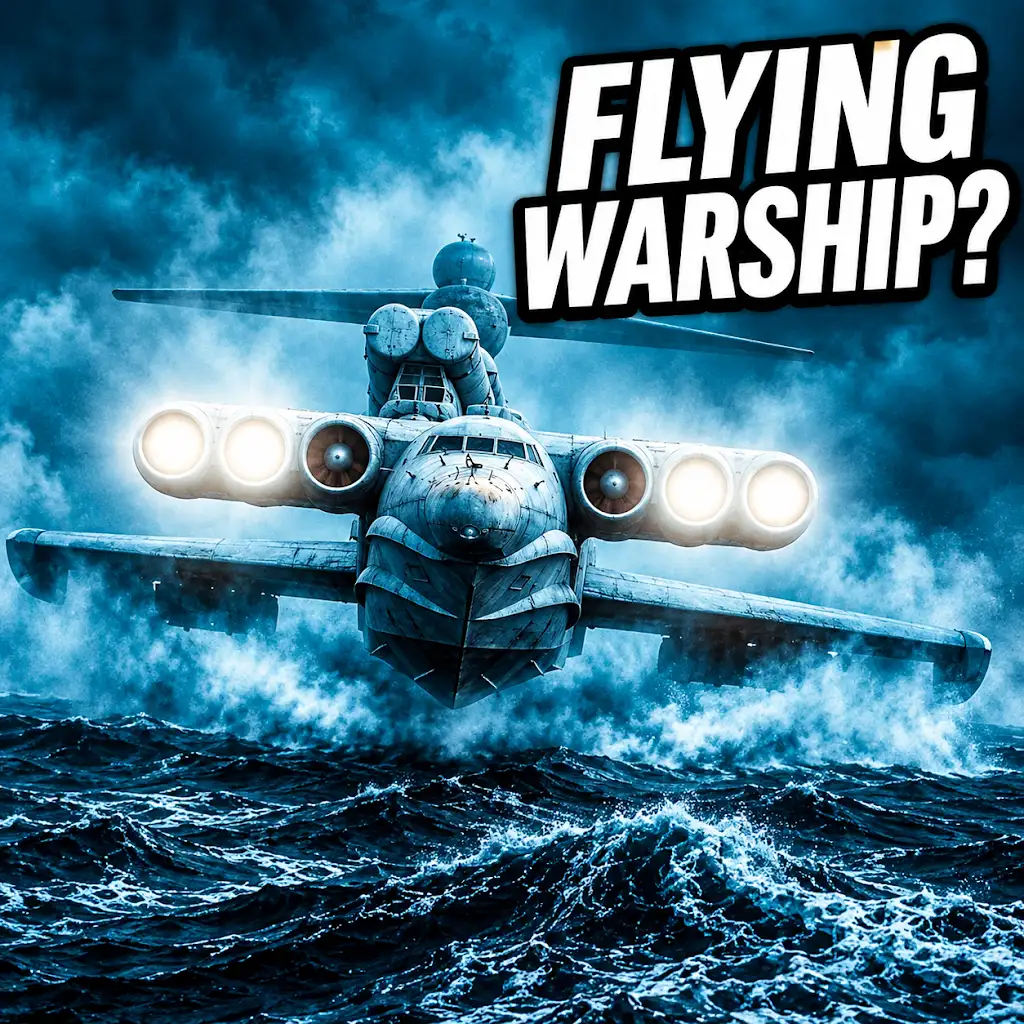
The Soviet Warship That Learned to Fly
FAQs
What advanced weapons did the Soviet Union develop during the Cold War?
During the Cold War, the Soviet Union developed advanced weapons such as the AK-47 assault rifle, the MiG fighter jets, the T-72 tank, and the SS-20 ballistic missile.
How did the Soviet Union’s advanced weapons impact the arms race with the United States?
The Soviet Union’s development of advanced weapons during the Cold War intensified the arms race with the United States, leading to increased military spending and technological advancements on both sides.
Were there any notable Soviet Union advancements in nuclear weapons technology?
Yes, the Soviet Union made significant advancements in nuclear weapons technology, including the development of the R-7 Semyorka intercontinental ballistic missile and the Tsar Bomba, the most powerful nuclear weapon ever detonated.
Did the Soviet Union have a space weapons program during the Cold War?
Yes, the Soviet Union had a space weapons program during the Cold War, which included the development of anti-satellite weapons and the testing of space-based missile defense systems.
How did the collapse of the Soviet Union impact its advanced weapons programs?
After the collapse of the Soviet Union in 1991, many of its advanced weapons programs were either dismantled or fell into disrepair due to lack of funding and resources, leading to a decline in military capabilities.