Shadows of the Deep: The Unseen Disaster of 1976
The Cold War, a period of simmering tension and ideological confrontation, played out on many fronts. While the world’s attention was often fixed on missile silos and aerial dogfights, a silent and deadly theater of operations existed beneath the icy surface of the oceans: the domain of the submarine. It was in this clandestine world, far from the prying eyes of satellites and espionage, that one of the Soviet Union’s most profound naval tragedies unfolded in 1976. The precise details of this disaster, shrouded in a veil of secrecy that persisted for decades, paint a somber picture of the risks inherent in undersea warfare and the immense sacrifices made by those who served in the Soviet fleet.
In 1976, a significant incident involving a Soviet submarine occurred, highlighting the dangers of military operations during the Cold War. This accident not only raised concerns about the safety protocols in place but also sparked discussions regarding the geopolitical implications of such events. For more in-depth analysis and insights into this incident, you can read a related article at this link.
The Silent Service and its Perils
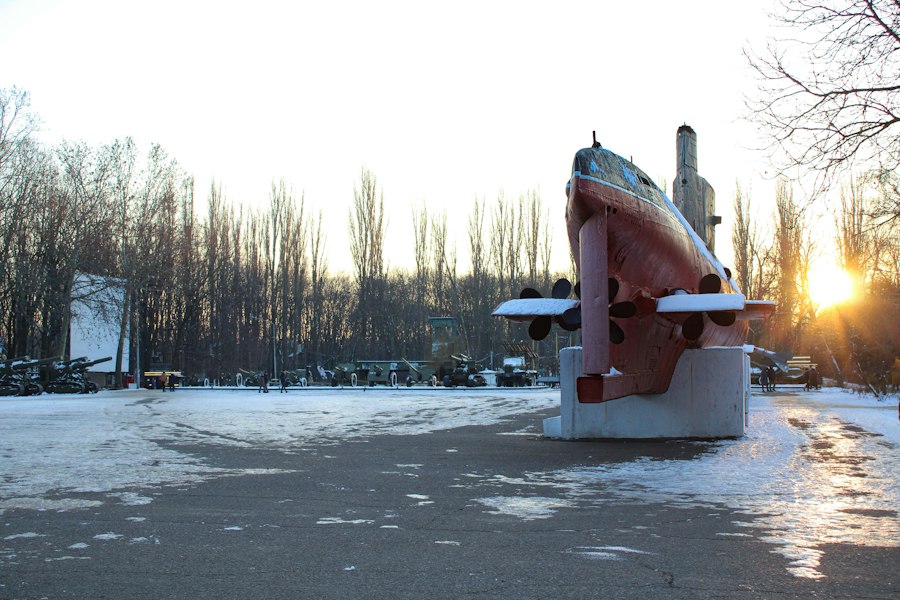
The Soviet Union’s submarine fleet was a cornerstone of its military might, a potent force designed to project power and deter Western aggression. These vessels, often characterized by their robust construction and formidable weaponry, operated in challenging environments. The vastness of the ocean, the crushing pressures of the deep, and the constant threat of detection and engagement by enemy forces created a uniquely hazardous operational setting. The very nature of submarine warfare demanded absolute discipline, rigorous training, and unwavering courage from its crews. Yet, even with the most stringent protocols, the unforgiving nature of the undersea realm presented constant and often unforeseen dangers.
The Strategic Landscape of the Cold War
During the latter half of the 20th century, the global geopolitical landscape was defined by the intense rivalry between the United States and the Soviet Union. The strategic balance of power rested heavily on the capabilities of both nations’ nuclear arsenals, with submarines playing a critical role in maintaining a credible second-strike capability. Soviet submarine commanders were tasked with missions that ranged from intelligence gathering and anti-shipping operations to the strategic deployment of ballistic missile submarines. These missions often required prolonged periods submerged, navigating through international waters and sometimes in close proximity to NATO naval forces. The constant pressure to maintain an edge, coupled with the inherent technical complexities of operating advanced submersibles, created a climate where even minor equipment malfunctions could have catastrophic consequences.
Technological Arms Race and its Trade-offs
The Cold War also fueled an unprecedented technological arms race, with both superpowers investing heavily in developing ever more sophisticated military hardware. For the Soviet Union, this meant pushing the boundaries of submarine design and construction. While they achieved remarkable feats in engineering, the rapid pace of development and the allocation of resources sometimes led to compromises. The drive to produce a large and capable fleet meant that not all vessels were necessarily at the cutting edge of safety technology, or that maintenance schedules might be stretched in the pursuit of operational readiness. The relentless pursuit of technological parity often meant that the human cost of operating these complex machines was a burden that crews bore with stoic resolve.
The Unfolding Catastrophe: A Day of Loss
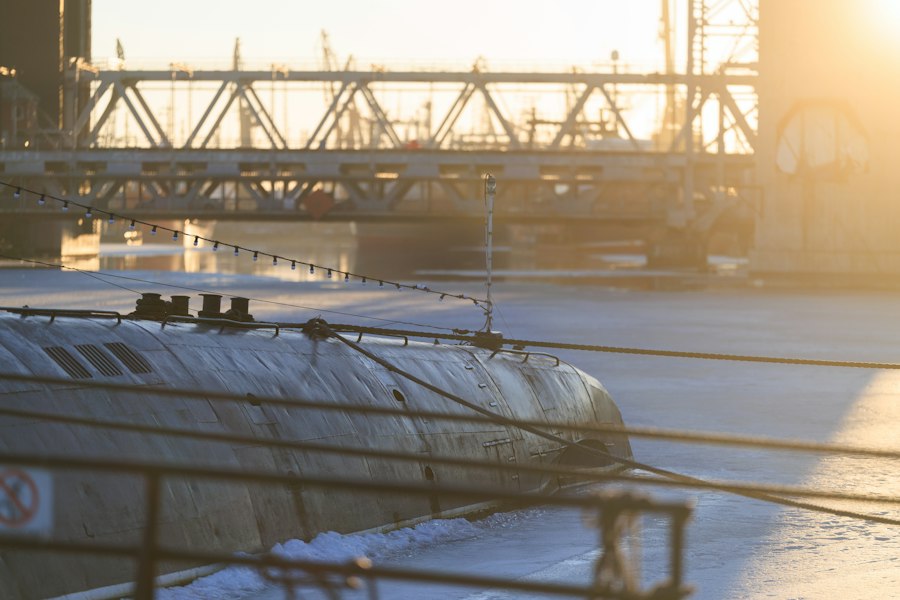
While the exact location and the specific submarine involved in the 1976 disaster were not immediately disclosed to the public, subsequent declassified information and testimonies have begun to illuminate the tragic events. The incident, believed to have occurred during a routine operational patrol, serves as a stark reminder of the unforgiving environment in which these sailors operated. The absence of immediate official pronouncements and the typical Soviet practice of classifying military incidents further amplified the mystery surrounding the event, leaving families in agonizing uncertainty for years.
The Nature of the Incident
Available information suggests that the catastrophe was likely the result of a catastrophic failure within the submarine’s systems. The immense pressures of the deep sea mean that even a small breach in the hull or a malfunction in a critical life-support system can have rapid and irreversible consequences. Speculation points to several potential causes, including a fire, an explosion, or a structural failure due to depth.
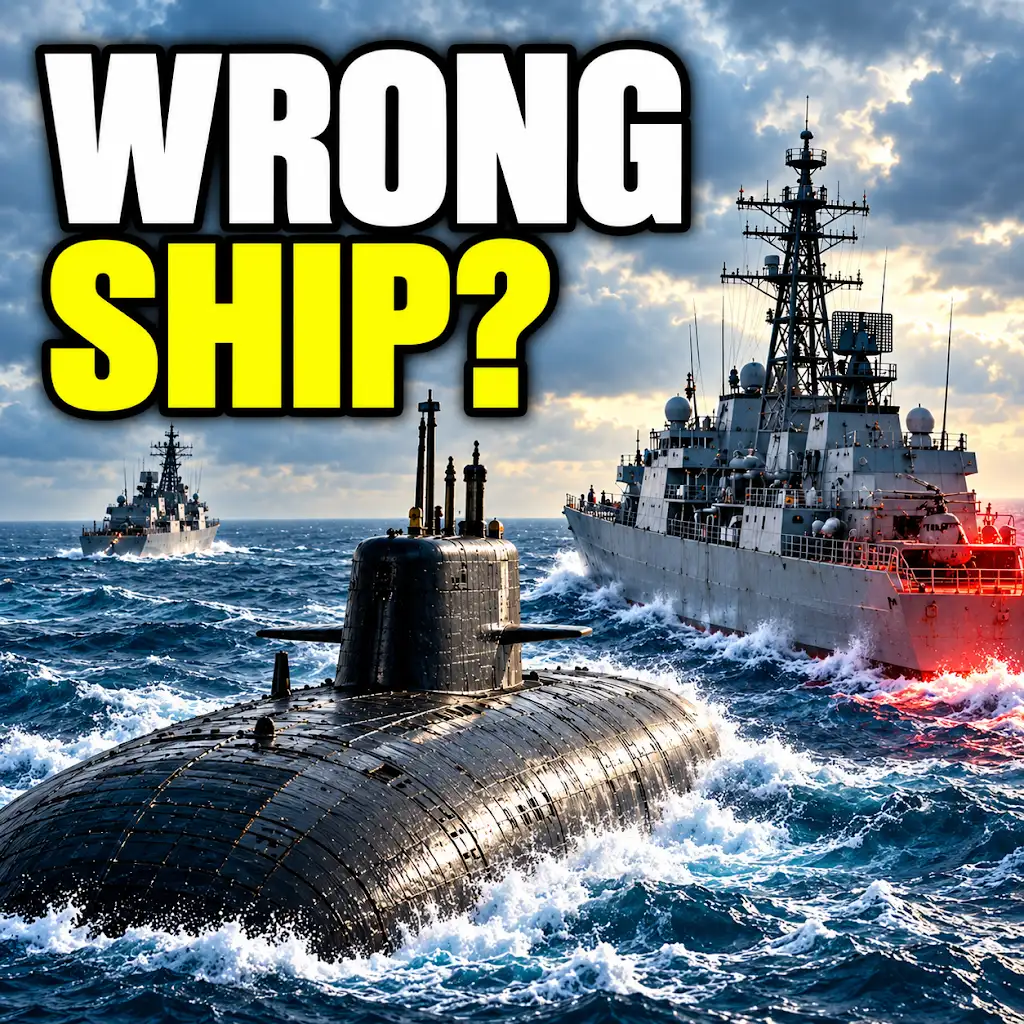
A Soviet Submarine Hit a U.S. Frigate. Was It the Wrong Ship?
FAQs
What was the Soviet submarine accident in 1976?
The Soviet submarine accident in 1976 refers to the collision between the Soviet Navy’s submarine K-219 and a United States Navy submarine in the North Atlantic Ocean.
What caused the Soviet submarine accident in 1976?
The Soviet submarine accident in 1976 was caused by a collision with the USS James Madison, a United States Navy ballistic missile submarine, during an underwater game of cat and mouse.
How many crew members were aboard the Soviet submarine during the accident?
There were 98 crew members aboard the Soviet submarine K-219 at the time of the accident in 1976.
What were the consequences of the Soviet submarine accident in 1976?
The collision resulted in a fire and subsequent explosion on the Soviet submarine, leading to the death of four crew members and the loss of the submarine along with its nuclear weapons and reactors.
How did the Soviet Union respond to the submarine accident in 1976?
The Soviet Union initially denied the incident, but later acknowledged the loss of the submarine and its nuclear payload. The incident strained relations between the Soviet Union and the United States during the Cold War.