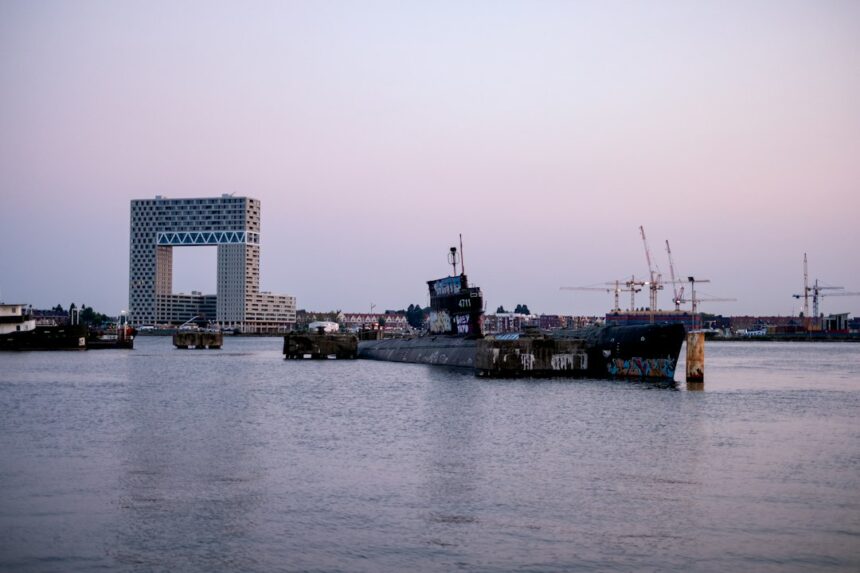
The Soviet Union, locked in a relentless arms race with the United States, pushed the boundaries of naval technology with a singular focus on submarine warfare. Among the most striking examples of this ambition was the development of submarines that were not only faster but also significantly louder than their Western counterparts. This seemingly counterintuitive design philosophy, born from a unique set of strategic imperatives and technological choices, shaped the capabilities and operational realities of the Soviet submarine fleet for decades. Understanding this “faster and louder” paradigm requires delving into the strategic landscape of the Cold War, the specific engineering challenges faced, and the operational doctrines that guided Soviet naval thinking.
The Strategic Imperative: Denying the Seas
The Soviet Union’s naval strategy during the Cold War was fundamentally defensive, yet paradoxically offensive in its aims. Unlike the United States, with its global network of bases and its ability to project power across vast oceans, the Soviet Union’s access to the open seas was largely constrained by geography. Its submarine fleet, therefore, became the primary instrument for projecting Soviet power, challenging American naval dominance, and particularly, threatening the vital sea lanes upon which the West relied. The core of this strategy was the concept of “anti-access/area denial” – the ability to prevent an adversary from operating effectively within a designated maritime area.
The primary targets for Soviet submarines were the carrier strike groups of the U.S. Navy and the convoys transporting critical supplies and reinforcements across the Atlantic during a conflict. The speed of these submarines was crucial for achieving a “kill chain” – the ability to detect, track, close with, attack, and escape before being detected or destroyed. Faster submarines could cover more ocean in less time, increasing their chances of intercepting high-value targets like carrier battle groups. They could also more effectively evade pursuit once an attack was made or if they were detected.
Nuclear Deterrence and First-Strike Capabilities
Beyond conventional warfare, Soviet submarines also played a pivotal role in the nuclear triad. The development of ballistic missile submarines (SSBNs) offered a survivable and retaliatory nuclear strike capability, a cornerstone of Soviet nuclear deterrence. These submarines, often operating in the “bastion” areas of the Arctic, were designed to be hidden and resilient, capable of surviving a first strike and launching a devastating counterattack. While stealth was a key consideration for SSBNs, the pursuit of speed and operational flexibility remained important factors in their deployment and effectiveness. The ability to move rapidly to optimal firing positions or to reposition if their sanctuary was compromised was a significant advantage.
The Hunter-Killer Role and Submarine Warfare
The “faster and louder” characteristic was most pronounced in the Soviet Union’s attack submarines (SSNs) and their diesel-electric counterparts (SSKs). These vessels were designed for the “hunter-killer” role – seeking out and destroying enemy submarines and surface ships. Speed allowed them to outmaneuver and outrun both enemy submarines and torpedoes. It also enabled them to quickly engage and disengage from targets. In a high-tempo battle, the ability to rapidly close the distance to a target or to escape a developing engagement was a matter of survival and mission success.
The Soviet military leadership understood that a prolonged conventional conflict would likely involve a naval blockade and a struggle for control of the seas. Their submarines were intended to disrupt these efforts, inflict significant damage, and create an environment of constant threat for Western naval forces. The speed was not just for offensive action but also for defensive maneuvering, allowing submarines to escape detection after an attack or to evade the increasingly sophisticated anti-submarine warfare (ASW) systems deployed by NATO.
The phenomenon of Soviet submarines becoming louder as they increased their speed is a fascinating topic that highlights the challenges of underwater acoustics and stealth technology during the Cold War. For a deeper understanding of this subject, you can explore a related article that delves into the intricacies of submarine design and the implications of noise on naval operations. To read more about this, visit this article.
Engineering Choices: Power, Propulsion, and the Pursuit of Speed
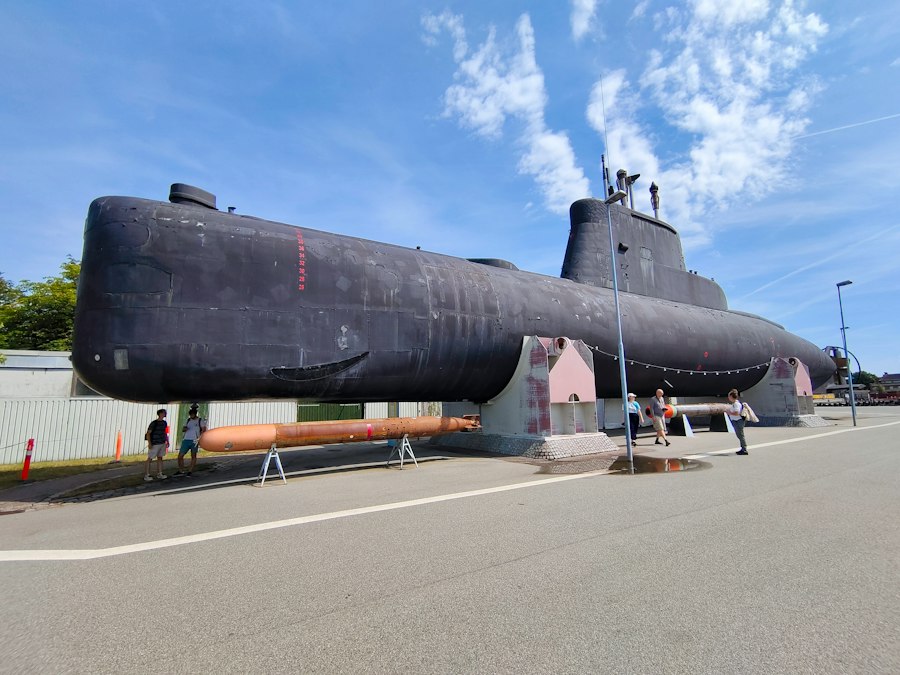
The pursuit of greater speed in Soviet submarines necessitated significant engineering advancements, particularly in their propulsion systems. While Western submarine designers often prioritized quiet operation, leading to the adoption of advanced nuclear reactors and sophisticated noise reduction techniques, the Soviets made different choices, often driven by the desire for raw power and speed over extreme stealth. This led to submarines that were, by necessity, more detectable.
Nuclear Power and its Acoustic Signature
The backbone of the Soviet fast submarine program was nuclear power. Soviet nuclear reactors, especially in the early generations, were often larger and less acoustically refined than their American counterparts. The turbines and geared systems required to harness the immense power of these reactors generated a considerable amount of noise. This was exacerbated by the Soviet tendency to favor higher operating speeds, which inherently increased the cavitation noise from propellers and the overall acoustic signature of the vessel.
The design philosophy often prioritized speed and maneuverability, accepting that this would come at the cost of some stealth. This was a calculated risk, informed by their operational doctrine, which assumed a high-intensity conflict where prolonged, silent stalking might be less critical than the ability to engage quickly and decisively. The Soviets believed that their sheer numbers, coupled with the speed of their submarines, could overwhelm NATO’s ASW capabilities.
Propeller Design and Cavitation
A significant contributor to submarine noise is propeller cavitation – the formation and collapse of vapor bubbles in the water as the propeller spins at high speeds. This phenomenon creates a distinctive acoustic signature that can be detected by sonar. Soviet engineers, in their quest for speed, often pushed propeller designs to their limits. While they developed advanced propeller designs, the inherent physics of cavitation meant that higher speeds invariably led to increased noise. This was a trade-off they were willing to make, perhaps believing that their submarines’ speed and maneuverability could compensate for their noisier acoustic profile.
Some sources suggest that Soviet propeller designs, while capable of generating high thrust for speed, might have been less sophisticated in their noise reduction compared to Western designs. The pursuit of maximum revolutions per minute for speed could have led to more pronounced cavitation.
Hull Design and Hydrodynamics
The hydrodynamic design of the hull also plays a crucial role in a submarine’s speed and noise characteristics. Soviet submarines often featured more aggressive hull shapes, designed to minimize drag and maximize speed. This could include more streamlined bows and less emphasis on the teardrop shape optimized for quiet running that became prevalent in Western designs. While these shapes facilitated high speeds, they could also contribute to increased water flow noise. The Soviets might have also been less inclined to invest in the extensive acoustic baffling and insulation techniques used by the West to dampen internal machinery noise.
The “Louder” Conundrum: A Strategic Miscalculation or a Calculated Risk?
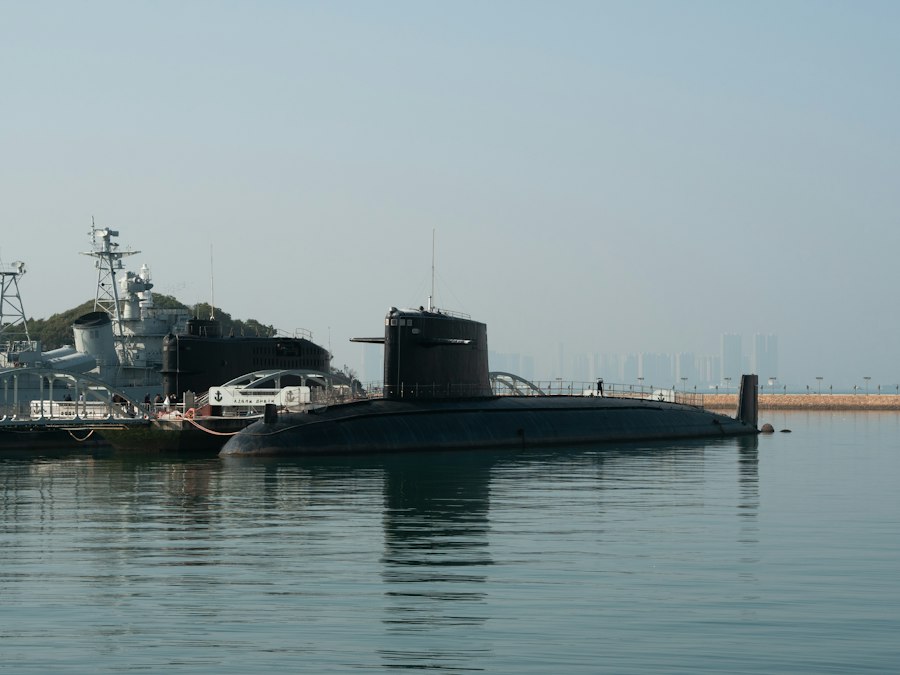
The “louder” aspect of Soviet submarines is perhaps the most intriguing and often debated characteristic. From a purely tactical perspective, a louder submarine is a more vulnerable submarine. Yet, the Soviet Union consistently produced submarines that were audibly distinct and often louder than their Western adversaries. This was not necessarily a sign of engineering incompetence but rather a reflection of different strategic priorities and a belief that their operational doctrine could mitigate the inherent disadvantages of increased acoustic detectability.
The Doctrine of “Mass and Speed”
A core tenet of Soviet naval doctrine was the concept of “mass and speed.” They believed that by fielding a large number of fast submarines, they could create an overwhelming threat that NATO’s ASW forces would struggle to counter effectively. The idea was not necessarily to remain hidden for extended periods, but to achieve tactical surprise through rapid deployment and engagement. If a submarine could reach its target area quickly, attack, and then rapidly reposition or escape, its louder signature might be a secondary concern.
This doctrine was also influenced by the Soviet Union’s perception of its own capabilities and those of its adversaries. They might have believed that their submarines’ speed and offensive capabilities could compensate for their acoustic weaknesses, and that NATO’s ASW systems, while advanced, might not be able to track and destroy every one of their submarines in a high-intensity conflict.
The Importance of Operational Tempo
The Soviets placed a high premium on maintaining a high operational tempo. Their submarines were designed to be deployed frequently and to spend significant time at sea. This contrasted with some Western doctrines that emphasized more deliberate and stealthy operations. The ability to operate at higher speeds and to cover more distance in a given timeframe was crucial to this operational tempo. This, in turn, meant more time spent at higher power settings, leading to increased noise.
The “Noise Advantage” Theory
Some analysts have posited a more complex theory, suggesting that the Soviets might have viewed their submarines’ distinct acoustic signatures as a form of “noise advantage.” By being consistently louder and different, they could potentially confuse or overwhelm NATO sonar operators, making it more difficult to distinguish between Soviet submarines and other ambient ocean noise. This is a controversial idea, as it would require a sophisticated understanding and exploitation of NATO’s sonar capabilities, which were also constantly evolving.
Specific Examples: The Alpha, Victor, and Typhoon Classes
Examining specific classes of Soviet submarines provides concrete evidence of the “faster and louder” design philosophy. These vessels pushed the boundaries of speed and incorporated technologies that, while effective in achieving high performance, also contributed to their acoustic signatures.
The Project 705 Lira (Alpha-class)
The Project 705 Lira, or Alpha-class, submarine is perhaps the most iconic example of the Soviet pursuit of speed. These small, exceptionally fast attack submarines were designed to reach speeds of up to 40 knots, a remarkable achievement for any submarine, let alone one of that era. Their compact titanium hull allowed for greater depth penetration and a more agile maneuverability. However, achieving such speeds required powerful, albeit noisy, reactors and a highly stressed propulsion system. The Alpha-class was known to be significantly louder than its Western contemporaries, especially when operating at its maximum speed.
The Alpha-class was primarily intended for deep-water interception of NATO submarines and surface ships. Its speed allowed it to rapidly deploy to anticipated engagement zones and to outrun both enemy submarines and torpedoes. The Soviet leadership believed that its speed and maneuverability made it an invaluable asset, even with its increased acoustic detectability. The operational experience with the Alpha-class highlighted the trade-offs involved in prioritizing speed above all else.
The Project 671 RTM Shchuka (Victor III-class)
The Victor III-class submarines represented a significant step forward for Soviet submarine design, attempting to balance speed with improved stealth capabilities compared to earlier classes. While still faster and generally louder than comparable Western attack submarines like the U.S. Sturgeon class, the Victor III incorporated some noise reduction measures. However, their pursuit of a respectable speed, around 30 knots, still meant that they were more acoustically prominent than many NATO submarines operating at their most stealthy.
The Victor III was designed as a multi-role attack submarine, capable of both hunting other submarines and attacking surface targets. Its speed allowed it to effectively patrol vast ocean areas and to respond rapidly to changing tactical situations. The design reflected a more nuanced approach, acknowledging the importance of stealth while still prioritizing speed for offensive operations.
The Project 941 Akula (Typhoon-class)
The Typhoon-class submarines, the largest ever built, were designed as ballistic missile submarines (SSBNs), tasked with providing the ultimate nuclear deterrent. While their primary mission was survivability and the ability to launch nuclear missiles from protected waters, they were also exceptionally large and, for their size, relatively fast, with speeds of around 25 knots. Their immense size and the power required to propel them meant that they were not as stealthy as smaller, specialized SSBNs.
However, the Typhoon-class was designed to operate within Soviet “bastions” in the Arctic Ocean. Within these areas, the unique acoustic conditions of shallow, ice-covered waters could, to some extent, mask their acoustic signature. Furthermore, their sheer size and the fact that they carried a devastating nuclear payload meant that detection was often a secondary concern to their invulnerability. Their speed allowed them to reposition if their sanctuary was threatened, ensuring their continued ability to retaliate.
The fascinating dynamics of Soviet submarines reveal that as these vessels increased their speed, they also became significantly louder, which posed unique challenges for stealth operations. This phenomenon is explored in greater detail in a related article that discusses the implications of submarine acoustics on naval strategy. For those interested in understanding the complexities of underwater warfare, you can read more about it in this insightful piece here.
The Legacy and Enduring Lessons
| Speed (knots) | Noise Level (dB) | Operational Impact | Notes |
|---|---|---|---|
| 5 | 40 | Stealth mode, minimal detection risk | Typical silent cruising speed |
| 10 | 55 | Increased noise, moderate detection risk | Standard patrol speed |
| 15 | 70 | High noise, high detection risk | Used for tactical maneuvers |
| 20 | 85 | Very loud, easily detected | Maximum speed, emergency situations |
The “faster and louder” Soviet submarine design philosophy left an indelible mark on naval history and continues to offer valuable lessons for modern naval warfare. It highlights the complex interplay between strategic goals, technological capabilities, and operational doctrine.
The Soviet emphasis on speed and volume ultimately proved to be a double-edged sword. While their submarines posed a significant threat and contributed to the intensity of the Cold War naval arms race, their increased acoustic signature made them more susceptible to detection and tracking by NATO’s increasingly sophisticated ASW systems. This led to a constant cat-and-mouse game, with the Soviets striving to improve their submarines’ performance and the West working to enhance its detection capabilities.
The collapse of the Soviet Union and the subsequent reduction in naval spending led to a decline in the operational readiness and modernization of many of these submarines. However, the legacy of their design philosophy endures. Modern submarines, regardless of nationality, continue to grapple with the fundamental trade-off between speed and stealth. While advancements in noise reduction technology have made submarines far quieter than their Cold War predecessors, the desire for speed and maneuverability remains a critical factor in their design and operational effectiveness.
The “faster and louder” era of Soviet submarine development serves as a stark reminder that technological development is not an isolated pursuit but is deeply intertwined with strategic objectives and operational realities. It underscores the importance of considering the full spectrum of capabilities and vulnerabilities when designing and deploying naval assets, and it highlights the enduring challenge of achieving an optimal balance between offensive power and defensive survivability in the complex and ever-evolving landscape of maritime warfare. The lessons learned from this era continue to inform naval strategy and technological development, ensuring that the pursuit of underwater dominance remains a critical and fascinating aspect of global military affairs.
The Soviet Submarine That Broke a Speed Record—and Its Own Stealth
FAQs
What was the name of the Soviet submarine discussed in the article?
The Soviet submarine discussed in the article is known as the K-19.
Why did the Soviet submarine become louder as it went faster?
The Soviet submarine became louder as it went faster due to the increased cavitation caused by the propeller blades spinning at higher speeds.
What was the significance of the K-19 submarine in Soviet naval history?
The K-19 submarine was significant in Soviet naval history as it was one of the first Soviet nuclear-powered submarines and played a role in the Cold War era.
What incident involving the K-19 submarine was highlighted in the article?
The article highlighted the incident where the K-19 submarine experienced a reactor coolant leak and subsequent radiation exposure to its crew in 1961.
How did the crew of the K-19 submarine handle the reactor coolant leak incident?
The crew of the K-19 submarine handled the reactor coolant leak incident by making repairs to the reactor system under extreme conditions, which led to several crew members being exposed to high levels of radiation.