The fog of war, a term often used to describe the inherent confusion and uncertainty on the battlefield, can be dramatically lessened, if not dispelled, by meticulous planning and flawless execution of logistics. While heroic charges and strategic brilliance often capture the public’s imagination, it is the often-unseen, unglamorous work of logistics that forms the bedrock of military success. Without the timely delivery of essential supplies, the proper maintenance of equipment, and the efficient movement of personnel, even the most formidable fighting force will falter. The critical role of logistics in military success is undeniable, permeating every aspect of operations from the initial planning stages to the final withdrawal, and influencing the outcome of conflicts in profound ways.
The ability of a military to deploy its forces to distant theaters of operation and sustain them effectively is a direct testament to the strength of its logistical capabilities. This begins long before boots hit the ground and extends throughout the entire duration of a campaign.
Pre-Deployment Planning and Preparation
The intricate dance of war begins not with the first shot, but with the meticulous planning of how to get personnel and equipment where they need to be, and how to keep them supplied. Pre-deployment logistics is a multi-faceted undertaking that involves anticipating every conceivable need.
Intelligence Gathering and Threat Assessment
Understanding the operational environment is paramount. Logistics planners must ingest intelligence on terrain, climate, infrastructure (or lack thereof), potential enemy capabilities, and any local security concerns. This information directly informs decisions about the types of vehicles, equipment, and supplies that will be required. A desert environment, for instance, necessitates different water purification systems and fuel logistics than a jungle or a mountainous region.
Resource Allocation and Procurement
Once the requirements are identified, the massive task of procuring and allocating the necessary resources begins. This includes everything from ammunition and food to medical supplies, spare parts, communication equipment, and construction materials for forward operating bases. Global supply chains are complex and prone to disruption, making robust procurement strategies and contingency planning essential.
Transportation and Movement Planning
The sheer scale of moving military assets across vast distances is a logistical marvel. This involves coordinating strategic airlift, sealift, and overland transport. Different modes of transport are chosen based on urgency, volume, and the destination’s infrastructure. Planning for choke points, potential interdictions, and the capacity of ports and airfields is critical to avoid costly delays.
Establishing and Maintaining Lines of Communication
Once forces are deployed, the lifeline that connects them to their supply sources is the Line of Communication (LOC). Maintaining the integrity and capacity of these LOCs is a continuous and vital logistical function.
Secure Transportation Routes
Ensuring the safe and uninterrupted flow of goods and personnel along established routes is a primary concern. This involves employing security forces to protect convoys, naval assets, and air corridors from enemy attack or sabotage. The definition of a “secure” route is fluid and subject to the evolving battlefield situation.
Port and Airfield Operations
The arrival and departure of vital shipments at ports and airfields are critical nodes in the logistical network. Efficient cargo handling, customs clearance, and onward distribution are essential to prevent bottlenecks. These hubs often become prime targets for enemy action, necessitating robust defensive measures.
Warehousing and Stockpiling
Strategic stockpiling of essential supplies at various echelons – from major depots to forward operating bases – is crucial for sustaining operations. This ensures that units have immediate access to what they need, reducing reliance on direct resupply for every item. Effective inventory management is key to preventing shortages or overstocking, which can tie up valuable resources.
The intricate relationship between logistics and military victory is a critical aspect of modern warfare, as highlighted in the article “The Role of Logistics in Military Success” found at this link. This piece delves into how efficient supply chains, transportation networks, and resource management can significantly influence the outcome of conflicts, emphasizing that even the most strategically sound plans can falter without robust logistical support. Understanding these dynamics is essential for military leaders and strategists aiming to secure victory on the battlefield.
The Engine of Combat: Fueling Operations and Maintaining Readiness
Logistics is not merely about delivering goods; it is about ensuring that the machinery of war can operate continuously and effectively. This involves the provision of fuel, ammunition, and the maintenance of a vast array of complex equipment.
Fueling the War Machine: The Ubiquitous Need for Energy
Fuel is the lifeblood of any modern military. From the tanks and aircraft that dominate the battlefield to the vehicles that transport supplies and the generators that power communication systems, energy is a constant requirement.
Strategic Fuel Reserves
Maintaining sufficient strategic fuel reserves at various locations, both within the home nation and in forward areas, is essential. This allows for sustained operations even when normal supply lines are interrupted. Planning for the storage, transport, and dispensing of diverse fuel types (e.g., jet fuel, diesel, gasoline) is a complex undertaking.
Refueling Operations in the Field
The ability to refuel vehicles and aircraft on the move or in forward operating areas is critical for maintaining operational tempo. This often involves specialized mobile refueling units and detailed planning to avoid compromising combat effectiveness during refueling operations.
Energy Efficiency and Alternative Sources
Increasingly, militaries are exploring energy efficiency measures and the use of alternative fuel sources to reduce reliance on traditional fossil fuels and to enhance operational sustainability and reduce logistical footprints.
Ammunition and Ordnance: The Tools of Engagement
The availability of sufficient and appropriate ammunition is a fundamental requirement for any fighting force. Logistics ensures that the right munitions reach the right units at the right time.
Ammunition Stockpiling and Distribution
The sheer volume and variety of ammunition required for modern warfare are staggering. Logistics planners must forecast demand based on expected engagement scenarios and ensure that appropriate quantities are stockpiled and distributed to front-line units.
Munitions Handling and Safety
The safe handling, storage, and transportation of explosives are paramount. Strict protocols and specialized equipment are required to prevent accidents that could have catastrophic consequences.
Tailored Ammunition Support
Different weapon systems require different types of ammunition. Logistics must ensure that units are equipped with the specific rounds that match their weapons and the tactical requirements of the mission.
Equipment Maintenance and Repair: Ensuring Operational Readiness
A military is only as effective as its equipment. The continuous maintenance and repair of vehicles, aircraft, weapons systems, and communication gear are critical logistical functions that ensure operational readiness.
Field Maintenance and Repair Teams
Deploying skilled mechanics and technicians to the front lines is essential for performing routine maintenance and immediate repairs. These teams often operate under challenging conditions, requiring ingenuity and resourcefulness.
Forward and Intermediate Repair Facilities
For more complex repairs or the replacement of major components, forward and intermediate repair facilities are established. These facilities are equipped with specialized tools and spare parts to restore damaged equipment to operational status.
Supply of Spare Parts
The availability of a comprehensive inventory of spare parts is crucial for effective maintenance. Logistics must ensure a steady flow of these parts from manufacturing to the repair facilities and front-line units.
The Human Element: Sustaining the Morale and Well-being of Personnel

Military operations are ultimately carried out by people, and their well-being is as critical to success as the flow of materiel. Logistics plays a vital role in ensuring the health, comfort, and morale of soldiers.
Sustenance and Well-being: Beyond Basic Needs
While the immediate survival needs are paramount, logistics extends to providing a level of comfort and support that contributes to sustained operational effectiveness.
Food and Water Supply
Ensuring a consistent and safe supply of food and potable water is a fundamental logistical responsibility. This includes planning for diverse dietary needs and ensuring proper food storage and preparation in austere environments.
Medical Support and Evacuation
The provision of medical care, from field medics to advanced surgical facilities, is a critical logistical component. Efficient medical evacuation (MEDEVAC) systems are essential for getting wounded personnel to appropriate care rapidly.
Rest and Recreation
Maintaining soldier morale requires providing opportunities for rest and recreation, even in combat zones. This can include the provision of amenities like hot showers, entertainment, and communication links to home.
Personnel Movement and Management
The efficient movement and management of personnel are also key logistical responsibilities, impacting force deployment, rotation, and overall operational effectiveness.
Troop Transportation and Deployment
Logistics ensures that troops are moved to and from operational areas safely and efficiently. This involves coordinating passenger flights, troop transports, and other modes of conveyance.
Personnel Rotation and Redeployment
Sustaining long-term operations requires the rotation of personnel to prevent burnout and maintain combat effectiveness. Logistics manages the complex process of deploying new units and extracting those who have completed their tours.
Administrative and Personnel Support
Beyond immediate combat needs, logistics also encompasses administrative functions such as pay, personnel records, and casualty reporting, ensuring the smooth functioning of the military apparatus.
The Technological Frontier: Modern Logistics and Future Challenges

The evolution of warfare is inextricably linked to advancements in technology, and logistics is at the forefront of adapting to and leveraging these changes.
The Digital Backbone: Information Systems and Data Management
Modern logistics relies heavily on sophisticated information systems to track inventory, manage transportation, and forecast needs.
Real-Time Inventory Tracking
Advanced technologies like RFID tags and GPS tracking allow for real-time visibility of inventory, from individual items to entire shipments. This enables better decision-making and reduces the risk of loss or theft.
Predictive Logistics and Demand Forecasting
By analyzing historical data and current operational requirements, predictive logistics software can forecast future needs with greater accuracy, allowing for proactive resource allocation and procurement.
Integrated Supply Chain Management Systems
Seamless integration of various supply chain components, from manufacturers to the end-user, is facilitated by sophisticated management systems, optimizing efficiency and reducing delays.
Autonomous Systems and Robotics: The Future of Delivery
The increasing application of robotics and autonomous systems is set to revolutionize logistics, promising greater speed, efficiency, and safety.
Unmanned Aerial Vehicles (UAVs) for Delivery
Drones are already being used for rapid delivery of critical supplies to remote or dangerous locations, bypassing traditional ground routes.
Autonomous Ground Vehicles for Transport
Self-driving trucks and other autonomous ground vehicles are being developed to transport supplies, potentially reducing the reliance on human drivers in high-risk environments.
Robotic Warehousing and Handling
Robots are increasingly employed in warehouses for tasks such as inventory management, picking, and packing, increasing efficiency and reducing the risk of human error or injury.
Cybersecurity and Information Warfare
As logistics becomes increasingly reliant on digital systems, the threat of cyberattacks becomes a significant concern.
Protecting Critical Logistics Networks
Ensuring the security of the digital infrastructure that supports military logistics is paramount to preventing disruption or compromise of operations.
Countering Information Warfare Targeting Logistics
Enemy forces may attempt to disrupt military operations by spreading misinformation or targeting logistical data, requiring robust counter-intelligence and information security measures.
The intricate relationship between logistics and military victory is explored in depth in various analyses, highlighting how supply chains and resource management can turn the tide of battle. A compelling article that delves into this topic can be found at In the War Room, where experts discuss historical examples and modern implications of effective logistical strategies in warfare. Understanding these dynamics is crucial for comprehending how nations achieve their military objectives and maintain operational efficiency.
The Strategic Impact: Logistics as a Decisive Factor in Warfare
| Aspect | Impact |
|---|---|
| Supply chain efficiency | Ensures timely delivery of essential resources to troops |
| Transportation infrastructure | Affects mobility and deployment of forces |
| Logistics planning | Optimizes resource allocation and support for military operations |
| Maintenance and repair | Keeps equipment and vehicles operational for sustained combat |
| Communication and coordination | Facilitates information flow and decision-making across the battlefield |
Ultimately, the effectiveness of a military’s logistical capabilities can be the deciding factor between victory and defeat.
The Importance of Agility and Adaptability
The battlefield is a dynamic environment, and logistical systems must be agile and adaptable to changing circumstances.
Responding to Unforeseen Events
The ability to rapidly reroute supply lines, procure alternative resources, or adjust distribution plans in response to unexpected enemy actions or natural disasters is crucial for maintaining operational momentum.
Modifying Logistical Plans for Evolving Missions
As the nature of a mission changes, so too must the logistical support. A shift from offensive operations to humanitarian aid, for example, requires a significant reorientation of logistical priorities and capabilities.
The Cost of Logistical Failure: Lessons from History
History is replete with examples where logistical shortcomings have led to strategic setbacks and even outright defeat.
The Russian Army in World War I
The vast size of the Russian Empire and its underdeveloped infrastructure proved to be a significant logistical challenge during World War I, contributing to its eventual collapse.
The Vietnam War
While often seen as a tactical conflict, the logistical challenges of sustaining operations in Vietnam, with its vast jungle terrain and limited infrastructure, were immense and had a profound impact on the war’s outcome.
The Falklands War
For the British, the vast distance to the Falkland Islands presented significant logistical hurdles. Their success was a testament to meticulous planning and execution of sea and airlifts, highlighting the critical importance of long-range logistical support.
The Competitive Advantage: Logistics as a Force Multiplier
A well-functioning and robust logistical system provides a significant competitive advantage, enabling forces to operate more effectively and sustain operations for longer durations.
Enabling Superior Operational Tempo
The ability to rapidly resupply and repair equipment allows friendly forces to maintain a higher operational tempo, overwhelming an adversary that is struggling with its own logistical limitations.
Sustaining Long-Term Campaigns
Logistics is not just about the initial surge of power; it is about the sustained effort required for protracted conflicts. The nation with the superior logistical capacity is better equipped to endure and ultimately win long-term campaigns.
In conclusion, the critical role of logistics in military success cannot be overstated. It is the silent engine that powers armies, the invisible shield that protects them, and the unsung hero that ensures victory. While the battlefield may be characterized by heroism and strategic maneuvers, the foundation upon which these actions are built is a flawlessly executed logistical framework.
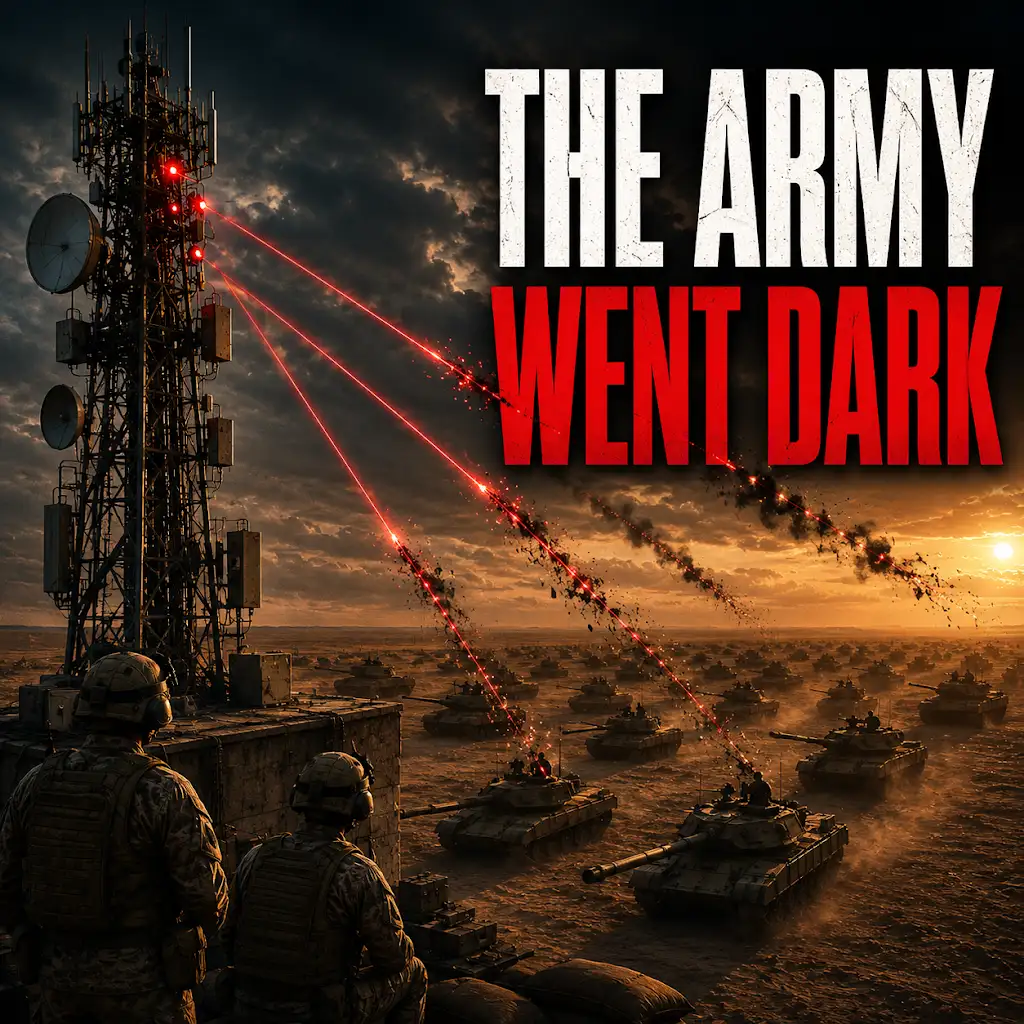
The Invisible Attack That Crippled Iraq’s Army | Desert Storm Documentary
FAQs
What is logistics in the context of military operations?
Logistics in the context of military operations refers to the planning, coordination, and execution of the movement and maintenance of forces. It involves the procurement, distribution, maintenance, and replacement of materiel and personnel.
How does logistics impact military victory?
Logistics plays a crucial role in determining military victory as it directly affects the ability of a military force to sustain operations, maintain morale, and effectively engage the enemy. A well-executed logistics strategy can provide a significant advantage in terms of mobility, firepower, and overall operational effectiveness.
What are some key components of military logistics?
Key components of military logistics include transportation, supply chain management, maintenance of equipment, medical support, and personnel support. These components are essential for ensuring that military forces are adequately equipped, supplied, and supported to carry out their missions.
How does logistics impact the decision-making process in military operations?
Logistics considerations heavily influence the decision-making process in military operations. Commanders must take into account logistical constraints such as supply lines, transportation capabilities, and maintenance requirements when planning and executing military campaigns.
Can a lack of effective logistics lead to military failure?
Yes, a lack of effective logistics can significantly increase the risk of military failure. Inadequate supply of essential resources, poor maintenance of equipment, and logistical bottlenecks can severely hamper the ability of military forces to sustain operations and achieve their objectives.