The Naval History and Heritage Command (NHHC) stands as the custodian of the United States Navy’s rich and multifaceted past. Within its vast archives and collections lies a treasure trove of stories, technologies, and decisions that have shaped the maritime power of the nation. Among these significant historical threads, the I-400 class submarines of the Imperial Japanese Navy represent a particularly intriguing and, in many ways, prescient chapter of naval aviation and submarine warfare. These colossal vessels, conceived and built during the twilight of World War II, embodied an ambitious and audacious strategic vision that continues to fascinate naval historians and strategists alike. The NHHC, through its dedicated research and preservation efforts, plays a crucial role in ensuring that the legacy of these unique warships, and the broader context of their development and operational life, is understood and remembered. This article delves into the I-400 legacy, exploring its conception, design, operational history, and its enduring impact on naval thought, as interpreted through the lens of the Naval History and Heritage Command’s custodianship.
The Dawn of a Radical Concept
The genesis of the I-400 class submarines was born out of desperation and a bold attempt to strike at the heart of the American war machine. By 1943, the tide of World War II had irrevocably turned against Japan. The vast industrial might of the United States, coupled with its growing naval superiority, left the Imperial Japanese Navy facing an increasingly insurmountable challenge. It was in this grim strategic landscape that Admiral Isoroku Yamamoto, the architect of the Pearl Harbor attack and Commander-in-Chief of the Combined Fleet, conceived of a daring and unconventional offensive. Yamamoto, a keen observer of naval aviation, envisioned a weapon that could bypass American defenses and deliver a devastating blow to the enemy’s morale and war-making capacity. His innovative concept was to combine the stealth and range of a submarine with the offensive power of carrier-based aircraft. This was not merely an idea; it was a radical departure from traditional naval doctrine, seeking to exploit the strategic vulnerability of the continental United States. The NHHC’s collections provide invaluable documentation regarding the strategic thinking and operational planning that underpinned such ambitious and often desperate endeavors, offering a window into the mindsets of wartime leaders.
Strategic Imperatives and Enemy Targets
The primary strategic imperative driving the development of the I-400 class was the desire to inflict psychological damage on the American populace and to disrupt the American war effort without necessarily seeking a decisive fleet engagement. The war in the Pacific had become a war of attrition, with Japan steadily losing ground. Yamamoto believed that a direct attack on the continental United States, specifically targeting coastal cities, would have a profound impact. Cities like San Francisco, Los Angeles, and even as far east as New Orleans and New York, were identified as potential targets. The idea was not to launch a full-scale invasion but to deliver a swift, shock-and-awe style attack using aircraft launched from a submersible platform. This would expose the perceived invincibility of America to its own citizens and potentially sow seeds of doubt about the feasibility of continuing the war. The NHHC’s archival materials, including intercepted communications and strategic assessments from the period, shed light on the perceived vulnerabilities of the United States and the Japanese high command’s assessment of their enemy’s psychological resilience. These documents help to contextualize the extreme measures considered and implemented by the Japanese during the war.
The Vision of a Submarine Aircraft Carrier
The concept of a submarine aircraft carrier was not entirely unprecedented. Several navies had experimented with smaller submarine-launched aircraft prior to the I-400. However, the I-400 class represented a quantum leap in scale and capability. These were not simply submarines carrying a few reconnaissance planes; they were massive vessels designed to transport and launch a full squadron of combat aircraft, capable of delivering significant destructive power. The strategic vision was to create a mobile air base that could operate with impunity in the vastness of the Pacific, launching strikes deep within enemy territory. This represented a significant paradigm shift in thinking about naval power, blurring the lines between submarine warfare and carrier aviation. The NHHC preserves technical drawings, design specifications, and operational plans related to these unique vessels, allowing for a detailed examination of the engineering and strategic thinking that went into their creation.
The I-400 was a remarkable submarine aircraft carrier used by the Imperial Japanese Navy during World War II, and its legacy is explored in detail by the Naval History and Heritage Command. For those interested in learning more about this fascinating aspect of naval history, you can read a related article that delves into the operational capabilities and historical significance of the I-400. To access the article, click on this link: I-400 and Its Impact on Naval Warfare.
Design and Engineering Marvels
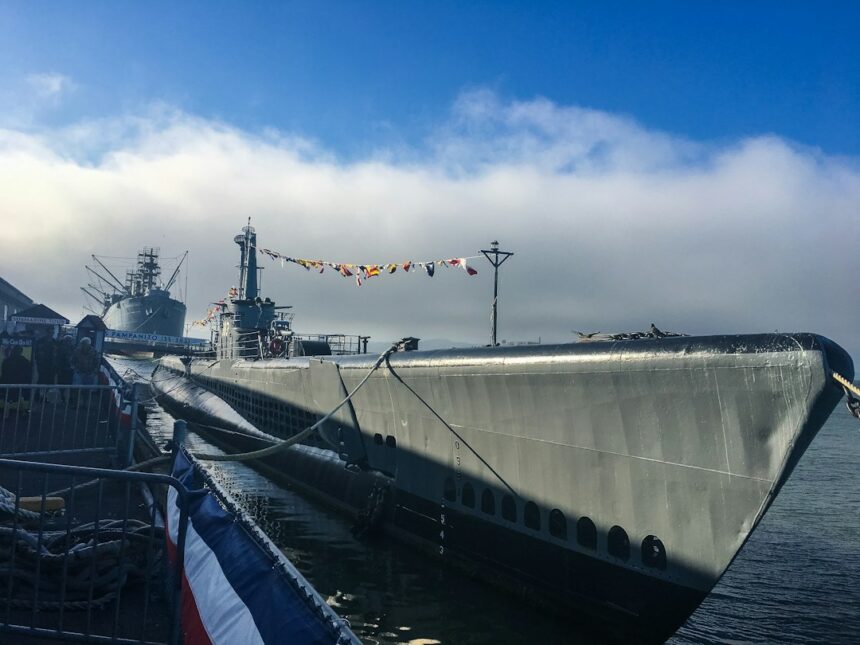
The I-400 class submarines were a testament to Japanese engineering prowess, pushing the boundaries of submarine design and construction. Their sheer size was unprecedented, dwarfing conventional submarines of the era and rivaling some cruisers in displacement. This massive hull was necessary to accommodate not only the submarine’s propulsion and operational systems but also the specialized equipment required for launching and recovering aircraft. The NHHC’s archives contain a wealth of information detailing the intricate design elements that made these vessels so extraordinary, offering insights into the technological challenges and innovative solutions employed by the Japanese naval engineers.
Unprecedented Size and Armament
The I-400 class submarines were truly colossal. Measuring over 122 meters (400 feet) in length and displacing approximately 6,500 tons submerged, they were the largest submarines ever built by any navy up to that time. This immense size was driven by the need to house a large hangar capable of storing three Yokosuka MXY7 Ohka kamikaze attack planes or, more conventionally, three Aichi E16A Zuiun “Paul” reconnaissance-bombers. The hangar was a sealed, pressurized compartment designed to protect the aircraft from the elements and the rigors of the sea. In addition to their aviation capabilities, these submarines were also heavily armed with torpedoes, boasting eight forward-firing 21-inch torpedo tubes and a substantial complement of torpedoes. For anti-aircraft defense, they were equipped with 25mm guns. The NHHC’s holdings include detailed plans and specifications that illustrate the scale and complexity of these behemoths, allowing researchers to understand the engineering feats involved in their construction.
The Aviation Integration System
The most distinctive feature of the I-400 class was their integrated aviation system. A large, cylindrical hangar was built into the forward section of the hull, directly above the main pressure hull. This hangar could accommodate three aircraft. To launch these planes, a powerful crane was used to lift them onto the aft deck. Once positioned, a catapult would propel the aircraft into the air. Recovery was a more complex affair. Aircraft would typically land on the sea surface and then be recovered by the submarine’s crane, a process that was hazardous and time-consuming. The success of this system relied on meticulous planning and execution. The NHHC’s documentation includes operational manuals, technical diagrams, and photographic evidence of this unique system in action, providing invaluable data for understanding its functionality and limitations. The integration of these diverse technologies within a single platform was a remarkable engineering achievement.
Long-Range Capabilities and Operational Radius
The sheer size of the I-400 class also allowed for an impressive operational radius. These submarines were equipped with powerful diesel engines for surface running and electric motors for submerged operations, giving them the endurance to undertake long voyages across the Pacific. Their design was optimized for extended missions, capable of staying at sea for months at a time. This extended range was crucial for their strategic mission, allowing them to operate far from their home bases and launch surprise attacks on distant targets. The NHHC’s historical records, including patrol logs and strategic deployment plans, provide evidence of the ambitious operational scope envisioned for these submarines, underscoring their role as long-range strategic assets.
Operational History: The Shadow of the War’s End
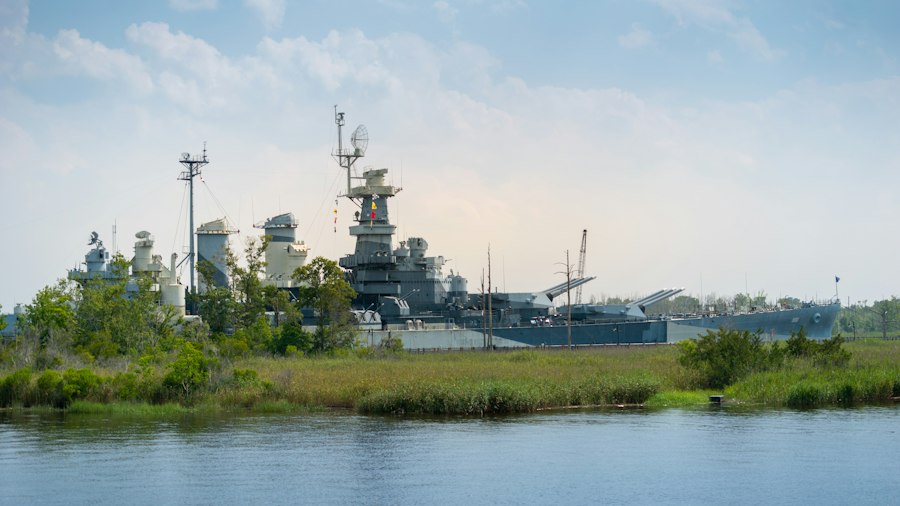
Despite the immense effort and resources invested in their development, the I-400 class submarines never fully realized their intended strategic potential. The war ended before they could embark on their most ambitious missions, leaving their operational history largely unfulfilled. However, the few operations they did undertake provide a poignant glimpse into their capabilities and the desperate circumstances under which they were deployed. The NHHC’s archives contain the crucial documentation that allows for a reconstruction and analysis of these limited but historically significant deployments.
The Final Mission: Operation “Sea Dragon”
The most famous, or perhaps infamous, mission for the I-400 class was codenamed Operation “Sea Dragon.” The initial plan was to launch an attack on the Panama Canal. The objective was to disrupt Allied shipping and logistics by dropping bombs that would cause significant damage to the locks. The three operational I-400 class submarines – I-400, I-401, and I-402 – were assigned to this mission. They were equipped with bombs designed to target the canal’s infrastructure. However, by the time they were ready to depart, the strategic situation had deteriorated further for Japan. The United States had begun its island-hopping campaign, and the threat to the Japanese mainland was growing. The mission was ultimately redirected to a less ambitious target: the waters around the Mariana Islands. The NHHC’s records, including Japanese naval orders and pilot debriefings, provide the primary source material for understanding the planning and eventual alteration of this critical operation.
A Symbol of Futility and Last Stand
The I-400s were eventually tasked with a suicidal mission: to attack the American fleet operating off the coast of Japan. Equipped with Ohka kamikaze planes, they were to launch a final, desperate assault. However, by this point, the war was effectively over. Japan surrendered before these missions could be fully executed. The operational reality of the I-400s became a grim metaphor for Japan’s final desperate attempts to stave off defeat. The NHHC’s documentation on the final days of the war and the fate of the Imperial Japanese Navy provides the context for understanding the tragic circumstances surrounding the I-400 class’s operational life. Their story became one of grand ambition cut short by the inexorable march of history.
Post-War Discovery and Demise
Following Japan’s surrender in August 1945, many of the I-400 class submarines were captured by Allied forces. The United States Navy, keenly interested in the advanced technology embodied by these vessels, conducted extensive examinations. Some were towed to Pearl Harbor for study, while others were scuttled to prevent the Soviet Union from acquiring them. The discovery of these massive submarines by the Americans was a significant intelligence coup, revealing the extent of Japan’s late-war technological capabilities. The NHHC’s photographic archives and technical intelligence reports from this period are crucial for understanding the post-war fate of the I-400s and the insights gained from their examination. Their ultimate destruction served as a stark reminder of the immense power and potential they represented, a power that was ultimately unleashed too late to change the course of the war.
Technological Legacy and Strategic Implications
The I-400 class submarines, despite their limited operational success, left an indelible mark on naval history. Their innovative design and ambitious concept served as a catalyst for future thinking in naval warfare, particularly in the realm of integrated aerial and submarine operations. The NHHC’s collections play a vital role in preserving and disseminating the knowledge gleaned from these pioneering vessels, allowing for continued study and appreciation of their technological and strategic significance.
Precursor to Modern Concepts
The I-400 class can be seen as a precursor to many modern naval concepts. The idea of a submersible platform capable of launching and recovering aircraft has evolved into various forms of unmanned underwater vehicles (UUVs) and unmanned aerial vehicles (UAVs) launched from submarines today. The integration of aviation with submarine operations demonstrated by the I-400s foreshadowed the development of carrier submarines and specialized submersible drones. The NHHC’s historical analysis helps to draw these connections, showing how past innovations, even those that did not achieve immediate success, can influence future technological trajectories. The lessons learned from the design and operation of the I-400s, even the failures, provided valuable data for future naval strategists and engineers.
Strategic Lessons for Future Naval Powers
The I-400’s strategic implications were profound. They demonstrated the potential for a technologically advanced enemy to project power deep into an adversary’s territory using unconventional means. This forced naval powers to reconsider their defenses and the vulnerabilities of their coastal regions. The concept of a mobile, hidden air base was a revolutionary idea that continued to influence naval thinking for decades. The NHHC’s resources facilitate the study of these strategic implications, allowing contemporary naval thinkers to learn from historical precedents and adapt their strategies accordingly. The I-400s served as a stark warning about the unpredictable nature of warfare and the importance of staying ahead of technological advancements.
The Role of Naval History and Heritage Command
The Naval History and Heritage Command is instrumental in preserving the legacy of the I-400 class submarines. Through meticulous archiving, research, and the dissemination of historical information, the NHHC ensures that these remarkable vessels are not forgotten. Their collections provide the primary source material for historians, researchers, and the public to understand the ingenuity, ambition, and ultimate fate of these iconic submarines. The NHHC’s commitment to documenting such unique chapters in naval history allows for a comprehensive understanding of the evolution of naval warfare and the enduring impact of technological innovation. Without the diligent work of organizations like the NHHC, these stories of audacious ambition and engineering marvels would likely fade into obscurity.
The Naval History and Heritage Command has a wealth of information on various aspects of naval history, including the fascinating story of the I-400, a Japanese submarine that was the largest of its kind during World War II. This remarkable vessel was designed for long-range missions and carried aircraft that could launch surprise attacks on enemy targets. For those interested in learning more about the I-400 and its significance in naval warfare, you can read a related article that delves deeper into its history and impact on naval strategy. Check it out here.
Enduring Fascination and Research Value
| Metric | Data |
|---|---|
| Command Name | Naval History and Heritage Command I 400 |
| Established | October 1, 1944 |
| Location | Washington Navy Yard, Washington, D.C. |
| Primary Mission | Preserve, analyze, and disseminate U.S. naval history and heritage |
| Number of Artifacts | Over 200,000 |
| Number of Documents | Over 100 million pages |
| Annual Visitors | Approximately 100,000 |
| Website | history.navy.mil |
The I-400 class submarines continue to capture the imagination of naval enthusiasts, historians, and model builders alike. Their unique design, ambitious purpose, and dramatic end make them a compelling subject of study. The Naval History and Heritage Command’s extensive collections are central to ongoing research and to satisfying this enduring fascination, providing the raw materials for a deeper understanding of this extraordinary chapter of naval aviation and submarine warfare.
The NHHC’s Archival Treasures
The depth and breadth of the NHHC’s archives are essential for any serious study of the I-400 class. These collections include:
- Technical Drawings and Schematics: Detailed blueprints and engineering diagrams that illustrate the complex design of the submarines, their hangar, catapults, and recovery systems.
- Photographic Collections: A vast array of photographs, both official and informal, capturing the construction, launching, and operational life of the I-400s. These visual records are invaluable for understanding the physical appearance and operational deployment of these vessels.
- Operational Logs and Reports: Documents detailing patrol routes, mission objectives, and engagements, offering firsthand accounts of their limited operational history.
- Intelligence Reports: Post-war analyses and intelligence summaries conducted by Allied forces, detailing their assessment of the I-400s’ capabilities and potential threats.
- Personal Accounts and Memoirs: Where available, personal diaries, letters, or interviews of individuals involved in the I-400 program, providing human perspectives on their experiences.
- Correspondence and Memoranda: Records of discussions, decisions, and communications between naval officers and engineers regarding the development and deployment of the I-400 class.
The meticulous preservation and cataloging of these materials by the NHHC ensure their accessibility for research purposes.
Ongoing Historical Inquiry
The I-400 legacy continues to be a subject of active historical inquiry. Researchers at the NHHC and affiliated institutions delve into these archives to explore various facets of the program, including:
- The psychological impact of the I-400 program on Allied war planning.
- The comparative technological development between the I-400 class and contemporary Allied submarine and aviation technologies.
- The logistical challenges and engineering innovations required for the maintenance and operation of such a complex system.
- The ethical considerations and strategic justifications for the proposed kamikaze missions.
- The long-term influence of the I-400 concept on the evolution of submarine-launched air power and unmanned systems.
The NHHC provides the foundational resources that enable these in-depth historical investigations, contributing to a more nuanced understanding of World War II naval strategy.
Public Engagement and Educational Outreach
Beyond academic research, the NHHC plays a critical role in public engagement and educational outreach concerning the I-400 legacy. Through exhibits, publications, and online resources, they bring the story of these unique submarines to a wider audience. This ensures that the lessons learned from this ambitious and ultimately tragic undertaking are passed on to future generations. The NHHC’s efforts foster an appreciation for the complexities of naval history and the continuous evolution of military technology. The dramatic story of the I-400s, with its blend of audacious innovation and the stark realities of war, serves as a powerful educational tool, highlighting the ingenuity and the human cost of conflict. The legacy of the I-400 class submarines, meticulously preserved and studied by the Naval History and Heritage Command, stands as a testament to a bold vision in naval warfare, a vision that, while never fully realized, continues to resonate in the annals of maritime history.
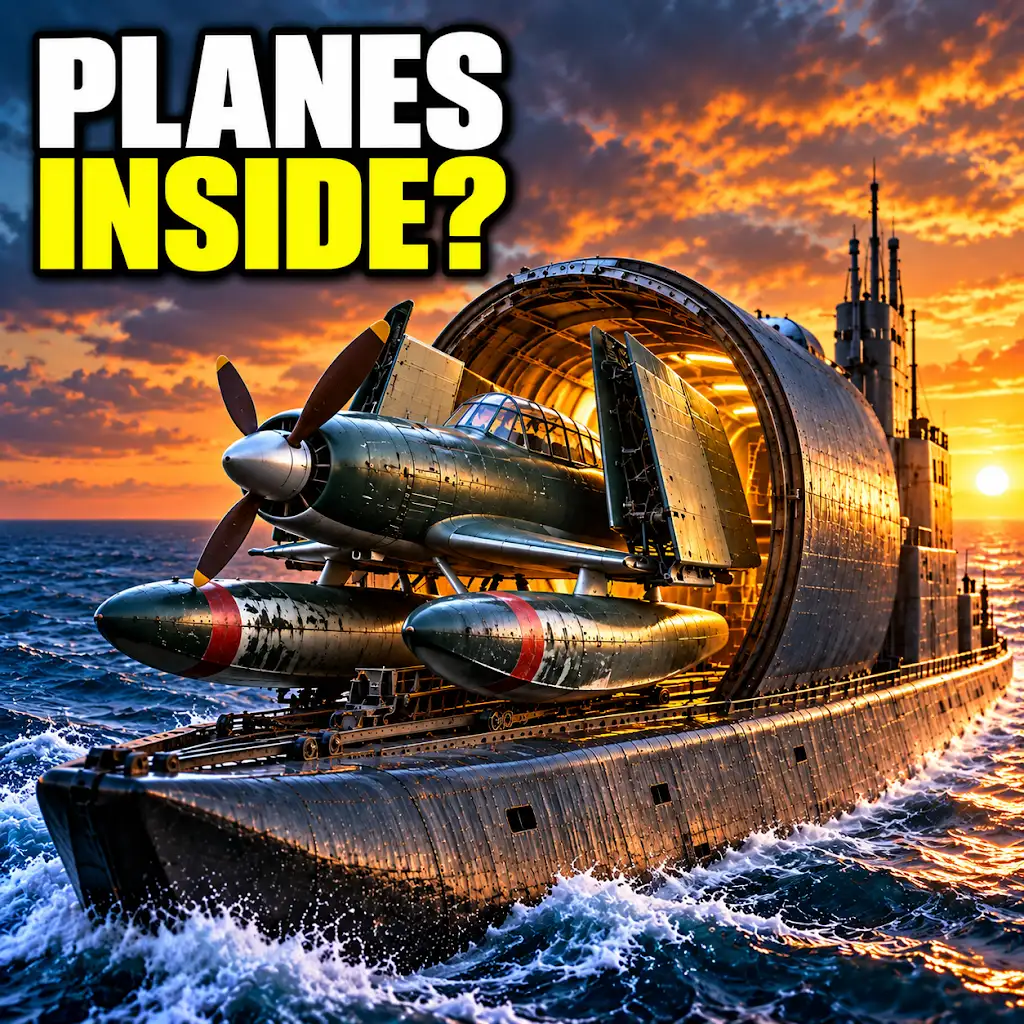
Japan Built a Submarine That Could Launch Three Planes
FAQs
What is the Naval History and Heritage Command (NHHC)?
The Naval History and Heritage Command (NHHC) is an office within the United States Navy that is responsible for the preservation, analysis, and dissemination of the Navy’s history and heritage.
What is the significance of the NHHC’s role in preserving naval history?
The NHHC plays a crucial role in preserving the Navy’s history and heritage by collecting and maintaining historical documents, artifacts, and records related to the Navy’s past. This helps to ensure that the Navy’s legacy is not lost and can be shared with future generations.
What kind of resources does the NHHC provide for researchers and the public?
The NHHC provides a wide range of resources for researchers and the public, including access to historical documents, photographs, oral histories, and artifacts. They also offer educational programs, exhibits, and publications to help promote an understanding of naval history.
How does the NHHC support the Navy’s mission and operations?
The NHHC supports the Navy’s mission and operations by providing historical context and perspective on past naval events, strategies, and technologies. This helps inform decision-making and planning within the Navy and ensures that lessons from the past are not forgotten.
Where is the NHHC located and how can the public access its resources?
The NHHC is located in Washington, D.C., and has various satellite offices and repositories across the country. The public can access NHHC resources online through their website, as well as through visits to their museums, archives, and research facilities.