The seas surrounding the Japanese archipelago are vast and often treacherous, a landscape that has historically shaped Japanese naval strategy and innovation. During World War II, this strategic imperative, coupled with a cultural predilection for meticulous craftsmanship and technological advancement, fueled a clandestine and ambitious submarine program that would surprise and challenge the Allied powers throughout the conflict. While the world focused on the titanic surface fleets and carrier battles that defined the Pacific War, Imperial Japan was quietly pushing the boundaries of submersible warfare, developing vessels and tactics that were, in many ways, ahead of their time. This article delves into the intricate details and far-reaching implications of the Japanese secret submarine program, exploring its genesis, its technological marvels, its operational deployment, and its ultimate legacy.
Genesis of the Silent Fleet: Pre-War Ambitions
The roots of Japan’s advanced submarine program can be traced back to the interwar period, a time when the Imperial Japanese Navy (IJN) was keenly aware of its naval limitations compared to the established powers like Great Britain and the United States. The Washington Naval Treaty of 1922, while aiming to limit naval arms races, inadvertently spurred Japan to focus on quality over quantity, particularly in areas where technological superiority could offset numerical disadvantages. Submarines, with their inherent stealth and potential for strategic disruption, became a key area of investment and development. Japanese naval strategists recognized the submarine’s capacity to strike at an enemy’s vital supply lines and capital ships, a concept that would become a cornerstone of their naval doctrine.
Early Design Philosophies and Technological Foundations
Even in the early stages of submarine development, Japan exhibited a distinct approach. Unlike many Western navies that prioritized speed and surface performance, the IJN often emphasized submerged endurance, stealth, and the capacity to carry a substantial armament. This was partly driven by the vast distances of the Pacific and the IJN’s doctrine of “decisive battle,” which envisioned luring the enemy fleet into a trap where submarines could play a crucial role in its destruction. The early designs, though seemingly conventional by modern standards, laid the groundwork for future innovations. Japanese engineers were meticulous in their research, studying foreign designs and adapting them with their own unique interpretations. This period saw the development of increasingly sophisticated diesel-electric systems, improved hull designs for greater diving capabilities, and the integration of more effective torpedo systems. The emphasis was on creating a robust and reliable platform that could operate effectively for extended periods, a testament to the IJN’s long-term strategic vision.
The Shadow of the ‘Kaidai’ and ‘Kaichū’ Classes
The pre-war years saw the proliferation of several influential submarine classes that would form the backbone of the IJN’s silent service. The Kaidai class, for instance, was a series of large, ocean-going submarines that offered impressive range and could operate independently for weeks. These vessels were designed for various roles, including reconnaissance, minelaying, and direct attack. The Kaichū class, while smaller, were often used for specialized missions and were notable for their amphibious capabilities, with some even equipped to carry small aircraft for aerial reconnaissance. These early classes were not merely experimental; they were built in significant numbers and represented a substantial commitment to submarine warfare. Their operational experience, gained through extensive training exercises and limited deployments, provided invaluable data that informed the design of more advanced vessels to come.
The Japanese secret submarine program during World War II was a fascinating yet often overlooked aspect of naval warfare. For those interested in exploring this topic further, you can read an insightful article that delves into the intricacies of Japan’s underwater strategies and technological advancements during the war. To learn more, visit this link: Japanese Secret Submarine Program in WWII.
The Apex of Innovation: Advanced Submarine Designs

As World War II loomed and then erupted, Japan’s submarine program entered a phase of remarkable innovation. Driven by the need to counter the overwhelming industrial might of the United States and to project power across the vast Pacific, Japanese engineers pushed the boundaries of submarine technology, resulting in some of the most formidable and unique submersible designs of the war. These innovations were not just incremental improvements; they represented significant leaps in capability, often exceeding contemporary Allied designs in specific areas. The IJN’s focus remained on creating submarines that could fulfill a variety of missions, from disrupting Allied shipping to directly engaging enemy warships.
The ‘I’ Class: Masters of Torpedo Warfare
The ‘I’ class submarines, often referred to as the Junsen (cruiser) type, represented the pinnacle of Japanese submarine design for offensive warfare. These were exceptionally large submarines, comparable to small cruisers, designed to operate at great distances and carry an unprecedented armament of torpedoes. The I-1 class, for example, was a powerful vessel capable of launching its torpedoes from bow and stern tubes, as well as from deck-mounted trainable launchers. Later iterations, like the I-15 class, further refined these capabilities, incorporating improved torpedoes and fire control systems. These submarines were intended to act as mobile torpedo batteries, capable of engaging enemy fleets with multiple torpedo salvos, overwhelming their defenses. Their sheer size also allowed for extended operational endurance, crucial for the vast expanses of the Pacific.
The Seaplane Carriers: A Unique Strategic Dimension
Perhaps the most distinctive and audacious innovation of the Japanese secret submarine program was the development of submarines capable of carrying and launching aircraft. These seaplane carrier submarines, such as the I-15, I-17, and I-25, were designed to extend Japan’s aerial reconnaissance and attack capabilities far beyond the reach of land-based airfields. Equipped with a hangar and a catapult, they could launch floatplanes for scouting missions, spotting for naval gunfire, or even conducting limited bombing raids. The I-25, famously, launched a Yokosuka E14Y floatplane that dropped incendiary bombs on the Oregon mainland in 1942, the only enemy air attack on the contiguous United States during the war. This concept, while logistically complex and tactically challenging, demonstrated Japan’s willingness to explore unconventional naval warfare strategies.
The Midget Submarines: Courageous and Desperate Gambits
At the other end of the spectrum, Japan also developed highly specialized midget submarines. These were small, two-man vessels, armed with two torpedoes, designed for daring and often suicidal missions. The Kō-hyōteki (Type A) midget submarines saw their most famous deployment during the attack on Pearl Harbor, where five were launched. While none achieved direct hits on capital ships, their presence in the harbor during the initial assault created confusion and added to the chaos. Later, midget submarines were deployed in various amphibious assaults and raid missions, demonstrating a remarkable level of courage and a willingness to employ even the most limited resources for tactical gain. These small craft, despite their limitations, symbolized the desperate and innovative spirit that characterized much of Japan’s wartime naval efforts.
Operational Deployment and Strategic Impact

The submarines of the Imperial Japanese Navy were not mere technological curiosities; they were actively deployed across the vast Pacific theater, tasked with a wide range of strategic and tactical missions. Their effectiveness, however, was a complex equation of their technological capabilities, the skill of their crews, and the evolving nature of Allied anti-submarine warfare. While they achieved some notable successes, they also faced mounting challenges as the war progressed.
Early War Successes and the “Tokyo Express”
In the early stages of the war, Japanese submarines enjoyed considerable success. Their superior range and torpedo armament allowed them to prey on Allied shipping lines, disrupting supply routes and inflicting significant losses. The I-class submarines, in particular, proved adept at ambushing Allied warships and merchant vessels. During the Guadalcanal campaign, Japanese submarines played a crucial role in the “Tokyo Express,” a nightly resupply effort for their beleaguered ground forces. While primarily known for carrying troops and supplies, these submarines also conducted offensive patrols in the surrounding waters, further harassing Allied naval operations. The element of surprise was a significant advantage in these early months, as the Allies were still developing effective countermeasures.
The Challenge of Anti-Submarine Warfare and Codebreaking
As the war progressed, the operational environment for Japanese submarines became increasingly perilous. The Allies, spurred by early losses, significantly ramped up their anti-submarine warfare (ASW) capabilities. Improvements in sonar technology, radar, depth charge technology, and escort carrier development meant that hunting submarines became a more effective and systematic process. Crucially, the breaking of Japanese naval codes by American cryptanalysts provided Allied commanders with invaluable intelligence, often revealing the locations and intended missions of Japanese submarines before they could strike. This intelligence allowed Allied forces to intercept and destroy numerous submarines, turning what was once a significant threat into a vulnerable target.
Specialized Missions: Reconnaissance and Amphibious Support
Beyond direct combat, Japanese submarines were employed for a variety of specialized missions. Their ability to operate covertly made them ideal for reconnaissance missions, gathering intelligence on Allied naval movements and shore defenses. They also provided invaluable support for amphibious operations, conducting patrols to identify landing zones, disrupt enemy defenses, and even transport commandos and special forces behind enemy lines. The seaplane carrier submarines, in particular, offered a unique form of aerial reconnaissance, providing vital intelligence that could inform tactical decisions.
The Human Element: Crews and Command
The effectiveness of any military program, particularly one as specialized as submarine warfare, hinges not only on technology but also on the skill, dedication, and courage of its personnel. The Imperial Japanese Navy’s submarine service was no exception. The men who served aboard these vessels faced extreme conditions, constant danger, and the psychological toll of prolonged periods of submersion and isolation.
Rigorous Training and a Culture of Discipline
Japanese submariners underwent some of the most rigorous training in the IJN. They were instilled with a deep sense of discipline, loyalty, and a willingness to sacrifice for the Emperor. Training emphasized not only technical proficiency in operating the complex machinery of a submarine but also a keen understanding of naval tactics and the importance of stealth. The cultural emphasis on duty and honor meant that surrender was generally not an option, leading to a fierce determination in combat. This dedication, while admirable, also contributed to the high casualty rates among Japanese submariners.
The Psychological Strain of Submarine Warfare
Life aboard a World War II submarine was a test of human endurance. Confined spaces, the constant threat of detection and attack, and the claustrophobic environment of submersion for extended periods took a significant psychological toll. Crews often endured poor living conditions, limited rations, and the pervasive smell of diesel fuel and stale air. The silent running periods, essential for evading detection, meant complete silence and immobility, a tense and nerve-wracking experience. Despite these hardships, Japanese crews maintained a remarkable level of operational readiness and often displayed incredible bravery under fire.
Notable Commanders and Their Tactics
While individual crew members deserve recognition, the leadership of submarine commanders was also crucial to the IJN’s submarine operations. Commanders like Commander Mochitsura Hashimoto, who sank the USS Yorktown at the Battle of Midway, or Commander Tadashi Yamato, who commanded several successful patrols, demonstrated strategic acumen and tactical bravery. Their understanding of the capabilities of their vessels and their ability to exploit enemy weaknesses, even in the face of overwhelming odds, were key to the limited successes achieved by the Japanese submarine force. However, as the war progressed and Allied ASW capabilities improved, even the most skilled commanders found it increasingly difficult to evade detection and achieve their objectives.
The Japanese secret submarine program during World War II was a fascinating yet often overlooked aspect of naval warfare. This program aimed to develop advanced submarines capable of carrying out covert operations and delivering devastating attacks on enemy vessels. For those interested in exploring this topic further, you can read a detailed analysis in a related article that delves into the intricacies of Japan’s underwater strategies. To learn more about this intriguing subject, visit this article which provides insights into the technological innovations and historical significance of the program.
Legacy and Post-War Reflections
| Metric | Details |
|---|---|
| Program Name | Japanese Secret Submarine Program (WW2) |
| Time Period | 1939 – 1945 |
| Number of Submarines Built | Approximately 140 (including various classes) |
| Notable Submarine Classes | I-400 class (largest submarines of the time, capable of carrying aircraft) |
| Maximum Submarine Length | 122 meters (I-400 class) |
| Maximum Submarine Displacement | 5,900 tons (I-400 class, submerged) |
| Unique Features | Carried seaplanes for reconnaissance and attack missions |
| Primary Missions | Reconnaissance, surprise attacks, and special operations |
| Operational Range | Approximately 37,500 km (I-400 class) |
| Fate of Program | Ended with Japan’s surrender in 1945; many submarines scuttled or captured |
The story of the Japanese secret submarine program is one of ambition, innovation, and ultimately, a testament to the costly nature of war. While the program did not achieve the strategic victory Japan sought, it left a significant mark on naval history and continues to be studied for its technological advancements and its unique strategic concepts. The legacy of these silent warriors extends beyond the battlefield, offering insights into naval doctrine, technological development, and the human cost of conflict.
Technological Echoes in Modern Naval Design
Many of the technological principles explored and refined by the Japanese during their secret submarine program found their way into post-war naval development. The emphasis on submerged performance, advanced battery technology, and efficient propulsion systems were areas where Japanese engineers made significant contributions. The concept of the submarine as a multi-role platform, capable of both offensive and intelligence-gathering missions, also continued to evolve. While the specific designs of the war are now historical artifacts, the underlying pursuit of stealth, endurance, and offensive power remains a central tenet of modern submarine warfare.
A Symbol of Desperate Innovation and Strategic Limitations
The Japanese submarine program can be viewed as a symbol of a nation’s desperate attempt to overcome numerical inferiority through technological innovation and strategic daring. It highlights the ingenuity that can arise in wartime but also underscores the inherent limitations of even the most advanced technology when faced with overwhelming industrial capacity and evolving countermeasures. The program’s ultimate inability to significantly alter the strategic balance of the Pacific War serves as a somber reminder that technological prowess alone cannot guarantee victory.
The Unseen Contribution to Allied Learning
The very existence and operational success of Japanese submarines, however limited, forced the Allied powers to continuously innovate and adapt their own naval strategies, particularly in the realm of anti-submarine warfare. The lessons learned from engaging and defeating the IJN’s silent fleet contributed significantly to the development of modern ASW techniques and technologies that continue to shape naval defense today. The war was a brutal crucible of learning for all involved, and the Japanese submarine program, in its successes and its failures, provided invaluable data that benefited naval forces worldwide. The silent service of Imperial Japan, though ultimately outmatched, played a complex and often unheralded role in the vast tapestry of World War II.
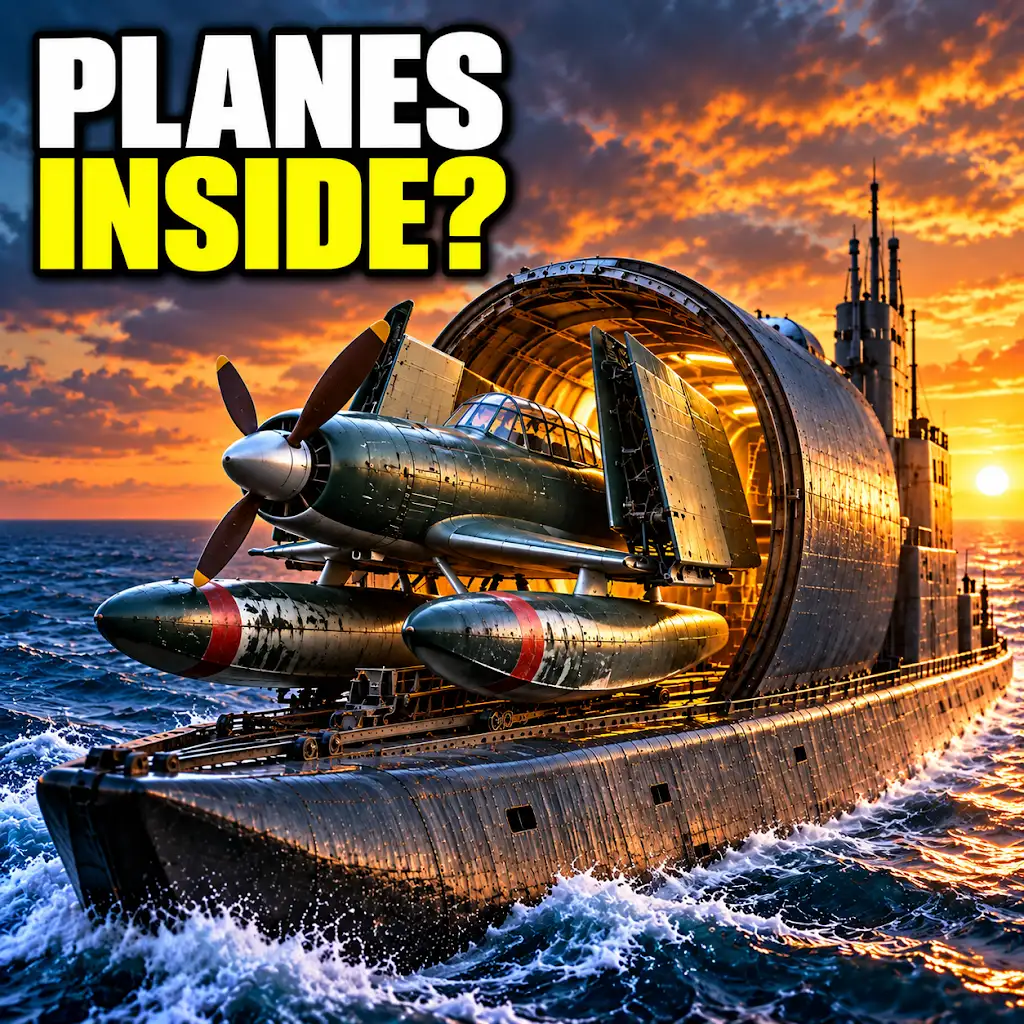
Japan Built a Submarine That Could Launch Three Planes
FAQs
What was the Japanese secret submarine program during World War II?
The Japanese secret submarine program during World War II was a covert operation by the Imperial Japanese Navy to develop advanced submarines for military purposes.
When did the Japanese secret submarine program take place?
The Japanese secret submarine program took place during World War II, specifically from the early 1940s until the end of the war in 1945.
What were the goals of the Japanese secret submarine program?
The goals of the Japanese secret submarine program were to develop submarines with advanced technology and capabilities to gain a strategic advantage in naval warfare during World War II.
Were the submarines developed in the Japanese secret submarine program successful?
Some of the submarines developed in the Japanese secret submarine program were successful in terms of their advanced technology and capabilities, but they were not enough to turn the tide of the war in Japan’s favor.
What is the legacy of the Japanese secret submarine program?
The legacy of the Japanese secret submarine program is that it showcased Japan’s efforts to innovate in naval warfare during World War II, but ultimately the program did not significantly impact the outcome of the war.