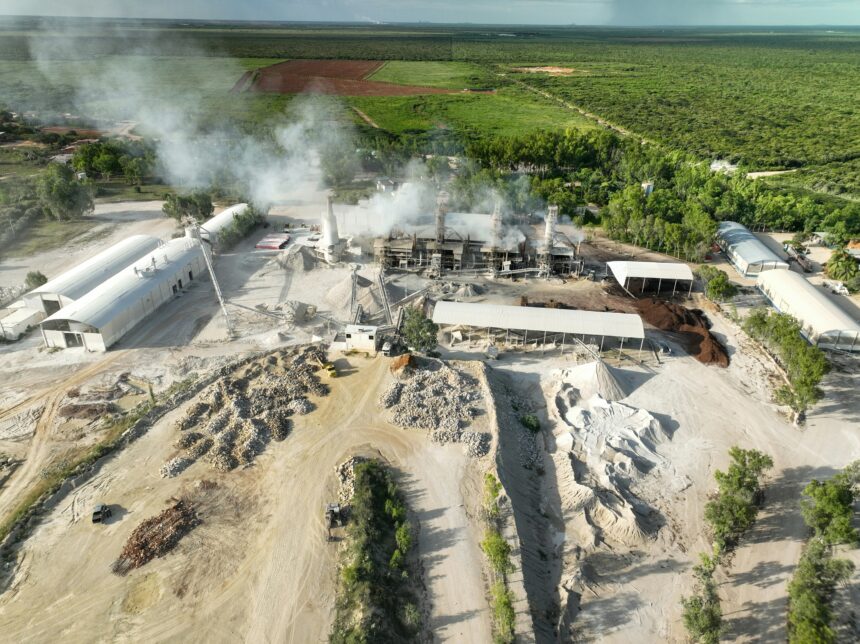
The intricate and often opaque world of rare earth processing holds the key to an astonishing array of modern technologies, from the smartphones in our pockets to the wind turbines powering our green future. These seventeen metallic elements, despite their name, are not exceptionally scarce in the Earth’s crust. Their “rarity” stems from the difficulty and complexity involved in their extraction and separation from common rock formations. Unlocking the mysteries of rare earth processing, therefore, is not merely an academic pursuit; it’s a critical endeavor for global technological advancement and economic independence. This article will delve into the multifaceted journey of rare earth elements (REEs) from mine to market, exploring the scientific challenges, environmental considerations, and innovative solutions that define this vital industry.
Rare earth elements, often grouped into light rare earth elements (LREEs) and heavy rare earth elements (HREEs), are defined by their unique electronic and magnetic properties. These properties make them indispensable in a vast spectrum of high-tech applications, often in minuscule quantities that belie their profound impact. Understanding their significance requires a brief glimpse into where these elements make their mark:
The Backbone of Modern Electronics
The ubiquitous smartphone, a testament to miniaturization and advanced functionality, relies heavily on REEs. Neodymium and praseodymium, for instance, are crucial components of the powerful permanent magnets that drive the vibration motors and speakers. Dysprosium and terbium enhance the performance of these magnets at higher temperatures, ensuring consistent operation. Even the vibrant colors displayed on your screen are often the result of europium and terbium, used as phosphors in display technologies. Without these elements, the sleek, powerful, and visually stunning devices we take for granted would simply not exist.
Powering the Green Revolution
The global shift towards renewable energy sources is another major driver for REE demand. Wind turbines, particularly the direct-drive generators, necessitate powerful permanent magnets made from neodymium-iron-boron (NdFeB) alloys. These magnets enable more efficient energy generation and reduce the need for complex gearboxes. Electric vehicles (EVs) also heavily depend on REEs for their motor magnets, contributing to their lighter weight and improved performance. As the world accelerates its transition to a low-carbon economy, the need for processed REEs will only continue to escalate.
Defense and Aerospace: Where Performance is Paramount
The demanding environments of defense and aerospace industries also rely on the unique properties of REEs. Their high strength-to-weight ratio and magnetic capabilities make them essential for a variety of applications, including advanced radar systems, missile guidance systems, and satellite components. The reliability and performance offered by REE-containing materials are non-negotiable in these critical sectors.
Catalytic Powerhouses: Enhancing Industrial Processes
Beyond electronics and energy, REEs play a crucial role as catalysts in various industrial processes. Cerium, for example, is widely used in catalytic converters for automobiles to reduce harmful emissions. It is also employed in oil refining to crack petroleum into more useful fuels. Lanthanum finds applications in self-cleaning oven coatings and as a catalyst in fluid catalytic cracking in refineries. These catalytic functions highlight the often-overlooked contributions of REEs to everyday industrial efficiency and environmental protection.
For those interested in understanding the complexities of rare earth processing, a related article can provide valuable insights into the environmental and economic implications of this critical industry. You can explore more about the challenges and advancements in rare earth element extraction and processing by visiting this informative piece at In the War Room.
The Complex Labyrinth of Extraction and Concentration
Extracting rare earth elements from their geological sources is a challenging undertaking, fraught with chemical complexities and environmental hurdles. REEs rarely occur in concentrated, easily mineable deposits. Instead, they are typically found dispersed within a broader suite of minerals, demanding sophisticated separation techniques.
The Geological Landscape of REE Deposits
The primary sources of REEs are certain types of igneous rocks, primarily carbonatites and alkaline intrusions, as well as placer deposits derived from the weathering of these rocks. Notable examples include Mount Weld in Australia, the Bayan Obo deposit in China, and Mountain Pass in the United States. The mineralogy of these deposits varies significantly, influencing the choice of extraction and processing methods. Common REE-bearing minerals include bastnäsite, monazite, and xenotime, each requiring specific chemical treatments.
From Ore to Concentrate: The Initial Separation
The first stage of processing involves liberating the REE-bearing minerals from the host rock. This typically begins with physical separation techniques such as crushing, grinding, and flotation. Flotation utilizes differences in surface properties of the minerals to selectively attach them to air bubbles, allowing them to be skimmed off. The goal is to produce a concentrate with a higher percentage of REE minerals, making subsequent chemical processing more efficient.
The Thorny Path of Mineral Liberation
Crushing and Grinding: Breaking Down the Rock
The initial step in mineral processing is mechanical size reduction. The mined ore is subjected to a series of crushing and grinding operations to break down the large rock fragments into smaller particles. This process aims to liberate the REE-bearing minerals from the gangue (waste) minerals. Jaw crushers, cone crushers, and ball mills are commonly employed in these stages. The efficiency of this step is crucial as it impacts the subsequent recovery rates.
Froth Flotation: Selectively Bringing REEs to the Surface
Froth flotation is a physico-chemical process used to selectively separate minerals based on their surface properties. In REE processing, specific reagents are added to the ground ore slurry to make the REE-bearing minerals hydrophobic (water-repellent). Air is then bubbled through the slurry, and the hydrophobic REE minerals attach to the bubbles, forming a froth that can be skimmed off. The choice of flotation reagents is critical and depends on the specific mineralogy of the ore. Careful control of pH and reagent dosage is essential for optimal separation. Collectors, frothers, and modifiers are key components of the flotation chemistry.
The Chemical Crucible: Mastering the Art of Separation

Once a REE concentrate is obtained, the true complexity of REE processing begins: the chemical separation of individual REEs from each other and from other associated elements. This is arguably the most challenging and costly aspect of the entire process, requiring highly specific and often hazardous chemical treatments.
Leaching: Dissolving the Desired Elements
The first chemical step is typically leaching, where the REE minerals are dissolved in an acidic or alkaline solution. Acid leaching, often using sulfuric acid or hydrochloric acid, is common for bastnäsite and monazite. Alkaline leaching, using sodium hydroxide, might be employed for certain specific mineral types. The goal is to transfer the REEs from the solid mineral phase into a liquid solution, leaving behind insoluble impurities. The efficiency and selectivity of the leaching process are heavily influenced by factors such as acid concentration, temperature, and reaction time.
Solvent Extraction: The Heart of REE Separation
Solvent extraction (SX) is the cornerstone of modern REE separation. This technique exploits differences in the solubility of individual REEs in two immiscible liquid phases: an aqueous phase containing the dissolved REEs and an organic phase containing a specific extractant molecule. The extractant preferentially binds to certain REEs, transferring them from the aqueous to the organic phase. By using a series of extraction stages with varying chemical conditions, individual REEs can be progressively separated.
The Elegant Dance of Selectivity in Solvent Extraction
Extractant Chemistry: Tailoring the Molecular “Grab”
The selection of appropriate extractant molecules is paramount to the success of solvent extraction. These organic compounds are designed with functional groups that exhibit a high affinity for specific REEs. For example, organophosphorus compounds like Di-(2-ethylhexyl) phosphoric acid (DEHPA) and bis(2,4,4-trimethylpentyl) phosphinic acid (Cyanex 272) are widely used for separating lighter REEs. For heavier REEs, different extractants might be required to achieve the necessary selectivity. The intricate molecular design of these extractants dictates their chelating ability, forming stable complexes with REE ions.
Stripping and Recycling: Recovering the Precious Metals
After the REEs have been transferred to the organic phase, they are “stripped” back into an aqueous solution by altering the chemical conditions, typically by introducing a strong acid. This process regenerates the extractant for reuse, making the process more economical and environmentally sound. The stripped aqueous solution now contains a more concentrated fraction of a specific REE or a group of REEs. This entire SX cycle is repeated many times, often hundreds or even thousands of stages, to achieve the high purity required for end-use applications.
Precipitation and Purification: Achieving the Final Product
Following solvent extraction, the individual REE solutions are further processed to obtain the final solid REE products, usually in the form of oxides. Precipitation is a common method, where the REE is made to precipitate out of solution by adjusting pH or adding another reagent. For instance, oxalic acid is often used to precipitate REE oxalates, which are then calcined (heated) to produce the desired REE oxides. Further purification steps might be necessary to meet stringent purity requirements for specific applications.
Environmental Stewardship: Addressing the Challenges
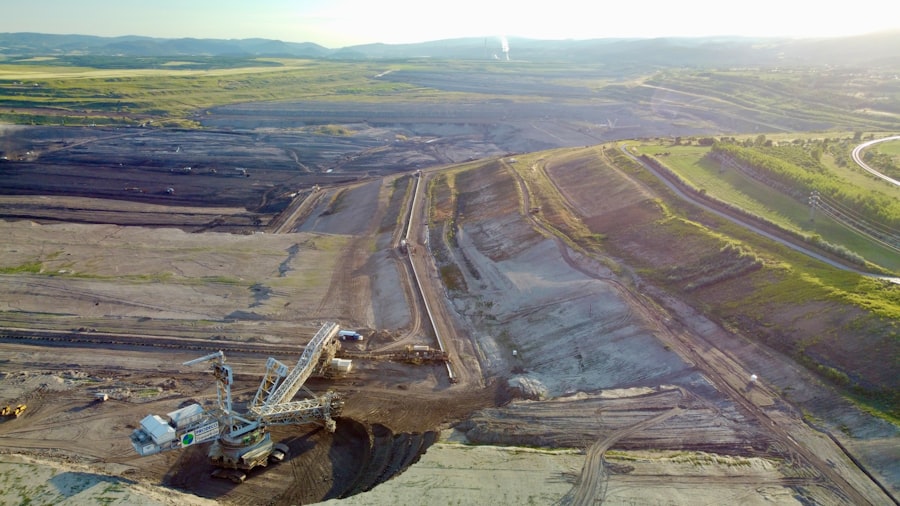
The processing of rare earth elements, while essential for modern technology, presents significant environmental challenges. The chemicals used in leaching and solvent extraction, if not managed properly, can pose risks to water bodies and soil. Furthermore, the generation of radioactive byproducts from certain REE ores requires careful handling and disposal. Consequently, sustainable and environmentally responsible processing is a paramount concern for the industry.
Managing Chemical Effluents: A Delicate Balancing Act
The aqueous streams generated during leaching and solvent extraction can contain residual acids, organic extractants, and trace amounts of REEs and other metals. Effective wastewater treatment is crucial to neutralize acidic or alkaline streams, remove or recover organic reagents, and precipitate out any hazardous metals before discharge. Advanced techniques such as ion exchange, membrane filtration, and bio-remediation are being explored and implemented to minimize the environmental footprint of these effluents.
The Specter of Radioactivity: Handling Naturally Occurring Radioactive Materials
Some REE deposits, particularly those containing monazite, are naturally associated with thorium and uranium, which are radioactive elements. During processing, these radioactive elements can be concentrated, requiring specialized handling and disposal protocols. Strict adherence to radiation safety regulations and the development of technologies for the safe immobilization and long-term storage of radioactive waste are critical aspects of responsible REE processing.
Towards Greener Chemistry: Innovation in Processing
The industry is actively pursuing research and development into more sustainable processing methods. This includes exploring less toxic and more biodegradable reagents for solvent extraction, developing more efficient leaching processes that minimize chemical consumption, and investigating novel separation techniques that reduce waste generation. The circular economy concept is also gaining traction, with efforts focused on recycling REEs from end-of-life products to reduce the reliance on primary extraction.
Rare earth processing is a complex and crucial aspect of modern technology, as these elements play a vital role in various industries, from electronics to renewable energy. For a deeper understanding of this intricate process, you can explore a related article that delves into the methods and challenges associated with rare earth element extraction and refinement. This informative piece can be found at this link, providing valuable insights into the significance of rare earth materials in today’s world.
Technological Advancements and Future Horizons
| Stage | Process |
|---|---|
| 1 | Ore Extraction |
| 2 | Crushing and Grinding |
| 3 | Chemical Processing |
| 4 | Separation and Purification |
| 5 | Final Product Formation |
The field of rare earth processing is continuously evolving, driven by the need for greater efficiency, reduced environmental impact, and enhanced economic viability. Several technological advancements are shaping the future of this critical industry.
Enhanced Separation Techniques: Beyond Traditional Solvent Extraction
While solvent extraction remains the dominant technology, researchers are exploring alternative and complementary separation methods. Hydrometallurgical processes with improved selectivity and reduced chemical usage are under development. Ion exchange chromatography offers high purity separations but can be slower and more expensive for large-scale operations. Electrodialysis and membrane-based separations are also being investigated as potentially more energy-efficient and environmentally friendly alternatives.
Recovering REEs from Secondary Sources: The Recycling Imperative
The increasing demand for REEs, coupled with concerns about supply chain security and environmental impact, has spurred significant interest in recycling. Recovering REEs from spent batteries, electronics, magnets, and catalysts presents a viable pathway to reduce the need for virgin extraction. Developing efficient and cost-effective recycling technologies is a key research area, focusing on liberation of REEs from complex matrices and their subsequent purification.
Innovations in Pyrometallurgy: A Complementary Approach
While hydrometallurgical methods are prevalent for separation, pyrometallurgical techniques can play a role in initial ore beneficiation or in the recovery of REEs from certain waste streams. High-temperature processes can be effective in removing some impurities or in producing intermediate REE-containing materials. Research is ongoing to integrate pyrometallurgical steps with hydrometallurgical processes to optimize the overall recovery and purification of REEs.
The Promise of Artificial Intelligence and Process Optimization
The application of artificial intelligence (AI) and machine learning is beginning to revolutionize rare earth processing. AI algorithms can analyze vast datasets from pilot plants and operational facilities to optimize process parameters, predict equipment failures, and identify opportunities for efficiency gains. This data-driven approach can lead to improved yields, reduced chemical consumption, and enhanced environmental performance. AI can also assist in the design of new extractants with tailored selectivity.
Conclusion: Securing the Building Blocks of Tomorrow
Unlocking the mysteries of rare earth processing is not a singular scientific breakthrough but rather an ongoing journey of scientific innovation, engineering prowess, and environmental responsibility. The intricate chemical dance of separation, the careful management of environmental impacts, and the relentless pursuit of technological advancements are all vital components in ensuring a sustainable supply of these indispensable elements. As the world continues to embrace technologies that rely on the unique properties of rare earths, the importance of understanding and mastering their processing will only grow. Investments in research, development, and responsible industrial practices are crucial to not only meet future demand but also to forge a path towards a more technologically advanced and environmentally conscious future. The challenges are significant, but the rewards – a steady supply of the building blocks for our most critical technologies – are undeniably immense.

China’s Invisible Chokehold on Modern Weapons
FAQs
What are rare earth elements?
Rare earth elements are a group of 17 chemical elements in the periodic table, including scandium, yttrium, and the 15 lanthanides. They are essential for the production of various high-tech products such as smartphones, electric vehicles, and wind turbines.
Why are rare earth elements important?
Rare earth elements are crucial for the manufacturing of many modern technologies due to their unique magnetic, luminescent, and catalytic properties. They are used in electronics, renewable energy, defense systems, and medical devices.
How are rare earth elements processed?
Rare earth elements are typically extracted from mineral ores through a series of physical and chemical processes. This includes crushing the ore, leaching with acids, and using solvent extraction and precipitation techniques to separate and purify the rare earth elements.
Where are rare earth elements processed?
Rare earth elements are processed in specialized facilities, often located in countries with significant rare earth mineral deposits. China is the largest producer and processor of rare earth elements, but there are also processing facilities in other countries such as the United States, Australia, and Malaysia.
What are the environmental concerns associated with rare earth processing?
Rare earth processing can generate large amounts of waste and result in environmental pollution if not properly managed. The extraction and processing of rare earth elements can produce radioactive waste, toxic byproducts, and contribute to soil and water contamination. Efforts are being made to develop more sustainable and environmentally friendly processing methods for rare earth elements.